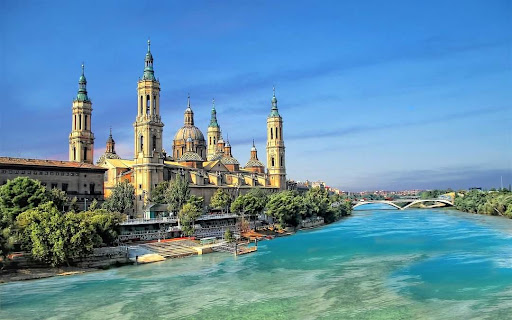
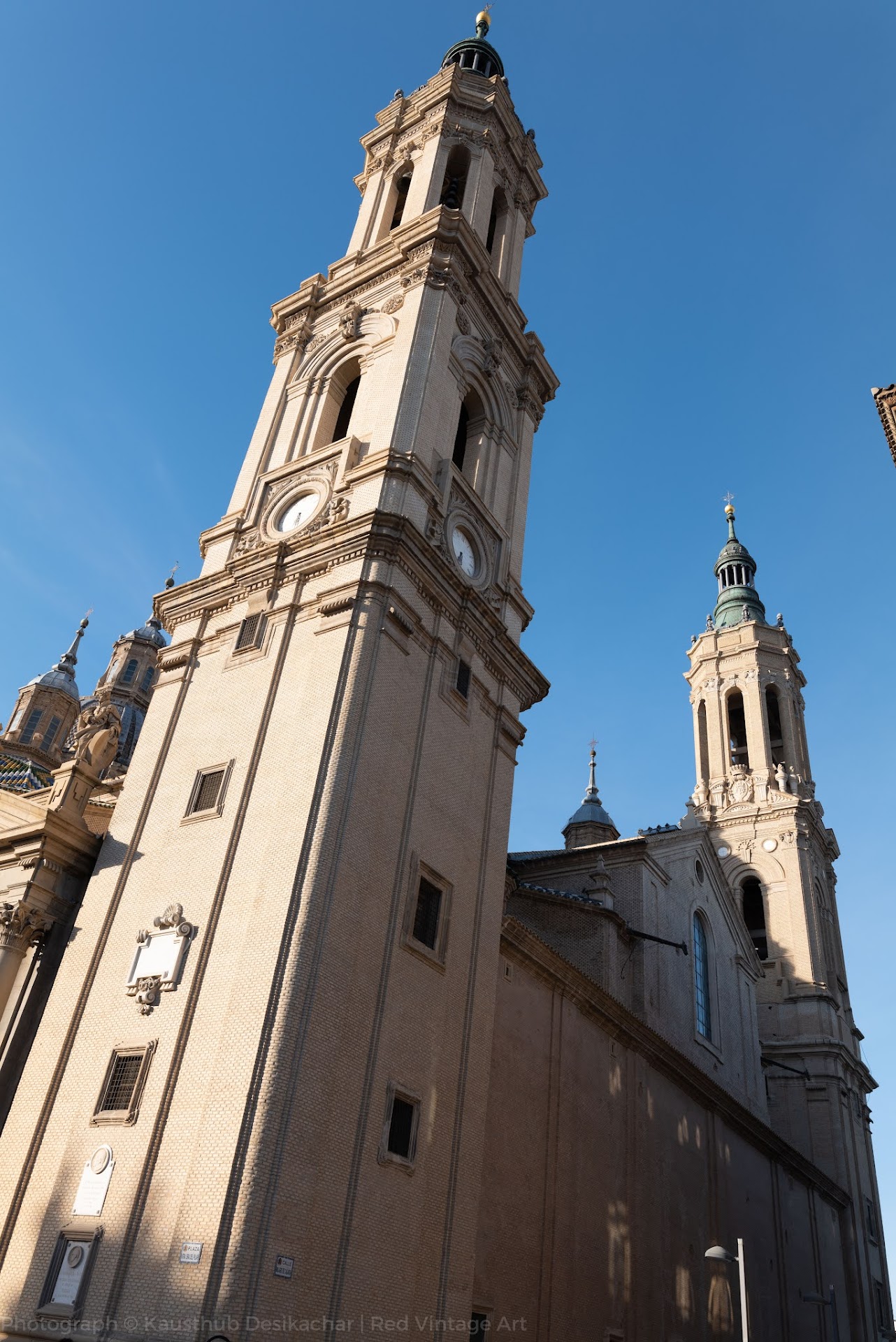
Cathedral-Basilica of Our Lady of the Pillar things to do, attractions, restaurants, events info and trip planning
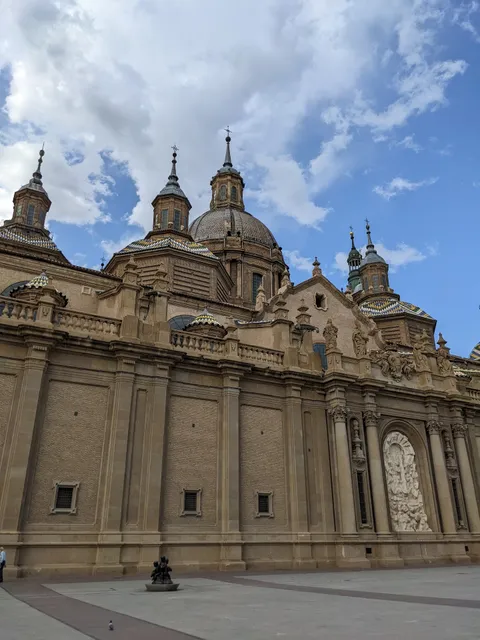
Basic Info
Cathedral-Basilica of Our Lady of the Pillar
Plaza del Pilar, s/n, Casco Antiguo, 50003 Zaragoza, Spain
4.8(15K)
Open 24 hours
Save
spot
spot
Ratings & Description
Info
Cultural
Scenic
Family friendly
Accessibility
attractions: Plaza del Pilar, Stone Bridge, Museo Pilarista, Goya Museum, Sala de Exposiciones La Lonja, Parque Macanaz, Murallas Romanas de Zaragoza, Fuente de la Hispanidad, Cathedral of the Savior of Zaragoza, Museo del Foro de Caesaraugusta, restaurants: Churrería La Fama, Café Botánico, Restaurante Tajo Bajo, Restaurante Tres Mares, El Real Bar Restaurante, Restaurante Chino Paraiso, Manolo Bakes, Bar restaurante españa siglo xxi, SuperHits Zaragoza, Gelati Dino, local businesses: Basílica de Nuestra Señora del Pilar, Da Luxe Café Cantante, Puente de Piedra, ALE-HOP, Catedral del Salvador de Zaragoza, Banak, Flying Tiger Copenhagen, Grilló Regalos, Heladería Ferrara, Zaragoza Tours
 Learn more insights from Wanderboat AI.
Phone
+34 976 39 74 97
Website
basilicadelpilar.es
Plan your stay

Pet-friendly Hotels in Zaragoza
Find a cozy hotel nearby and make it a full experience.

Affordable Hotels in Zaragoza
Find a cozy hotel nearby and make it a full experience.

The Coolest Hotels You Haven't Heard Of (Yet)
Find a cozy hotel nearby and make it a full experience.

Trending Stays Worth the Hype in Zaragoza
Find a cozy hotel nearby and make it a full experience.
Reviews
Live events

EL ROMANCERO GITANO Y OTROS DESEOS de F. García Lorca - TEATRO GUIRIGAI
Sat, Jan 31 • 7:00 PM
Calle Domingo Figueras Jariod, 8-11 50004 Zaragoza
View details

Egipto y la filosofía del más allá.
Thu, Feb 5 • 7:30 PM
31 Calle de Antonio Cánovas 50004 Zaragoza
View details
Candlelight: Lo Mejor de Hans Zimmer
Sun, Feb 1 • 9:00 PM
Calle Joaquín Costa, 5, Zaragoza, 50001
View details
Nearby attractions of Cathedral-Basilica of Our Lady of the Pillar
Plaza del Pilar
Stone Bridge
Museo Pilarista
Goya Museum
Sala de Exposiciones La Lonja
Parque Macanaz
Murallas Romanas de Zaragoza
Fuente de la Hispanidad
Cathedral of the Savior of Zaragoza
Museo del Foro de Caesaraugusta
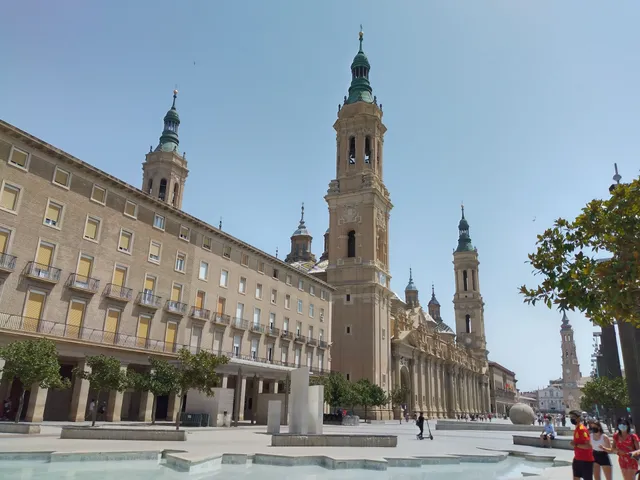
Plaza del Pilar
4.8
(8.1K)
Open until 12:00 AM
Click for details
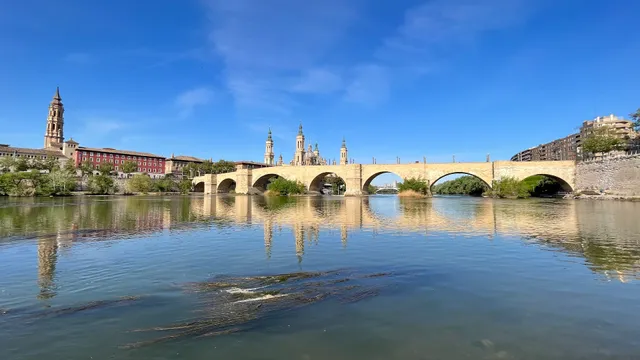
Stone Bridge
4.7
(3.7K)
Open until 12:00 AM
Click for details
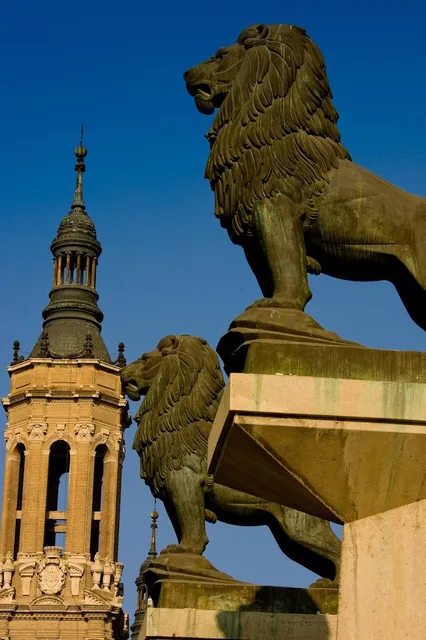
Museo Pilarista
4.6
(88)
Open 24 hours
Click for details
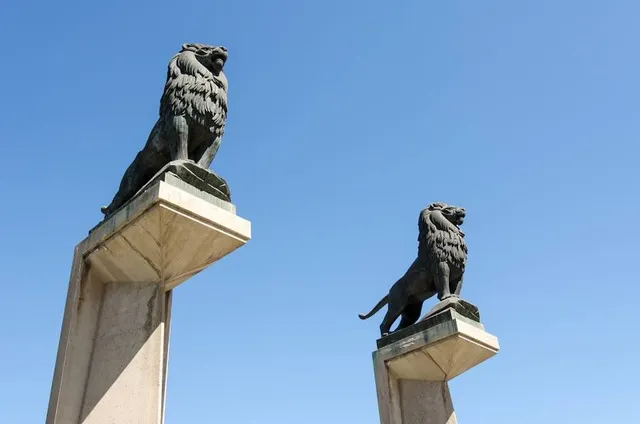
Goya Museum
4.5
(2K)
Open 24 hours
Click for details
Nearby restaurants of Cathedral-Basilica of Our Lady of the Pillar
Churrería La Fama
Café Botánico
Restaurante Tajo Bajo
Restaurante Tres Mares
El Real Bar Restaurante
Restaurante Chino Paraiso
Manolo Bakes
Bar restaurante españa siglo xxi
SuperHits Zaragoza
Gelati Dino
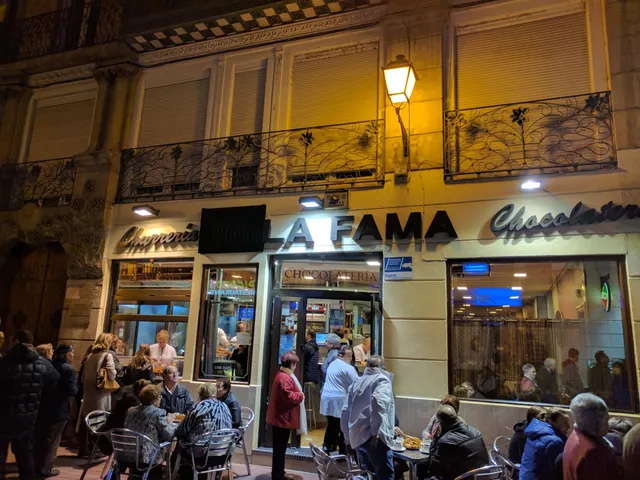
Churrería La Fama
4.5
(1.6K)
$
Closed
Click for details
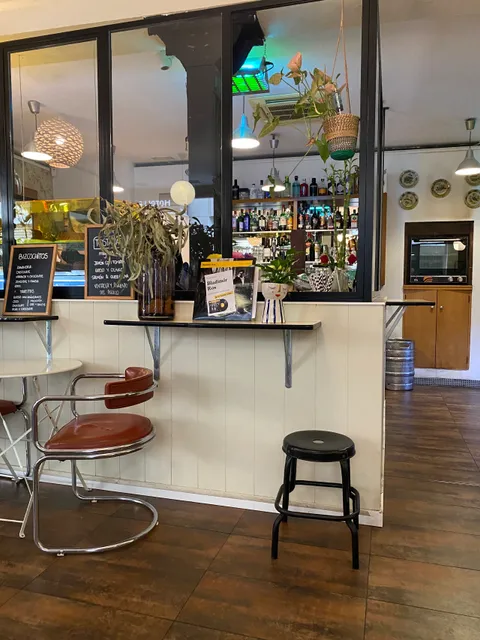
Café Botánico
4.4
(1.8K)
Open until 12:00 AM
Click for details

Restaurante Tajo Bajo
4.4
(790)
Open until 12:00 AM
Click for details
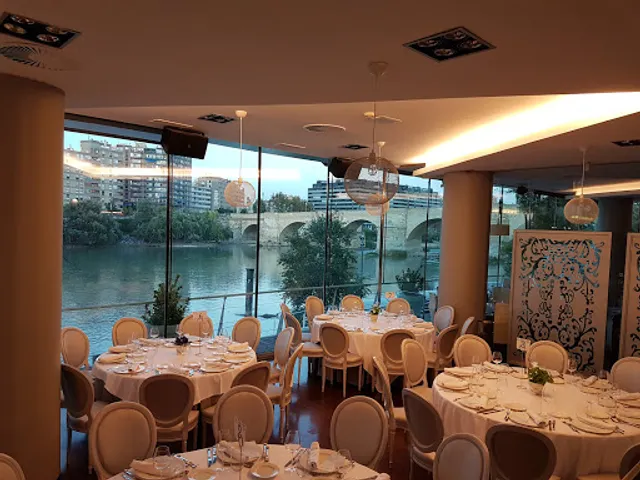
Restaurante Tres Mares
3.8
(809)
Closed
Click for details
Nearby local services of Cathedral-Basilica of Our Lady of the Pillar
Basílica de Nuestra Señora del Pilar
Da Luxe Café Cantante
Puente de Piedra
ALE-HOP
Catedral del Salvador de Zaragoza
Banak
Flying Tiger Copenhagen
Grilló Regalos
Heladería Ferrara
Zaragoza Tours
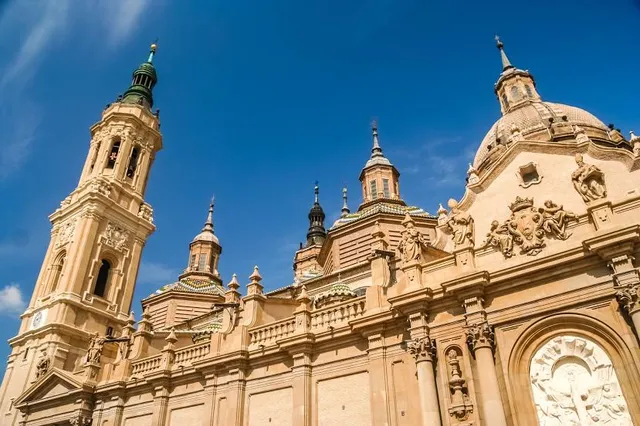
Basílica de Nuestra Señora del Pilar
4.8
(13.3K)
Click for details
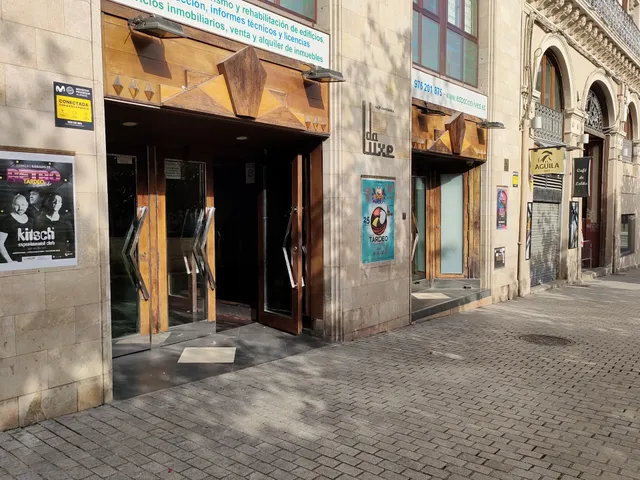
Da Luxe Café Cantante
3.8
(776)
Click for details
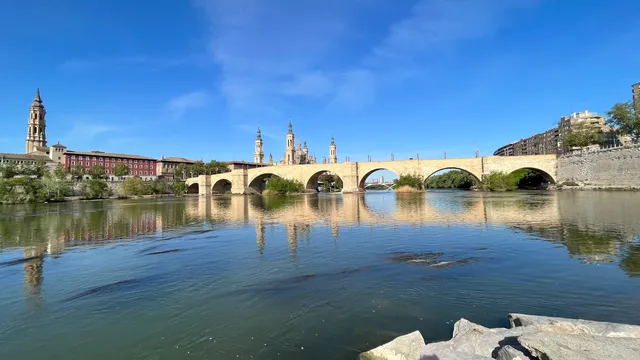
Puente de Piedra
4.7
(3.3K)
Click for details
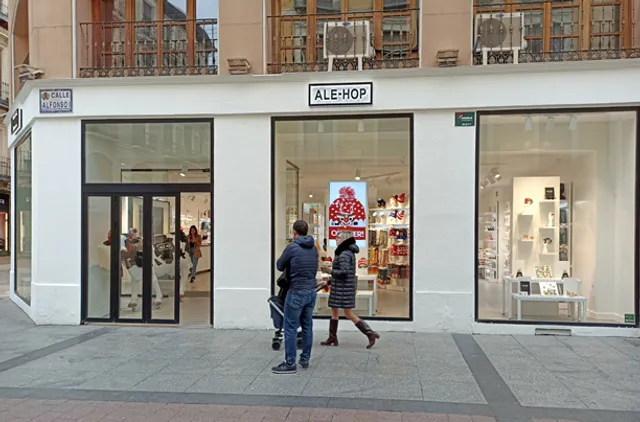
ALE-HOP
4.2
(1.2K)
Click for details