4 levels covering the nature, history and culture of Yilan. Told to start from the top and walk my way down.
Level 4 - Mountains, Mother of Yi Lan
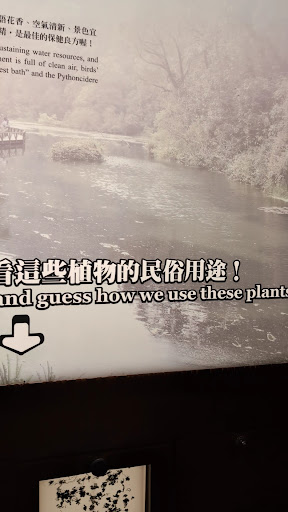
This level features the mountains of Yilan, which is surrounded 3 sides by mountains and 1 side facing the sea. They have designed this area to replicate the forests and mountains, including the flora and fauna there.
It was interesting to learn about how 泰雅族 uses Formosan Alder to fertilize land, making it livable for themselves. Then there's the Cypress Trees, that are now more commonly found in Japan and Taiwan, believed to originate 200 million years ago, during Ice Age. Learnt today that the age of a tree is determined by the annual rings which can be seen from a cross section of the bark.
Level 3 - Plains of Yi Lan
Unique landscape created Jiaoxi Hot Springs, Suao Cold Springs and sees above average rainfalls that supports the greenery here but also brings about disasters such as floods. In the middle section, there's a showcase of livelihoods. For a moment I thought why got uncle keep talking and so much to say, so noisy. Turns out, it was the display feature, where the character describes his life as you walk near each.
I also found the Qianggu 抢孤 Festival impressive. Part of the Zhongyuan Pudu ritual to commemorate the souls that perished in early days of land development. Held at midnight of the last day of July of the lunar calendar, contestants climb a tall tower to snatch offerings and the first to grab the 'flag of favourable winds' wins. The offerings are then throw down from the tower and people rush to get a piece of blessings as they believed whoever received these enjoy smooth winds and waters for the year. Now, this festival is held only in Toucheng.
Level 2 - Oceans of Yi Lan
Life of the Gamalan Tribe, one surviving by the waters. More interactive videos here, showcasing the life of the wetlands. Also explains why they believe in Ma Zu here, I guess.
Level 1 - Experience area, where there are Chinese Opera costumes for one to try on and take photos, a puppet booth for one to try out puppeteering etc.
Next to the exit from the permanent exhibit is the entrance to their Special exhibit, which was one on Rice. Rather interactive though seems to be designed more for kids instead, should have saved the NTD50.
Spent approx an hour and a half here covering all exhibits in good detail. They also have a section for Children Archaeology, which is an experience zone for kids to explore archaeology work. Adults can go in too, while children must be accompanied by an adult. Ticketed separately at NTD50 and requires one to remove shoes and wear socks. Since I didn't have socks and unwilling to buy, I gave this a miss.
Entrance fees: NTD100 for regular exhibit, NTD50 for...
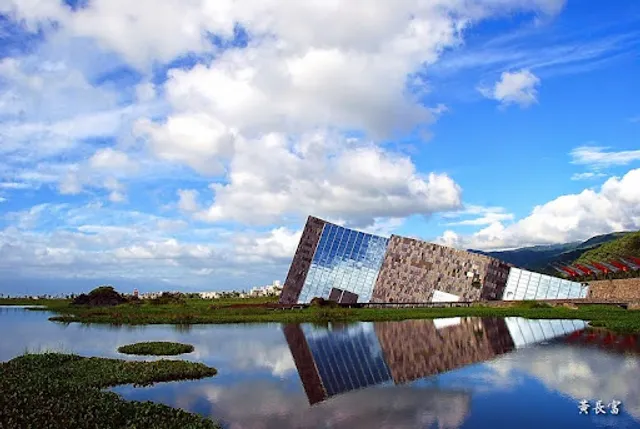
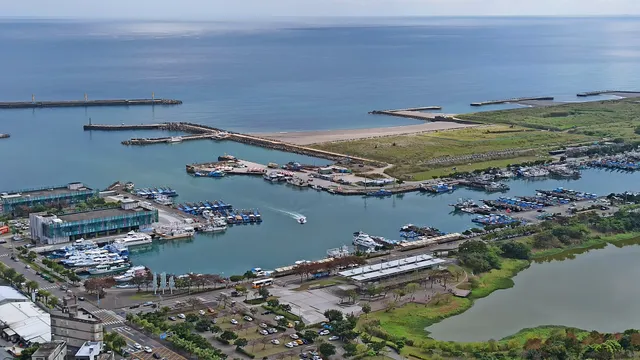
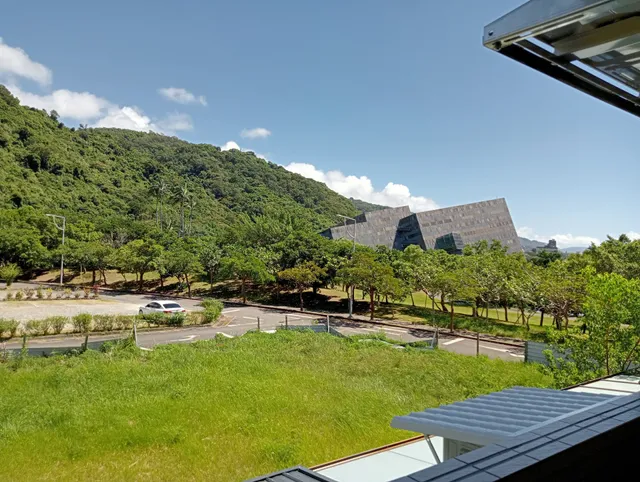
Read moreLanyang Museum, located in Yilan County, Taiwan, is a stunning architectural marvel that seamlessly blends with its natural surroundings. Designed to resemble a cuesta, the museum's unique structure is both eye-catching and harmonious with the nearby Wushi Harbor and the mountains beyond. This modern masterpiece not only captivates visitors with its exterior but also offers a wealth of knowledge and cultural insights inside.
The museum is dedicated to showcasing the natural history, culture, and ecological environment of the Lanyang Plain. It is organized into three main exhibition halls: the Mountains Hall, the Plains Hall, and the Ocean Hall. Each section provides an immersive experience through interactive exhibits, detailed displays, and fascinating artifacts that narrate the story of the region from geological formation to cultural evolution.
One of the highlights of the museum is the way it integrates local stories and traditions into its exhibits. Visitors can learn about the indigenous tribes, the history of agricultural practices, and the rich biodiversity of the area. The well-curated exhibitions ensure that there is something of interest for everyone, from history buffs to nature enthusiasts.
The staff at Lanyang Museum are knowledgeable and approachable, always ready to answer questions and provide additional insights. The museum also offers various educational programs and workshops, making it a great destination for school trips and family visits.
In addition to the exhibitions, the museum's location offers breathtaking views of the surrounding landscape. Visitors can enjoy a leisurely walk around the museum grounds, take in the scenic beauty, and even visit the nearby beach.
Overall, Lanyang Museum is a must-visit destination for anyone traveling to Yilan. It provides a comprehensive and engaging overview of the region's heritage and natural wonders, housed in a building that is an attraction in itself. Whether you're a first-time visitor or a returning guest, Lanyang Museum offers a memorable and enriching experience.
I hope this review captures the essence of Lanyang Museum for you! Enjoy your...
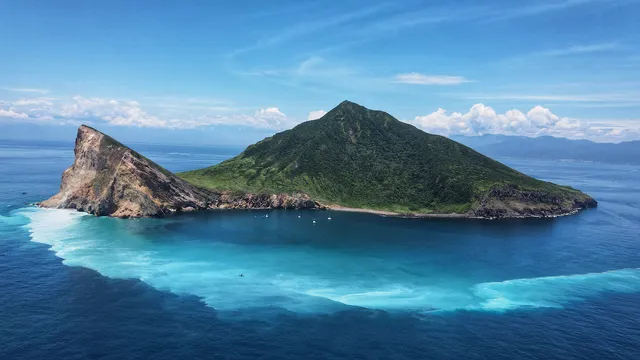
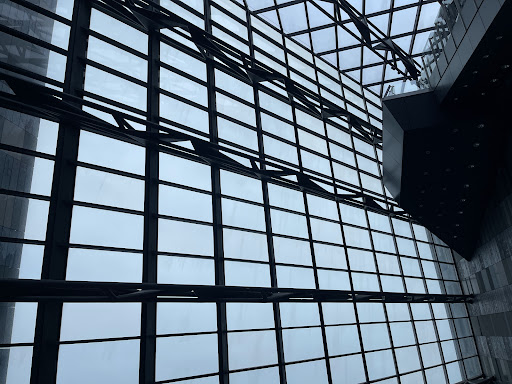
Read moreThe architectural modeling concept of Lanyang Museum was jointly proposed by two architects, Sun Dehong and Yao Renxi, and was designed and supervised by Dayuan United Architects, which was presided over by Mr. Yao Renxi. The shape is inspired by the single-faced mountain, which is a common landform along the coast of Beiguan, Toucheng. The exterior wall is inspired by Vivaldi's classical music violin concerto "Four Seasons". Through the use of different stone materials and sizes, the changes in scale and rhythm are interwoven . The highest apex of the main building faces Guishan Island in the east, and gradually descends to the surface along the southwest. The angle between the roof and the ground is 20 degrees, and the tip wall and the ground form a triangle of 70 degrees. The whole building forms a triangular cone to form a basic shape. The building is divided into 10 volumes, of which 4 volumes are covered with glass as "virtual volumes". The interlacing of virtual and real represents the cracks and cracks caused by weathering of the reef. The exterior wall of the building is directly embedded in the soil, simulating the image of a huge boulder standing upright. Through spatial dislocation, the building echoes the Wushi reef in the water area of the park. After completion, it has been affirmed by many architectural awards: 2010 Far East Architecture Award and Taiwan Architecture Award First Prize, 2010 Public Works Gold Award Special Excellence, 2011 International Livable City Project Award Man-made Environment Gold Award, 2012 International Architecture Award, 2020 The Environmental Integration Award of the Public Art Award of the...
Read more