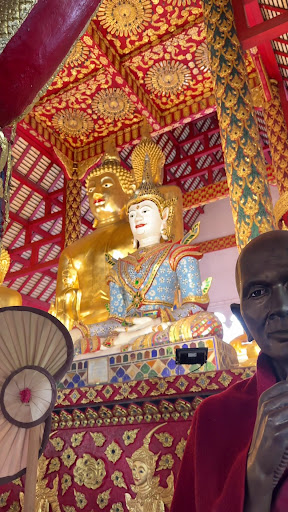
Wat Suan Dok things to do, attractions, restaurants, events info and trip planning
Basic Info
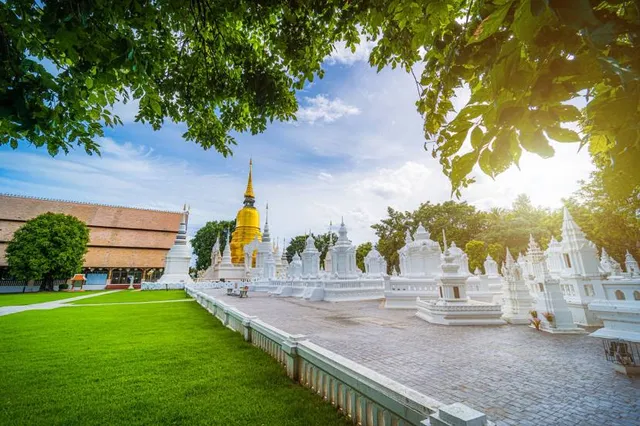
Wat Suan Dok
139 Suthep Rd, Tambon Su Thep, Mueang Chiang Mai District, Chiang Mai 50200, Thailand
4.6(2K)
Closed
Save
spot
spot
Ratings & Description
Info
Wat Suan Dok, also known as Wat Buppharam is a Buddhist temple in Chiang Mai, northern Thailand. It is a Royal Temple of the Third Class. The temple is on Suthep Road, approximately one kilometre west of Suan Dok gate at the west side of the moat.
Cultural
Family friendly
attractions: Chiang Mai University Art Center, Gallery Seescape, Lanna Traditional House Museum, Museum of World Insects and Natural Wonders, restaurants: The Barn Eatery And Design, Pun Pun Vegetarian Slow Food, Thyme Time, Ming Kwan Vegetarian Food, Onuma Green Rabb กาแฟและอาหาร ย่านสวนดอก เชียงใหม่, Thin Thin Pizza, บ้านมะพร้าว สวนดอก (ถนนสวนดอก) - SDCoconut Smoothies SUANDOK, Beats Cafe and Bar, Mu´s Katsu Gyuu, Bay Day, local businesses: MONK CHAT OFFICE, Prajao Kao Tue (Perhaps the most beautiful Lanna Buddha image) พระเจ้าเก้าตื้อ, Tops daily Suandok Park Chaing Mai, Ton Phayom Fresh Market, The Greenhouses, Crown Massage, SALON DE YIM (ซาลอน เดอ ยิ้ม), Baan 39 Apartment, Chanya Massage Traditional Thai, Wat Nang Tra
 Learn more insights from Wanderboat AI.
Phone
+66 90 224 7220
Website
facebook.com
Open hoursSee all hours
Tue6 AM - 6 PMClosed
Plan your stay

Pet-friendly Hotels in Chiang Mai Province
Find a cozy hotel nearby and make it a full experience.

Affordable Hotels in Chiang Mai Province
Find a cozy hotel nearby and make it a full experience.

The Coolest Hotels You Haven't Heard Of (Yet)
Find a cozy hotel nearby and make it a full experience.

Trending Stays Worth the Hype in Chiang Mai Province
Find a cozy hotel nearby and make it a full experience.
Reviews
Live events
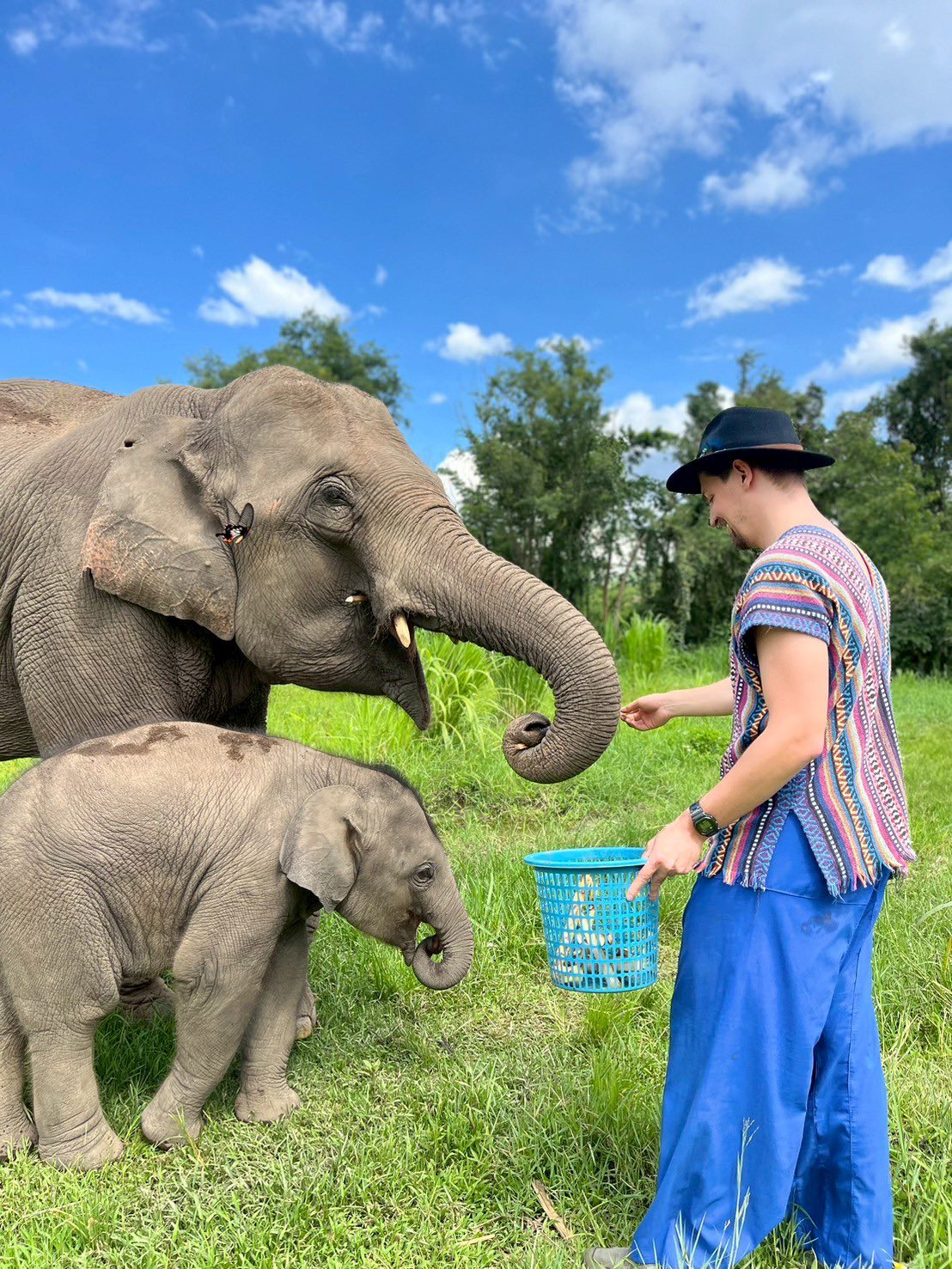
Chiang Mai Elephant Sanctuary Half-day Experience
Tue, Feb 24 • 12:00 PM
清迈塔帕依姆酒店 Tambon Chang Khlan, Chang Wat Chiang Mai, 50100, Thailand
View details
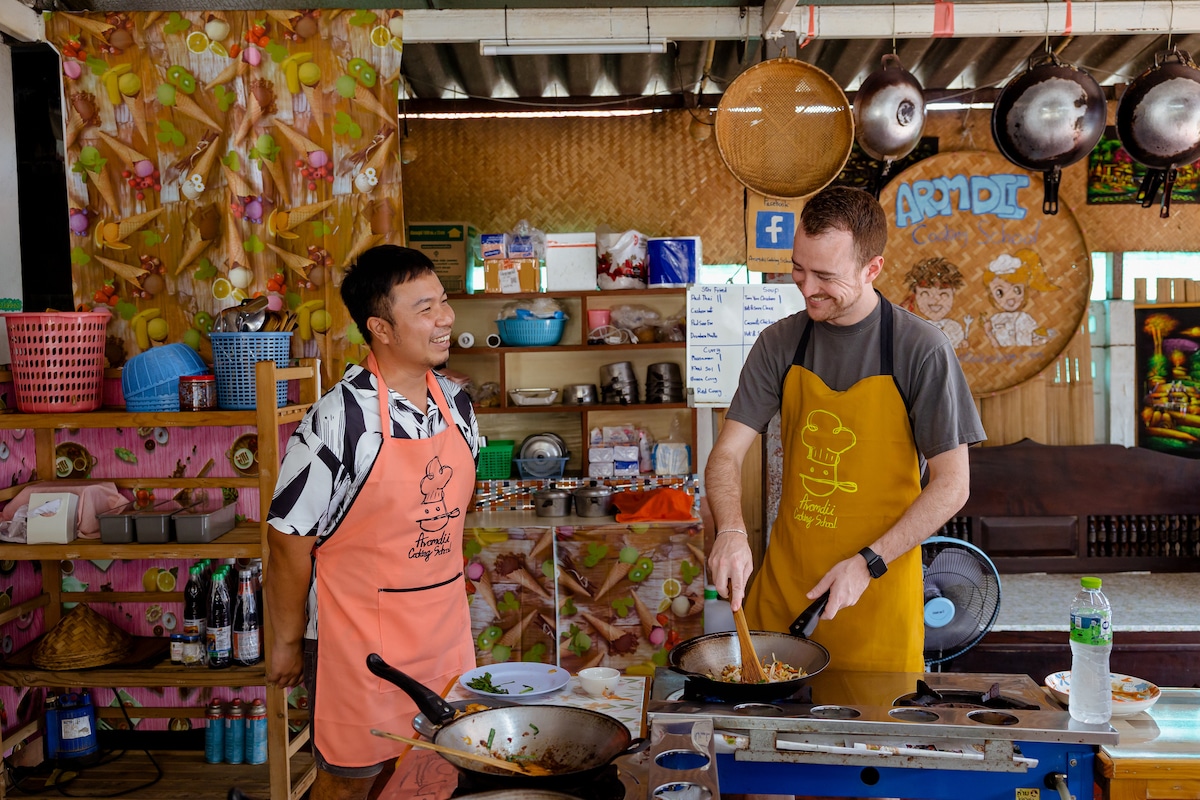
Aromdii Thai cooking
Tue, Feb 24 • 3:30 PM
Haiya Sub-district, Chiang Mai, 50100, Thailand
View details

Explore Sticky Waterfalls with Annie
Wed, Feb 25 • 7:00 AM
Chang Phueak, Chiang Mai, 50300, Thailand
View details
Nearby attractions of Wat Suan Dok
Chiang Mai University Art Center
Gallery Seescape
Lanna Traditional House Museum
Museum of World Insects and Natural Wonders
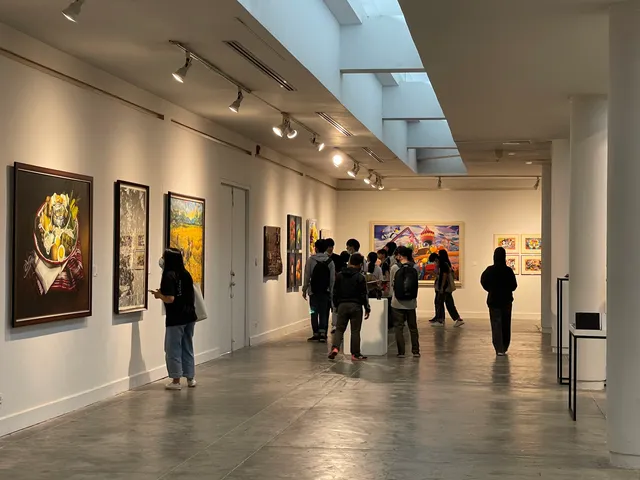
Chiang Mai University Art Center
4.2
(362)
Open until 12:00 AM
Click for details
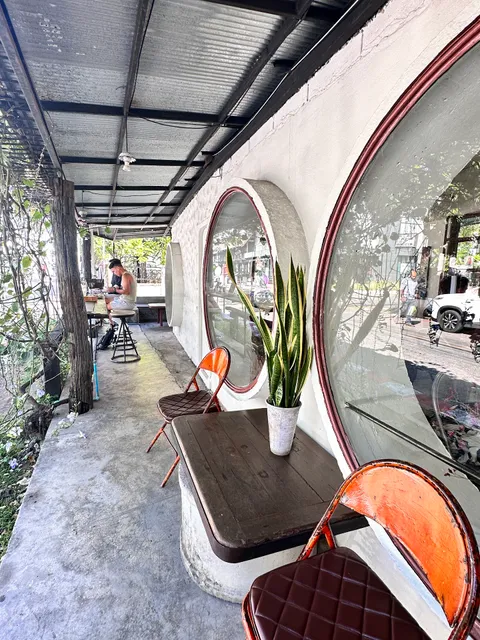
Gallery Seescape
4.5
(351)
Open until 12:00 AM
Click for details
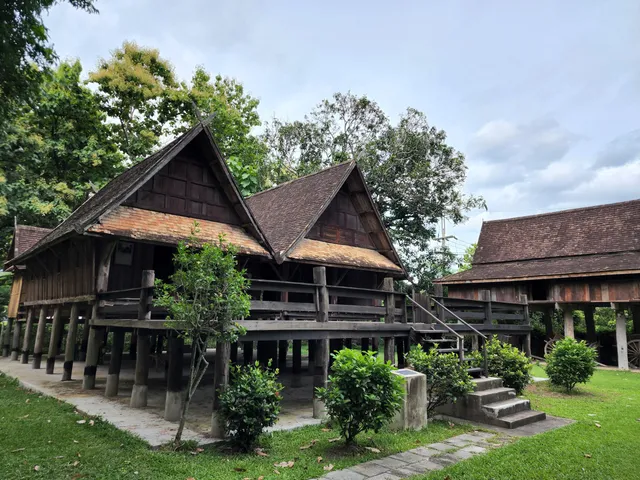
Lanna Traditional House Museum
4.6
(286)
Open until 12:00 AM
Click for details
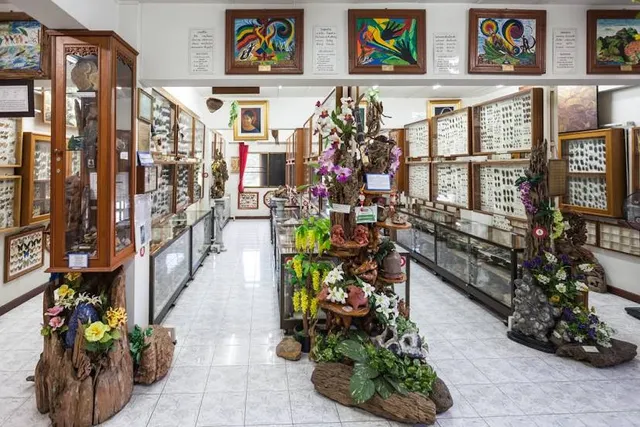
Museum of World Insects and Natural Wonders
4.4
(292)
Closed
Click for details
Nearby restaurants of Wat Suan Dok
The Barn Eatery And Design
Pun Pun Vegetarian Slow Food
Thyme Time
Ming Kwan Vegetarian Food
Onuma Green Rabb กาแฟและอาหาร ย่านสวนดอก เชียงใหม่
Thin Thin Pizza
บ้านมะพร้าว สวนดอก (ถนนสวนดอก) - SDCoconut Smoothies SUANDOK
Beats Cafe and Bar
Mu´s Katsu Gyuu
Bay Day
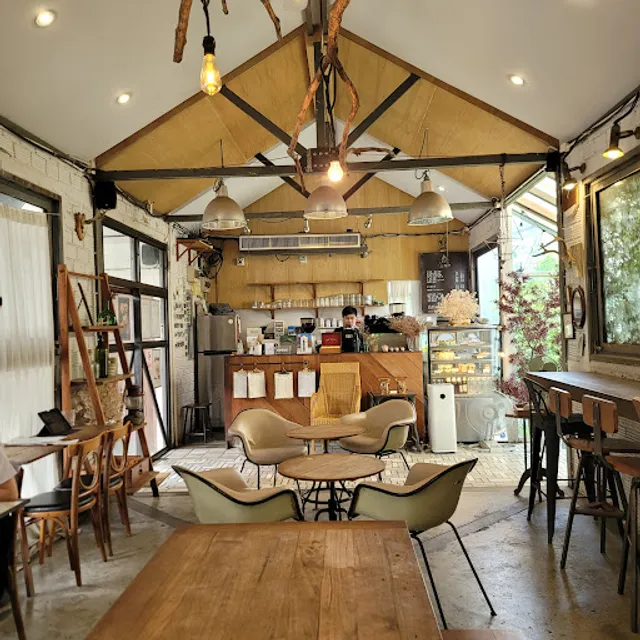
The Barn Eatery And Design
4.4
(294)
Open until 11:00 PM
Click for details
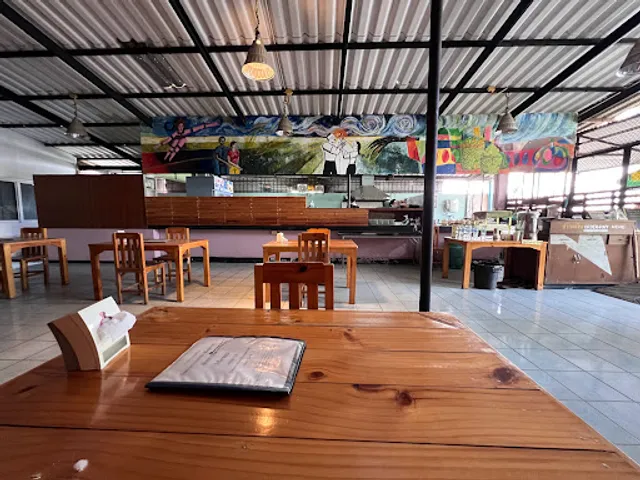
Pun Pun Vegetarian Slow Food
4.4
(136)
Click for details
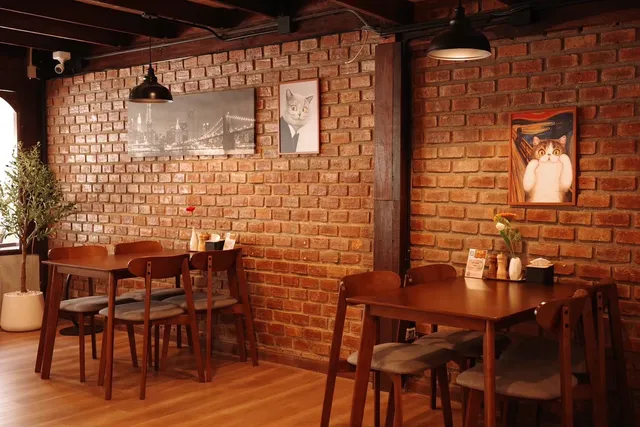
Thyme Time
4.8
(101)
Open until 12:00 AM
Click for details
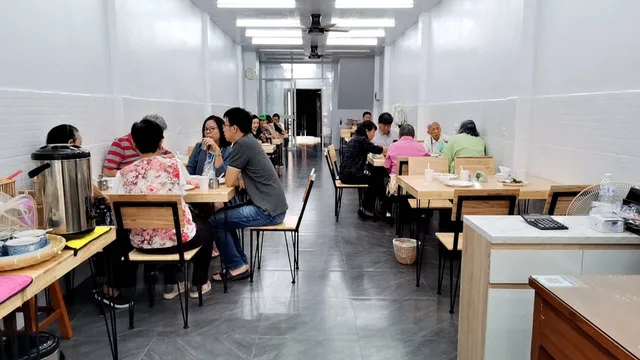
Ming Kwan Vegetarian Food
4.7
(126)
Open until 8:30 PM
Click for details
Nearby local services of Wat Suan Dok
MONK CHAT OFFICE
Prajao Kao Tue (Perhaps the most beautiful Lanna Buddha image) พระเจ้าเก้าตื้อ
Tops daily Suandok Park Chaing Mai
Ton Phayom Fresh Market
The Greenhouses
Crown Massage
SALON DE YIM (ซาลอน เดอ ยิ้ม)
Baan 39 Apartment
Chanya Massage Traditional Thai
Wat Nang Tra
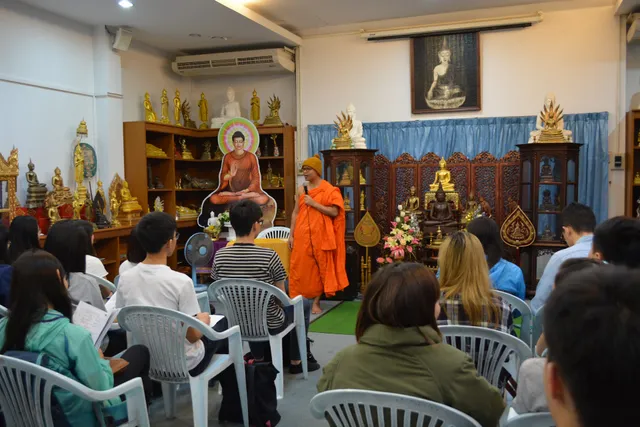
MONK CHAT OFFICE
4.9
(104)
Click for details
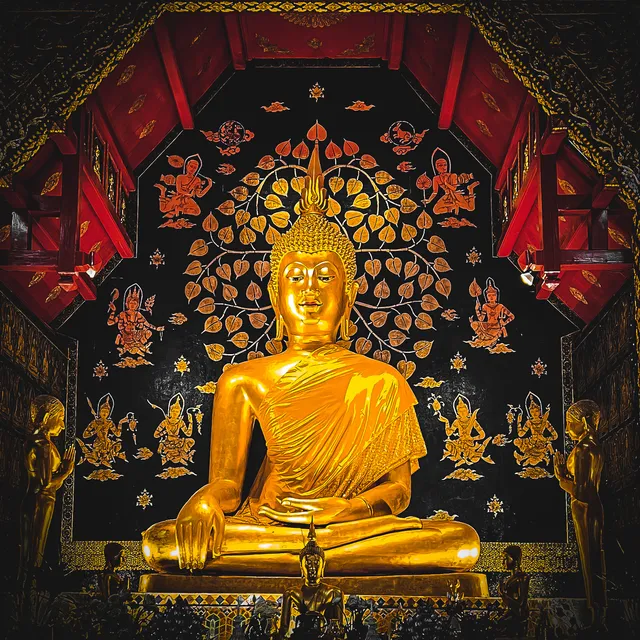
Prajao Kao Tue (Perhaps the most beautiful Lanna Buddha image) พระเจ้าเก้าตื้อ
4.9
(19)
Click for details

Tops daily Suandok Park Chaing Mai
3.3
(74)
Click for details
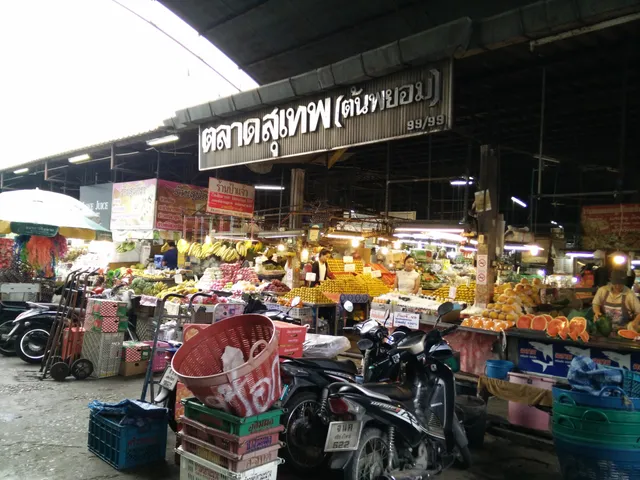
Ton Phayom Fresh Market
4.2
(1.4K)
Click for details