Exploring the River Khwae Bridge: A Journey Through History and Scenic Beauty
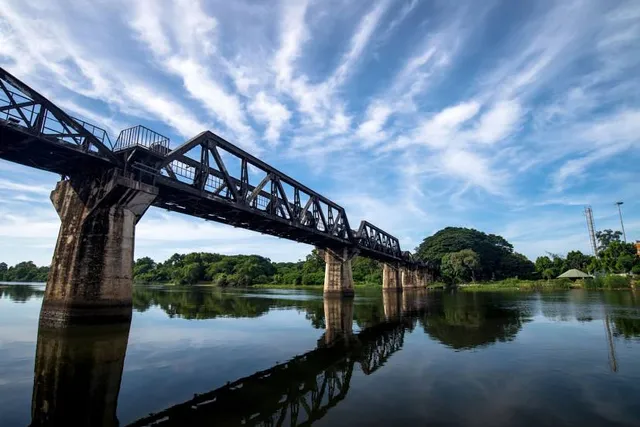
Nestled in the heart of Kanchanaburi, Thailand, the River Khwae Bridge stands as a poignant reminder of history, resilience, and the indomitable human spirit. This iconic structure, also known as the Bridge on the River Kwai, offers visitors a unique blend of historical significance, breathtaking landscapes, and a deep sense of reverence. Whether you're a history buff, a nature enthusiast, or simply seeking a meaningful travel experience, the River Khwae Bridge is a must-visit destination. Here's an in-depth review to help you make the most of your visit.
Historical Significance
The River Khwae Bridge is famously associated with the Burma Railway, often referred to as the Death Railway, built during World War II. Constructed by Allied prisoners of war and Asian laborers under harsh conditions, the bridge symbolizes the immense suffering endured by those who worked on it. The adjacent JEATH War Museum and the Thailand-Burma Railway Centre provide a comprehensive glimpse into this dark chapter of history, with poignant exhibits, photographs, and personal accounts. Walking across the bridge, one cannot help but feel a profound sense of respect for the lives lost and the resilience of the human spirit.
Scenic Beauty
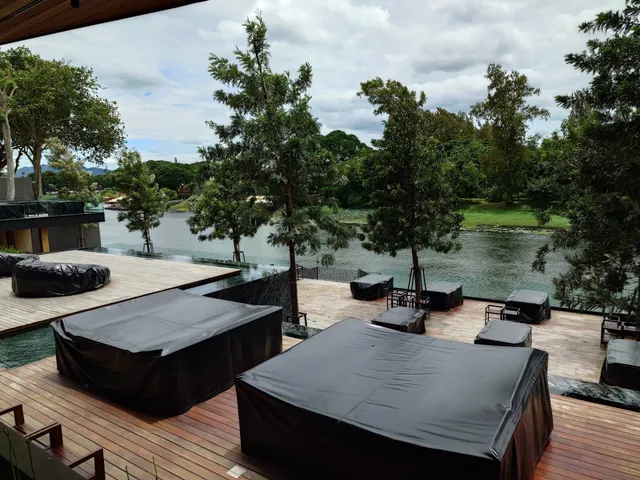
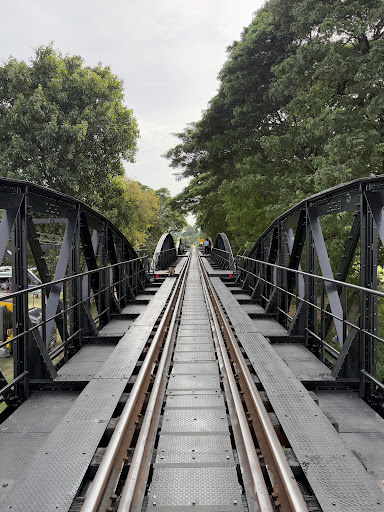
Beyond its historical importance, the River Khwae Bridge offers stunning scenic beauty that captivates visitors. The bridge spans the picturesque Khwae Yai River, with lush greenery and rolling hills serving as a backdrop. The tranquil waters reflect the serene surroundings, creating a peaceful atmosphere perfect for reflection and contemplation. Don't forget to bring your camera, as the bridge and its surroundings provide numerous photo opportunities, especially during sunrise and sunset when the play of light creates a magical ambiance.
Activities and Attractions
There are plenty of activities and attractions in and around the River Khwae Bridge to keep you engaged:
Train Ride on the Death Railway: One of the highlights is taking a ride on the historic Death Railway. The train journey offers spectacular views of the countryside and a firsthand experience of traveling along this historic route.
Boat Tours: Explore the river's beauty from a different perspective with a boat tour. These tours often include stops at nearby attractions such as the Sai Yok Noi Waterfall and various caves.
Hellfire Pass Memorial Museum: A short drive from the bridge, this museum and walking trail commemorate another significant part of the Death Railway. The Hellfire Pass, a cutting through the mountains, was one of the most grueling sections to construct.
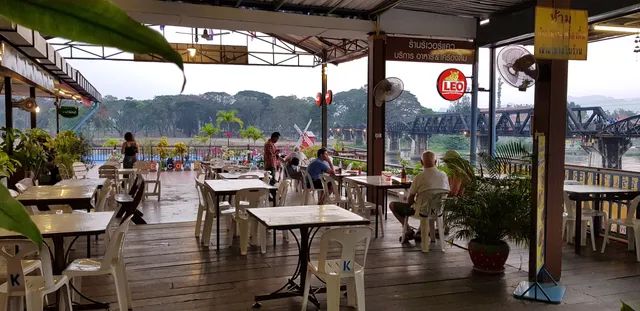
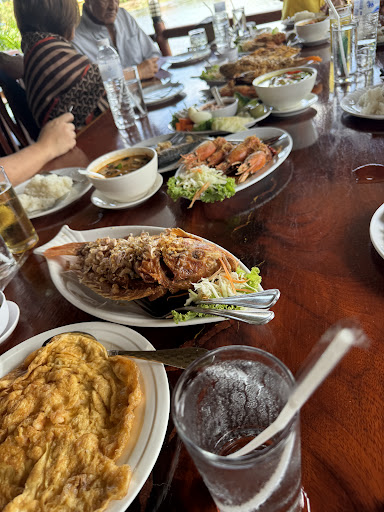
Local Markets and Shops: Stroll through the local markets and shops near the bridge. Here, you can find unique souvenirs, handicrafts, and delicious Thai street food.
Practical Tips
Best Time to Visit: The best time to visit the River Khwae Bridge is during the cooler months from November to February. The weather is more pleasant, making it ideal for exploring the area. Getting There: Kanchanaburi is easily accessible from Bangkok by bus, train, or car. The journey takes around 2-3 hours, making it a convenient day trip or weekend getaway. Accommodation: There are numerous accommodation options ranging from budget hostels to luxury resorts in Kanchanaburi. Staying overnight allows you to fully immerse yourself in the area's beauty and history. Guided Tours: Consider joining a guided tour to gain deeper insights into the history and significance of the bridge and surrounding...
Read moreI would definitely recommend coming here, not just because of the bridge, the museums and memorials nearby, and because it is a place rich in history. There are so many nice things to see around, not just sad things: Buddha statues, small local vendors nearby selling snacks, drinks, jewellery... you can get here by speedboat.
If you're a photographer, it's a good idea to get there before sunrise or sunset, during the golden hour, for stunning pictures with the sun reflected in the river... the atmosphere was magical then.
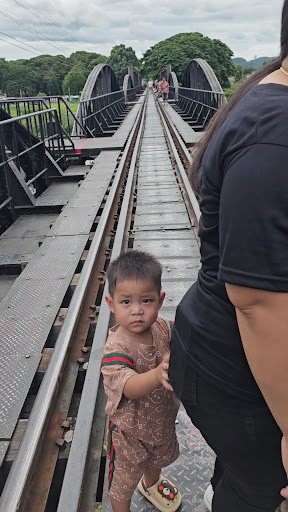
Nowadays it is a popular tourist spot, with crowds of people taking pictures on the tracks.
We were there in November when it was repainted from the brick colour to black. The area is well maintained and clean.
You can walk on the tracks from one side of the bridge to the other.
The bridge gained worldwide fame through the 1957 film "The Bridge on the River Kwai", a classic war film depicting the construction of the bridge.
You can also watch the train approach from the other side of the river at certain times each day, although you may need to check the time before you go. There are also places along the bridge where you can stand as the train passes, but it can be quite noisy. The train travels very slowly to accommodate tourists. Visitors can even take a scenic train ride across the bridge, there is a train station on one side of the bridge.
The first bridge was a temporary wooden structure completed in early 1943, followed a few months later by a more permanent steel bridge. The current steel bridge was badly damaged by Allied bombing in 1945. It was repaired after the war and is still in use today. It is located in the same general area as the original wooden bridge and spans the Khwae Yai River.
While some believe that the current bridge is not in the exact location of the original wooden bridge, it is actually slightly downstream from the original site. However, there are no specific markers or signs that clearly indicate the original location of the bridge. The river itself may have changed course over time, further obscuring the original location.
The bridge is a poignant reminder of the immense suffering endured by those who built it. It was part of the 415 kilometre Death Railway built by Allied prisoners of war and Asian labourers under brutal conditions imposed by the Japanese military to support their forces in Burma during the Second World War. Many lives were lost due to harsh working conditions, malnutrition and disease.
During the construction of the Burma Railway, an estimated 13,000 Allied prisoners of war died.80,000 to 100,000 civilian labourers also died.
The prisoners camp on the other side of the bridge is well...
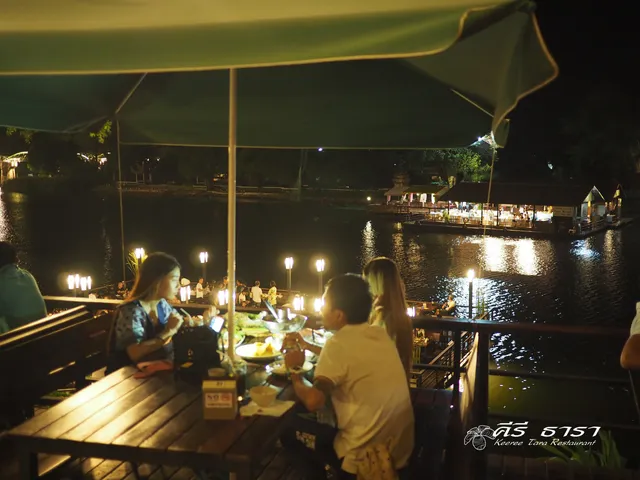
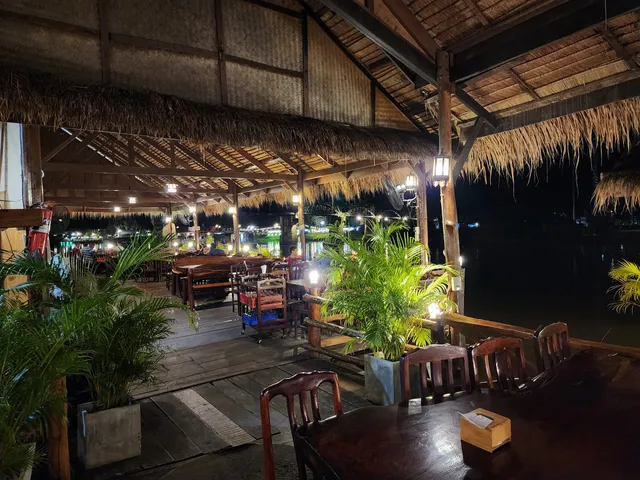
Read moreLocated at River Kwai Road, Mueang Kanchanaburi District, Kanchanaburi, Thailand 🇹🇭. This is a MUST visit when on holiday in Thailand. I highly recommend before coming to the bridge, you first visit the Thailand-Burma Railway Centre to get a better understanding and experience. You can also visit the cemetery across the road from the museum where approximately 7,000 of the POW’s who built the railway and bridge are buried. It’s very close to the bridge. The River Kwai Bridge is a historic landmark. It was built by prisoners of war during World War II. Today, it’s a major tourist attraction in Thailand but it’s beginning was fraught with death, brutality and pain. Japan 🇯🇵 made its POW’s build the railway from Ban Pong, Thailand 🇹🇭 to Thanbyuzayat, Burma 🇲🇲. It’s now known as the Death Railway. Besides using POW’s, the Japanese also used Asian Slave Labourers. The Japanese were very brutal to their POW’s so these people were building this railway and the River Kwai Bridge under unbelievable conditions. I think visiting this landmark is a way to pay respect to these people. Allied forces bombed the Kwai River Bridge in 1944. Three sections of it were destroyed. The present bridge has two of its central spans rebuilt. The original parts of the bridge are now displayed in the War Museum. The River Kwai Bridge became famous all over the world when it was featured in movies and books. Today the bridge is a tourist attraction, the track has been developed into a walkway with side platforms. This allows crossing the bridge on foot. A small tourist train runs back and forth over the train. There’s restaurants and small market stalls near the bridge also for tourists to have something to eat and maybe get a souvenir. This deeply moving place is highly recommended....
Read more