Wat Phra Si Sanphet things to do, attractions, restaurants, events info and trip planning
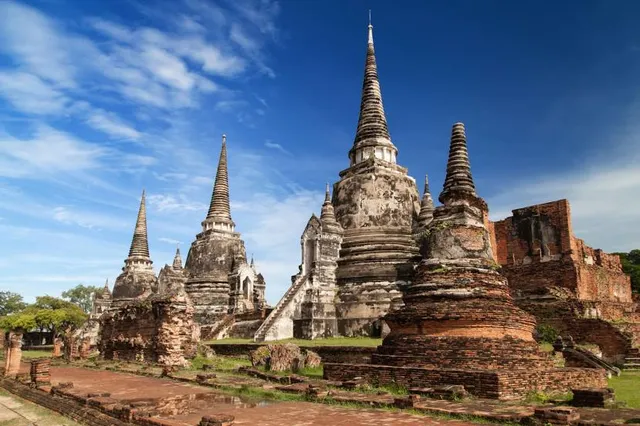
Basic Info
Wat Phra Si Sanphet
Pratu Chai Sub-district, Phra Nakhon Si Ayutthaya District, Phra Nakhon Si Ayutthaya 13000, Thailand
4.7(5.5K)
Closed


tickets
Save
spot
spot
Ratings & Description
Info
Wat Phra Si Sanphet was the holiest temple on the site of the old Royal Palace in Thailand's ancient capital of Ayutthaya until the city was completely destroyed by the Burmese in 1767, during the Burmese–Siamese War.
Cultural
Family friendly
attractions: Ayutthaya Elephant Palace & Royal Kraal, Wat Phra Ram, Ayutthaya Royal Palace, Chao Sam Phraya National Museum, Sanphet Maha Prasat Throne Hall, Bueng Phra Ram Park, Wat Choeng Tha, Suriya Sat Amarin Throne Hall, Wat Langkha Khao, Pridi Banomyong Memorial, restaurants: Jekmee Old-fashioned Noodles, Cafe Baan Khon Suan & Rooms (บ้าน ฅน สวน คาเฟ่), ร้านอาหารริมคลอง ย่างเกาหลี อยุธยา, HOME thai grill and drink, White Elephant Coffee, Busaba Ayutthaya Cuisine, Baan Ton Sai, โกเจี๊ยบ อยุธยา GoJeab Ayutthaya, Lekha, ร้านอาหารลูกศิษย์เท้ง, local businesses: Wihan Phra Mongkhon Bophit, Wat Lokkayasutha, Wat Thammikarat, Ayutthaya Historical Park Office, Wat Tuek, Wat Warapho (Wat Wang Rakhang), Wat Worachettharam, Wat Na Phra Meru Rachikaram, Million Toy Museum, Wat Yan Sen
 Learn more insights from Wanderboat AI.
Open hoursSee all hours
Tue8 a.m. - 6:30 p.m.Closed
Plan your stay

Pet-friendly Hotels in Phra Nakhon Si Ayutthaya City Municipality
Find a cozy hotel nearby and make it a full experience.

Affordable Hotels in Phra Nakhon Si Ayutthaya City Municipality
Find a cozy hotel nearby and make it a full experience.

The Coolest Hotels You Haven't Heard Of (Yet)
Find a cozy hotel nearby and make it a full experience.

Trending Stays Worth the Hype in Phra Nakhon Si Ayutthaya City Municipality
Find a cozy hotel nearby and make it a full experience.
Reviews
Nearby attractions of Wat Phra Si Sanphet
Ayutthaya Elephant Palace & Royal Kraal
Wat Phra Ram
Ayutthaya Royal Palace
Chao Sam Phraya National Museum
Sanphet Maha Prasat Throne Hall
Bueng Phra Ram Park
Wat Choeng Tha
Suriya Sat Amarin Throne Hall
Wat Langkha Khao
Pridi Banomyong Memorial
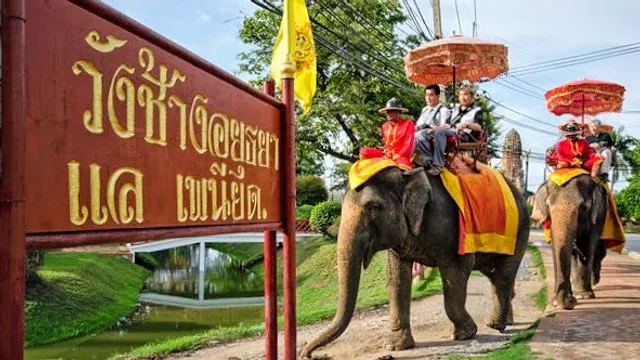
Ayutthaya Elephant Palace & Royal Kraal
3.8
(3K)
Closed
Click for details
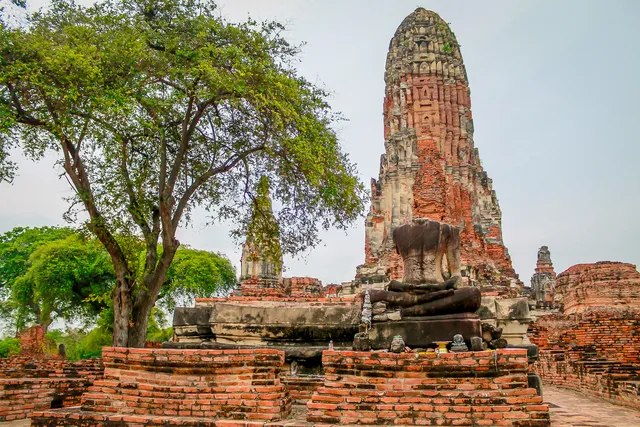
Wat Phra Ram
4.6
(779)
Closed
Click for details
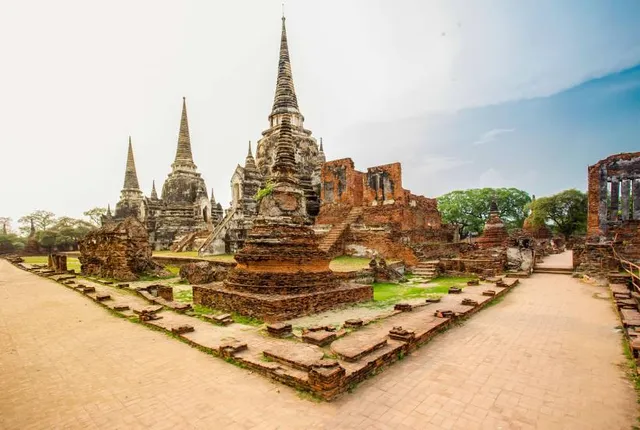
Ayutthaya Royal Palace
4.5
(153)
Closed
Click for details
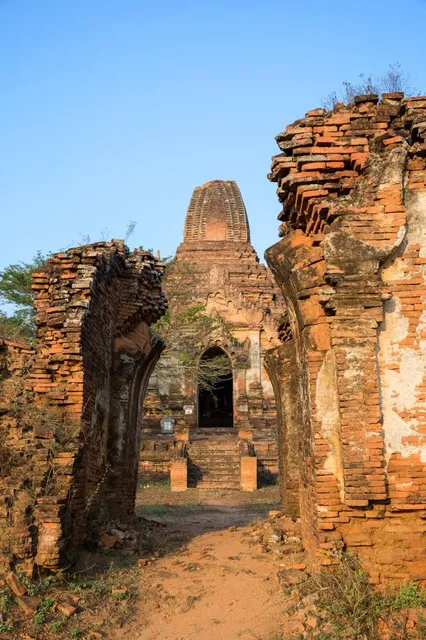
Chao Sam Phraya National Museum
4.6
(1.5K)
Open until 12:00 AM
Click for details
Nearby restaurants of Wat Phra Si Sanphet
Jekmee Old-fashioned Noodles
Cafe Baan Khon Suan & Rooms (บ้าน ฅน สวน คาเฟ่)
ร้านอาหารริมคลอง ย่างเกาหลี อยุธยา
HOME thai grill and drink
White Elephant Coffee
Busaba Ayutthaya Cuisine
Baan Ton Sai
โกเจี๊ยบ อยุธยา GoJeab Ayutthaya
Lekha
ร้านอาหารลูกศิษย์เท้ง
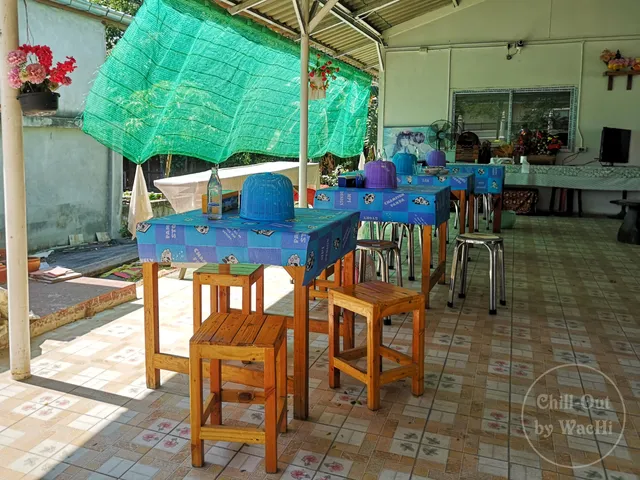
Jekmee Old-fashioned Noodles
5.0
(247)
Closed
Click for details
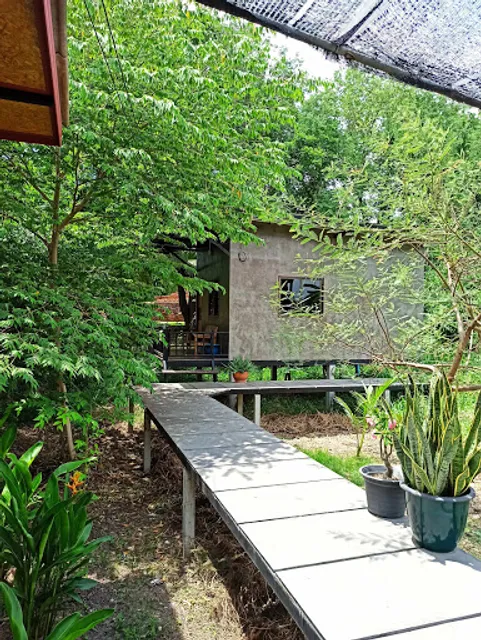
Cafe Baan Khon Suan & Rooms (บ้าน ฅน สวน คาเฟ่)
4.9
(80)
Closed
Click for details
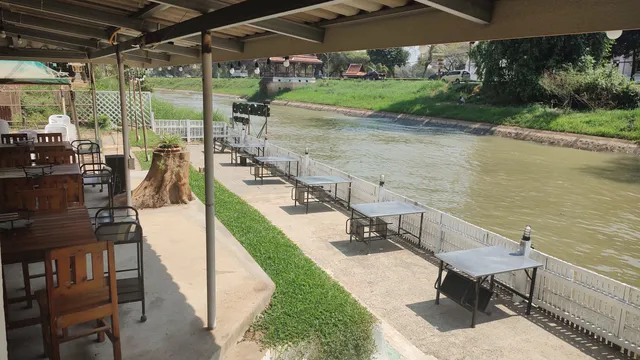
ร้านอาหารริมคลอง ย่างเกาหลี อยุธยา
4.1
(176)
$
Closed
Click for details

HOME thai grill and drink
4.9
(81)
Open until 12:00 AM
Click for details
Nearby local services of Wat Phra Si Sanphet
Wihan Phra Mongkhon Bophit
Wat Lokkayasutha
Wat Thammikarat
Ayutthaya Historical Park Office
Wat Tuek
Wat Warapho (Wat Wang Rakhang)
Wat Worachettharam
Wat Na Phra Meru Rachikaram
Million Toy Museum
Wat Yan Sen
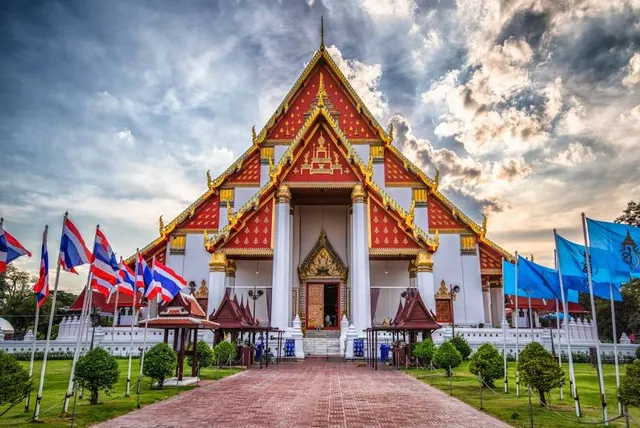
Wihan Phra Mongkhon Bophit
4.7
(2.1K)
Click for details
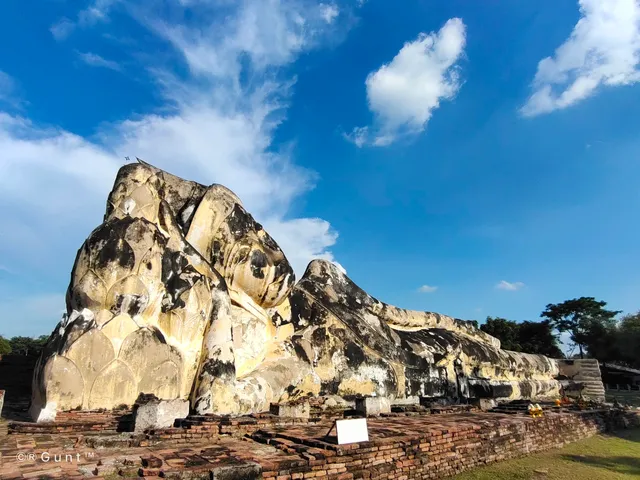
Wat Lokkayasutha
4.5
(2.5K)
Click for details
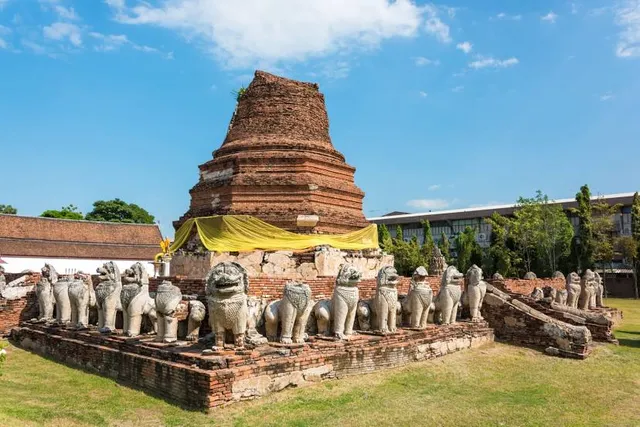
Wat Thammikarat
4.6
(1.1K)
Click for details
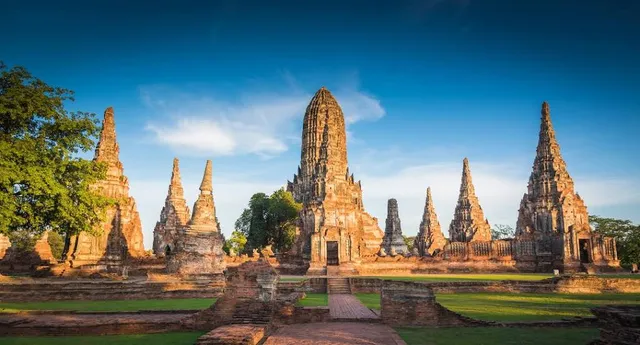
Ayutthaya Historical Park Office
4.6
(2.1K)
Click for details





