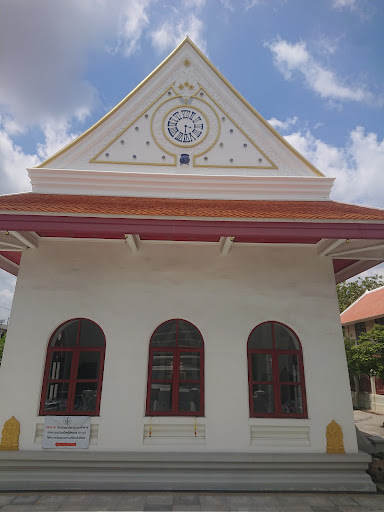
Wat Rajphatikaram things to do, attractions, restaurants, events info and trip planning
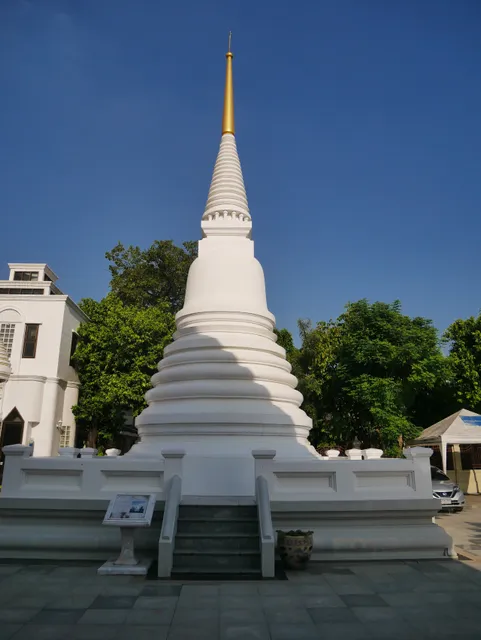
Basic Info
Wat Rajphatikaram
147 Ratchawithi Rd, Wachira Phayaban, Dusit District, Bangkok 10300, Thailand
4.6(99)
Closed
Save
spot
spot
Ratings & Description
Info
Cultural
attractions: Museum of Maha Rachanuson Rama IV, Sai Suddha Nobhadol Building, Thai Newspaper Museum, Golden Teak Museum, Office of National Museums, restaurants: Chon Thai Restaurant, KubKao' KubPla Market Place Dusit, Bonchon, Baan Knot, Coffee on Tree : คอฟฟี่ ออน ทรี, ongkulcafe, The Pizza Company มาร์เก็ตเพลส ดุสิต, KFC Market Place Dusit, Suan Dusit Home Bakery, Krua Apsorn @Samsen, local businesses: Krung Thon Bridge (Sang Hi), Wat Rachathiwat, Wat Phakhininat Worawihan, Wat Bot Samsen, Wat Devaraj Kunchon, Sri Yan Market
 Learn more insights from Wanderboat AI.
Phone
+66 2 243 5322
Website
facebook.com
Open hoursSee all hours
Tue7 AM - 6 PMClosed
Plan your stay

Pet-friendly Hotels in Wachira Phayaban Subdistrict
Find a cozy hotel nearby and make it a full experience.

Affordable Hotels in Wachira Phayaban Subdistrict
Find a cozy hotel nearby and make it a full experience.

The Coolest Hotels You Haven't Heard Of (Yet)
Find a cozy hotel nearby and make it a full experience.

Trending Stays Worth the Hype in Wachira Phayaban Subdistrict
Find a cozy hotel nearby and make it a full experience.
Reviews
Live events

Bangkok Backstreets Food Tour with 15-plus tasting
Tue, Feb 24 • 4:30 PM
Samphanthawong, Bangkok, 10100, Thailand
View details
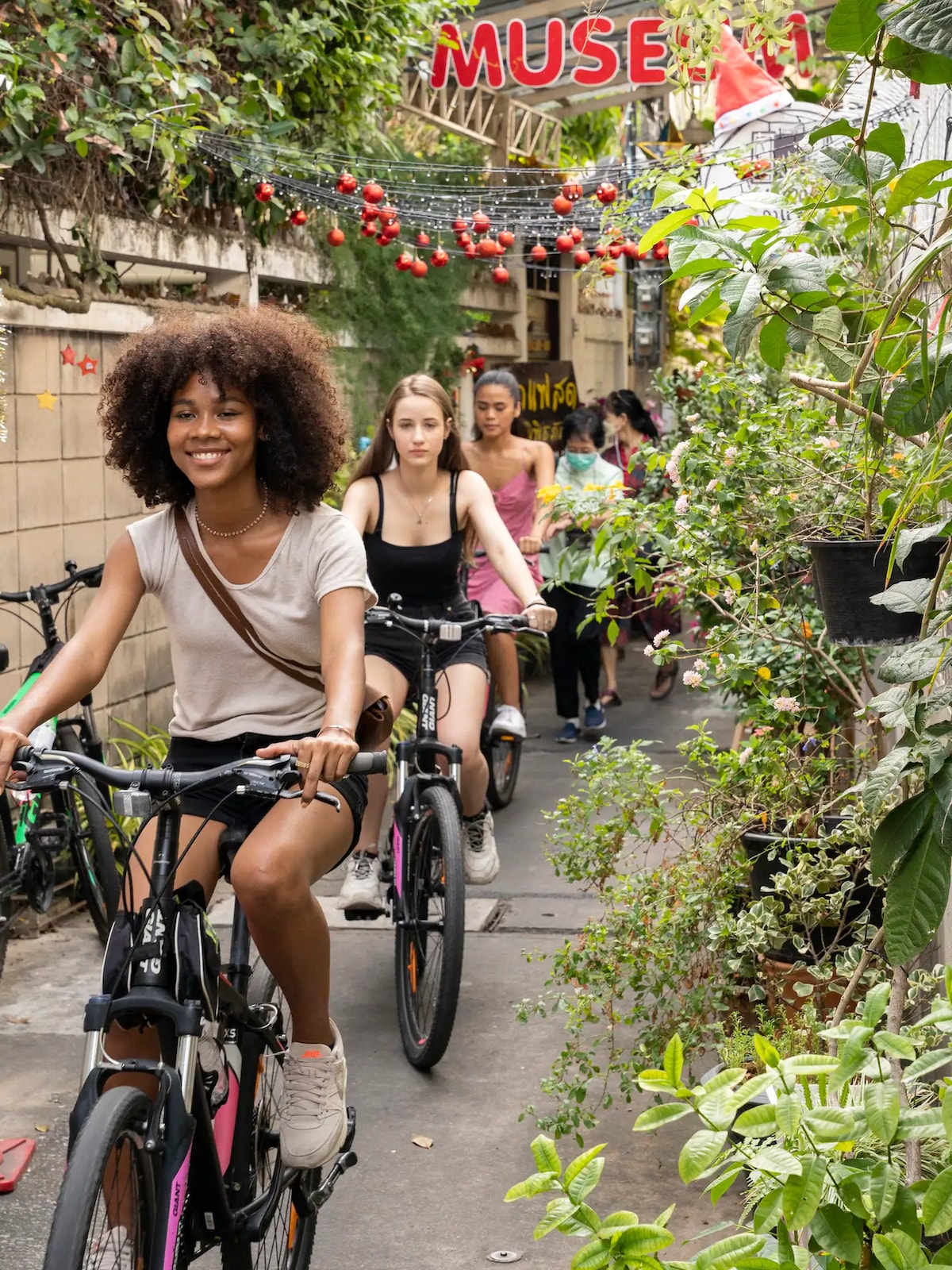
Must-Try: Hidden Bangkok Bike and Food tour
Tue, Feb 24 • 10:00 AM
Khlong San, Bangkok, 10600, Thailand
View details
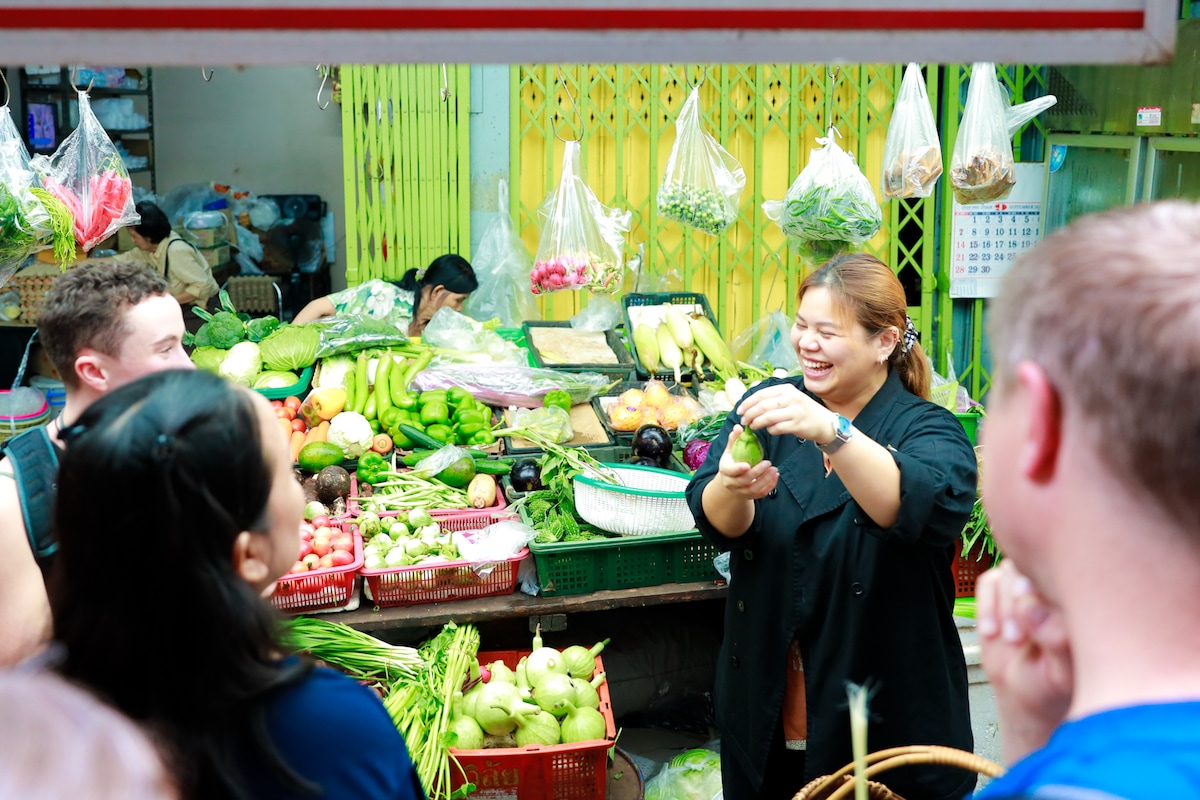
Hands-on Thai Cooking Class & Local Market Tour
Tue, Feb 24 • 8:30 AM
Khlong Toei, Bangkok, 10110, Thailand
View details
Nearby attractions of Wat Rajphatikaram
Museum of Maha Rachanuson Rama IV
Sai Suddha Nobhadol Building
Thai Newspaper Museum
Golden Teak Museum
Office of National Museums
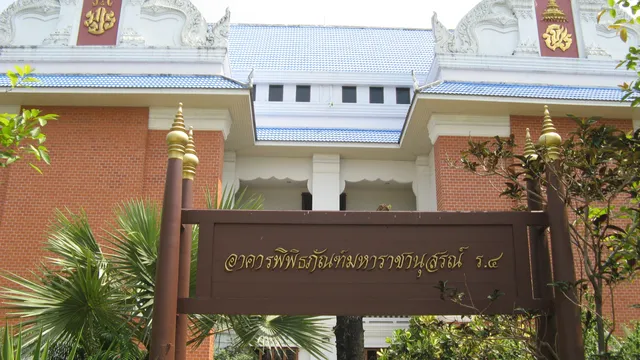
Museum of Maha Rachanuson Rama IV
4.6
(11)
Closed
Click for details
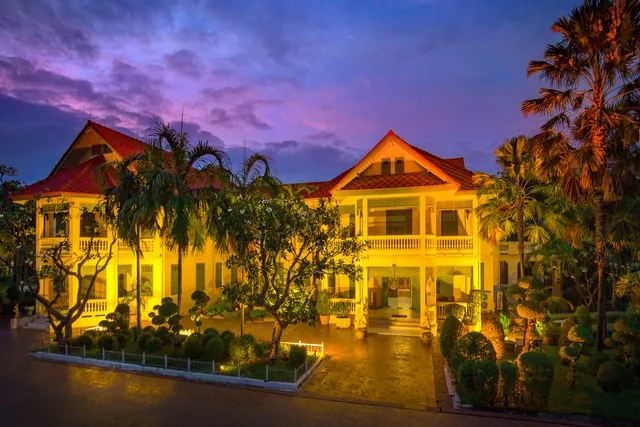
Sai Suddha Nobhadol Building
4.7
(18)
Closed
Click for details
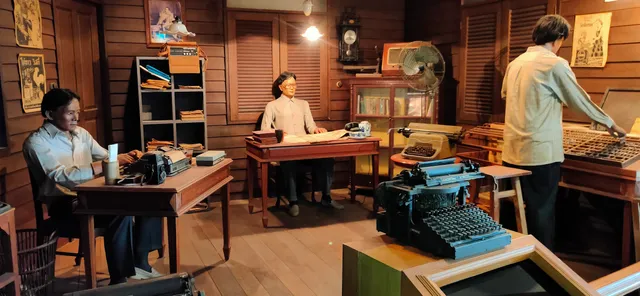
Thai Newspaper Museum
4.2
(9)
Open 24 hours
Click for details
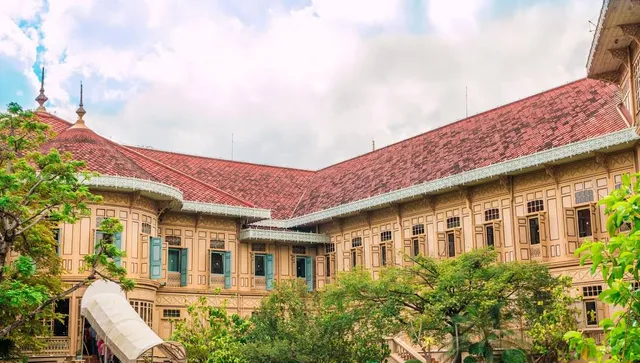
Golden Teak Museum
4.5
(57)
Closed
Click for details
Nearby restaurants of Wat Rajphatikaram
Chon Thai Restaurant
KubKao' KubPla Market Place Dusit
Bonchon
Baan Knot
Coffee on Tree : คอฟฟี่ ออน ทรี
ongkulcafe
The Pizza Company มาร์เก็ตเพลส ดุสิต
KFC Market Place Dusit
Suan Dusit Home Bakery
Krua Apsorn @Samsen
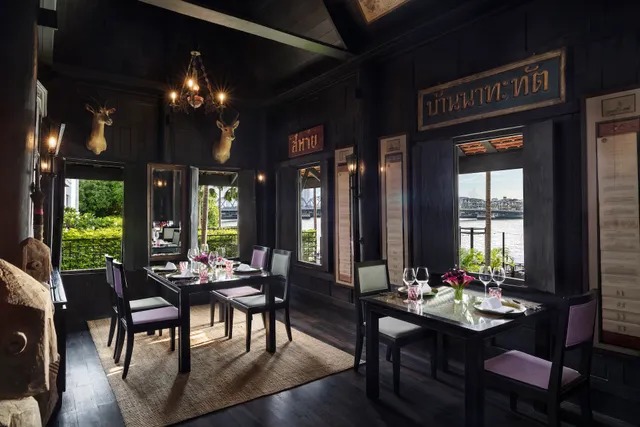
Chon Thai Restaurant
4.5
(100)
Open until 11:00 PM
Click for details
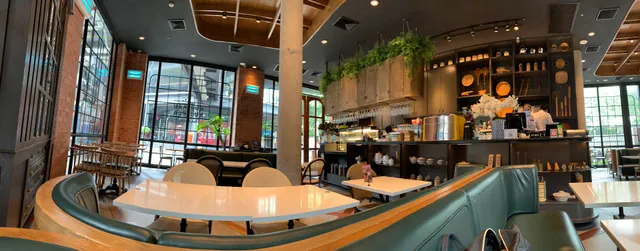
KubKao' KubPla Market Place Dusit
4.3
(97)
Closed
Click for details
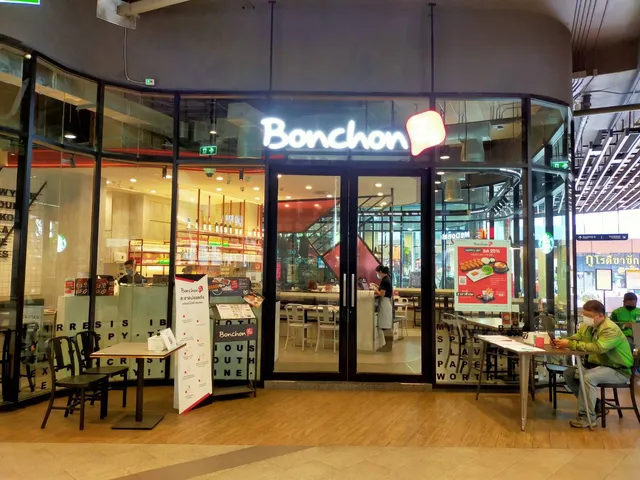
Bonchon
4.2
(77)
$$
Closed
Click for details
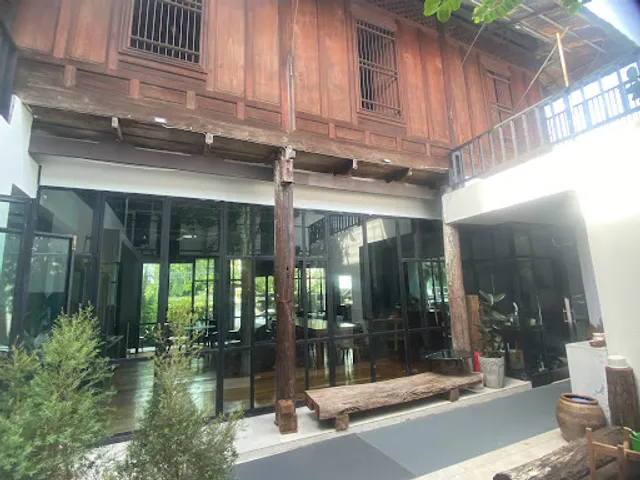
Baan Knot
5.0
(48)
Open until 12:00 AM
Click for details
Nearby local services of Wat Rajphatikaram
Krung Thon Bridge (Sang Hi)
Wat Rachathiwat
Wat Phakhininat Worawihan
Wat Bot Samsen
Wat Devaraj Kunchon
Sri Yan Market
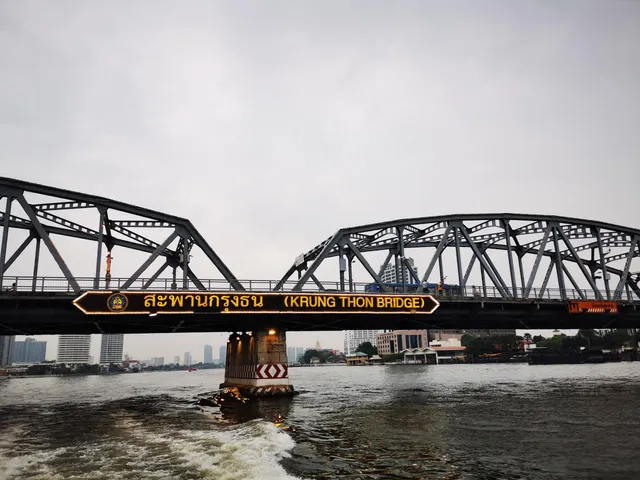
Krung Thon Bridge (Sang Hi)
4.6
(199)
Click for details
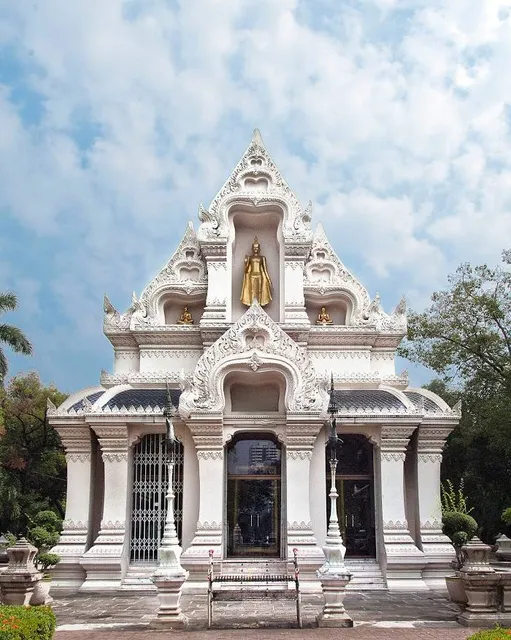
Wat Rachathiwat
4.6
(315)
Click for details
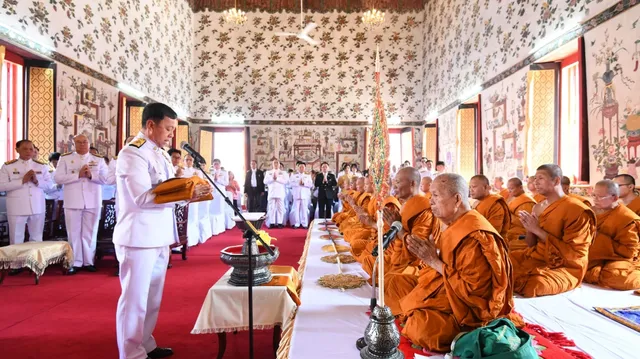
Wat Phakhininat Worawihan
4.3
(138)
Click for details
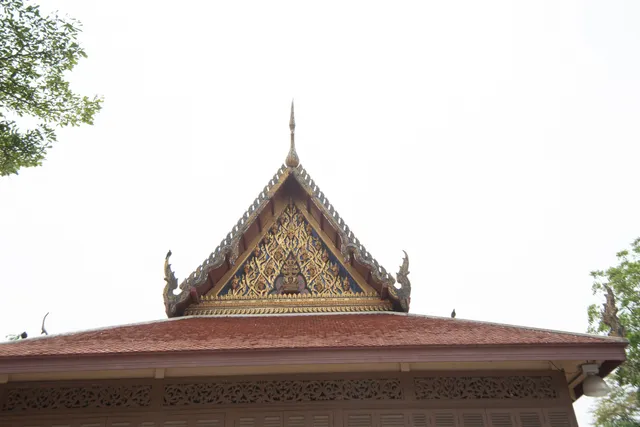
Wat Bot Samsen
4.6
(46)
Click for details