Damlataş Cave things to do, attractions, restaurants, events info and trip planning
Basic Info
Damlataş Cave
Çarşı, Damlataş Cd. No:81, 07400 Alanya/Antalya, Türkiye
4.2(10.3K)
Closed
Save
spot
spot
Ratings & Description
Info
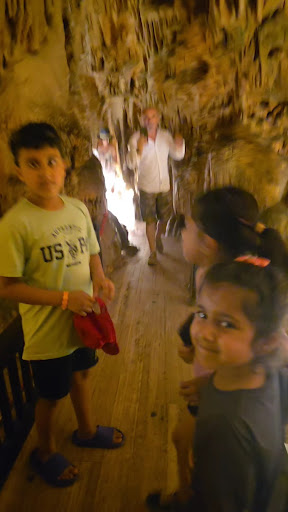
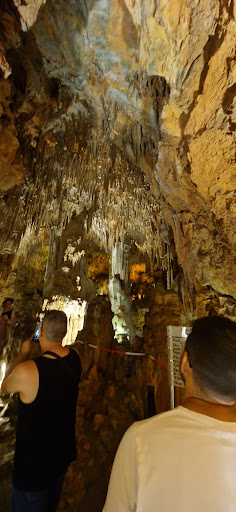
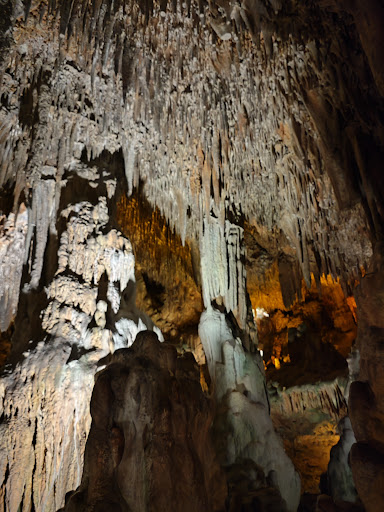
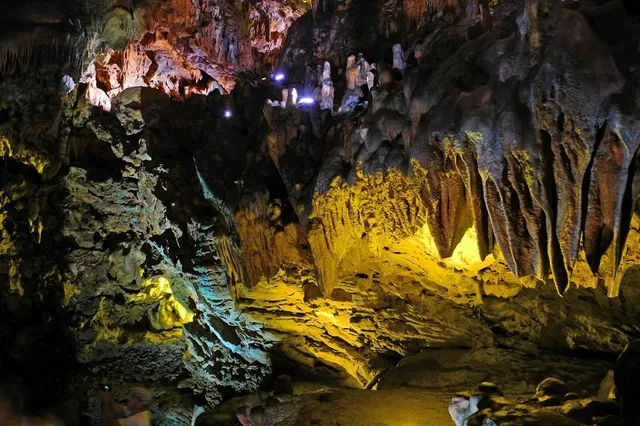
Damlataş Cave is a cave in Alanya district of Antalya Province, in southern Turkey.
Outdoor
Accessibility
attractions: Alanya Belediyesi 100. Yıl Atatürk Parkı, Alanya Archaeological Museum, Alanya AQUAPARK, Ehmedek Kalesi, alanya Castle, Suleymaniye Mosque, Alanya Süleymaniye Camii, Hasanağalar Konağı Alanya Belediyesi, قلعة الانيا, Alanya Castle, restaurants: Le Chevy Restaurant, Sherlock Holmes Restaurant Cafe Bar Alanya Turkey, Elite Restoran, Istanbul Cafe Restaurant, Cozy Alanya, Mystery Steak House Restaurant, hasır restaurant bar, Cadde Balık Restaurant, Rami Restoran, Mezze Grill Restaurant & Ocakbasi, local businesses: ALANYA TELEFERİK A.Ş., Cleopatra Bath, Damlatas Plaji, Huğlu Land and Sea Hunt Gallery, Friday’s farmers market, Friday Bazar, Pirates Of Alanya Boat, Большой Базар
 Learn more insights from Wanderboat AI.
Phone
+90 4448207
Website
kulturportali.gov.tr
Open hoursSee all hours
Tue9 AM - 7 PMClosed
Plan your stay

Pet-friendly Hotels in Alanya
Find a cozy hotel nearby and make it a full experience.

Affordable Hotels in Alanya
Find a cozy hotel nearby and make it a full experience.

The Coolest Hotels You Haven't Heard Of (Yet)
Find a cozy hotel nearby and make it a full experience.

Trending Stays Worth the Hype in Alanya
Find a cozy hotel nearby and make it a full experience.
Reviews
Live events
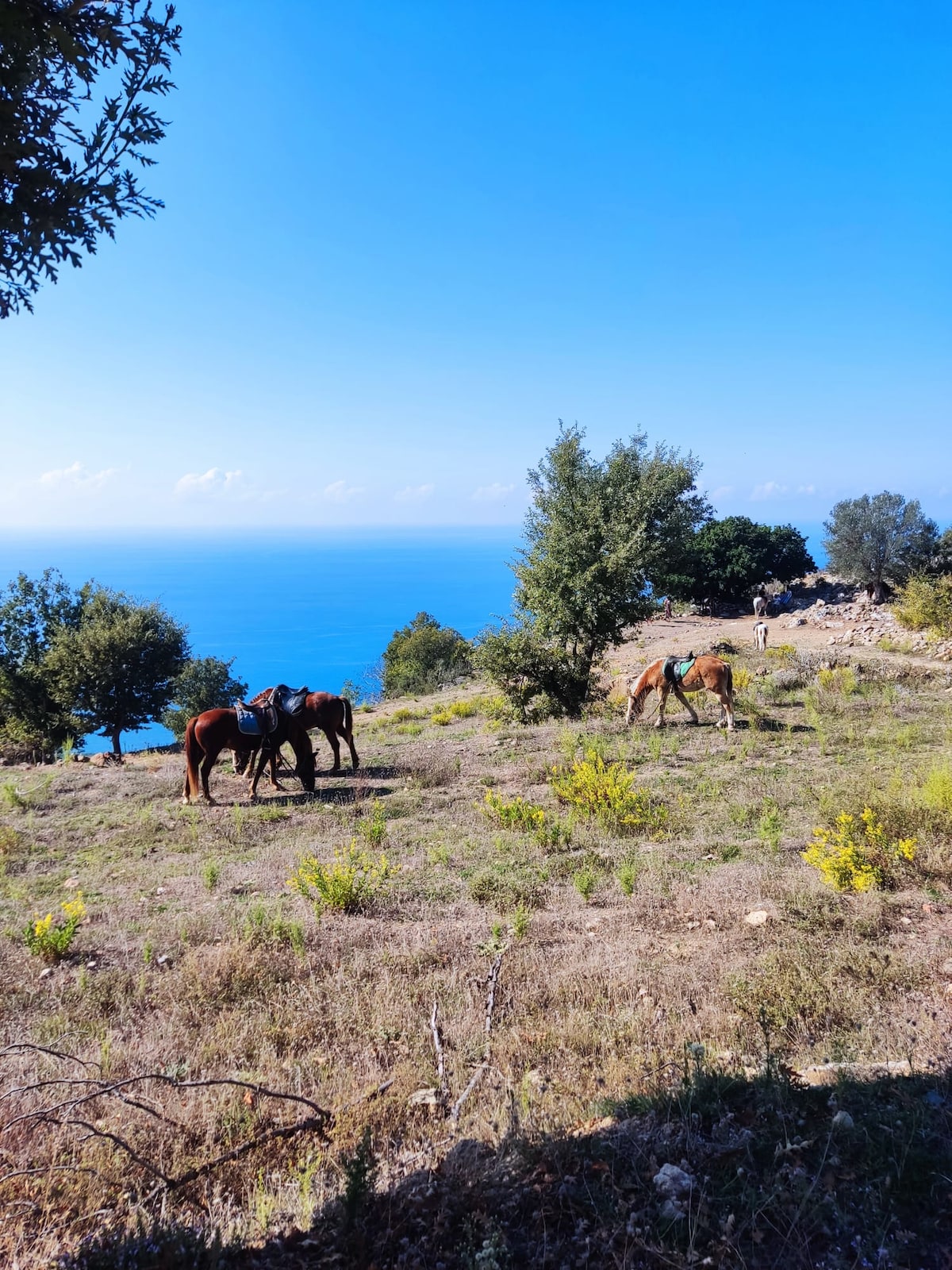
Ride through Alanyas landscapes
Tue, Feb 24 • 8:30 AM
07460, Alanya, Antalya, Turkey
View details
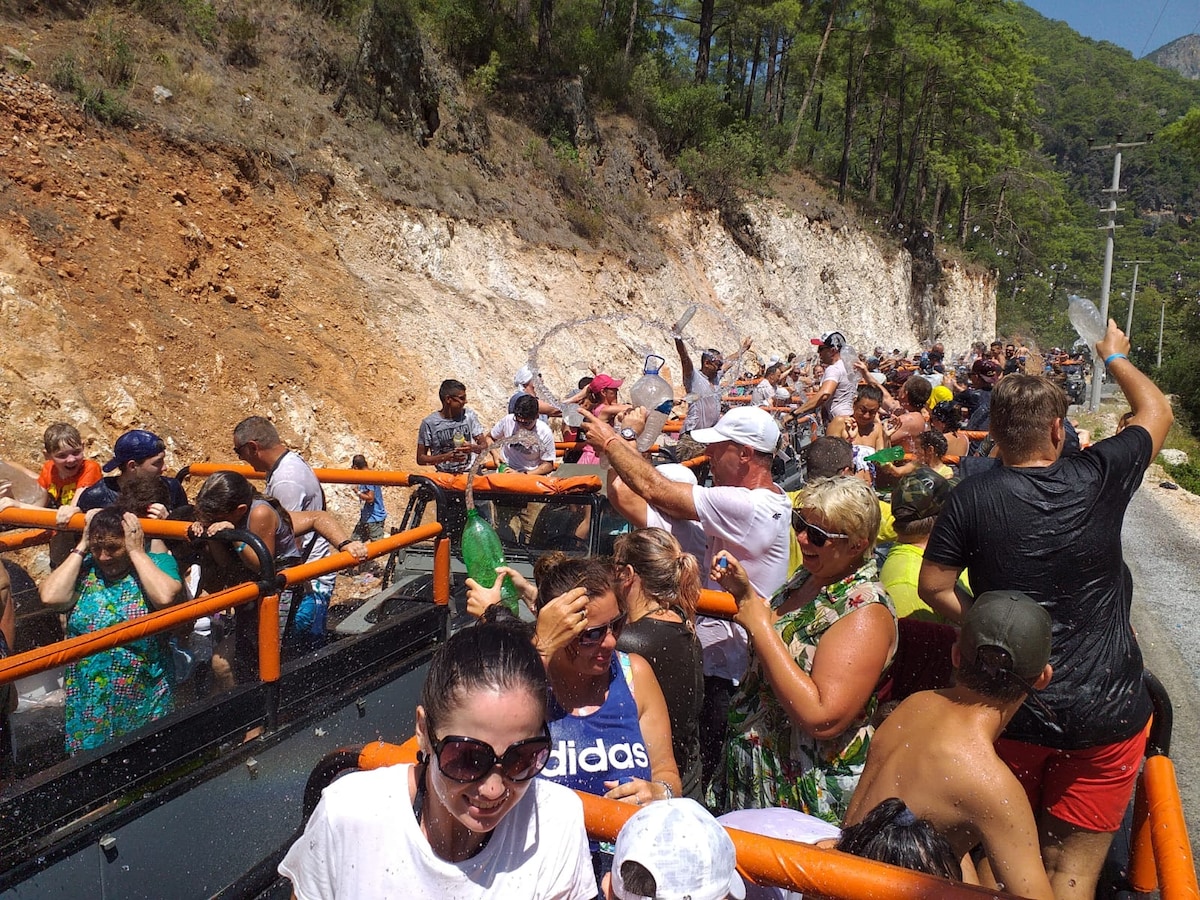
Alanya jeep safari and Dimçay river lunch
Tue, Feb 24 • 8:30 AM
07425, Alanya, Antalya, Turkey
View details
Nearby attractions of Damlataş Cave
Alanya Belediyesi 100. Yıl Atatürk Parkı
Alanya Archaeological Museum
Alanya AQUAPARK
Ehmedek Kalesi
alanya Castle
Suleymaniye Mosque
Alanya Süleymaniye Camii
Hasanağalar Konağı Alanya Belediyesi
قلعة الانيا
Alanya Castle
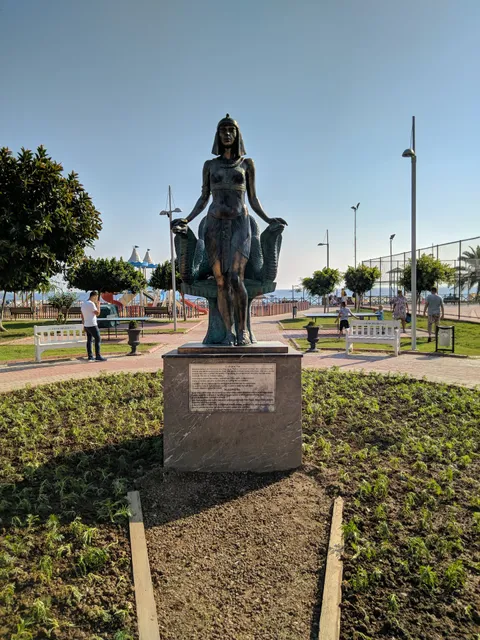
Alanya Belediyesi 100. Yıl Atatürk Parkı
4.7
(869)
Open until 12:00 AM
Click for details
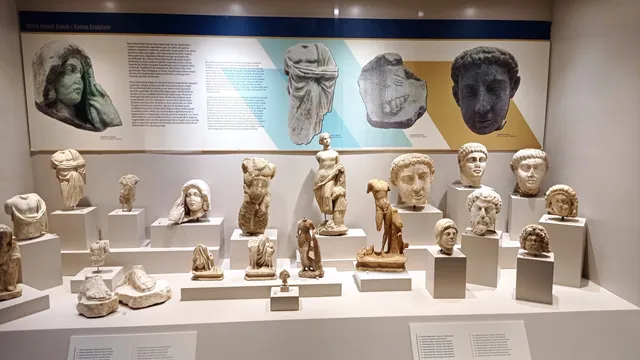
Alanya Archaeological Museum
4.6
(1.0K)
Closed
Click for details
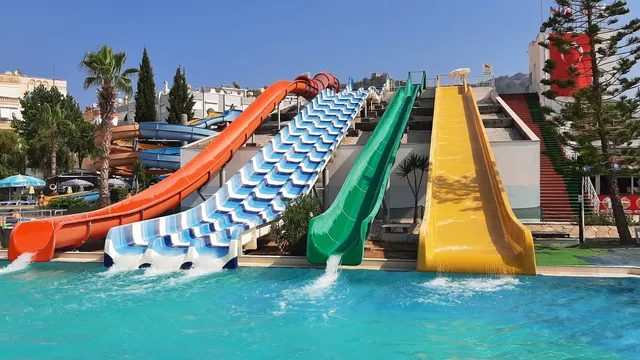
Alanya AQUAPARK
3.7
(1.2K)
Open 24 hours
Click for details
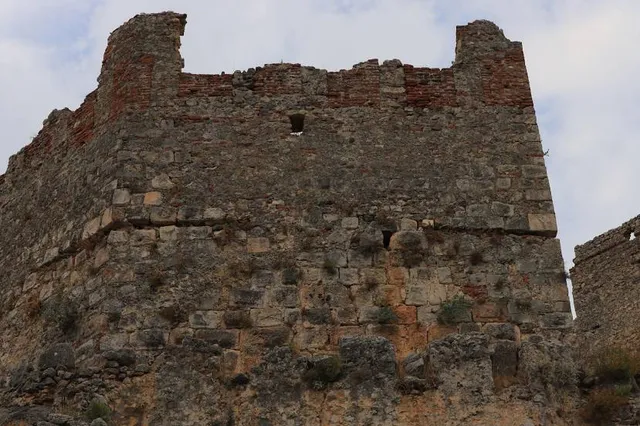
Ehmedek Kalesi
4.7
(720)
Closed
Click for details
Nearby restaurants of Damlataş Cave
Le Chevy Restaurant
Sherlock Holmes Restaurant Cafe Bar Alanya Turkey
Elite Restoran
Istanbul Cafe Restaurant
Cozy Alanya
Mystery Steak House Restaurant
hasır restaurant bar
Cadde Balık Restaurant
Rami Restoran
Mezze Grill Restaurant & Ocakbasi
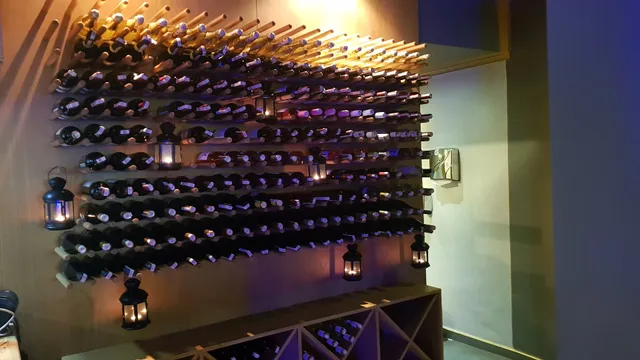
Le Chevy Restaurant
4.9
(1.4K)
Closed
Click for details
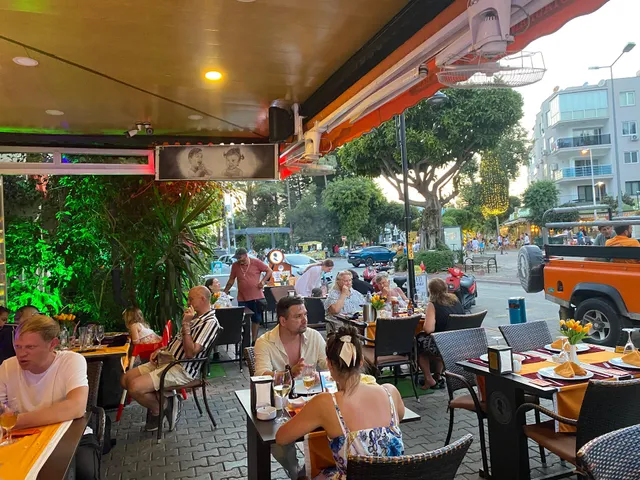
Sherlock Holmes Restaurant Cafe Bar Alanya Turkey
4.7
(503)
$$
Closed
Click for details

Elite Restoran
4.5
(778)
$$
Open until 2:30 AM
Click for details
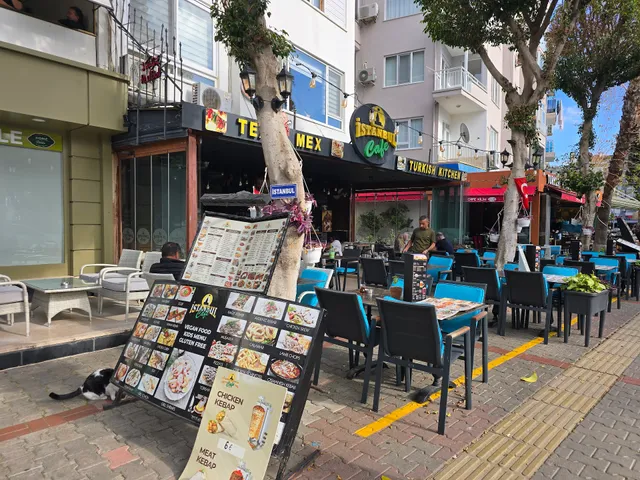
Istanbul Cafe Restaurant
4.3
(207)
Open until 12:00 AM
Click for details
Nearby local services of Damlataş Cave
ALANYA TELEFERİK A.Ş.
Cleopatra Bath
Damlatas Plaji
Huğlu Land and Sea Hunt Gallery
Friday’s farmers market
Friday Bazar
Pirates Of Alanya Boat
Большой Базар
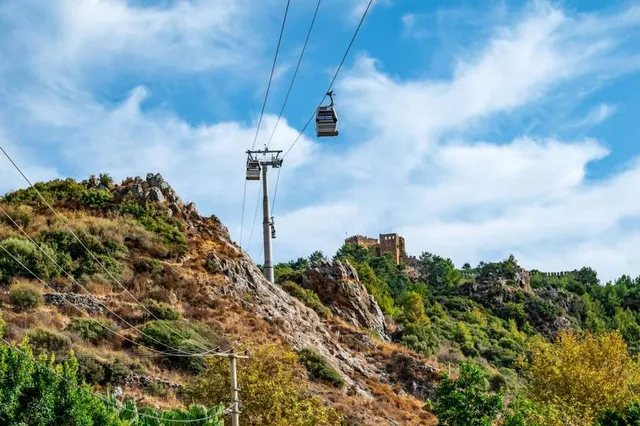
ALANYA TELEFERİK A.Ş.
4.5
(1.8K)
Click for details
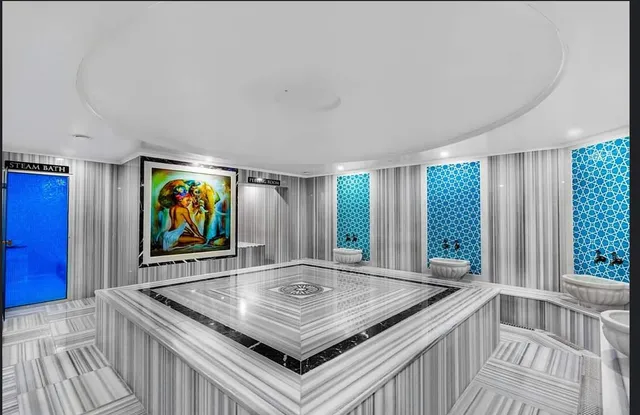
Cleopatra Bath
4.9
(425)
Click for details
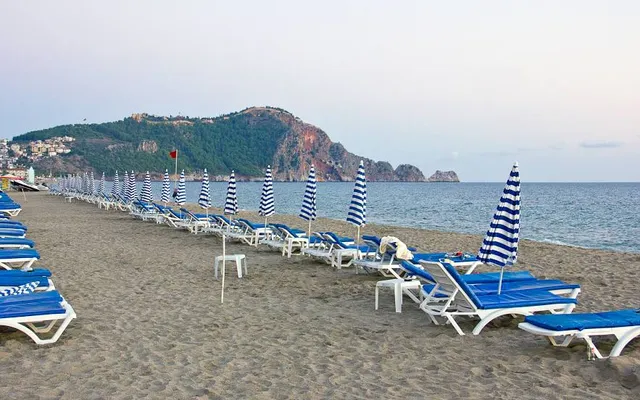
Damlatas Plaji
4.6
(344)
Click for details

Huğlu Land and Sea Hunt Gallery
4.6
(66)
Click for details