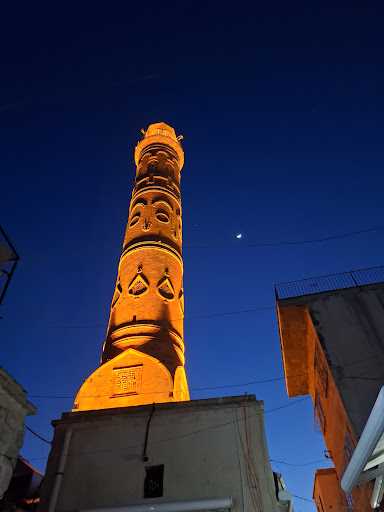
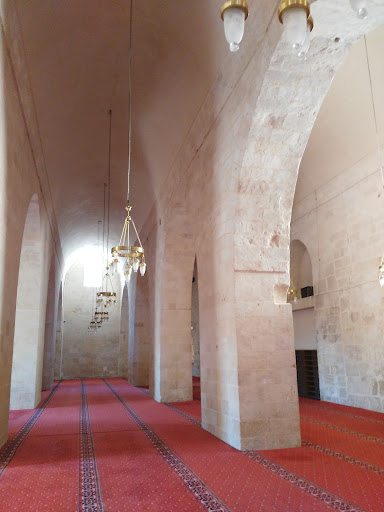
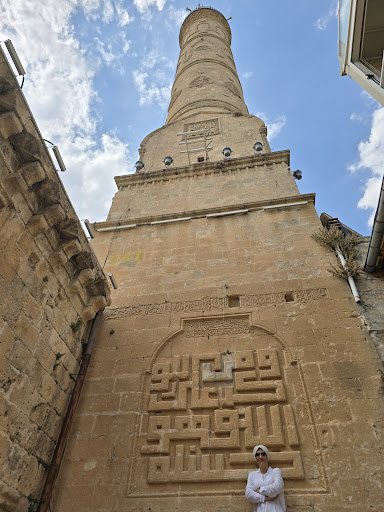
Mardin Ulu Camii things to do, attractions, restaurants, events info and trip planning
Basic Info
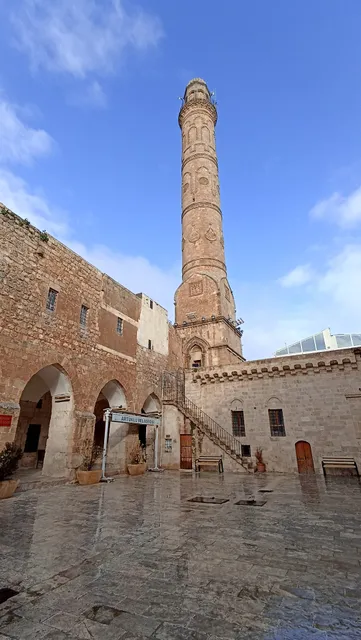
Mardin Ulu Camii
Ulucami, 47100 Artuklu/Mardin, Türkiye
4.8(1.2K)
Open 24 hours
Save
spot
spot
Ratings & Description
Info
Cultural
Family friendly
Accessibility
attractions: Old Mardin, Zinciriye Medresesi, Mardin Castle, Mardin Museum, Sakıp Sabancı Mardin Kent Müzesi, Forty Martyrs Church, Seyh Cabuk Mosque, Mardin Evleri, restaurants: Doboo restaurant, local businesses: Mardin Museum, OLD TOWN CAFE MARDİN, MAR HIRMIZ KELDANİ KİLİSESİ, Mardin PROTESTANT CHURCH
 Learn more insights from Wanderboat AI.
Plan your stay

Pet-friendly Hotels in Artuklu
Find a cozy hotel nearby and make it a full experience.

Affordable Hotels in Artuklu
Find a cozy hotel nearby and make it a full experience.

The Coolest Hotels You Haven't Heard Of (Yet)
Find a cozy hotel nearby and make it a full experience.

Trending Stays Worth the Hype in Artuklu
Find a cozy hotel nearby and make it a full experience.
Reviews
Nearby attractions of Mardin Ulu Camii
Old Mardin
Zinciriye Medresesi
Mardin Castle
Mardin Museum
Sakıp Sabancı Mardin Kent Müzesi
Forty Martyrs Church
Seyh Cabuk Mosque
Mardin Evleri
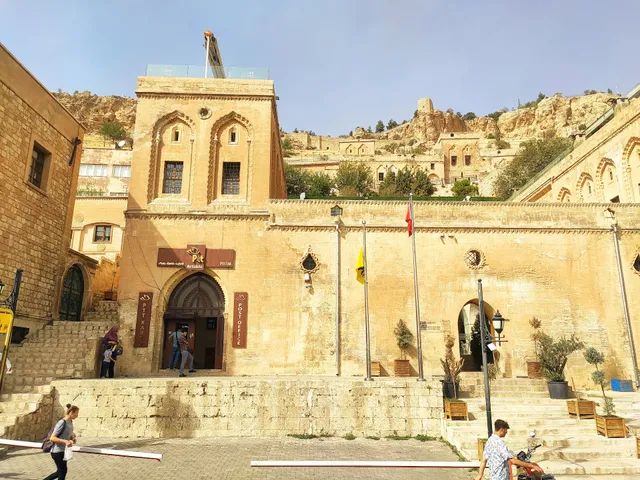
Old Mardin
4.7
(3.2K)
Open 24 hours
Click for details
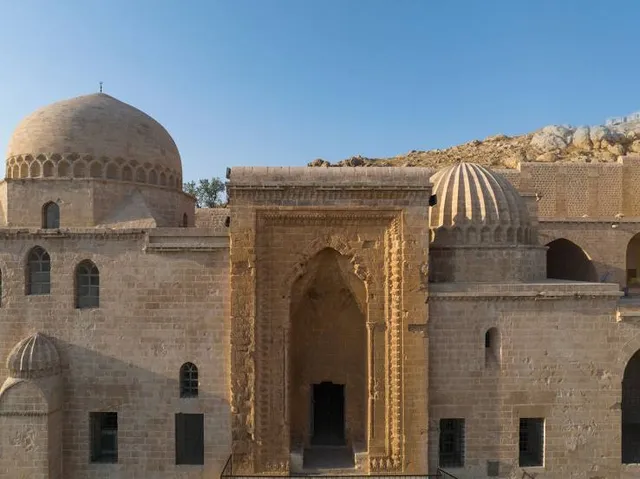
Zinciriye Medresesi
4.6
(3K)
Open until 5:00 PM
Click for details

Mardin Castle
4.5
(646)
Open 24 hours
Click for details

Mardin Museum
4.6
(2.4K)
Open until 5:10 PM
Click for details
Nearby restaurants of Mardin Ulu Camii
Doboo restaurant
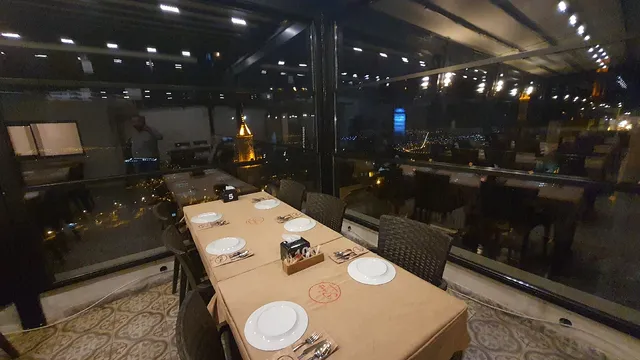
Doboo restaurant
3.4
(644)
Open until 11:00 PM
Click for details
Nearby local services of Mardin Ulu Camii
Mardin Museum
OLD TOWN CAFE MARDİN
MAR HIRMIZ KELDANİ KİLİSESİ
Mardin PROTESTANT CHURCH
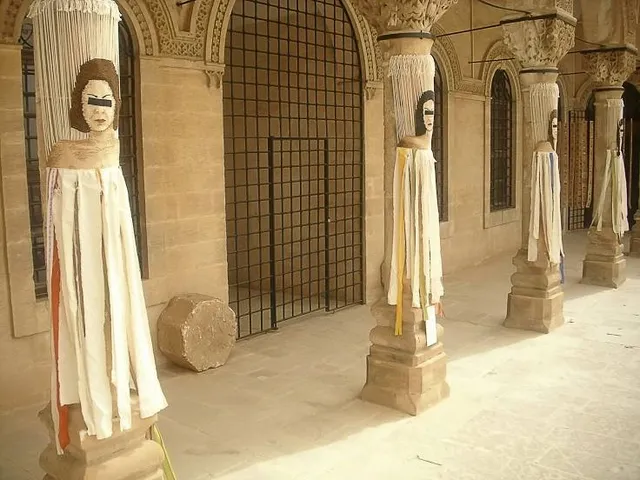
Mardin Museum
4.6
(1.7K)
Click for details

OLD TOWN CAFE MARDİN
4.7
(12)
Click for details
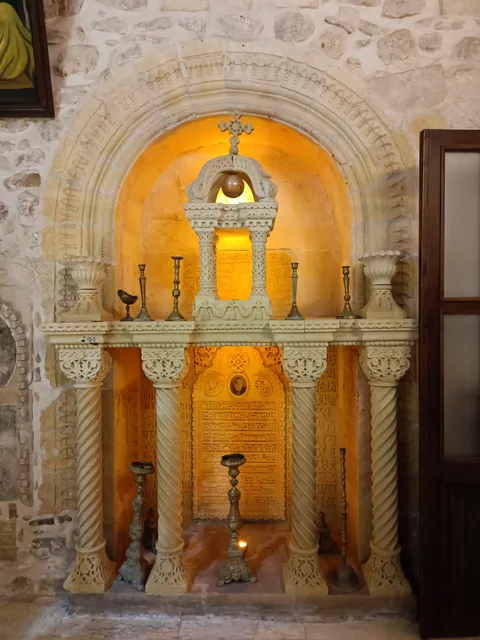
MAR HIRMIZ KELDANİ KİLİSESİ
4.5
(70)
Click for details
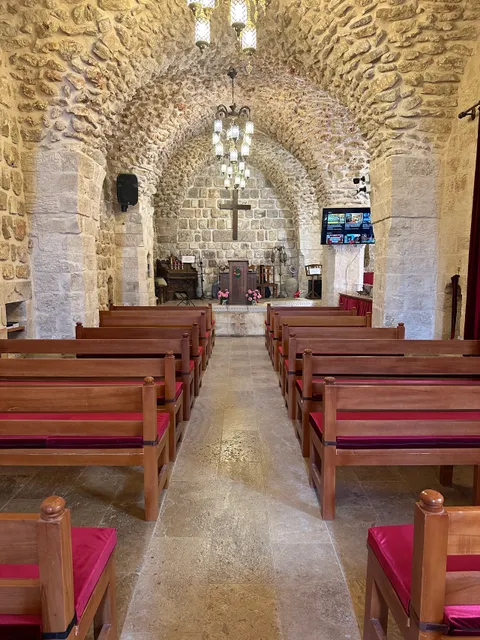
Mardin PROTESTANT CHURCH
4.6
(84)
Click for details