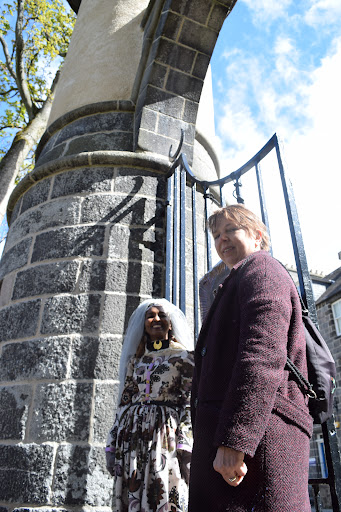
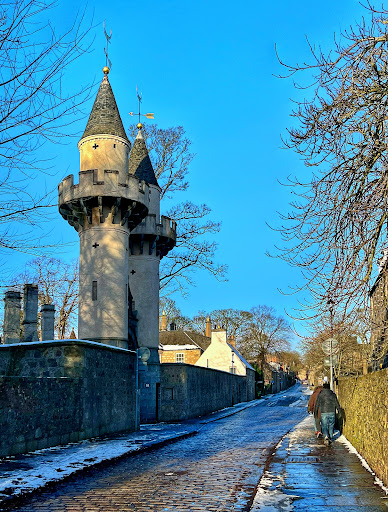
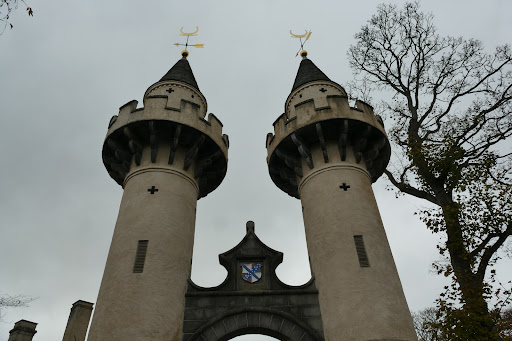
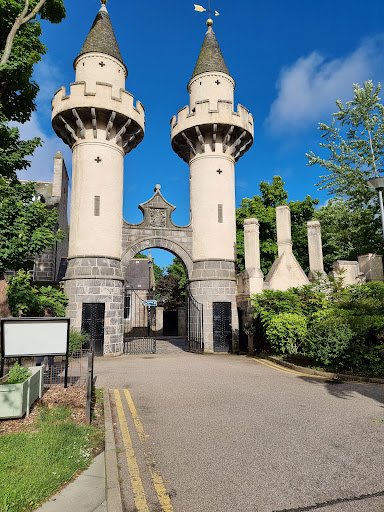
The Powis Gates things to do, attractions, restaurants, events info and trip planning
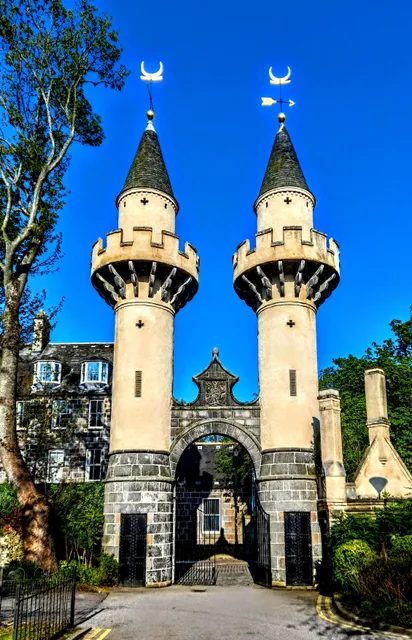
Basic Info
The Powis Gates
51 College Bounds, Aberdeen AB24 3UG, United Kingdom
4.9(15)
Open 24 hours
Save
spot
spot
Ratings & Description
Info
Cultural
Scenic
attractions: King's College Chapel, University of Aberdeen, King's College, Aberdeen Sports Village, Fraser Noble Building, Cruickshank Botanic Garden, Infohub (University of Aberdeen), King's Museum, University of Aberdeen Zoology Museum, St. Machar's Cathedral, restaurants: Kilau Coffee, The Bobbin, St. Machar Bar, Grub Fresh Food, Foodstory 0, Shakes 'n' Cakes Spital, J G Ross Bakers Ltd, Shelter Coffee, Student Union Food Court, Hardback Cafe, local businesses: Becycle, Blackwell's Bookshop, Old Aberdeen Bookshop, Kittybrewster Retail Park, Soy Cook Chinese, Złoty Supermarket Aberdeen, DFS Aberdeen, Powis Community Centre & Annie's Cafe, Halfords - Kittybrewster, PureGym Aberdeen Kittybrewster
 Learn more insights from Wanderboat AI.
Website
historicenvironment.scot
Plan your stay

Pet-friendly Hotels in Aberdeen City
Find a cozy hotel nearby and make it a full experience.

Affordable Hotels in Aberdeen City
Find a cozy hotel nearby and make it a full experience.

The Coolest Hotels You Haven't Heard Of (Yet)
Find a cozy hotel nearby and make it a full experience.

Trending Stays Worth the Hype in Aberdeen City
Find a cozy hotel nearby and make it a full experience.
Reviews
Live events
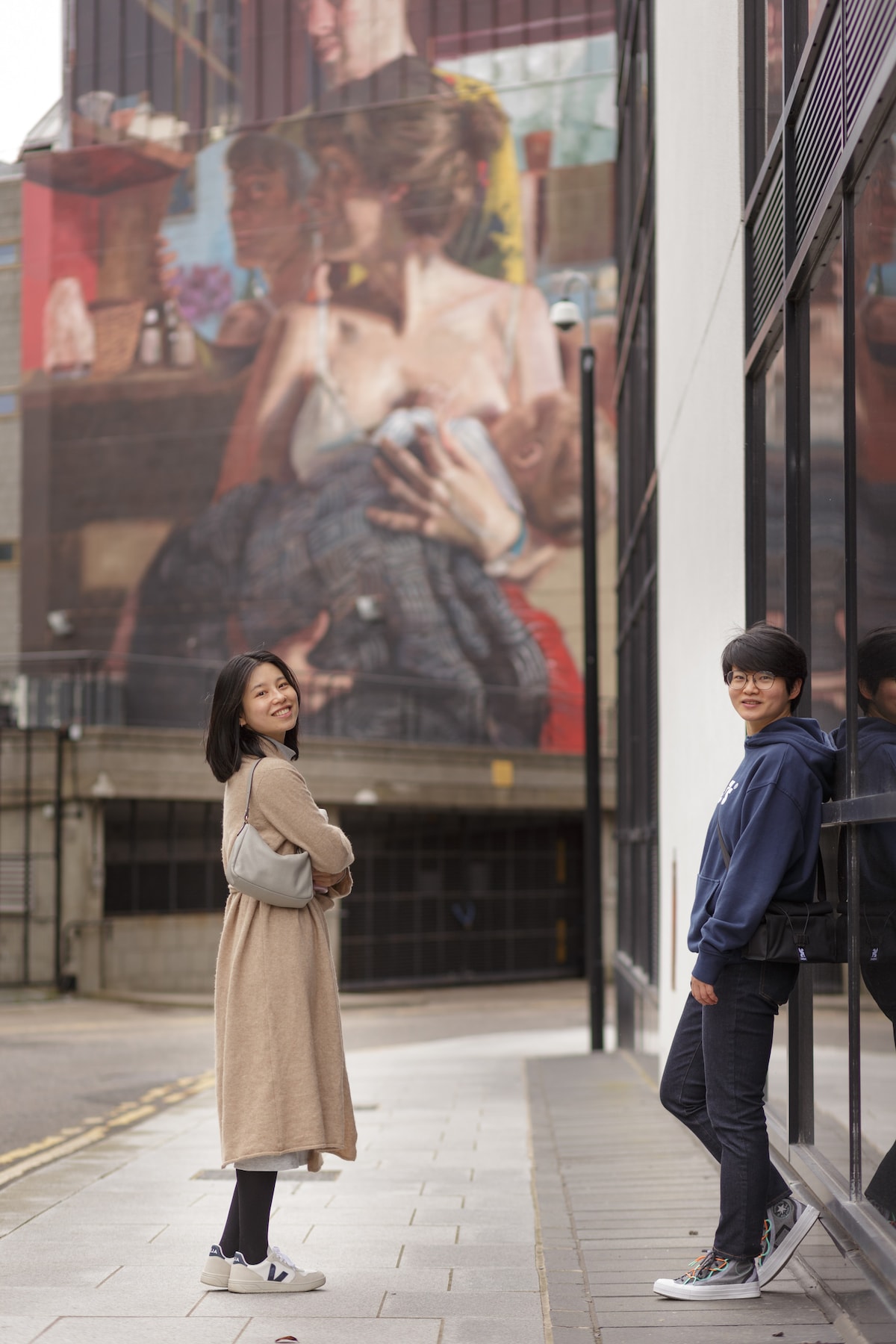
Explore Aberdeen: City Centre Walking Tour
Tue, Feb 24 • 2:00 PM
Aberdeen, AB11 7BE, United Kingdom
View details
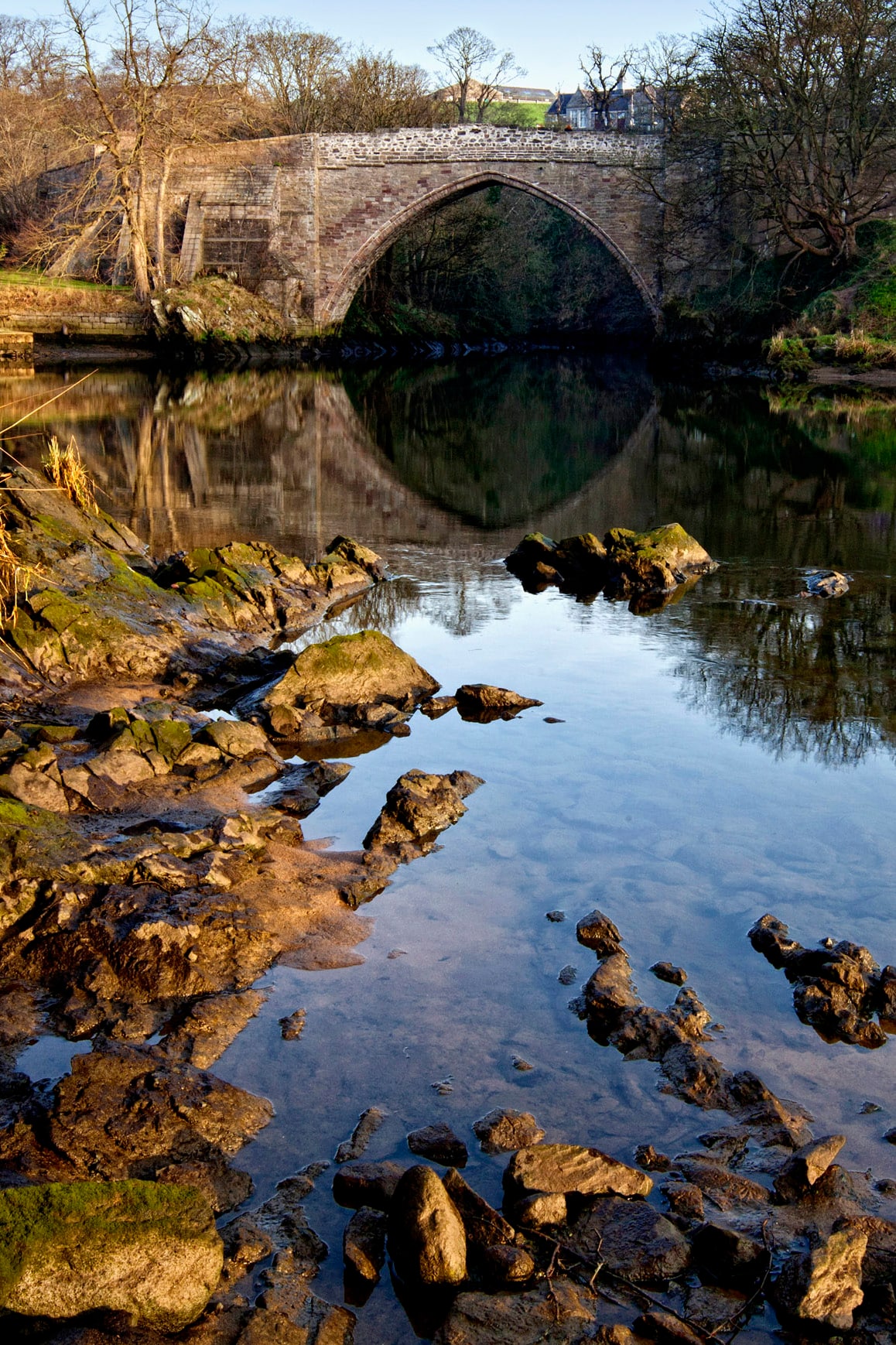
Half Day Guided Aberdeenshire Tour up to 7 Guests
Wed, Feb 25 • 9:00 AM
Aberdeen, United Kingdom
View details

Aberdeen Murder Mystery: Solve the case!
Sun, Feb 1 • 12:00 AM
31 Union Terrace, Aberdeen, AB10 1NN
View details
Nearby attractions of The Powis Gates
King's College Chapel
University of Aberdeen
King's College
Aberdeen Sports Village
Fraser Noble Building
Cruickshank Botanic Garden
Infohub (University of Aberdeen)
King's Museum
University of Aberdeen Zoology Museum
St. Machar's Cathedral

King's College Chapel
4.7
(212)
Open 24 hours
Click for details
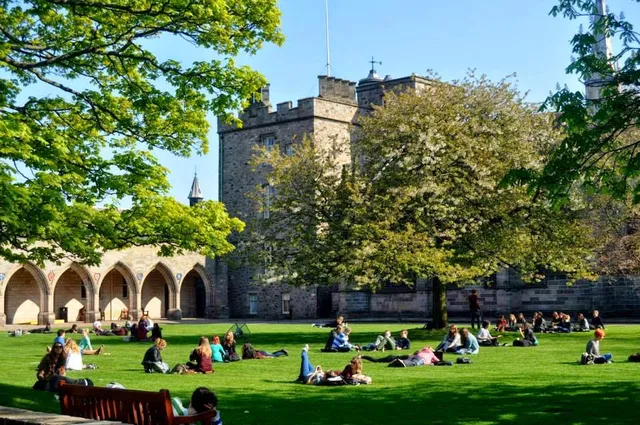
University of Aberdeen
4.6
(265)
Open until 5:00 PM
Click for details

King's College
4.8
(56)
Open until 12:00 AM
Click for details

Aberdeen Sports Village
4.5
(749)
Open until 10:30 PM
Click for details
Nearby restaurants of The Powis Gates
Kilau Coffee
The Bobbin
St. Machar Bar
Grub Fresh Food
Foodstory 0
Shakes 'n' Cakes Spital
J G Ross Bakers Ltd
Shelter Coffee
Student Union Food Court
Hardback Cafe
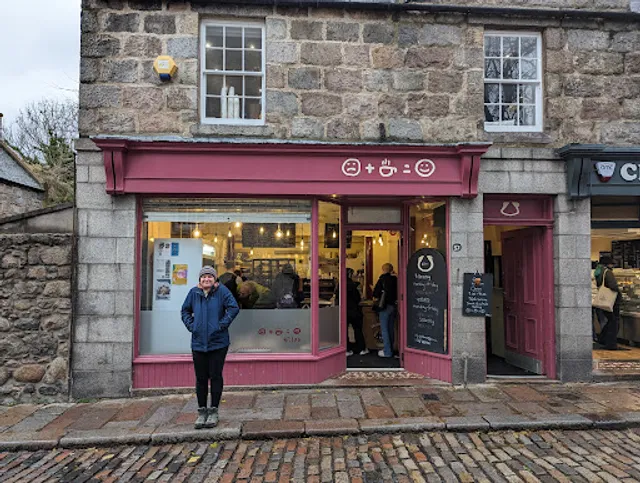
Kilau Coffee
4.7
(310)
$
Open until 6:00 PM
Click for details
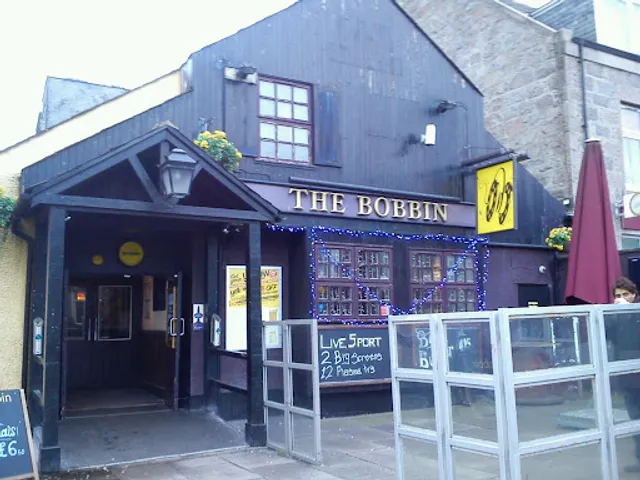
The Bobbin
4.3
(618)
$
Open until 12:00 AM
Click for details
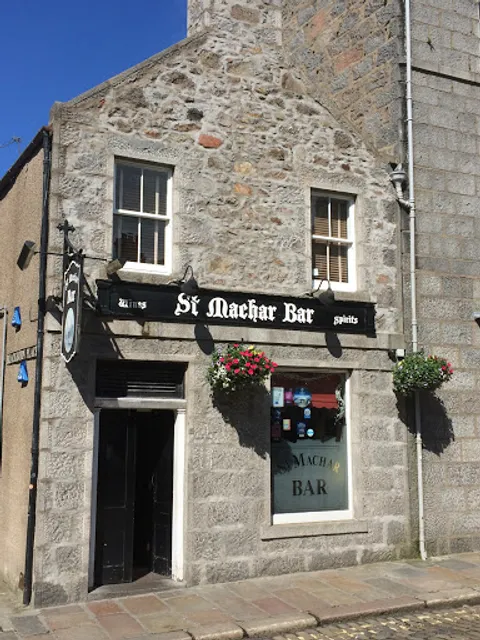
St. Machar Bar
4.5
(282)
Open until 12:00 AM
Click for details
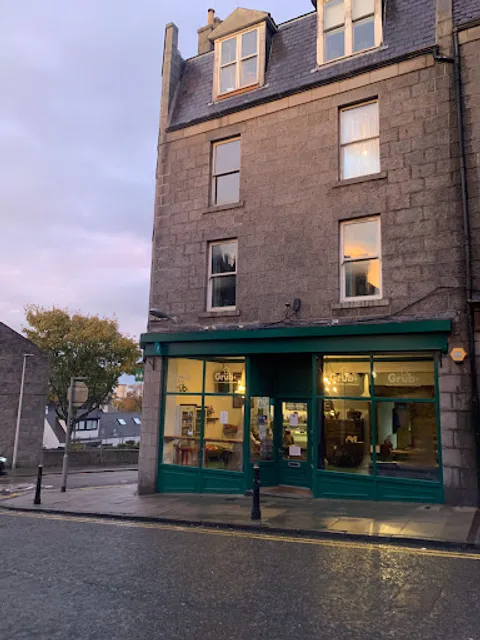
Grub Fresh Food
4.5
(211)
Open until 5:30 PM
Click for details
Nearby local services of The Powis Gates
Becycle
Blackwell's Bookshop
Old Aberdeen Bookshop
Kittybrewster Retail Park
Soy Cook Chinese
Złoty Supermarket Aberdeen
DFS Aberdeen
Powis Community Centre & Annie's Cafe
Halfords - Kittybrewster
PureGym Aberdeen Kittybrewster

Becycle
4.7
(36)
Click for details

Blackwell's Bookshop
4.7
(73)
Click for details

Old Aberdeen Bookshop
4.9
(39)
Click for details

Kittybrewster Retail Park
4.1
(1.2K)
Click for details