National Trust - Duffield Castle things to do, attractions, restaurants, events info and trip planning

Basic Info
National Trust - Duffield Castle
Milford Rd, Duffield, Belper DE56 4DW, United Kingdom
3.2(136)$$$$
Open until 12:00 AM
Save
spot
spot
Ratings & Description
Info
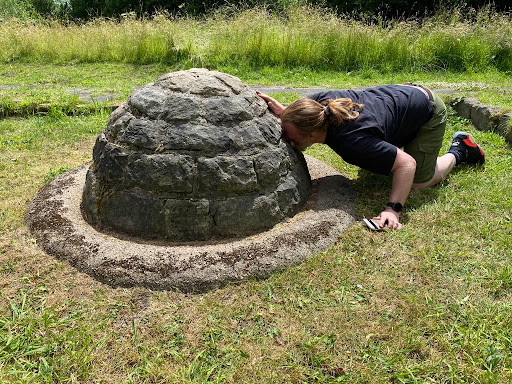
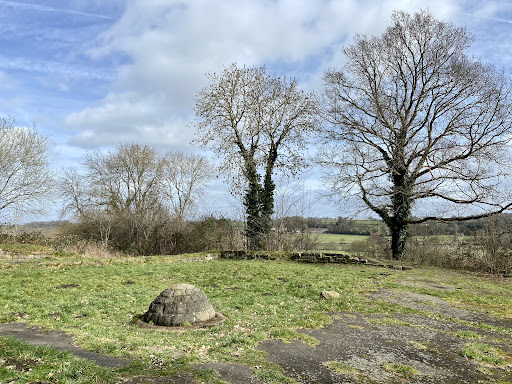
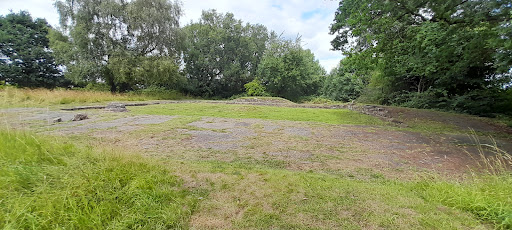
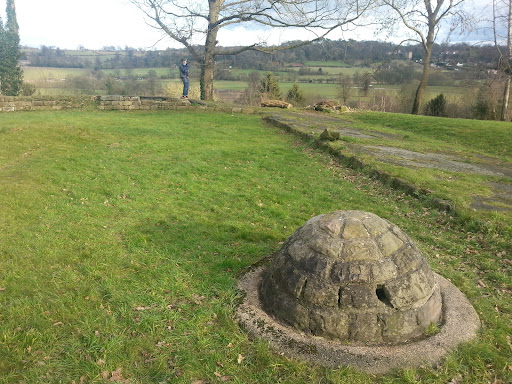
Duffield Castle was a Norman Castle in Duffield, Derbyshire. The site is a Scheduled Ancient Monument. It was on a rocky promontory facing the river, easily defended, though it is debatable whether it was inhabited in prehistoric times.
Cultural
Outdoor
Scenic
Family friendly
attractions: Eyes Meadow, restaurants: Bistro Duffield at the Kings Head, Duffield, The Viceroy Duffield, Sanchini’s Coffee Bar, The Kings Head, The Stolen Fig, The Town Street Tap, Bradmans Wine Cellar - Duffield, Pattenmakers Arms, Birds Bakery in Duffield, The White Hart, local businesses: DAVID JAMES BARBERING, Town Street Barbers, B Beauty & Spa, River Ecclesbourne
 Learn more insights from Wanderboat AI.
Phone
+44 1332 842191
Website
nationaltrust.org.uk
Open hoursSee all hours
ThuOpen 24 hoursOpen
Plan your stay

Pet-friendly Hotels in Amber Valley
Find a cozy hotel nearby and make it a full experience.

Affordable Hotels in Amber Valley
Find a cozy hotel nearby and make it a full experience.

The Coolest Hotels You Haven't Heard Of (Yet)
Find a cozy hotel nearby and make it a full experience.

Trending Stays Worth the Hype in Amber Valley
Find a cozy hotel nearby and make it a full experience.
Reviews
Live events
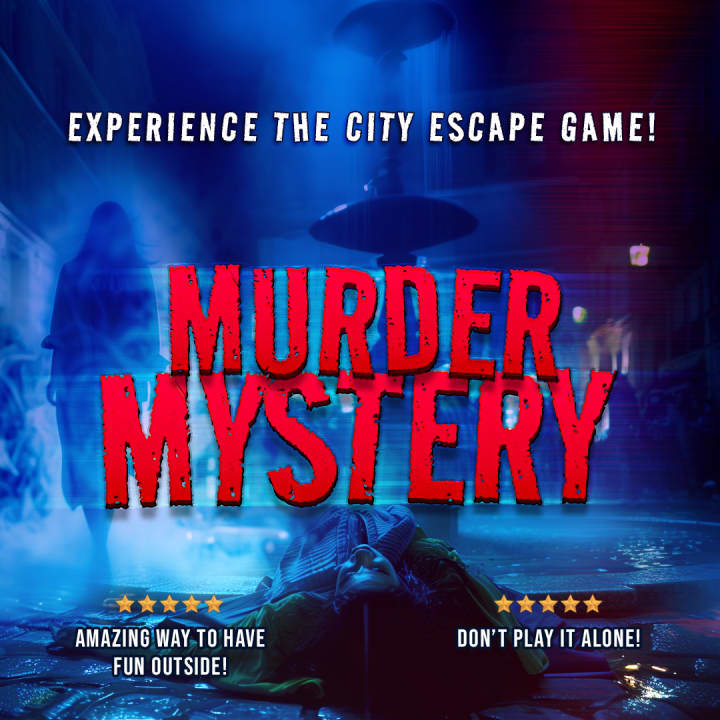
Nottingham Murder Mystery: Death in the Shadows
Sun, Mar 1 • 12:00 AM
1 Cheapside, Nottingham, NG1 2HU
View details

Candlelight: Tribute to Taylor Swift
Sat, Feb 28 • 6:00 PM
Weekday Cross, Nottingham, NG1 2GB
View details
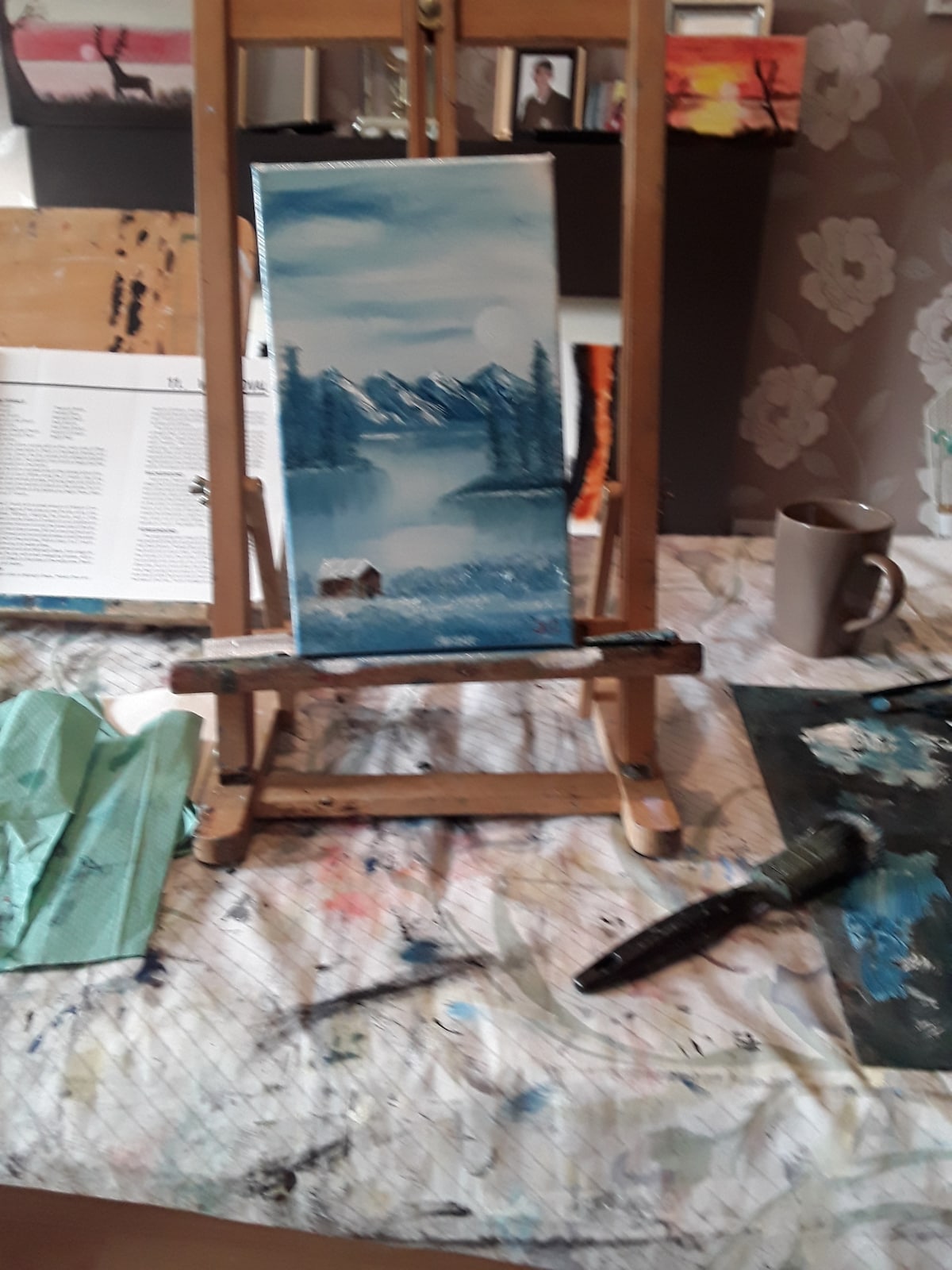
Learn oil painting
Thu, Feb 26 • 2:30 PM
Littleover, DE23 2PP, United Kingdom
View details
Nearby attractions of National Trust - Duffield Castle
Eyes Meadow
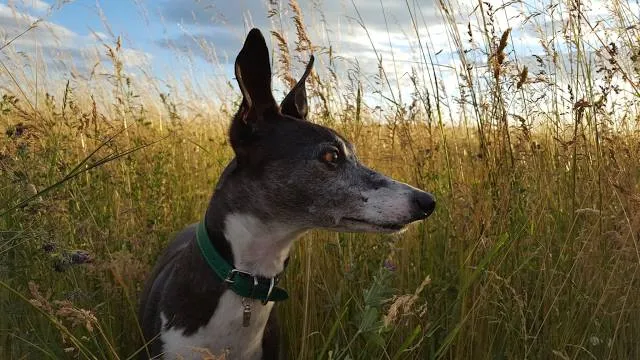
Eyes Meadow
4.5
(177)
Open 24 hours
Click for details
Nearby restaurants of National Trust - Duffield Castle
Bistro Duffield at the Kings Head, Duffield
The Viceroy Duffield
Sanchini’s Coffee Bar
The Kings Head
The Stolen Fig
The Town Street Tap
Bradmans Wine Cellar - Duffield
Pattenmakers Arms
Birds Bakery in Duffield
The White Hart
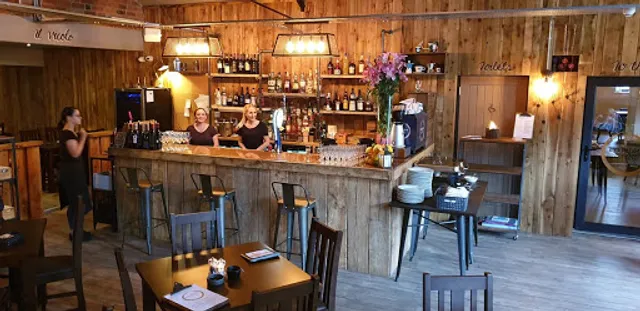
Bistro Duffield at the Kings Head, Duffield
4.7
(298)
Click for details
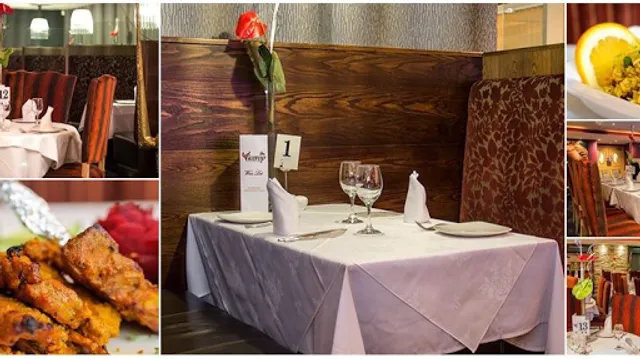
The Viceroy Duffield
4.6
(375)
$$
Closed
Click for details
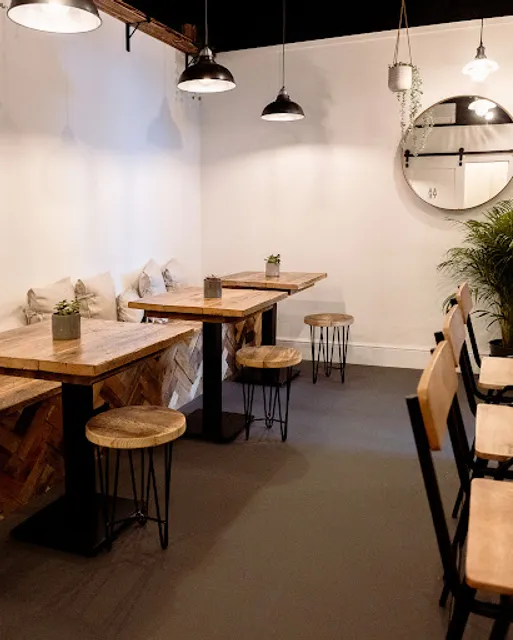
Sanchini’s Coffee Bar
4.9
(97)
$
Open until 4:00 PM
Click for details
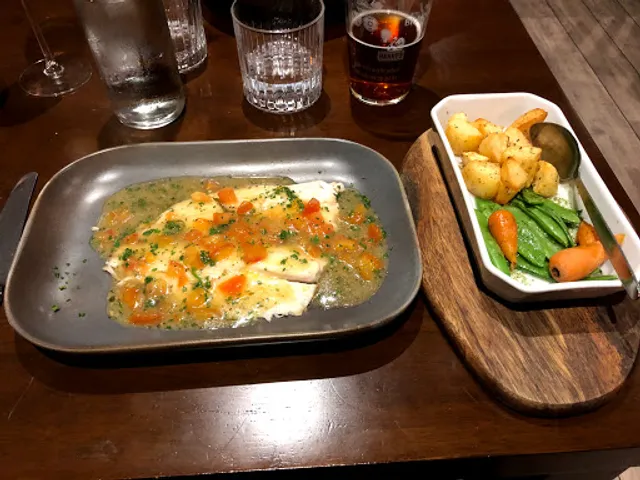
The Kings Head
4.5
(111)
Closed
Click for details
Nearby local services of National Trust - Duffield Castle
DAVID JAMES BARBERING
Town Street Barbers
B Beauty & Spa
River Ecclesbourne

DAVID JAMES BARBERING
5.0
(134)
Click for details
Town Street Barbers
5.0
(50)
Click for details

B Beauty & Spa
4.9
(43)
Click for details
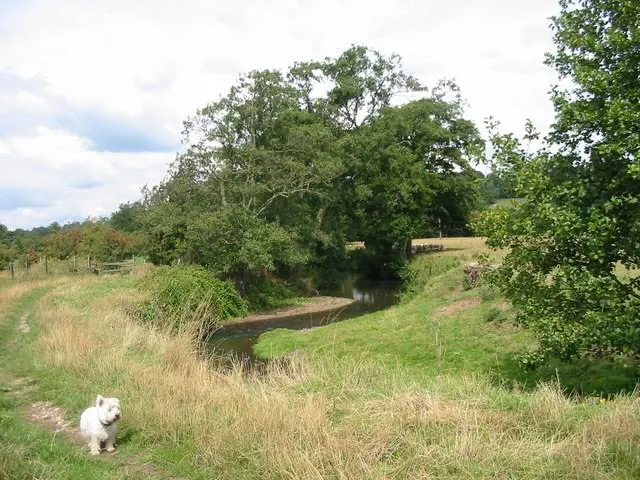
River Ecclesbourne
3.9
(9)
Click for details