Lewes Priory things to do, attractions, restaurants, events info and trip planning
Basic Info
Lewes Priory
Cockshut Rd, Southover, Lewes BN7 1HP, United Kingdom
4.7(177)
Open until 12:00 AM

tickets
Save
spot
spot
Ratings & Description
Info
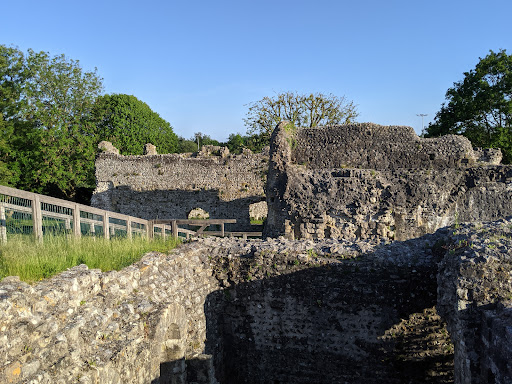
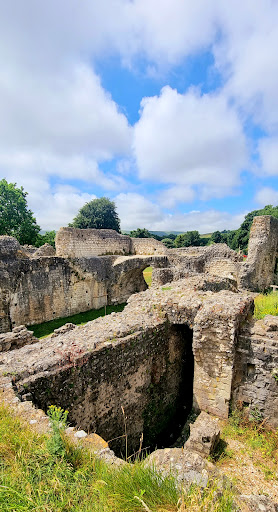
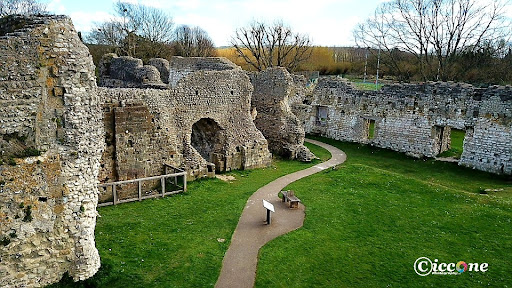
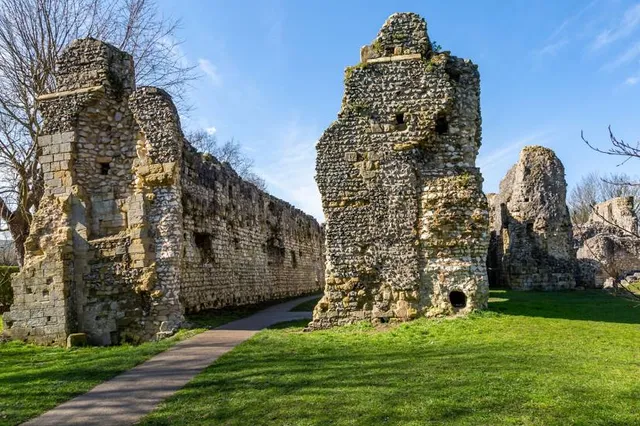
Lewes Priory is a part-demolished medieval Cluniac priory in Lewes, East Sussex in the United Kingdom. The ruins have been designated a Grade I listed building.
Cultural
Outdoor
Scenic
Family friendly
attractions: Anne of Cleves House Museum, Southover Grange Gardens, Convent Field, The Dripping Pan, Lewes Castle & Museum, Pelham House, Charleston in Lewes, Star Brewery Gallery, Baxters Field, Chalk Gallery, restaurants: The King's Head, Lewes, Depot Cinema and Restaurant, Côte Petite Lewes, Southdown Sports Club, The Brewers Arms, Lansdown Arms, The Runaway, Patisserie Lewes, Rights of Man, Shanaz of Lewes, local businesses: Motion Physiotherapy, GM Taxis, Lewes Castle & Museum, Hair Mechanics barbershop, Self Storage Space, Lewes Taxis Ltd, Go Botanica, A-Z Lewes Taxis, i-Tech Links - Lewes, Station Food & Wine
 Learn more insights from Wanderboat AI.
Website
lewespriory.org.uk
Open hoursSee all hours
SatOpen 24 hoursOpen
Plan your stay

Pet-friendly Hotels in Lewes
Find a cozy hotel nearby and make it a full experience.

Affordable Hotels in Lewes
Find a cozy hotel nearby and make it a full experience.

The Coolest Hotels You Haven't Heard Of (Yet)
Find a cozy hotel nearby and make it a full experience.

Trending Stays Worth the Hype in Lewes
Find a cozy hotel nearby and make it a full experience.
Reviews
Live events

Candlelight: Long Live the Rock Legends
Sat, Feb 28 • 9:00 PM
4/5 Pavilion Buildings, Brighton, BN1 1EE
View details
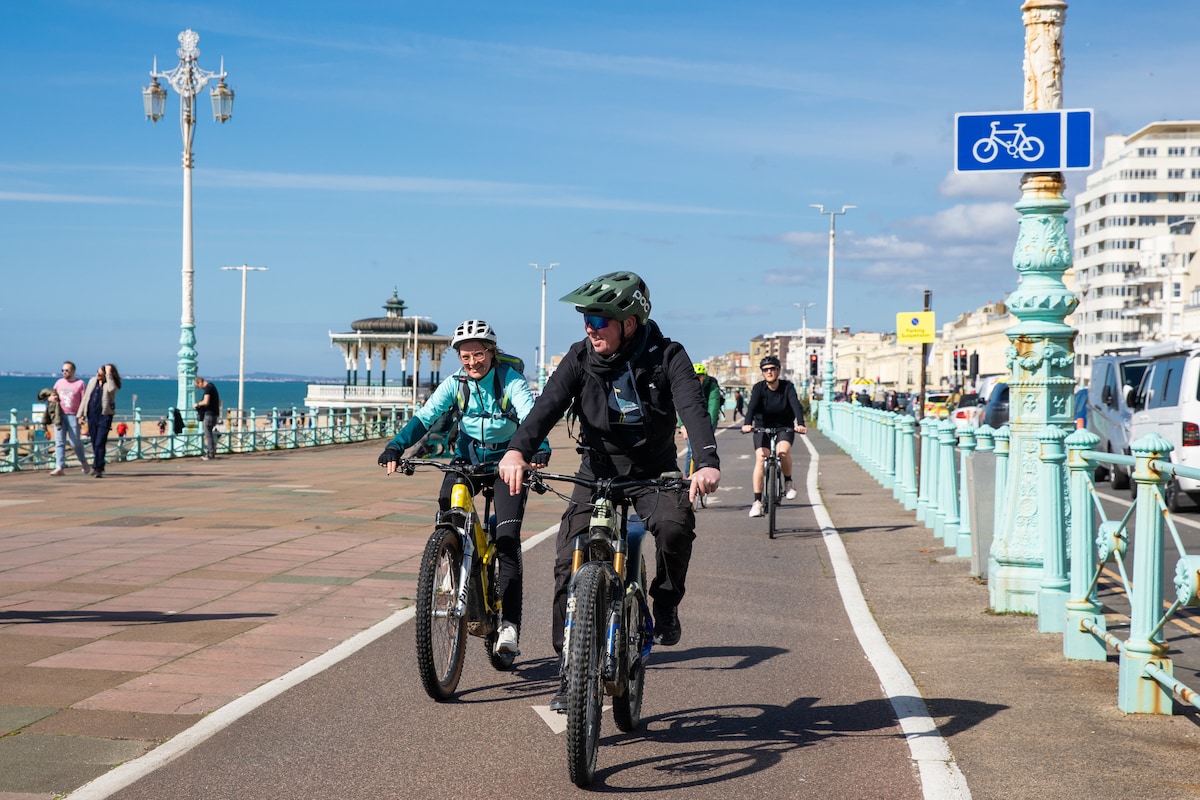
Ride Brighton’s coastline on electric bikes
Fri, Feb 27 • 10:45 PM
Brighton and Hove, BN3 1TH, United Kingdom
View details
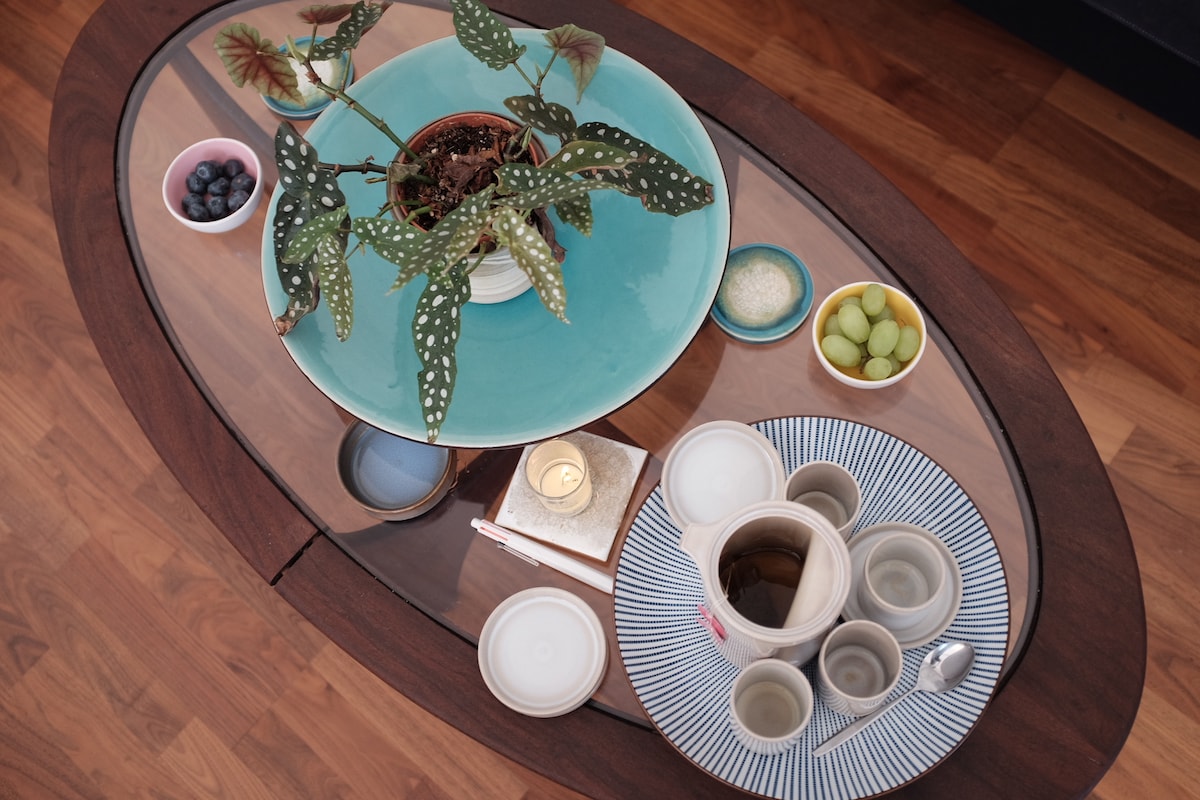
Mindful Marbling Workshop
Sat, Feb 28 • 10:45 AM
Brighton and Hove, BN2 9YU, United Kingdom
View details
Nearby attractions of Lewes Priory
Anne of Cleves House Museum
Southover Grange Gardens
Convent Field
The Dripping Pan
Lewes Castle & Museum
Pelham House
Charleston in Lewes
Star Brewery Gallery
Baxters Field
Chalk Gallery
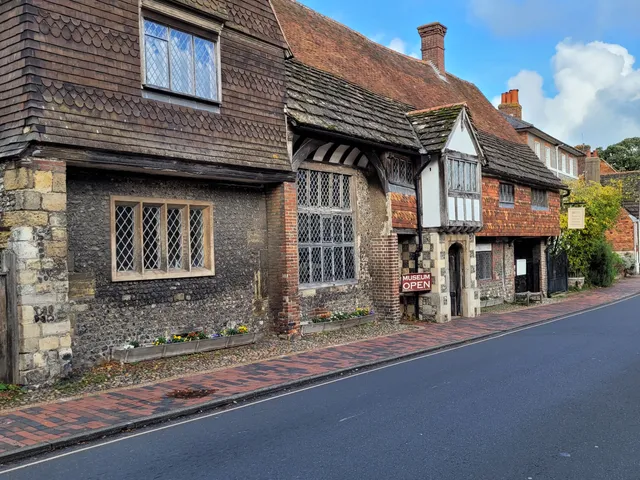
Anne of Cleves House Museum
4.3
(301)
Open 24 hours
Click for details
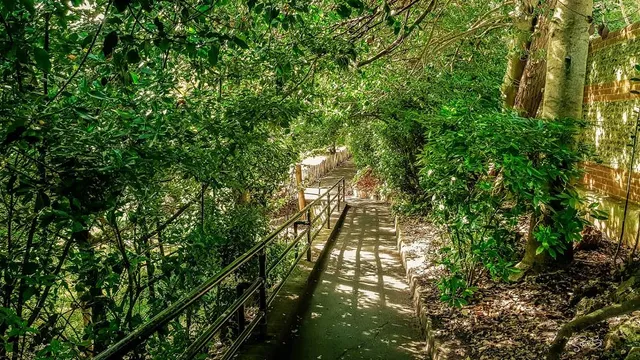
Southover Grange Gardens
4.7
(190)
Closed
Click for details

Convent Field
4.3
(13)
Open until 12:00 AM
Click for details

The Dripping Pan
4.6
(93)
Open 24 hours
Click for details
Nearby restaurants of Lewes Priory
The King's Head, Lewes
Depot Cinema and Restaurant
Côte Petite Lewes
Southdown Sports Club
The Brewers Arms
Lansdown Arms
The Runaway
Patisserie Lewes
Rights of Man
Shanaz of Lewes
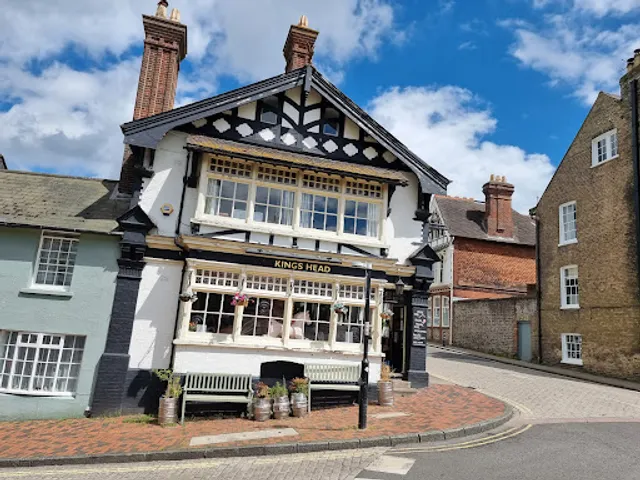
The King's Head, Lewes
4.2
(222)
$$
Closed
Click for details
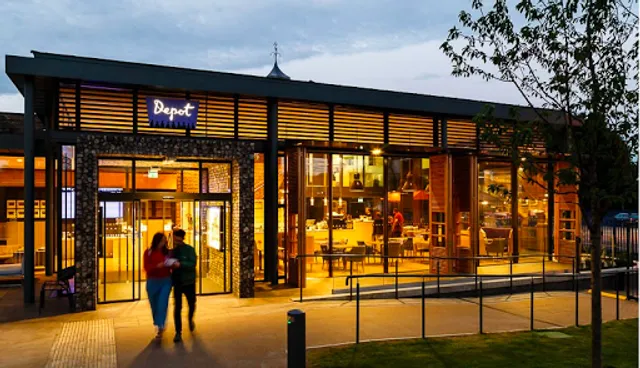
Depot Cinema and Restaurant
4.6
(915)
Click for details
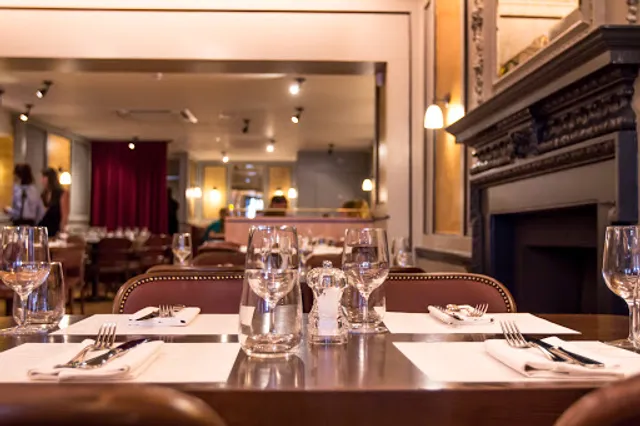
Côte Petite Lewes
4.4
(407)
$$
Closed
Click for details

Southdown Sports Club
4.7
(7)
Closed
Click for details
Nearby local services of Lewes Priory
Motion Physiotherapy
GM Taxis
Lewes Castle & Museum
Hair Mechanics barbershop
Self Storage Space
Lewes Taxis Ltd
Go Botanica
A-Z Lewes Taxis
i-Tech Links - Lewes
Station Food & Wine

Motion Physiotherapy
5.0
(45)
Click for details

GM Taxis
4.2
(124)
Click for details
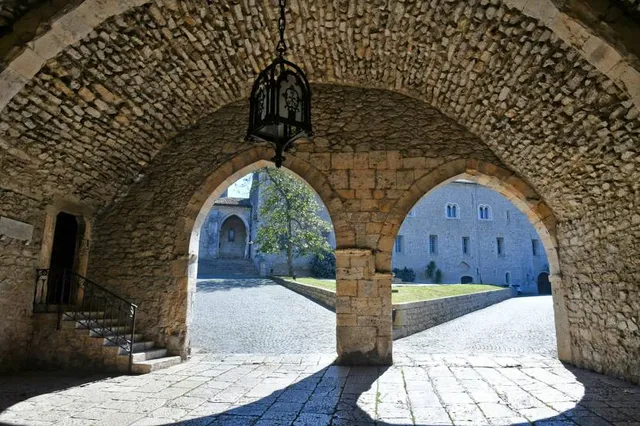
Lewes Castle & Museum
4.5
(744)
Click for details

Hair Mechanics barbershop
4.8
(30)
Click for details