Guildhall Art Gallery things to do, attractions, restaurants, events info and trip planning
Basic Info
Guildhall Art Gallery
Guildhall Yard, London EC2V 5AE, United Kingdom
4.7(943)
Closed


tickets
Save
spot
spot
Ratings & Description
Info
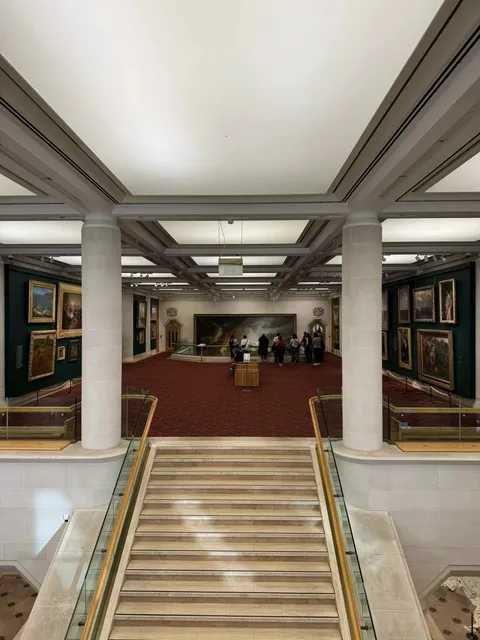
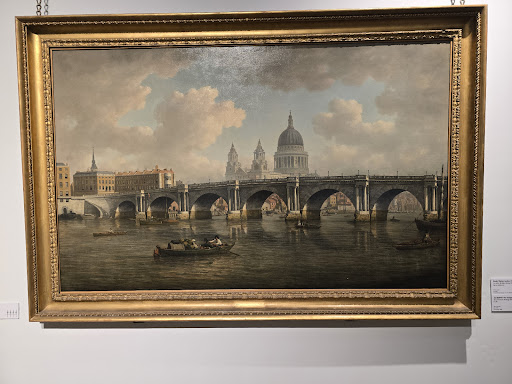
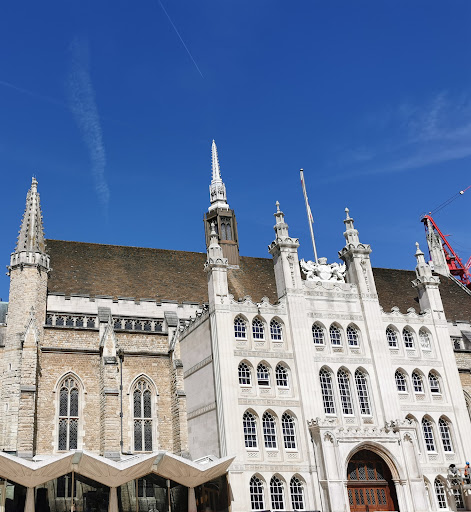
The Guildhall Art Gallery houses the art collection of the City of London, England. The museum is located in the Moorgate area of the City of London. It is a stone building in a semi-Gothic style intended to be sympathetic to the historic Guildhall, which is adjacent and to which it is connected internally.
Cultural
Accessibility
Family friendly
attractions: Guildhall, London's Roman Amphitheatre, St Lawrence Jewry, St. Paul's Cathedral, Bank of England Museum, St Mary Aldermanbury Garden, London Mithraeum Bloomberg SPACE, St Mary-le-Bow Church, Roof Terrace, St Mary Aldermary, restaurants: Hawksmoor Guildhall, The Anthologist, Goldwood, Old Doctor Butler's Head, Cabotte, Goodman City, City Càphê, Enoteca da Luca - Guildhall, Dirty Martini - Cocktail Bar in St Pauls, Coq d'Argent, local businesses: The TokenHouse, Puttshack Bank, One New Change, Chinese Visa Application Service Centre, Daunt Books, Bank of England, State Bank of India, St. Paul's Cathedral, Boots, Lush Cosmetics Cheapside
 Learn more insights from Wanderboat AI.
Phone
+44 20 7332 3700
Website
thecityofldn.com
Open hoursSee all hours
Sun10 AM - 5 PMClosed
Plan your stay

Pet-friendly Hotels in London
Find a cozy hotel nearby and make it a full experience.

Affordable Hotels in London
Find a cozy hotel nearby and make it a full experience.

The Coolest Hotels You Haven't Heard Of (Yet)
Find a cozy hotel nearby and make it a full experience.

Trending Stays Worth the Hype in London
Find a cozy hotel nearby and make it a full experience.
Reviews
Live events

Explore the hidden pubs of London
Sun, Feb 22 • 2:00 PM
Greater London, EC2V 6AA, United Kingdom
View details
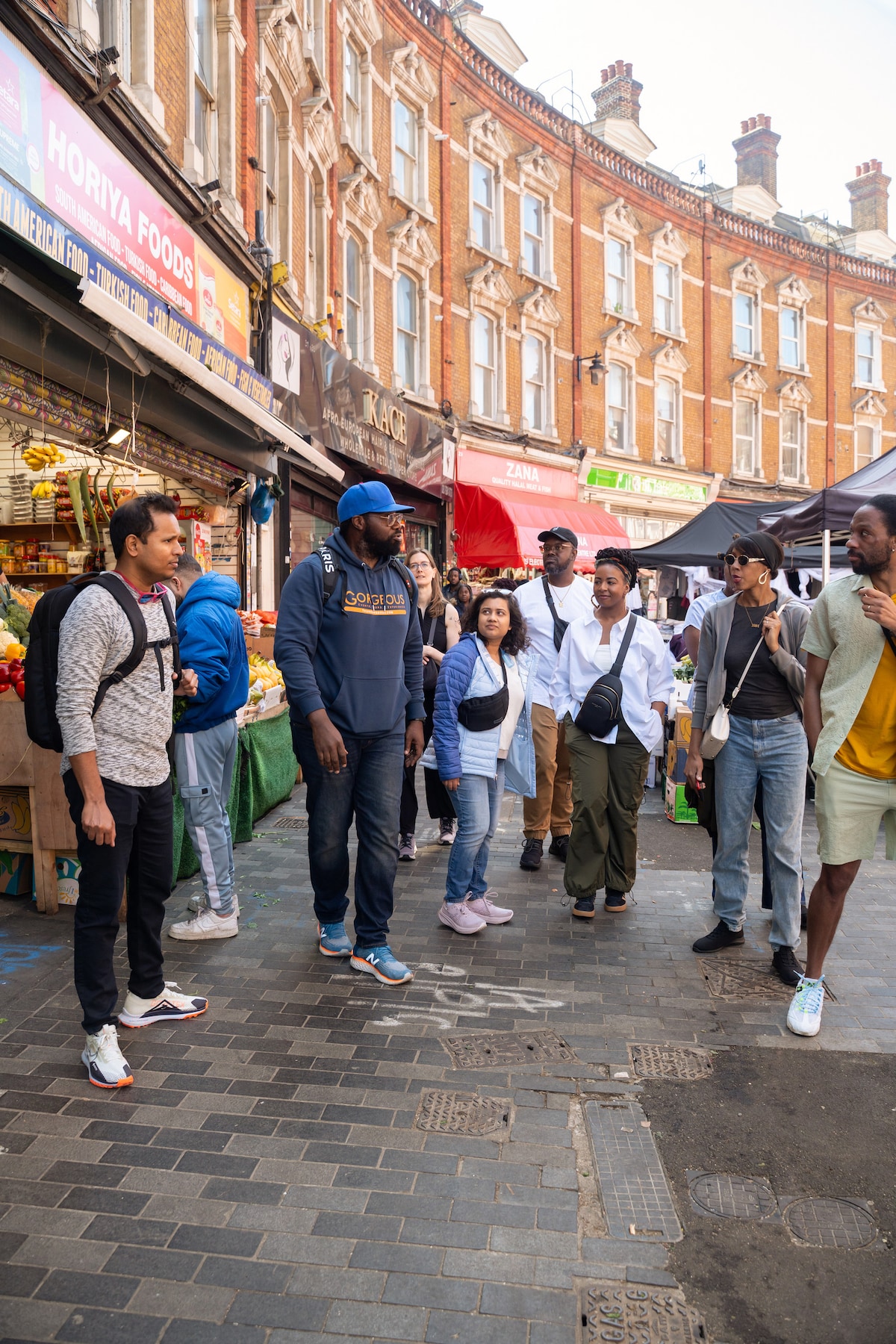
Obis African and Caribbean Food Tour in Brixton
Mon, Feb 23 • 12:00 PM
Greater London, SW9 8EA, United Kingdom
View details
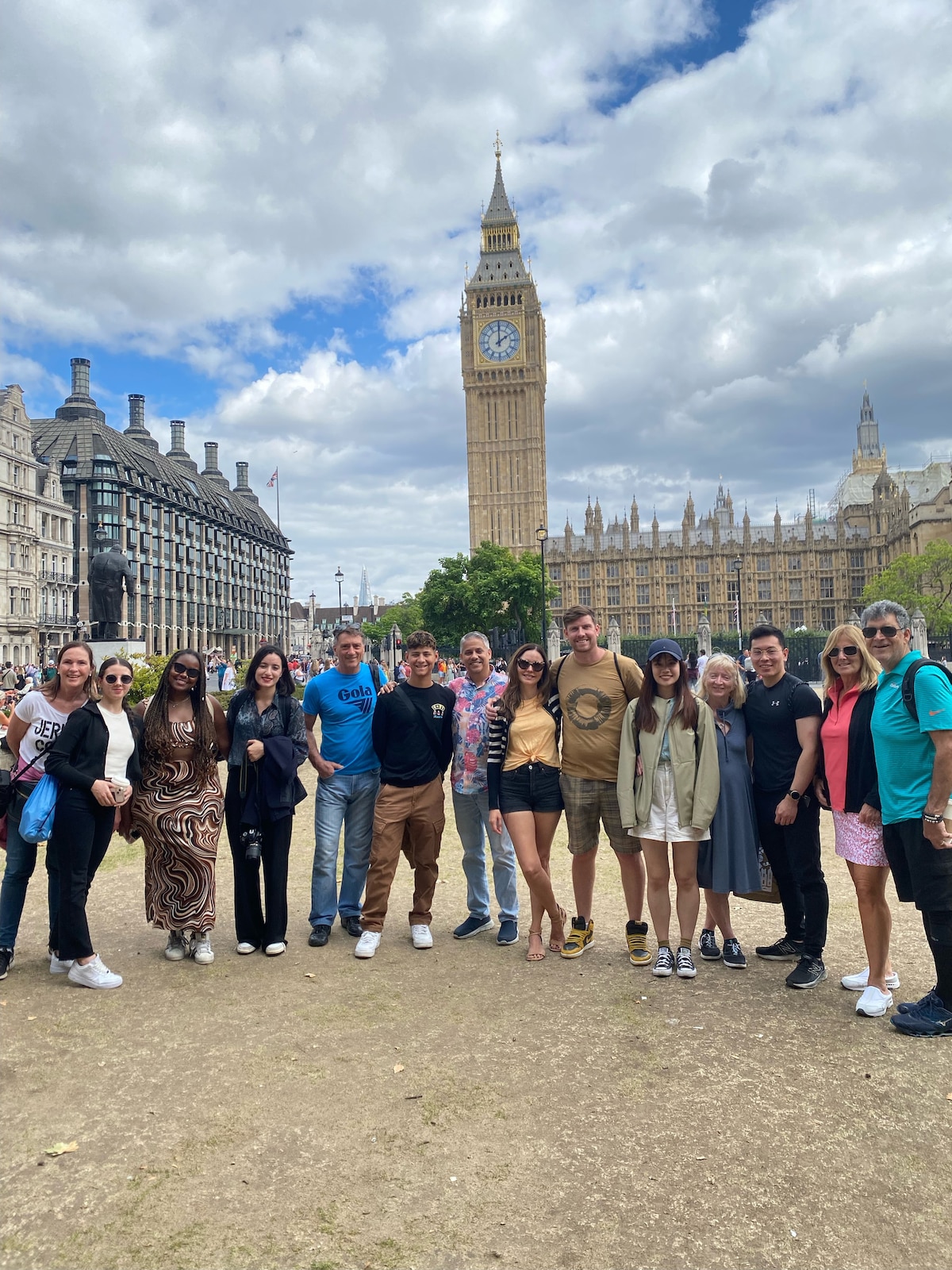
London sightseeing walking tour with 30 sights
Wed, Feb 25 • 10:00 AM
Greater London, SW1E 5EA, United Kingdom
View details
Nearby attractions of Guildhall Art Gallery
Guildhall
London's Roman Amphitheatre
St Lawrence Jewry
St. Paul's Cathedral
Bank of England Museum
St Mary Aldermanbury Garden
London Mithraeum Bloomberg SPACE
St Mary-le-Bow Church
Roof Terrace
St Mary Aldermary
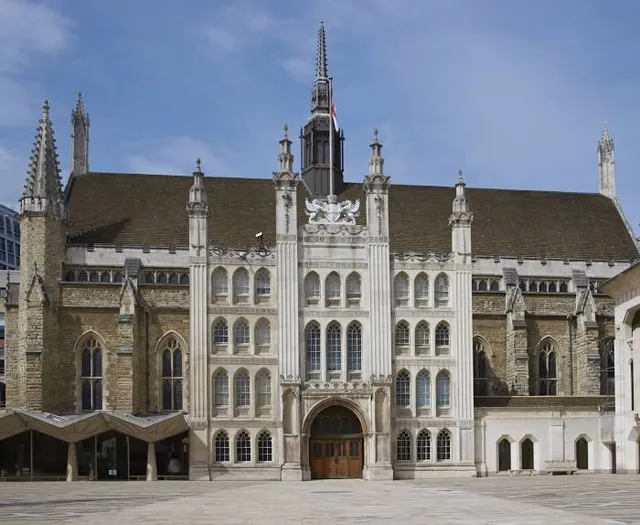
Guildhall
4.6
(507)
Closed
Click for details
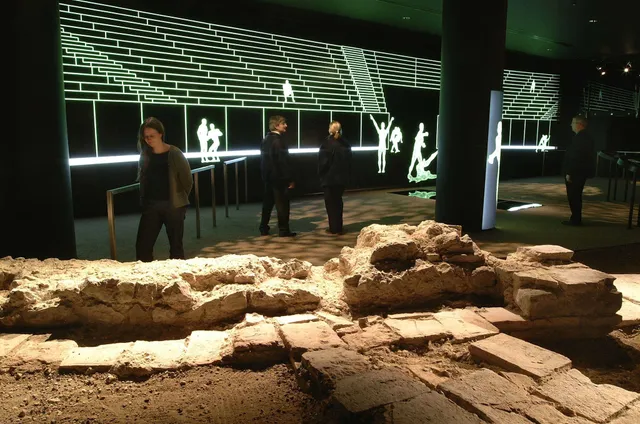
London's Roman Amphitheatre
4.6
(319)
Closed
Click for details
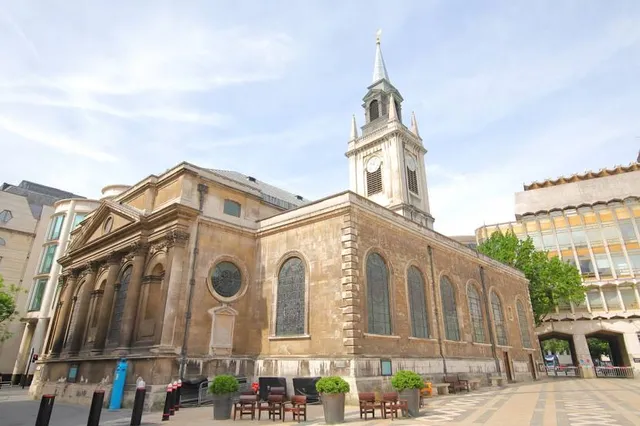
St Lawrence Jewry
4.5
(95)
Open until 12:00 AM
Click for details
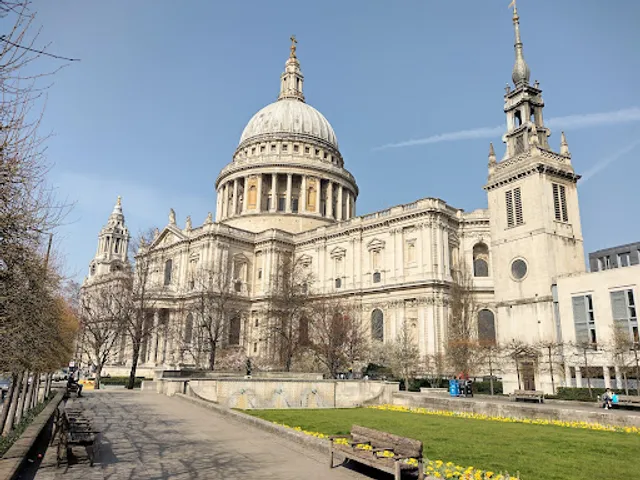
St. Paul's Cathedral
4.7
(19.6K)
Closed
Click for details
Nearby restaurants of Guildhall Art Gallery
Hawksmoor Guildhall
The Anthologist
Goldwood
Old Doctor Butler's Head
Cabotte
Goodman City
City Càphê
Enoteca da Luca - Guildhall
Dirty Martini - Cocktail Bar in St Pauls
Coq d'Argent
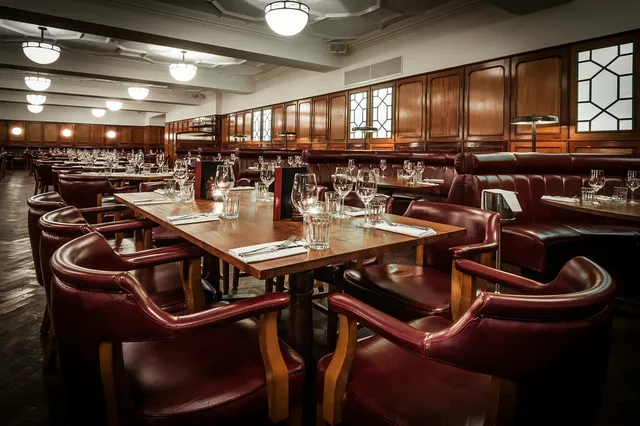
Hawksmoor Guildhall
4.6
(1.5K)
$$$
Closed
Click for details
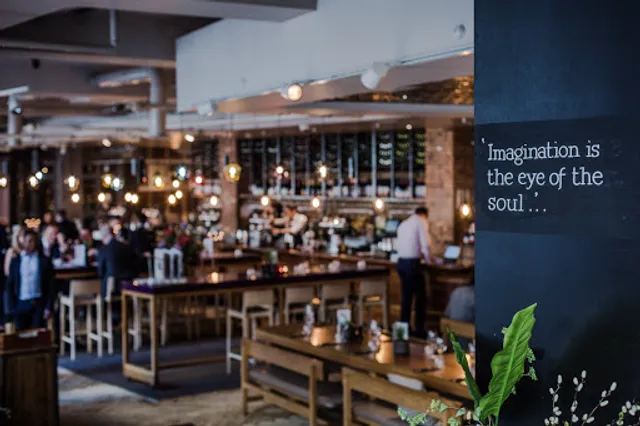
The Anthologist
4.1
(995)
$$
Open until 12:00 AM
Click for details
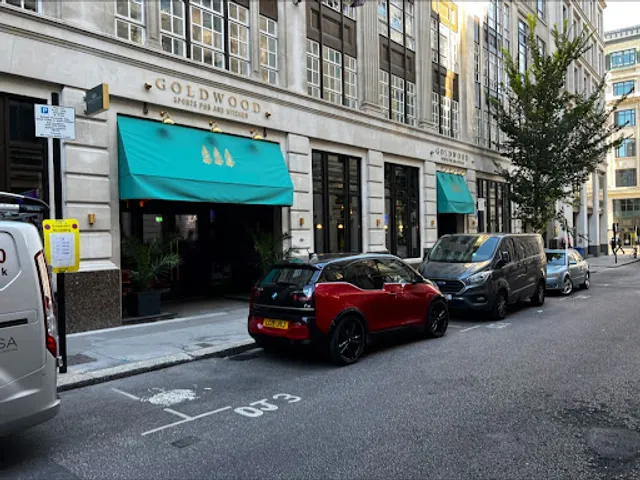
Goldwood
4.8
(752)
Closed
Click for details
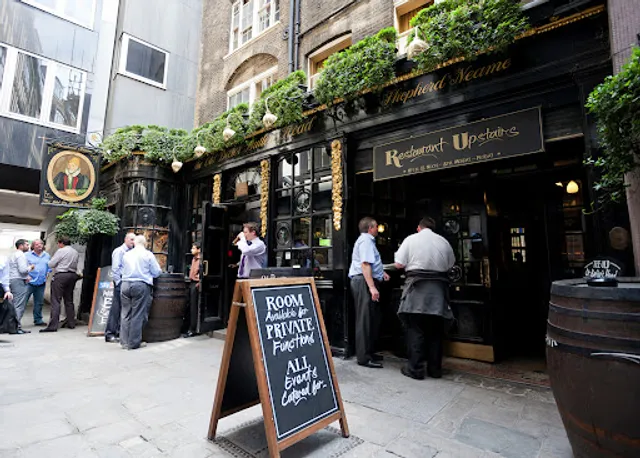
Old Doctor Butler's Head
4.3
(483)
Open until 12:00 AM
Click for details
Nearby local services of Guildhall Art Gallery
The TokenHouse
Puttshack Bank
One New Change
Chinese Visa Application Service Centre
Daunt Books
Bank of England
State Bank of India
St. Paul's Cathedral
Boots
Lush Cosmetics Cheapside
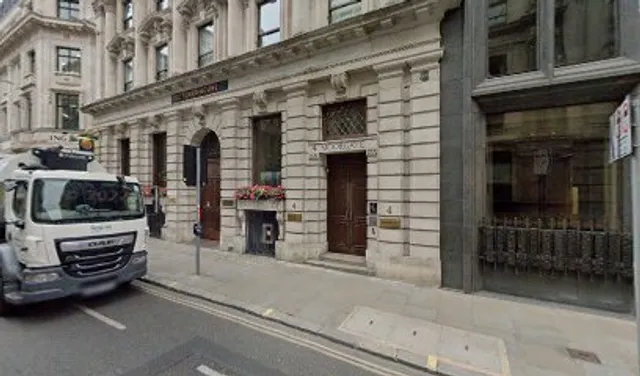
The TokenHouse
4.1
(550)
Click for details
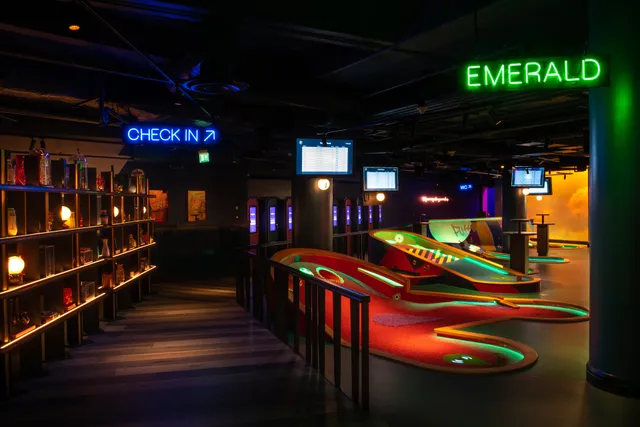
Puttshack Bank
4.7
(1.9K)
Click for details
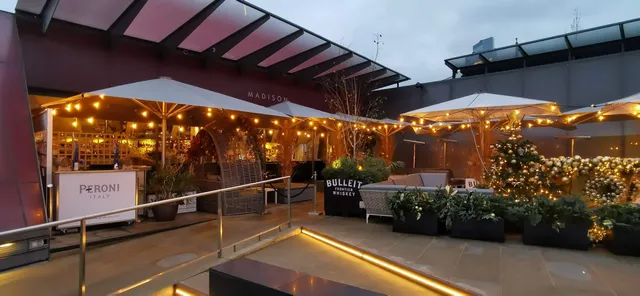
One New Change
4.2
(3.1K)
Click for details
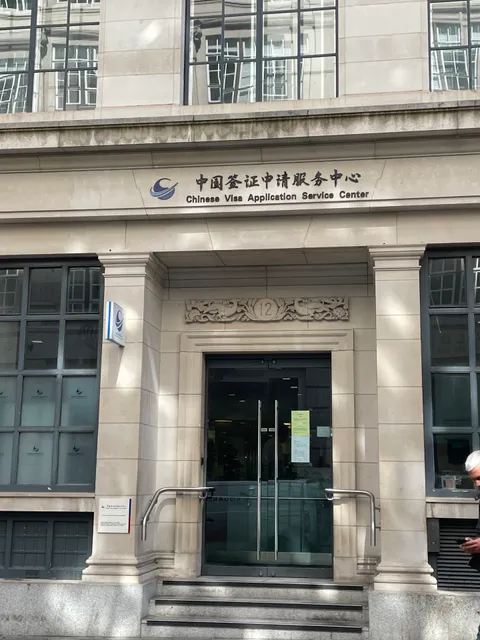
Chinese Visa Application Service Centre
3.6
(297)
Click for details


The hit list

Plan your trip with Wanderboat
Welcome to Wanderboat AI, your AI search for local Eats and Fun, designed to help you explore your city and the world with ease.
Powered by Wanderboat AI trip planner.