Millennium Bridge things to do, attractions, restaurants, events info and trip planning
Basic Info
Millennium Bridge
Thames Embankment, London EC4V 3QH, United Kingdom
4.6(6.6K)
Open 24 hours
Save
spot
spot
Ratings & Description
Info
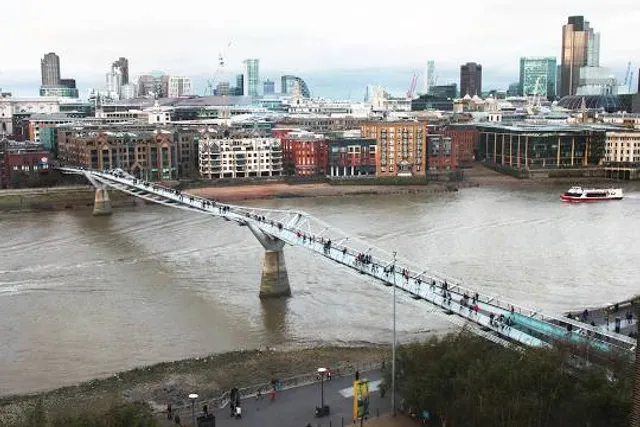
The Millennium Bridge, officially known as the London Millennium Footbridge, is a steel suspension bridge for pedestrians crossing the River Thames in London, England, linking Bankside with the City of London.
Cultural
Outdoor
Accessibility
attractions: Tate Modern, Shakespeare's Globe, Sam Wanamaker Playhouse, St. Paul's Cathedral, Tate Modern Garden, Tate Modern Viewing Level, Bankside Gallery, Southwark Bridge, Blackfriars Bridge, Vintners' Hall, restaurants: Founder's Arms, Swan London, The Real Greek | Bankside, Samuel Pepys, High Timber Restaurant, Zizzi - Bankside, Tas Pide, The Corner at Tate Modern, Chealsons Coffee Bankside, PizzaExpress, local businesses: Muscleworks Southwark, St. Paul's Cathedral, Moulin Roude Studio, Tate Modern Shop, Uber Boat by Thames Clippers - Bankside Pier, One New Change, Blackfriars Pier, Heavenly Spa London, London LGBTQ+ Community Centre, tSmart - Mansion House - Tech Repair Experts
 Learn more insights from Wanderboat AI.
Phone
+44 20 7606 3030
Website
cityoflondon.gov.uk
Plan your stay

Pet-friendly Hotels in London
Find a cozy hotel nearby and make it a full experience.

Affordable Hotels in London
Find a cozy hotel nearby and make it a full experience.

The Coolest Hotels You Haven't Heard Of (Yet)
Find a cozy hotel nearby and make it a full experience.

Trending Stays Worth the Hype in London
Find a cozy hotel nearby and make it a full experience.
Reviews
Live events
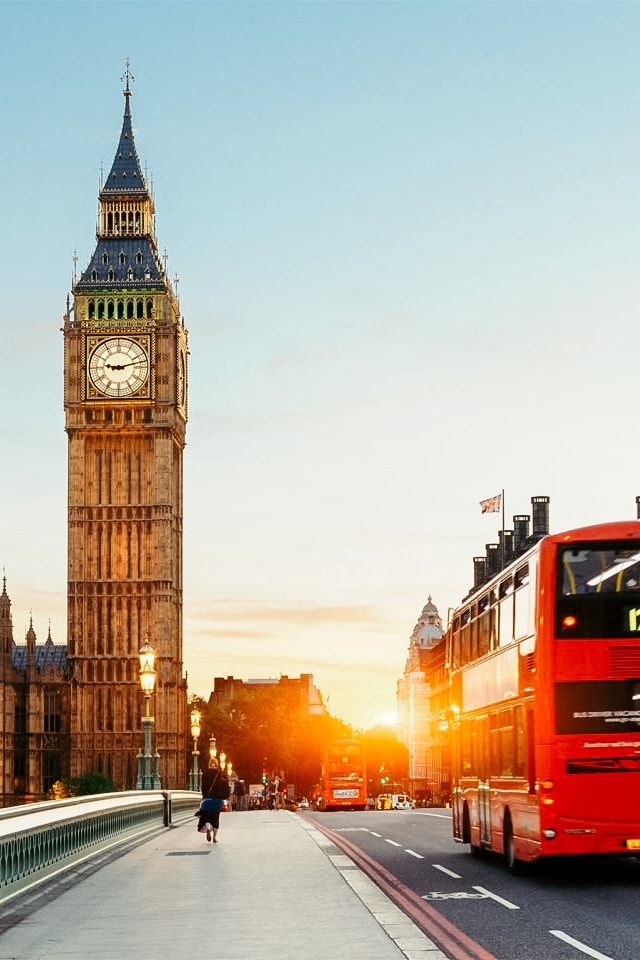
Explore 30+ London sights
Sat, Feb 21 • 1:00 PM
Greater London, W1J 9BR, United Kingdom
View details
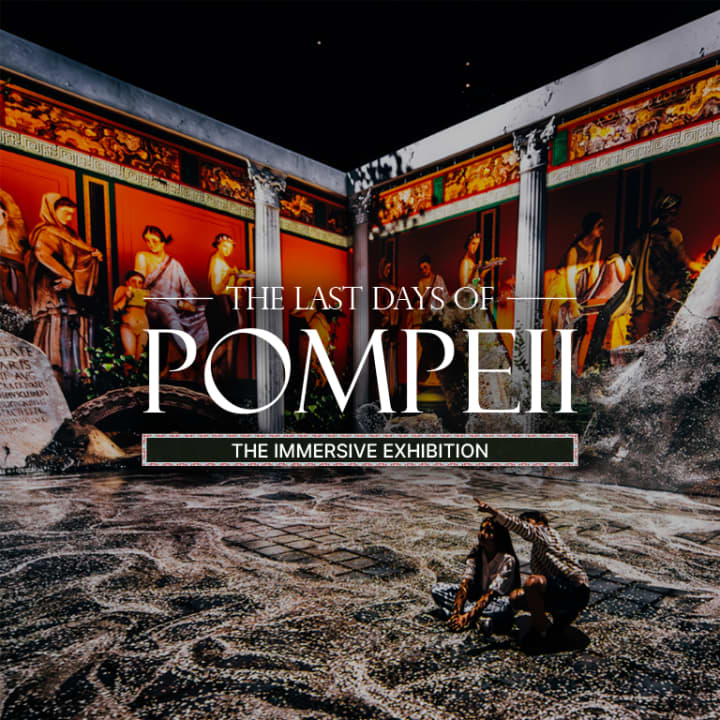
The Last Days of Pompeii: The Immersive Exhibition
Sat, Feb 21 • 2:00 PM
Royal Victoria Dock 1 Western Gateway, E16 1XL
View details
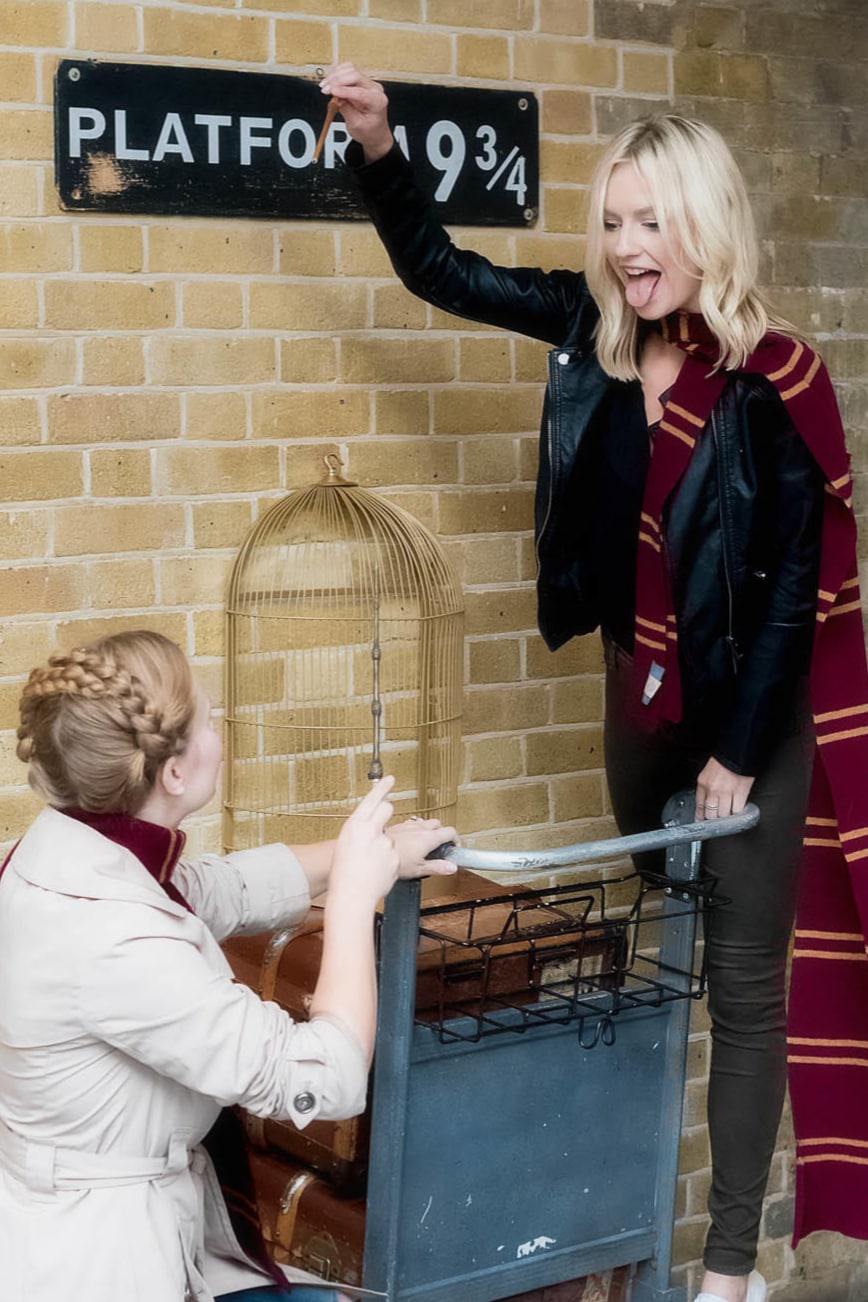
Top-Rated London Harry Potter Tour—Family Friendly
Sat, Feb 21 • 1:30 PM
Greater London, N1 9AP, United Kingdom
View details
Nearby attractions of Millennium Bridge
Tate Modern
Shakespeare's Globe
Sam Wanamaker Playhouse
St. Paul's Cathedral
Tate Modern Garden
Tate Modern Viewing Level
Bankside Gallery
Southwark Bridge
Blackfriars Bridge
Vintners' Hall
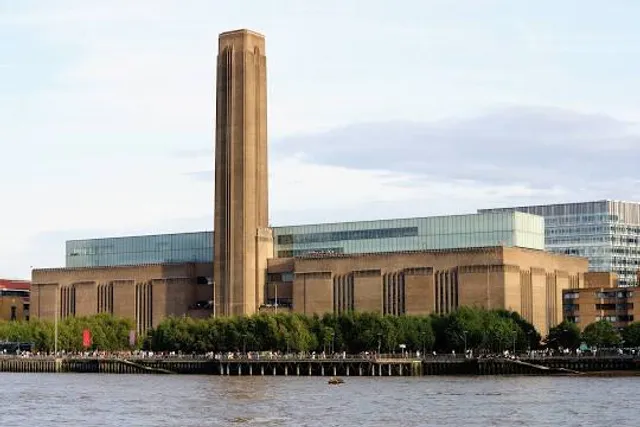
Tate Modern
4.5
(27.4K)
Open until 9:00 PM
Click for details
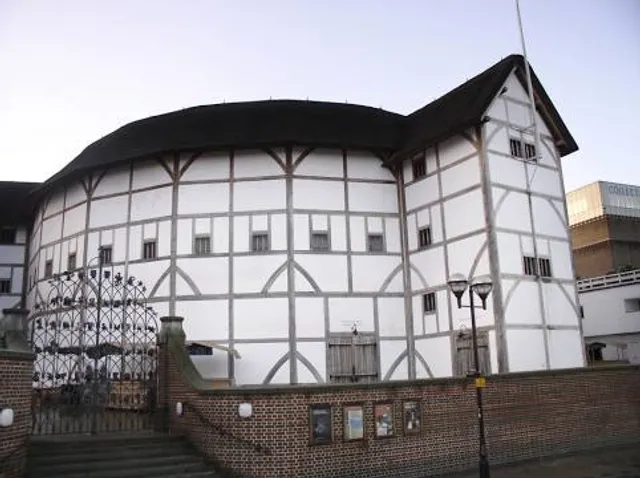
Shakespeare's Globe
4.6
(9.5K)
Open 24 hours
Click for details
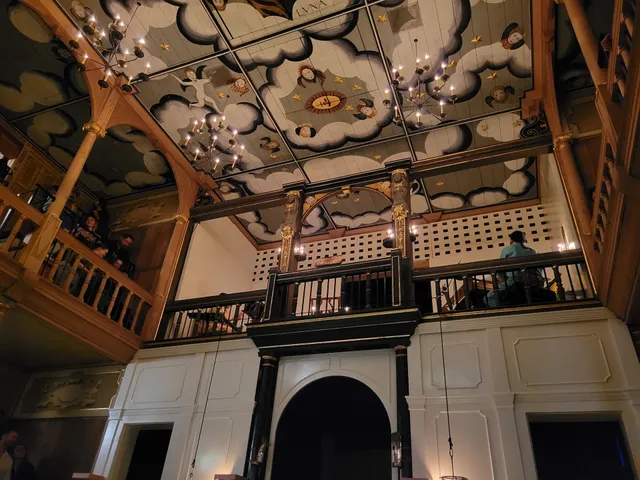
Sam Wanamaker Playhouse
4.7
(477)
Open 24 hours
Click for details
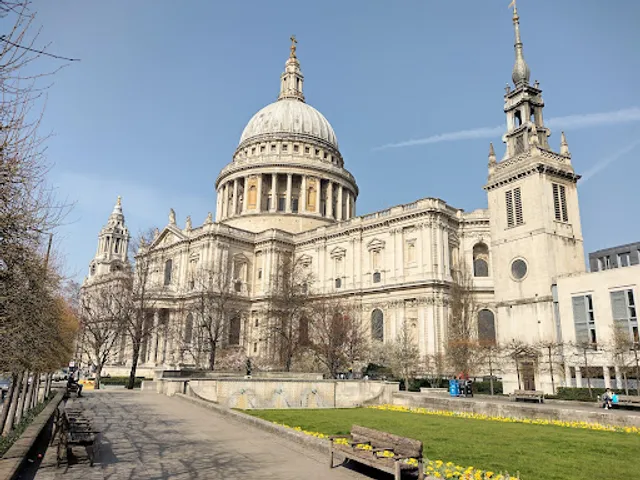
St. Paul's Cathedral
4.7
(19.6K)
Open until 4:30 PM
Click for details
Nearby restaurants of Millennium Bridge
Founder's Arms
Swan London
The Real Greek | Bankside
Samuel Pepys
High Timber Restaurant
Zizzi - Bankside
Tas Pide
The Corner at Tate Modern
Chealsons Coffee Bankside
PizzaExpress
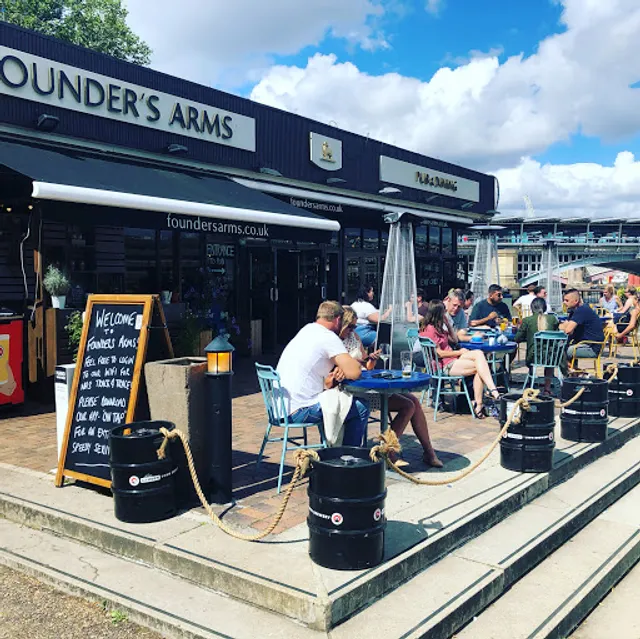
Founder's Arms
4.3
(4.1K)
Open until 12:00 AM
Click for details
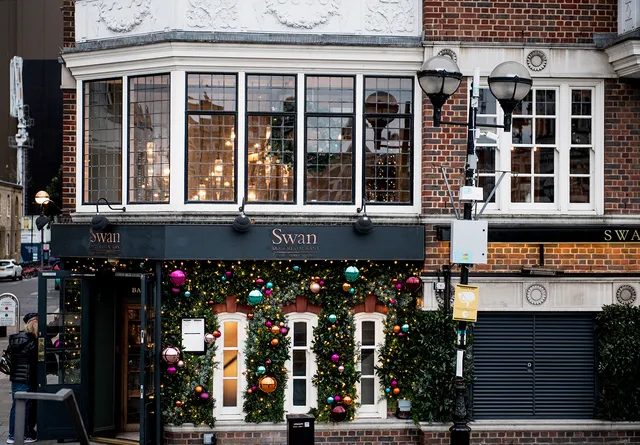
Swan London
4.4
(2.2K)
$$
Open until 12:00 AM
Click for details
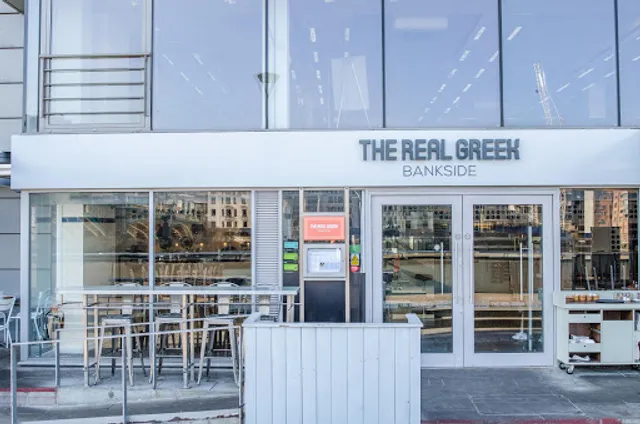
The Real Greek | Bankside
4.3
(2.3K)
Open until 11:00 PM
Click for details
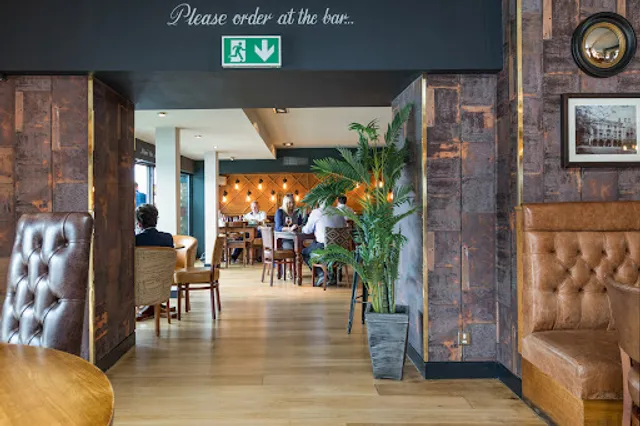
Samuel Pepys
4.3
(446)
Open until 12:00 AM
Click for details
Nearby local services of Millennium Bridge
Muscleworks Southwark
St. Paul's Cathedral
Moulin Roude Studio
Tate Modern Shop
Uber Boat by Thames Clippers - Bankside Pier
One New Change
Blackfriars Pier
Heavenly Spa London
London LGBTQ+ Community Centre
tSmart - Mansion House - Tech Repair Experts

Muscleworks Southwark
5.0
(52)
Click for details
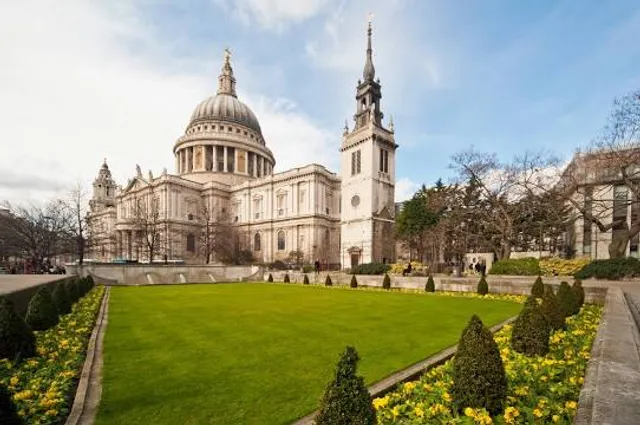
St. Paul's Cathedral
4.6
(14K)
Click for details

Moulin Roude Studio
5.0
(320)
Click for details
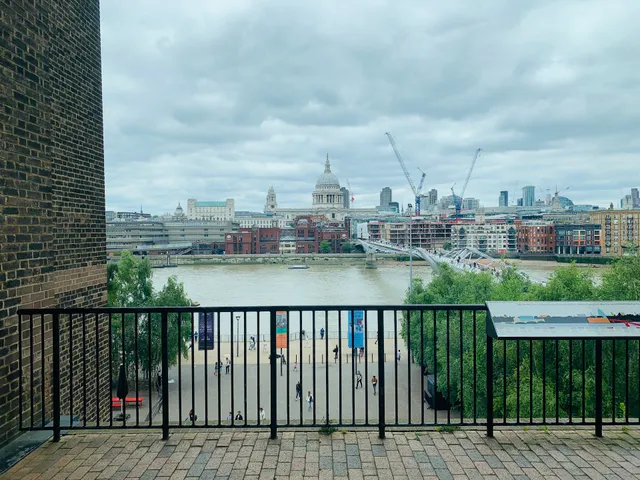
Tate Modern Shop
4.3
(75)
Click for details


The hit list

Plan your trip with Wanderboat
Welcome to Wanderboat AI, your AI search for local Eats and Fun, designed to help you explore your city and the world with ease.
Powered by Wanderboat AI trip planner.



