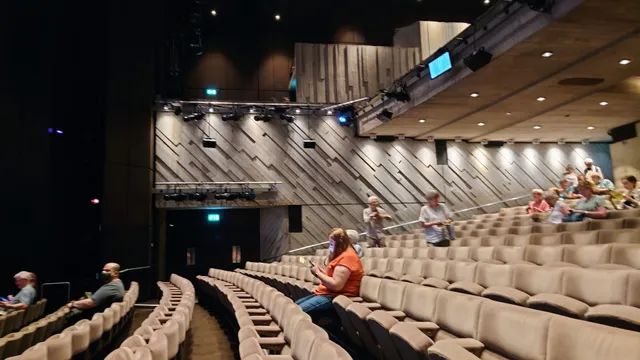
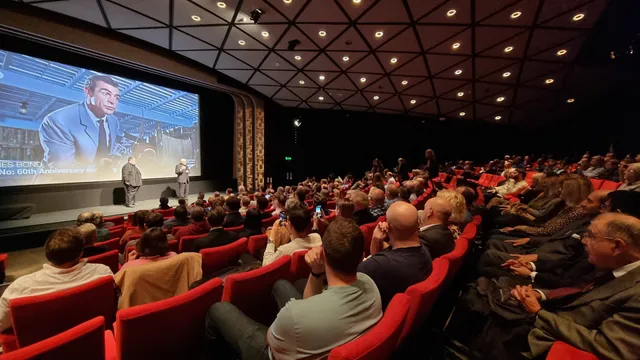
It was the best of times, it was the worst of times. This production left me very conflicted. It seems to be 2 separate plays that run consecutively. How much the whole relates to Ancient Rome or Elizabethan England is, frankly a question I am still thinking about. I made the decision to attend this production solely on the basis of one piece of information. The soliloquy spoken by the lead character, David Oyelowo, sold me the ticket. Theatre visits are a luxury treat for me due to circumstances beyond my control. The few productions I have seen prior to this in the last few years have unfortunately sounded like people reciting telephone directories, so to hear a thespian deliver the meaning of the greatest playwright of the modern era with the gravity it deserves because he's considered the significance of the words in depth, well that immediately spiked my interest. Shakespeare is that rare phenomenon which is almost synesthetic in its ability to make language as a form of music in it's intellectual ability to deliver words with the emotional voracity of the greatest music you ever heard. This is why it's still so special and still untouchable. To say I was excited about this production of the play considered to be "hard core" and difficult is understatement, I could hardly contain myself. Firstly let me start by saying that the National Theatre is phenomenal. Wow, hats off, my first visit, it is amazing. The auditorium, the proximity to the stage, full marks, what a fantastic theatre, it is, kind of half way to being "in the round", which thanks to being a former resident of Scarborough who was lucky enough to attend Alan Ayckbourn's old stomping ground I greatly appreciate. Before anything started there was a very, very interesting set, made of multiple modules of monoliths of the same height but various horizontal dimensions. I have never seen anything like it, it is true genius and again leans towards the in the round tradition. It was utilised in ways I could not have predicted. Again, full marks. Coriolanus is a play about the most successful, most dangerous, most macho, marshall, military human male in a Culture based on the same characteristics who is wronged by a group of sly, crafty politicians on a quest for their own glory and naval gazing. No parallels with today then. This is a morality play. I couldn't help comparing it with Julius Caesar and currently, Donald Trump. The Romans were the most kick-ass Civilization since the Ancient Greek Civilization, with less emphasis on the immaterial in favour of the substantial like engineering (as far as it is known). Elizabethan England was, probably, the most kick-ass group of humans to appear post Rome. I enjoyed the last year of Grammar School thanks to being put through the 11-plus a year early and there was still a great emphasis on Classical Civilization and the discipline brought forth by them which I admired. I was surprised when in the first few moments, one of the first characters who appeared was a woman. I like women, but didn't expect to see a production crammed with them. They were not a prominent up-front feature of Marshall Rome. Priestess, Prostitute, both, plenty of roles but generally in the background unless they were from the ruling elite families. Elizabethan England was similar. If a "woman" appeared on stage "she" most probably looked like "she" had just finished a tour of the worst zone of military conflict because "she" was really a he, who was likely some hairy-assed Special Forces Operative natural born killer. Women were not a feature of Elizabethan theatre. Women, women, women, women, women. By the end of the first act it wasn't just the smoke machine that was making my eyes sting I'm sure the oestrogen was playing it's own significant part. There were minor criticisms like some of the minor characters forgetting to remember you can only project you voice if you are pointing in the right direction. The music and sound effects intruded a couple of times on the sacrosanct lyrics. These are just coaching items for...
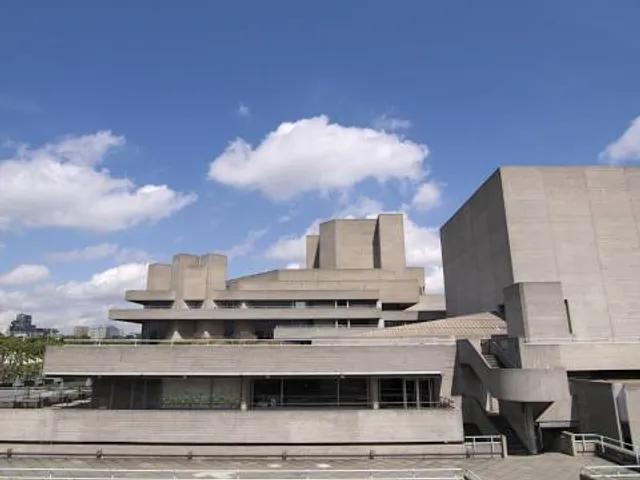
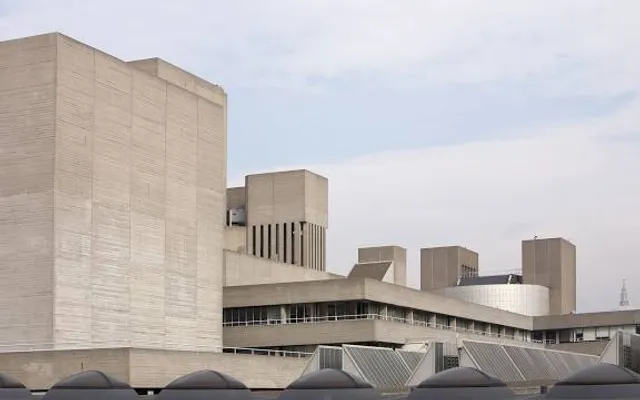
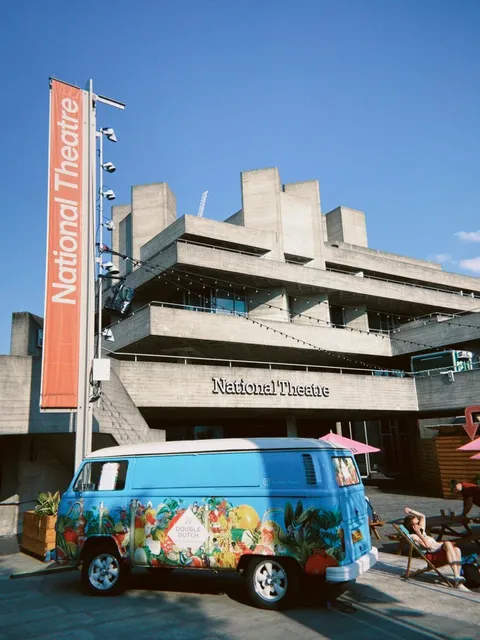
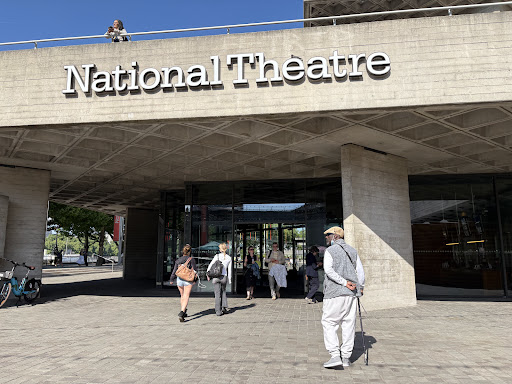
Read moreThe Royal National Theatre in London is a true gem in the world of performing arts. From the moment you step into its modern, architecturally striking building on the South Bank, you’re immersed in a space that celebrates creativity, culture, and community. Whether you're a seasoned theatre-goer or a curious newcomer, the National Theatre offers an experience that is both welcoming and exhilarating.
One of the most impressive aspects of the National Theatre is its commitment to diversity in programming. It consistently showcases a wide range of productions—from classic revivals to bold new works—that reflect the richness of human experience. The recent staging of "The Estate" is a perfect example. This powerful political drama, written by Shaan Sahota and starring the phenomenal Adeel Akhtar, was a masterclass in storytelling. The play tackled complex themes of family, ambition, and identity with wit, intensity, and emotional depth. Akhtar’s performance was nothing short of mesmerizing, capturing the internal conflict of a man torn between public duty and personal demons.
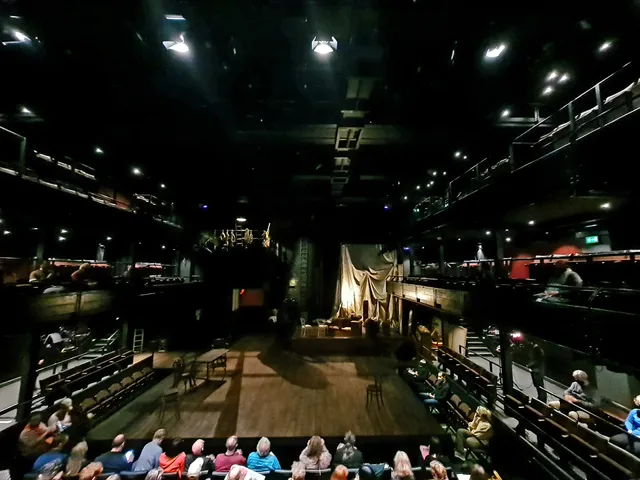
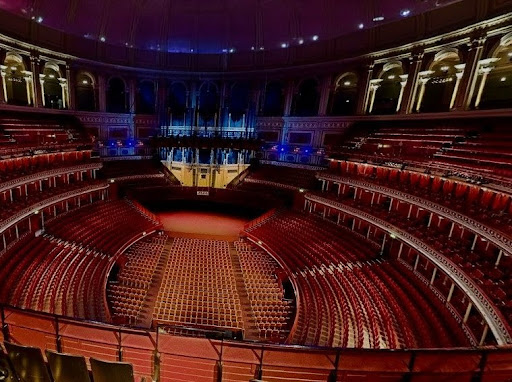
The theatre’s three main stages—Olivier, Lyttelton, and Dorfman—each offer a unique atmosphere, allowing for a variety of theatrical styles and scales. The Olivier Theatre, with its grand design and excellent acoustics, is perfect for epic productions, while the more intimate Dorfman Theatre provides a close-up view of nuanced performances. The technical capabilities of each space are world-class, with stunning set designs, lighting, and sound that elevate every production.
Beyond the performances, the National Theatre excels in its educational and outreach efforts. It offers backstage tours that are both informative and inspiring, giving visitors a behind-the-scenes look at the craftsmanship and dedication that go into each show. The guides are knowledgeable and passionate, making the experience engaging for all ages.
The staff at the National Theatre deserve special mention. From the box office to the ushers, everyone is courteous, helpful, and genuinely enthusiastic about the arts. The atmosphere is relaxed yet professional, making every visit feel special.
The theatre also embraces innovation through its National Theatre Live initiative, which brings high-quality recordings of its productions to cinemas around the world. This not only expands access to great theatre but also showcases the talent and vision of British theatre to a global audience.
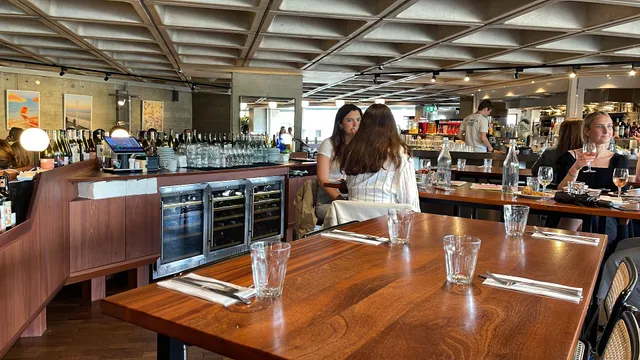
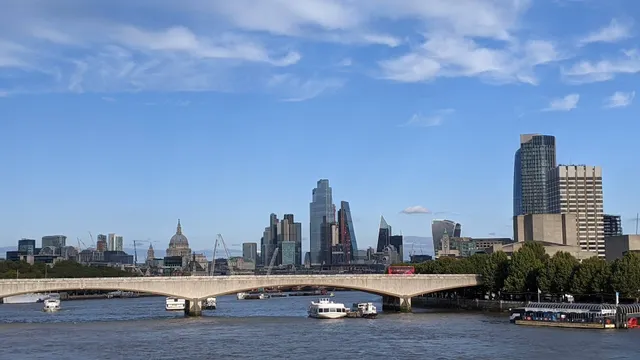
In terms of amenities, the National Theatre offers comfortable seating, excellent sightlines, and a range of dining options that cater to different tastes and budgets. The riverside location adds to the charm, offering beautiful views and a vibrant cultural setting.
Overall, the Royal National Theatre is a beacon of artistic excellence. It continues to push boundaries, nurture talent, and engage audiences in meaningful ways. Whether you're attending a thought-provoking drama, a lively musical, or simply enjoying the ambiance, the National Theatre delivers an unforgettable...
Read moreThere are theatrical experiences that transport, unsettle, delight, or provoke. Then there are those that make you question your life choices—chief among them, buying a ticket. Here We Are, currently (and inexplicably) playing at the National Theatre, falls squarely into the latter category. A production so baffling in its emptiness, so shrill in execution, one leaves not in reflective silence, but in stunned disbelief.
It’s become something of a ritual in London’s theatre scene to cast a few big-screen names, wrap the marketing in the sheen of legacy, slap on a few hyperbolic five-star reviews, and let the ticket sales roll in. Increasingly, it seems less about staging bold, meaningful work and more about celebrity-driven box office bait. And while many productions are using this formula to middling results, Here We Are—the National Theatre’s latest offering—takes the cake. A high-concept, low-delivery spectacle, it is one of the most disappointingly substandard performances this city has served in recent memory.
Billed as the final work of Stephen Sondheim, Here We Are arrives cloaked in prestige and expectation. But reverence alone cannot rescue what is, at best, a meandering pseudo-musical dinner party, and at worst, a tedious symphony of nothingness.
The production opens with a jarring wall of sound—music so loud and mics so piercing, it borders on hostile. The singing is, bluntly, painful. Wobbly notes, strained vocals, and a complete absence of emotional resonance make the score feel like a parody of itself. I found myself watching the actors with sympathy rather than awe—wondering not how they’d landed these roles, but how they were surviving them.
The story—what little there is—concerns a group of people en route to brunch, trapped in a surreal purgatory. That premise might intrigue on paper, but here it dissolves into a muddle of overwrought symbolism, repetitive scenes, and dialogue that feels like a freshman philosophy major’s first attempt at existentialism.
We attempted to power through Act One. We really did. But at the interval, we fled—ears ringing, spirits crushed, and with the sinking feeling we’d fallen victim to the oldest trick in modern theatre marketing: style over substance, name over narrative.
That critics from major publications have anointed this production with glowing five-star reviews is, frankly, baffling. Here We Are isn’t a misunderstood masterpiece. It’s just... bad. A masterclass in how to market a bad product and underdeliver.
One star—for the ushers, whose silent empathy as we exited spoke volumes. And perhaps, a quiet nod to the ambition of tackling Sondheim’s final notes. But ambition without coherence is not art—it’s noise. And Here We Are...
Read more