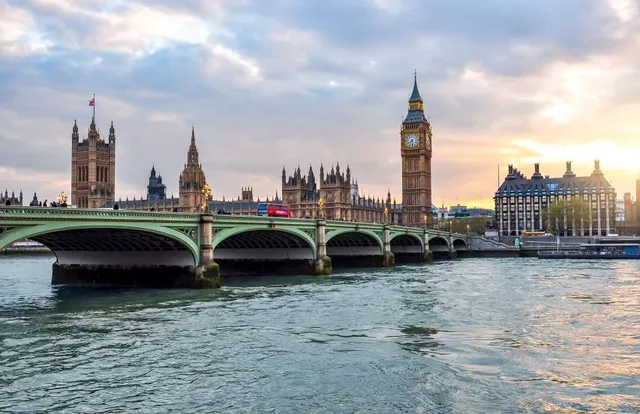
Westminster Bridge is a superb example of 19th-century civil engineering and architectural collaboration, showcasing a sophisticated wrought-iron arch design that balances functionality with the Gothic aesthetic of adjacent Parliament buildings. Commissioned in 1859 and opened in 1862, the bridge spans approximately 826.8 feet in length and measures 88 feet in width, composed of seven segmental arches made primarily from cast iron transitioning to wrought iron near the crown to mitigate vibrational stresses from traffic loads.
From a structural engineering perspective, each arch comprises seven ribs formed of cast iron for most of the span, with wrought iron boiler plates at the flatter crown sections to resist dynamic forces and improve fatigue life. This careful material transition demonstrates advanced understanding of mechanical behavior under repeated loading typical of urban traffic. The arches vary in span between 95 and 120 feet and rise 16 to 20 feet above the high water mark, supported on robust granite piers whose foundations include over 145 timber bearing piles driven to London clay, surrounded by cast-iron cylinder piles and sheet piling acting as permanent cofferdams filled with hydraulic lime concrete. This foundation system ensures durability against river scour and settlement, highlighting the meticulous geotechnical engineering considerations underpinning the bridge.
The granite-faced piers have a tapered design, being wider at the base to effectively distribute loads to the subsoil, with the two central piers being notably substantial—around 17 feet wide at arch springing, containing several thousand cubic feet of stone each. The arches themselves are constructed with a double-layer system: an inner arch turned from Portland stone blocks with a thicker outer Purbeck stone arch bonded above it, providing balanced load distribution and structural equilibrium that allows each arch to stand independently without imposing stress on adjacent spans.
Architects and builders involved include Thomas Page, responsible for the overall engineering design, and Sir Charles Barry, who contributed the Gothic stylistic details enhancing the bridge’s visual integration with the Houses of Parliament. The original 18th-century predecessor was designed by Swiss architect Charles Labelye, marking an enduring engineering heritage for this location.
The bridge’s cast iron fascia panels, weighing collectively over 99 tonnes, were historically vulnerable to cracking due to casting defects and thermal movements, requiring meticulous and heritage-sensitive restoration using spheroidal graphite iron (BS1563 Grade 400/18), advanced metallurgy ensuring higher tensile strength and improved durability. This combination of historic craftsmanship and modern engineering interventions preserves Westminster Bridge as both a functional transport artery and an architectural jewel—celebrated in structural engineering circles for its elegant load paths, material innovation, and sympathetic architectural detailing.
In sum, Westminster Bridge stands as a testament to the synergy of Victorian civil engineering ingenuity and architectural refinement, embodying excellence in structural design, foundation engineering, and heritage conservation, deserving high respect from structural engineers and...
Read moreWestminster Bridge, an iconic crossing over the River Thames in London, is a historic and visually striking landmark that offers stunning views of the city's most famous landmarks. Spanning between Westminster and Lambeth, this bridge holds a significant place in London's history and serves as a bustling thoroughfare for both pedestrians and vehicles.
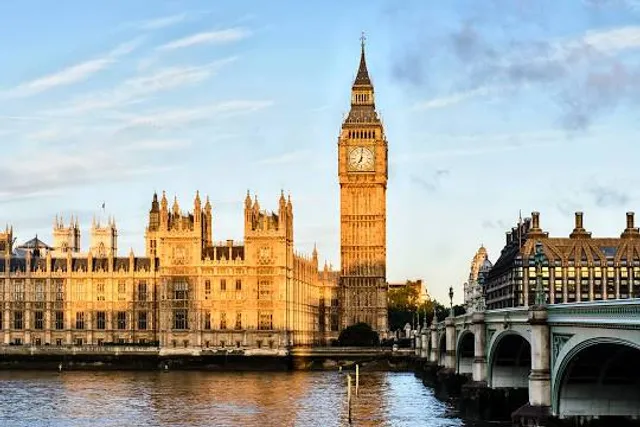
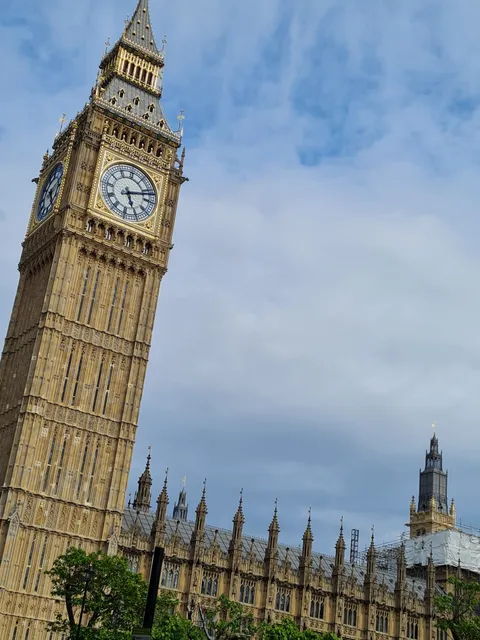
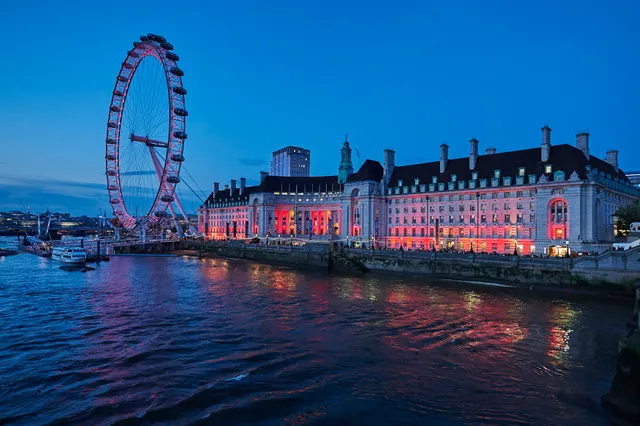
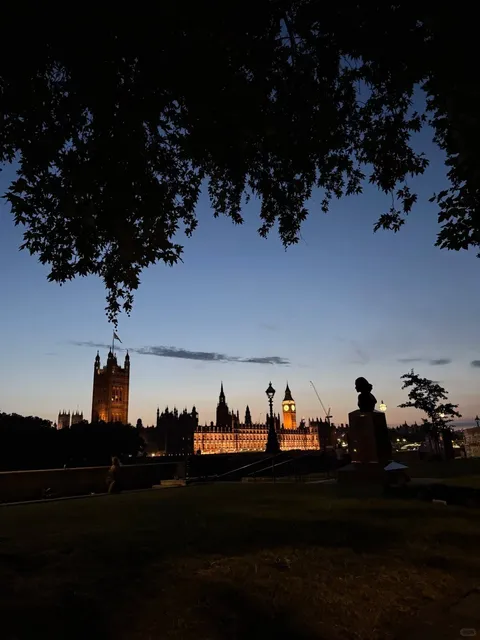
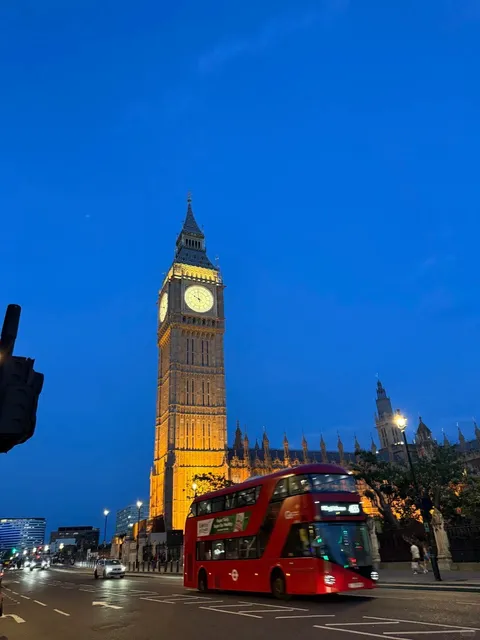
The bridge's distinct green ironwork and intricate detailing make it a recognizable feature of the London skyline. From its vantage point, visitors can enjoy breathtaking views of the Palace of Westminster, including the iconic Big Ben (officially known as the Elizabeth Tower), as well as the majestic dome of St. Paul's Cathedral and the London Eye.
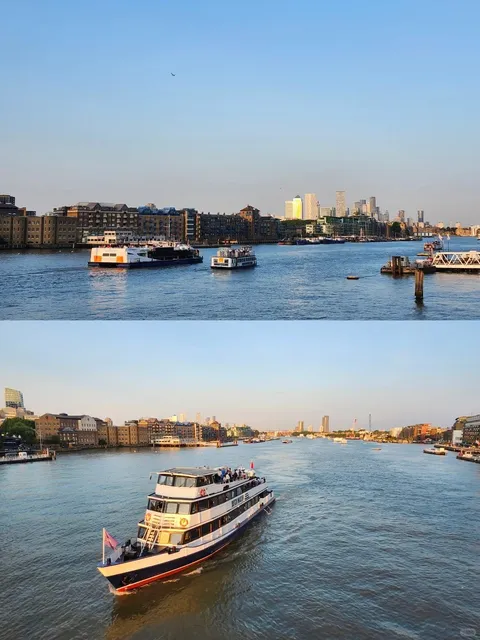
Walking across Westminster Bridge, one can soak in the vibrant atmosphere of the city. The bustling traffic, the bustling crowds, and the sounds of street performers create a lively ambiance that embodies the spirit of London. The bridge offers a prime location for capturing memorable photographs and capturing the essence of the city's bustling energy.
Westminster Bridge is not only a transportation route but also a destination in itself. It provides easy access to some of London's most famous attractions, including the Houses of Parliament, Westminster Abbey, and the Churchill War Rooms. Visitors can explore these historic landmarks and delve into the rich history and culture that surrounds them.
In addition to its historical significance, Westminster Bridge also holds a symbolic value as a testament to London's resilience. The current bridge, opened in 1862, replaced its predecessor, which was a victim of the destructive force of the River Thames. Its reconstruction serves as a testament to London's ability to rebuild and adapt in the face of adversity.
At night, Westminster Bridge transforms into an illuminated spectacle, with its lights reflecting on the river's surface and casting a beautiful glow on the surrounding architecture. The nighttime views of the cityscape from the bridge are truly mesmerizing and provide a unique perspective on London's skyline.
Whether strolling along its pedestrian walkways, crossing the river by car or bus, or simply admiring the views, Westminster Bridge offers a memorable experience for visitors. It combines the historical charm of the city with the vibrant energy of a modern metropolis, creating an ambiance that captures the essence of London.
Westminster Bridge stands as a testament to the timeless allure of London's landmarks and its ability to blend history, culture, and architectural splendor. A visit to this iconic bridge is an invitation to immerse oneself in the rich tapestry of the city and witness its captivating...
Read moreWestminster Bridge is an iconic landmark located in the heart of London, England. It spans the River Thames, connecting the bustling areas of Westminster and Lambeth. As one of the most recognizable bridges in the city, it offers breathtaking views of several iconic structures, making it a popular destination for both tourists and locals.
The bridge's distinct green color, ornate ironwork, and gothic-style lampposts contribute to its unique and charming appearance. It was designed by engineer Thomas Page and completed in 1862, replacing an earlier bridge that had stood at the same location.
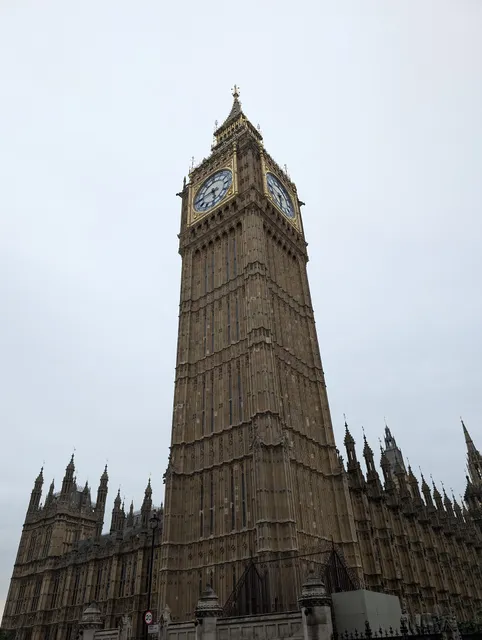
One of the most striking features of Westminster Bridge is its strategic location, offering stunning panoramic vistas of several significant landmarks along the River Thames. From the bridge, visitors can admire the majestic Big Ben and the clock tower of the Palace of Westminster, which is often mistakenly referred to as "Big Ben" itself. This view is especially captivating at dusk, when the lights of these historic structures create a magical ambiance.
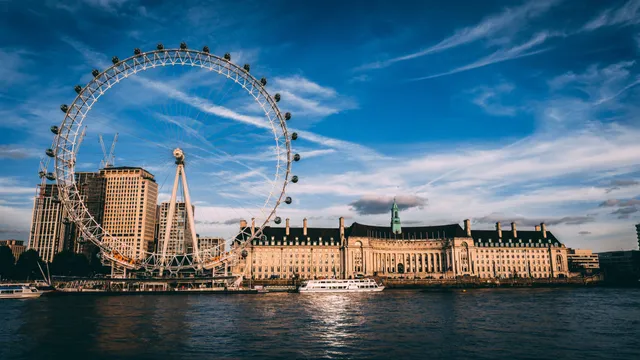
Westminster Bridge also provides a view of the London Eye, a giant observation wheel located on the South Bank of the river. This modern addition contrasts with the historic architecture nearby, showcasing London's unique blend of the old and the new.
The bridge's central location makes it an essential part of London's transportation network, connecting major roadways and facilitating the movement of vehicles and pedestrians. It has also been featured in various works of art, literature, and film, adding to its cultural significance.
As a cherished destination on Google Maps, Westminster Bridge offers users the chance to virtually explore this iconic landmark. From tracing the paths across the bridge to admiring the breathtaking views of London's skyline, Google Maps allows users to embark on a captivating visual journey through the charm and history of Westminster Bridge.
Westminster Bridge's role in connecting historic and modern London, along with its captivating views of iconic landmarks, makes it a must-visit location for those seeking to immerse themselves in the rich cultural tapestry of the city. Google Maps serves as a gateway to this extraordinary bridge, allowing users to connect with its allure and significance from anywhere...
Read more