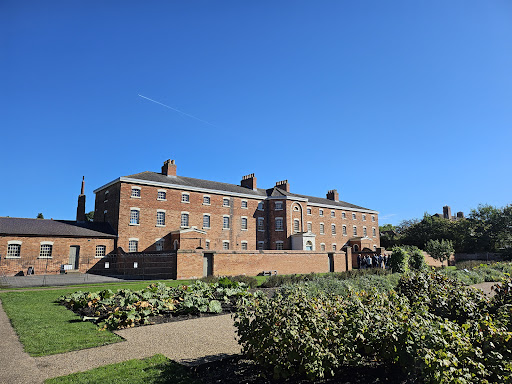
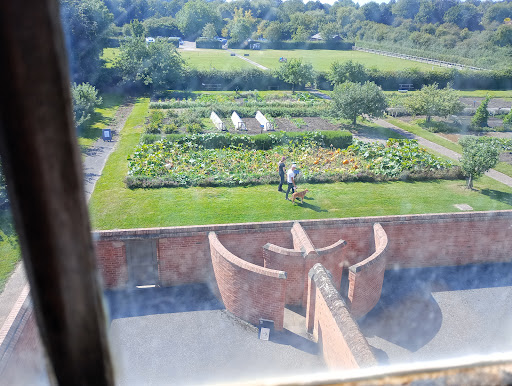
National Trust - The Workhouse, Southwell things to do, attractions, restaurants, events info and trip planning
Basic Info
National Trust - The Workhouse, Southwell
Caudwell House, Upton Rd, Southwell NG25 0PT, United Kingdom
4.7(1.1K)
Open until 12:00 AM

tickets
Save
spot
spot
Ratings & Description
Info
The Workhouse, also known as Greet House, in the town of Southwell, Nottinghamshire, England, is a museum operated by the National Trust, opened to the public in 2002.
Cultural
Family friendly
attractions: , restaurants: The Final Whistle, Old Coach House, Hearty Goodfellow, Reg Taylor's Tea Rooms, Lasani, Spice Club, The Wheatsheaf, local businesses: The House Of Cars Southwell Ltd, Nottingham, Farm to Fork Family Butcher's, Southwell Market
 Learn more insights from Wanderboat AI.
Phone
+44 1636 817260
Website
nationaltrust.org.uk
Open hoursSee all hours
WedClosedOpen
Plan your stay

Pet-friendly Hotels in Newark and Sherwood
Find a cozy hotel nearby and make it a full experience.

Affordable Hotels in Newark and Sherwood
Find a cozy hotel nearby and make it a full experience.

The Coolest Hotels You Haven't Heard Of (Yet)
Find a cozy hotel nearby and make it a full experience.

Trending Stays Worth the Hype in Newark and Sherwood
Find a cozy hotel nearby and make it a full experience.
Reviews
Live events

Secret Society of Nottingham: A Detective City Game
Thu, Jan 1 • 12:00 AM
1 Cheapside, Nottingham NG1 2HU, United Kingdom, NG1 2HU
View details
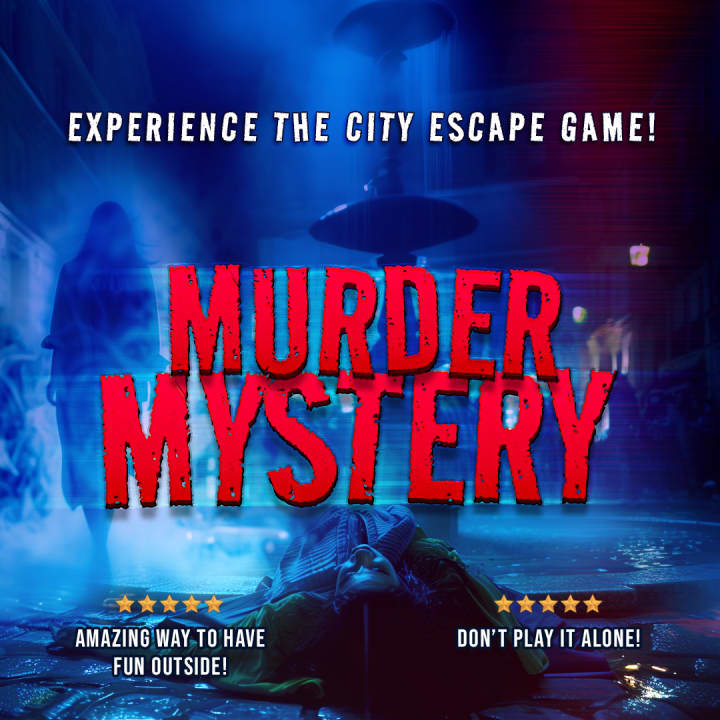
Nottingham Murder Mystery: Death in the Shadows
Thu, Jan 1 • 12:00 AM
1 Cheapside, Nottingham, NG1 2HU
View details

Vision Board Workshop
Thu, Jan 15 • 6:00 PM
ARC Space | Nottingham Coworking, Western Street, Nottingham, United Kingdom
View details
Nearby restaurants of National Trust - The Workhouse, Southwell
The Final Whistle
Old Coach House
Hearty Goodfellow
Reg Taylor's Tea Rooms
Lasani
Spice Club
The Wheatsheaf
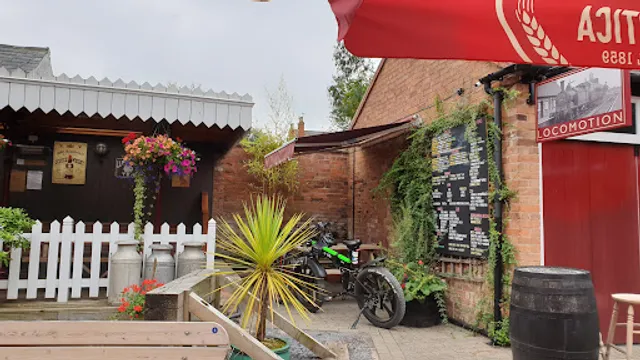
The Final Whistle
4.7
(456)
Closed
Click for details

Old Coach House
4.6
(124)
Open until 12:00 AM
Click for details
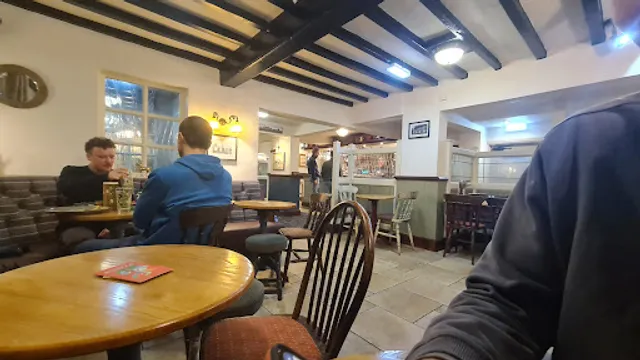
Hearty Goodfellow
4.5
(309)
Closed
Click for details
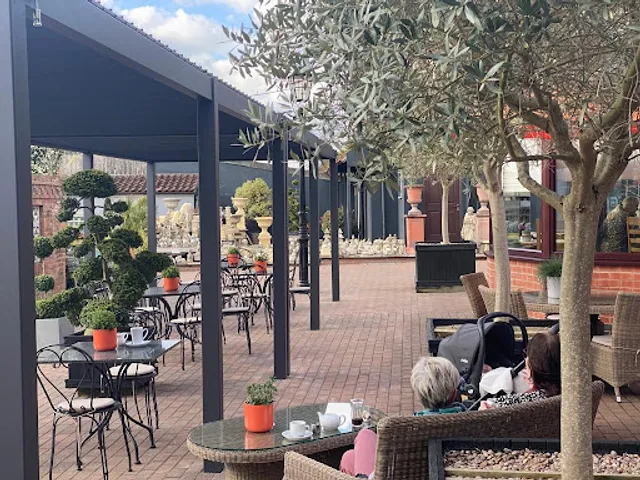
Reg Taylor's Tea Rooms
4.2
(21)
Closed
Click for details
Nearby local services of National Trust - The Workhouse, Southwell
The House Of Cars Southwell Ltd, Nottingham
Farm to Fork Family Butcher's
Southwell Market

The House Of Cars Southwell Ltd, Nottingham
4.6
(82)
Click for details
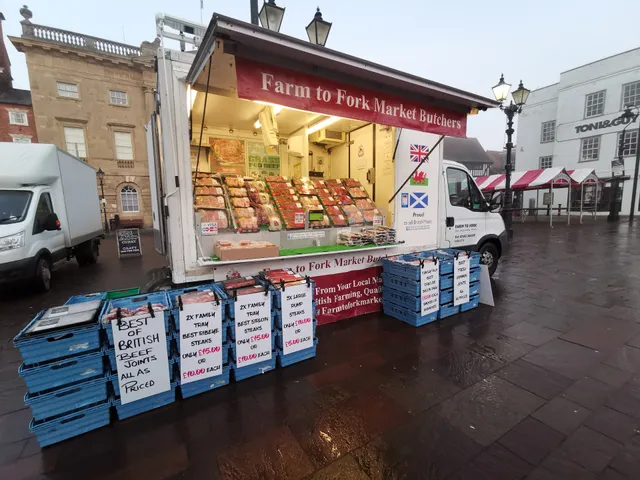
Farm to Fork Family Butcher's
4.8
(10)
Click for details

Southwell Market
4.5
(32)
Click for details