Worsley Delph, nestled in the picturesque village of Worsley, is a hidden gem rich in history and natural beauty. This man-made canal basin, once a crucial hub for the Industrial Revolution, is now a peaceful retreat that attracts history buffs, nature enthusiasts, and families alike.
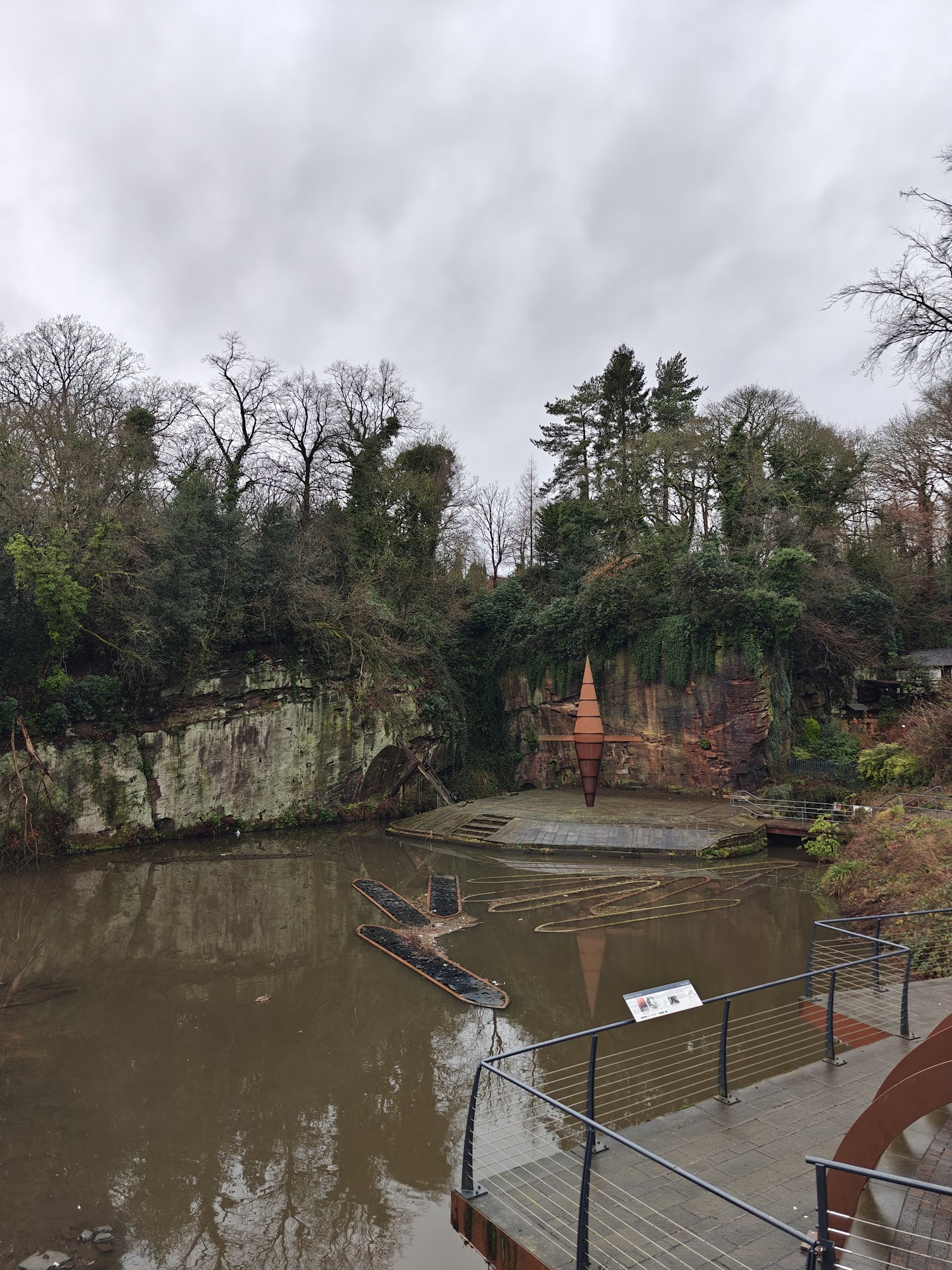
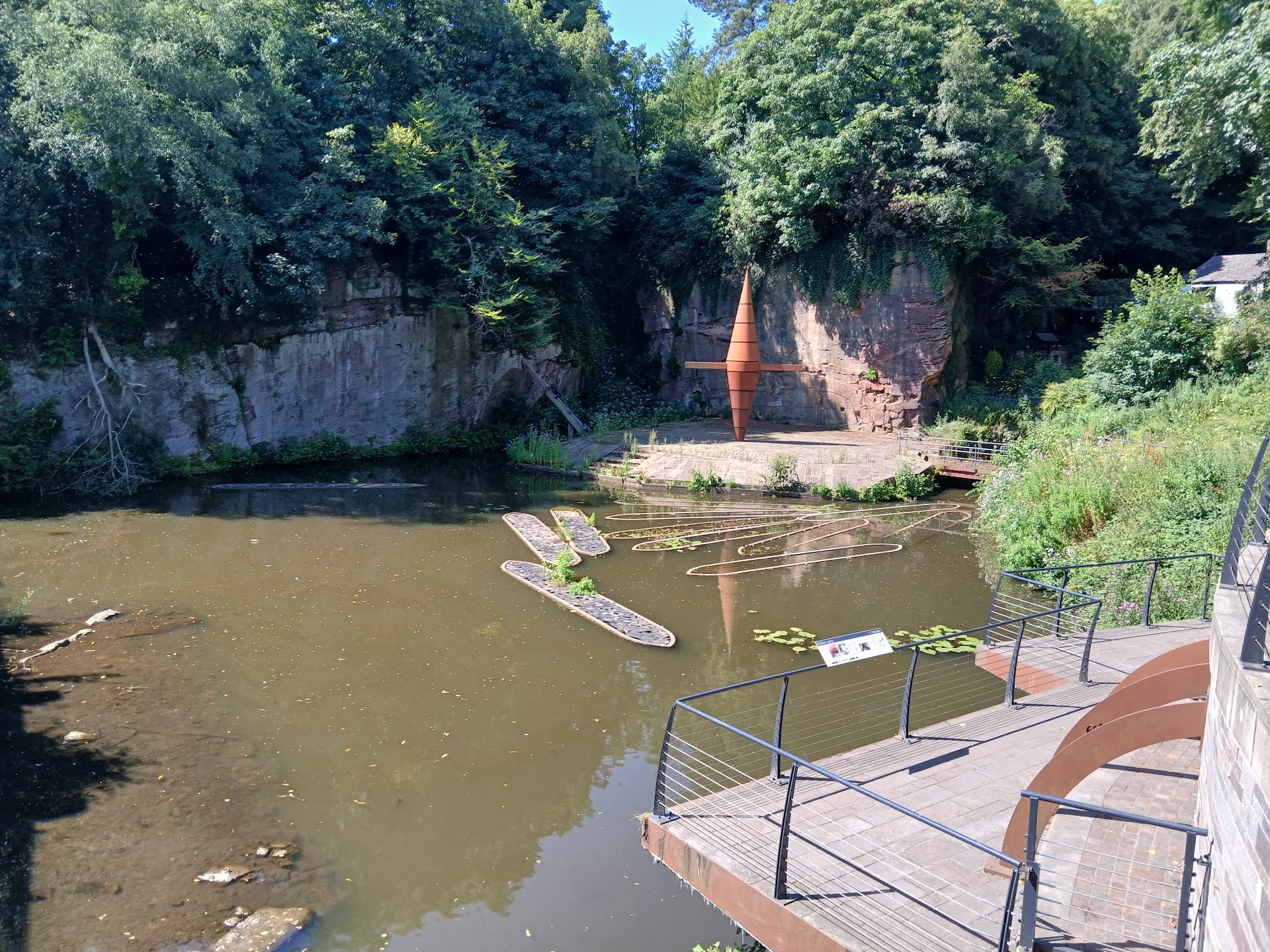
History and Heritage The Delph's historical significance lies in its role as the starting point of the Bridgewater Canal, engineered by James Brindley in the 18th century. This innovation transformed transportation and coal mining in the region, earning Worsley its place in industrial history. Walking around the Delph, you can still see the remains of the old canal tunnels and mining infrastructure, offering a fascinating glimpse into the past.
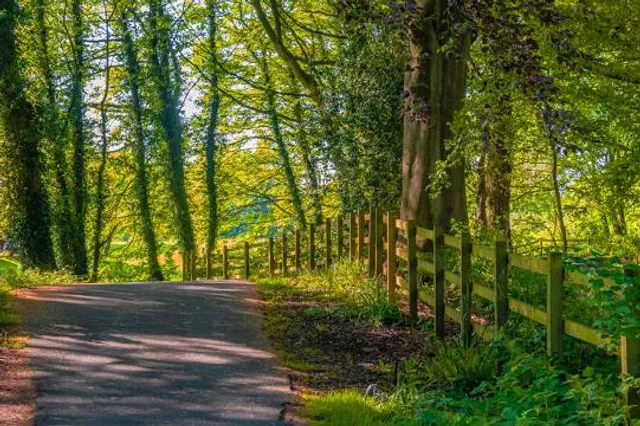
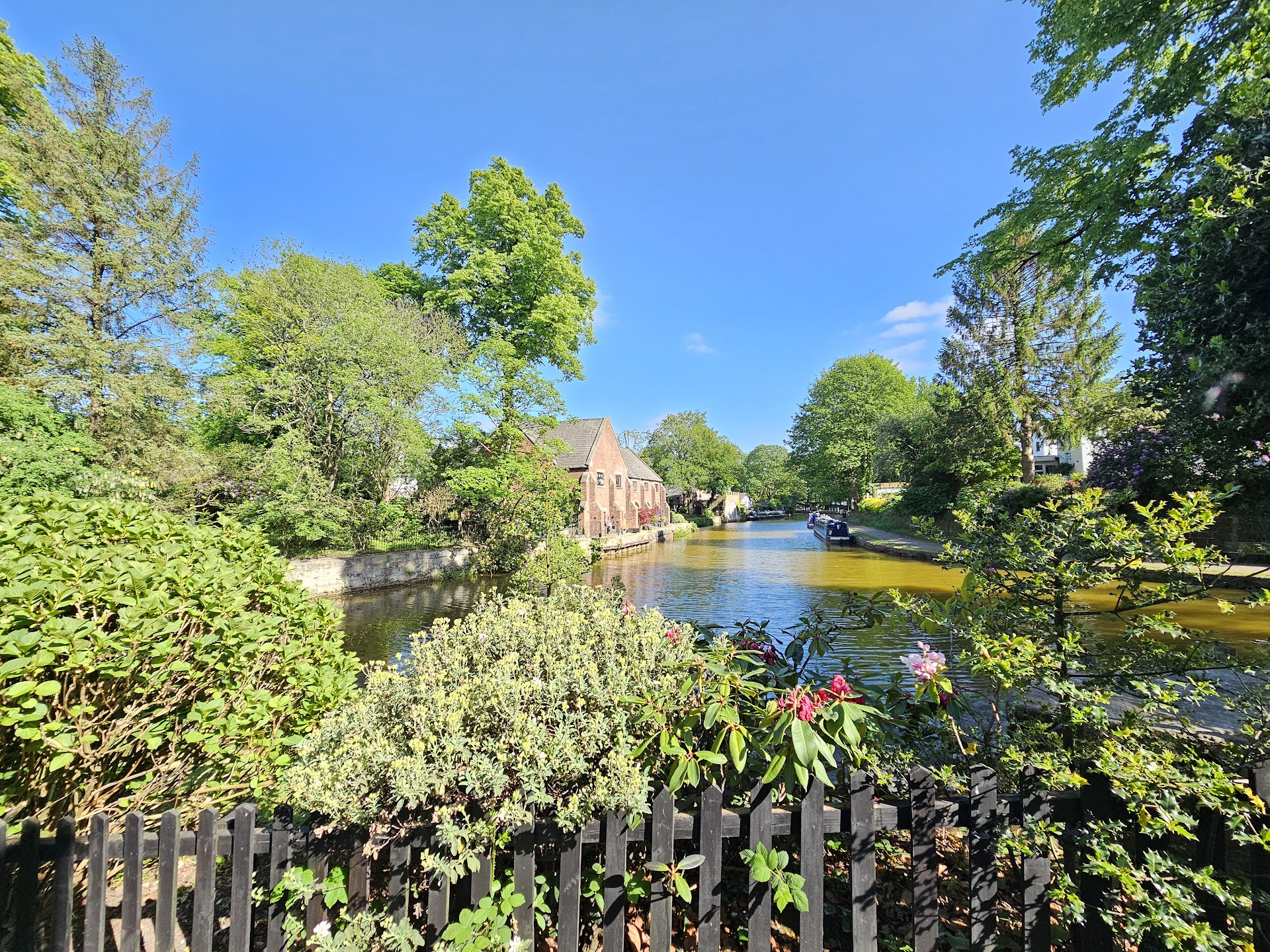
Scenic Beauty Surrounded by lush greenery and tranquil waters, the Delph is a haven for those seeking a quiet escape. The well-maintained pathways and seating areas make it an excellent spot for a leisurely stroll or a reflective moment by the water. The interplay of historical ruins with natural elements creates a unique charm that feels both serene and inspiring.
Activities For outdoor enthusiasts, the Delph offers walking and cycling routes that connect to the broader Bridgewater Way. It’s also a fantastic spot for photography, with its combination of natural beauty and historical features. Nearby cafes and pubs provide opportunities to relax and enjoy the local community's warmth.
Educational Value Worsley Delph is not just a scenic destination but an educational experience. Information boards and guided tours provide insights into its industrial past, making it an enriching visit for children and adults alike.
Accessibility The site is easily accessible and well-signposted, with nearby parking facilities. The paths are relatively flat, making it suitable for visitors of all ages and mobility levels.
Conclusion Worsley Delph is a must-visit destination for anyone interested in history, nature, or a peaceful day out. Its unique blend of industrial heritage and scenic charm makes it a standout attraction in Greater Manchester. Whether you're exploring its history or simply enjoying the views, the Delph offers an experience that is both relaxing and...
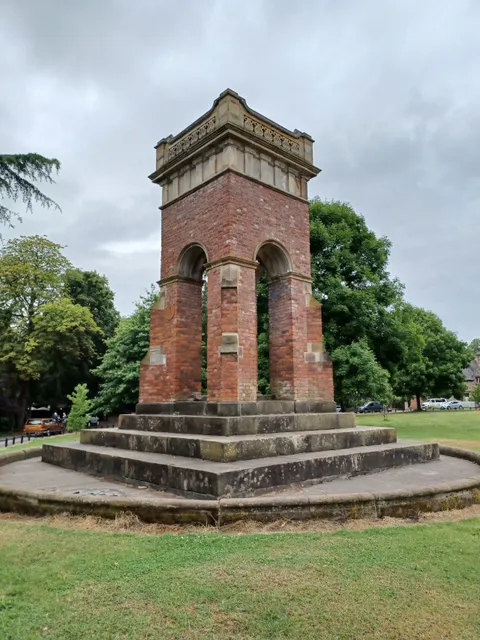
Read moreI grew up in Worsley, or Roe Green to be exact, 1965 to 1980 and so the area was formational in my life. I went school at St Marks, I was a Cub and Scout at 2nd Worsley Scouts based at the Oil Store, played in Worsley woods and eventually got very drunk, many times, in The Bridgewater and Cock public Houses. I drive past on the M62, which I saw being built (and rode my bicycle on before being opened) but haven't been back for a long time. So today I got the chance and it hasn't changed very much really. The Oil Store is now a multiple occupancy building but looking resplendent in the sunshine, the Packet House, Nail makers house and alphabet bridge still exactly like it was. The canal, although not as orange as it once was, still bears the unique colour it had when we used to fall in from the boats we paddled about from Scouts. Round and on the Boothstown leg you come to the crane which is used to lift the canal block. Then to the left is a small track which used to have Dodds sweet shop at the bottom and 'The Old Nick' at the top ( which was Worsley's Police Station. Back, past the Oil Store and to the bridge where, in the late 1960's I watched as HM Queen Elizabeth II stood and waved to me, dressed as I was, in my Cub uniform..... She did, I'm sure it was me she waved at. It is still there, although not newly painted anymore. Then onto Worsley Green and the Works Yard forge monument. I could be wrong but I'm sure I remember the fountain worked when I was a child. All in all a pleasant hours walk, which much...
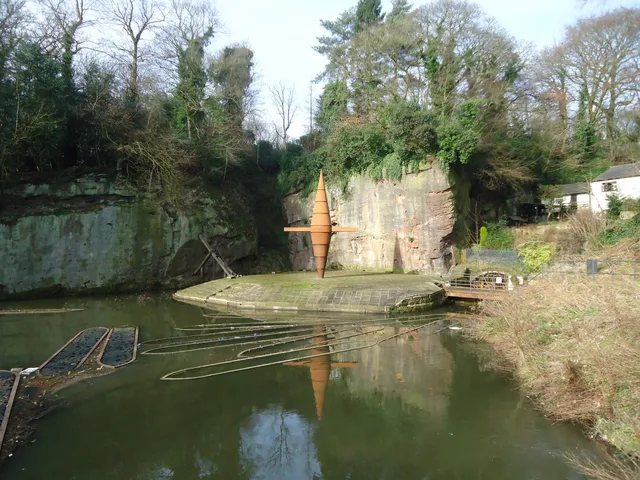
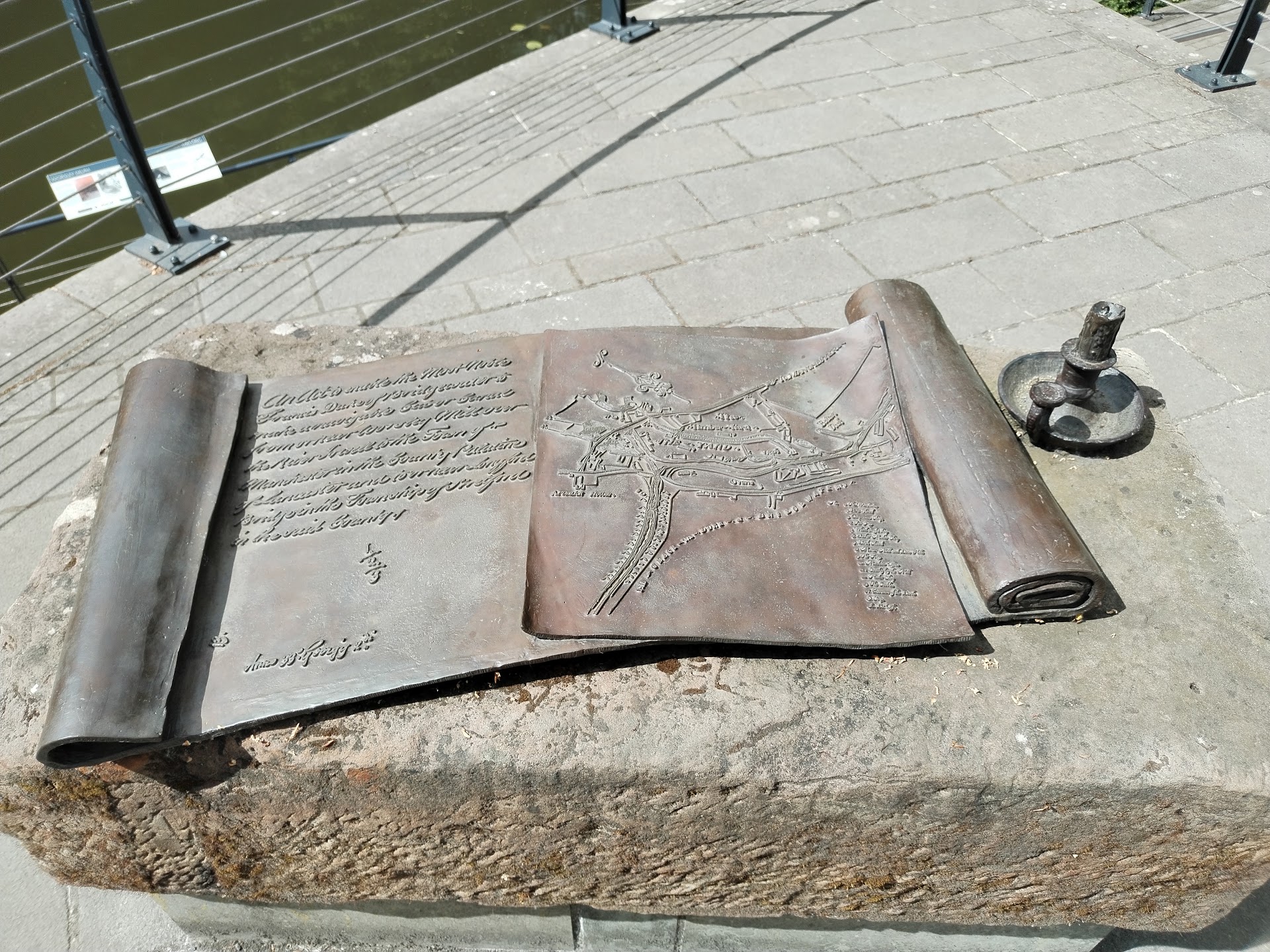
Read moreA scheduled monument which is free to visit. This was the entrance to the Duke's underground mines. Two entrances, built years apart allowed access to the Starvationer boats, the largest of which could carry 12 long tons of coal. Many of the features at Worsley Delph date back to the 18th century. There is a stepped viewing platform from which to view the site and the many accompanying artworks, designed by Bronzecast. The main centre piece is a reimagining of the original crane that was used in the quarry. Some 300 years later, the Delph became the start of the first industrial canal in the country. The canal was the vision of Francis Egerton, the 3rd Duke Of Bridgewater. The entrance to the underground part of the canal system can still be seen today. 52 miles of canal in this underground network. The side effect of the coal mining was that lots of iron ore leached into the water, staining it the orange rust colour you can see. The underground canal was closed in 1888 and coal got transported via the above ground railways instead. Very interesting historical site with lots of information boards. Has been well put together and displayed....
Read more