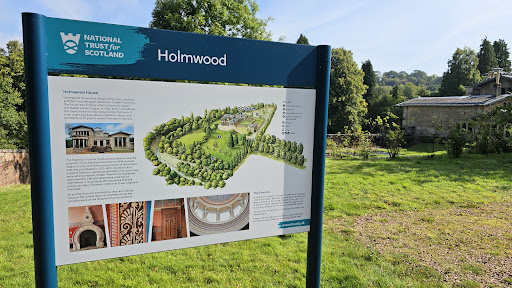
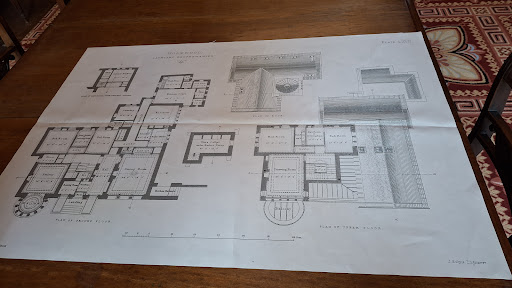
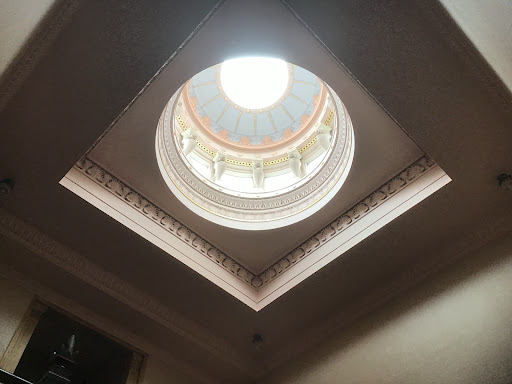
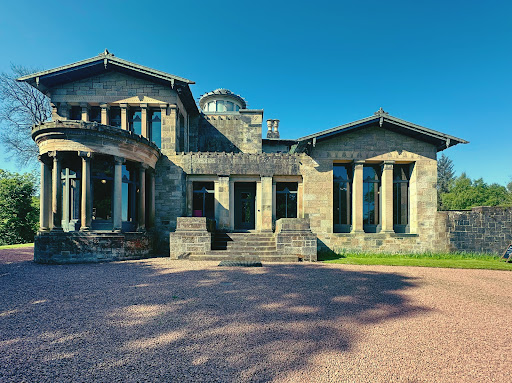
Holmwood House (National Trust for Scotland) things to do, attractions, restaurants, events info and trip planning

Basic Info
Holmwood House (National Trust for Scotland)
61-63 Netherlee Rd, Glasgow G44 3YU, United Kingdom
4.5(185)
Open 24 hours

tickets
Save
spot
spot
Ratings & Description
Info
Cultural
Relaxation
Scenic
Family friendly
Accessibility
attractions: Linn Park, restaurants: The Old Smiddy, The Bank Glasgow, Ashoka South Side, E-Street Café, Newlands Home Bakery, Café Mira, The Coffee Cup, The Old Fruit Shop, Soup's On and the cake lady, Grain and Grind Cathcart, local businesses: Cyclelane, Cathcart Cemetery, The Country Shop, Amante Pizza, Cuckoo Boutique Glasgow, Shazz's German Donner & Desserts
 Learn more insights from Wanderboat AI.
Phone
+44 141 571 0184
Website
nts.org.uk
Plan your stay

Pet-friendly Hotels in Sheffield
Find a cozy hotel nearby and make it a full experience.

Affordable Hotels in Sheffield
Find a cozy hotel nearby and make it a full experience.

The Coolest Hotels You Haven't Heard Of (Yet)
Find a cozy hotel nearby and make it a full experience.

Trending Stays Worth the Hype in Sheffield
Find a cozy hotel nearby and make it a full experience.
Reviews
Live events
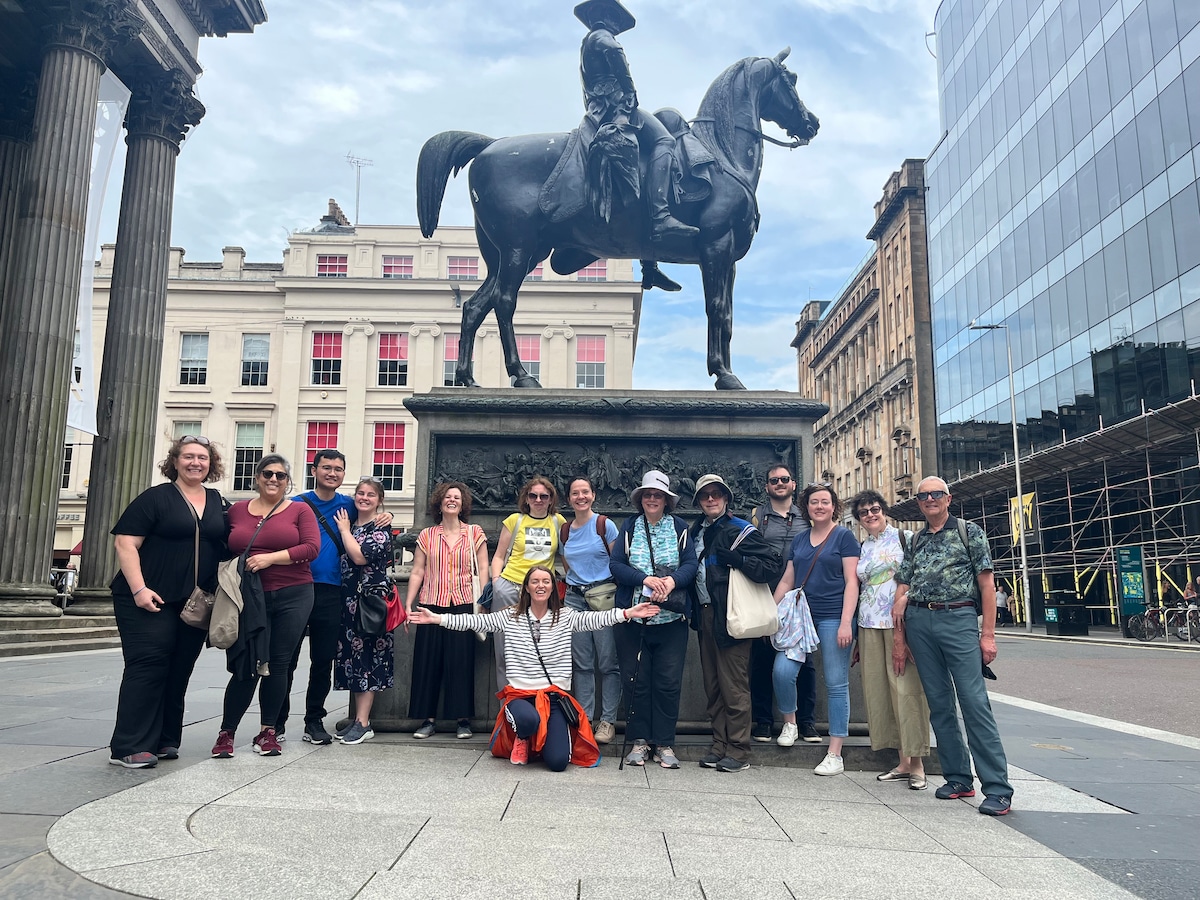
Glasgow Essentials Tour with a Local
Mon, Jan 26 • 10:30 AM
Glasgow, AB10 1AB, United Kingdom
View details

Candlelight: The Best of Hans Zimmer
Sat, Jan 31 • 6:15 PM
Grand Hall, 7 West George Street, Glasgow, G2 1BA
View details

Uncover hidden history of Glasgow’s city center
Mon, Jan 26 • 10:30 AM
N/A
Glasgow, G1, United Kingdom
View details
Nearby attractions of Holmwood House (National Trust for Scotland)
Linn Park
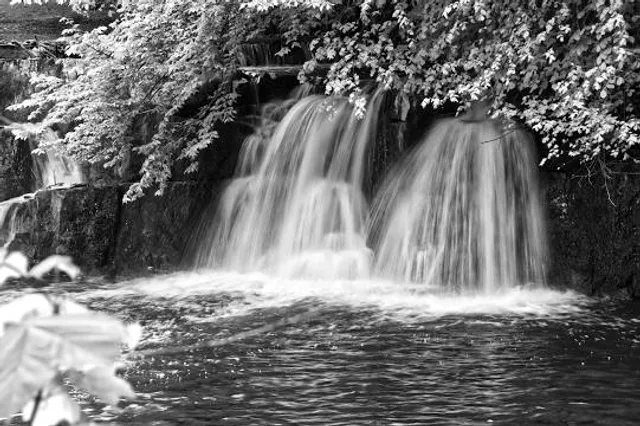
Linn Park
4.5
(764)
Open until 12:00 AM
Click for details
Nearby restaurants of Holmwood House (National Trust for Scotland)
The Old Smiddy
The Bank Glasgow
Ashoka South Side
E-Street Café
Newlands Home Bakery
Café Mira
The Coffee Cup
The Old Fruit Shop
Soup's On and the cake lady
Grain and Grind Cathcart
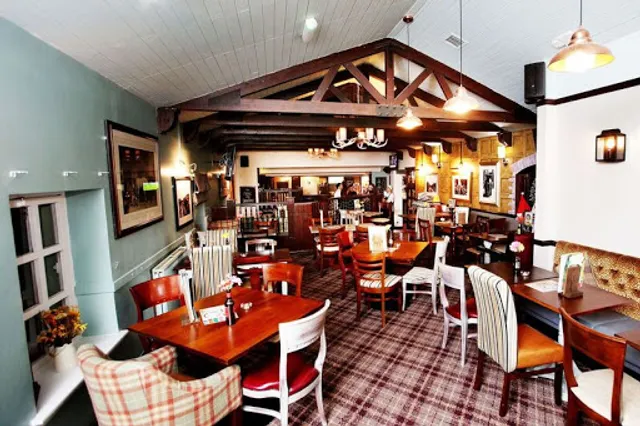
The Old Smiddy
4.6
(533)
Closed
Click for details
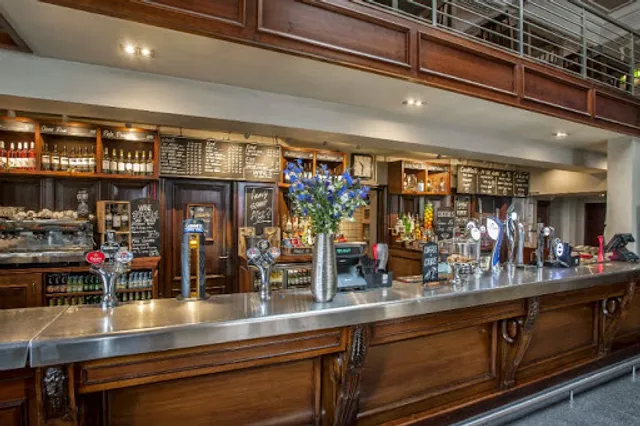
The Bank Glasgow
4.4
(374)
Closed
Click for details
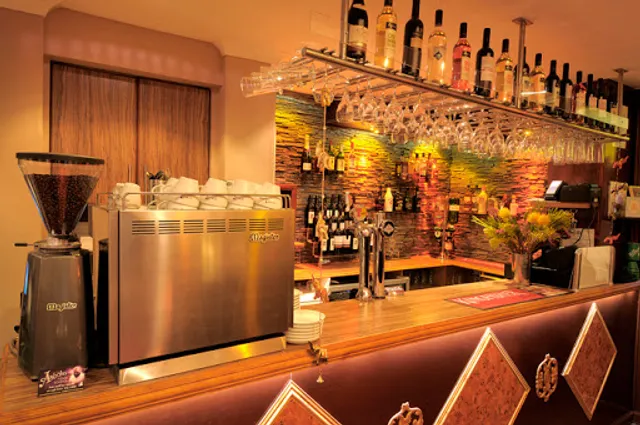
Ashoka South Side
4.3
(266)
Closed
Click for details
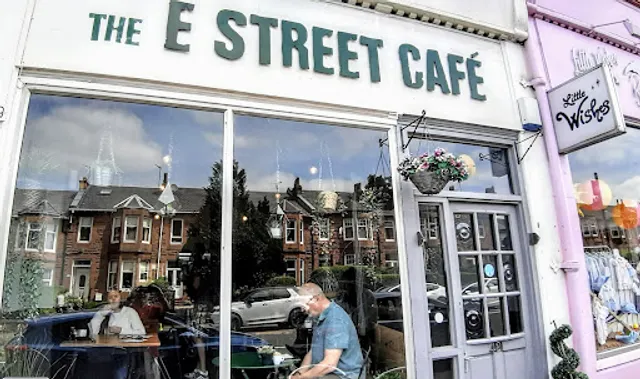
E-Street Café
4.9
(131)
Closed
Click for details
Nearby local services of Holmwood House (National Trust for Scotland)
Cyclelane
Cathcart Cemetery
The Country Shop
Amante Pizza
Cuckoo Boutique Glasgow
Shazz's German Donner & Desserts

Cyclelane
4.8
(203)
Click for details

Cathcart Cemetery
4.8
(16)
Click for details

The Country Shop
4.9
(54)
Click for details
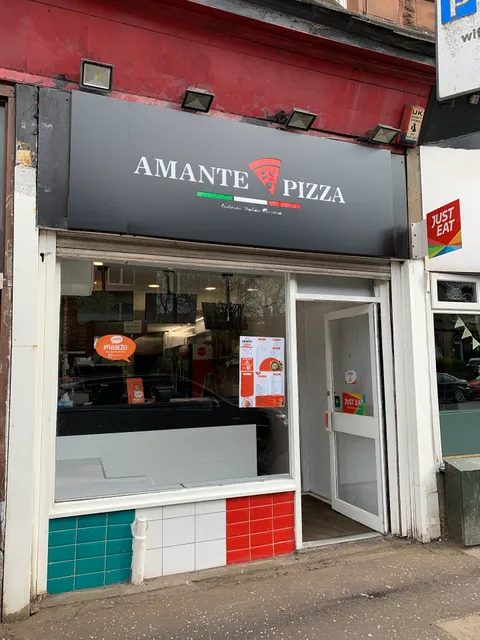
Amante Pizza
4.0
(40)
Click for details