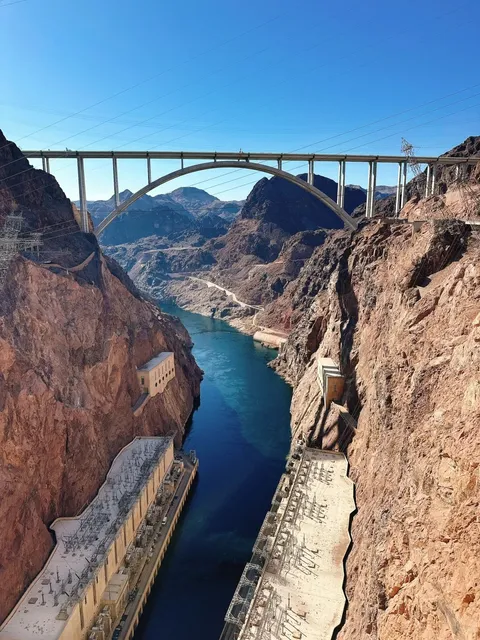
A Majestic Marvel: Review of the Hoover Dam
The Hoover Dam is not just a monumental structure; it’s a symbol of human ingenuity, ambition, and resilience. Constructed during the Great Depression, it stands as a testament to the determination and collaborative effort of thousands who sought to tame the mighty Colorado River. This engineering masterpiece, completed in 1935, continues to inspire awe nearly a century later.
What Makes It Exceptional? Engineering Feat: At the time of its construction, the Hoover Dam was the tallest dam in the world. Its construction involved revolutionary techniques that paved the way for modern civil engineering projects. Power Generation: With its hydroelectric power plant, the dam provides renewable energy to multiple states, including Arizona, Nevada, and California, serving millions of people annually. Water Resource Management: Beyond electricity, the dam plays a crucial role in water storage, irrigation, and flood control, making life in the arid Southwest more sustainable.
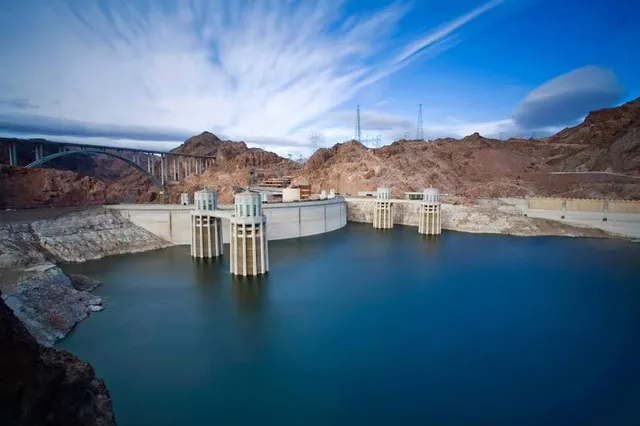
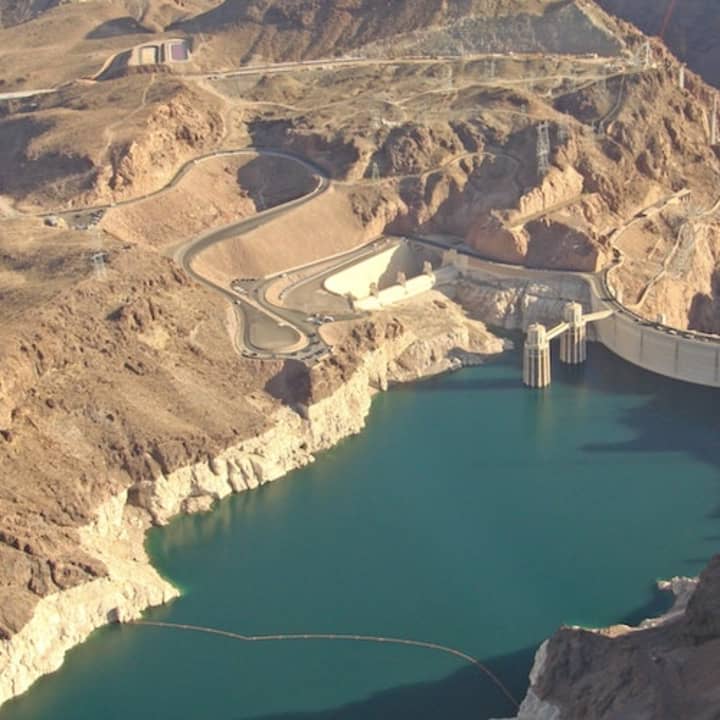
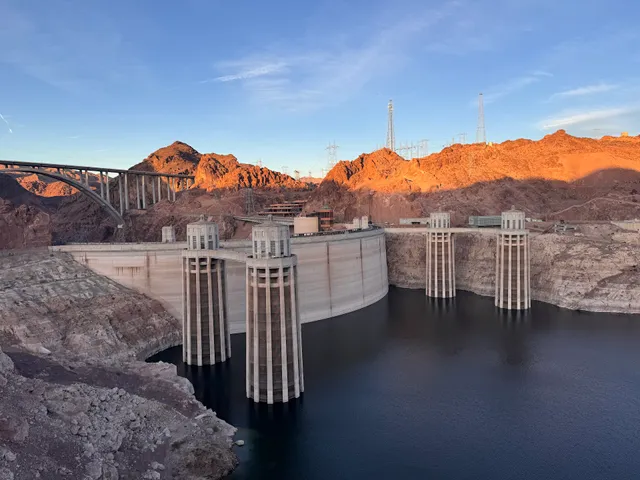
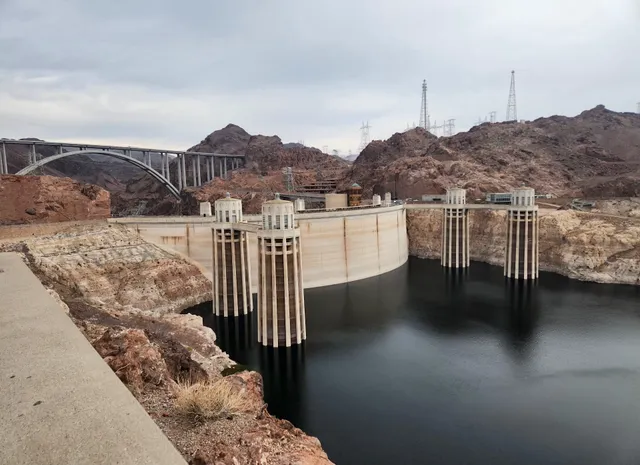
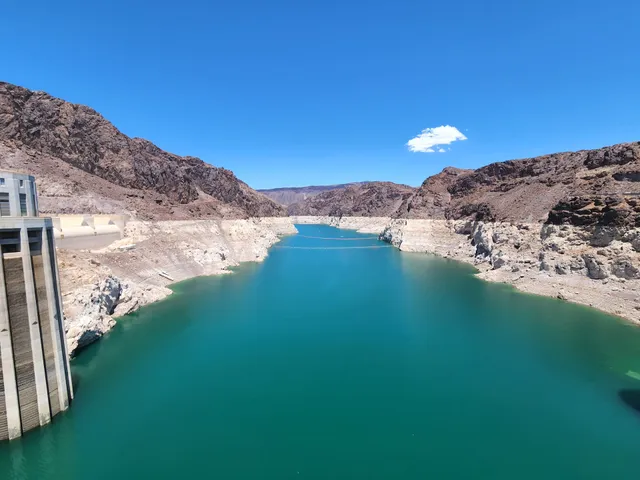
Visitor Experience: Standing atop the dam offers breathtaking views of the surrounding desert and Lake Mead, the reservoir it created, which remains one of the largest in the United States. The visitor center provides an engaging and educational experience, with exhibits that delve into the dam’s history, its construction, and its ongoing impact.
A Few Considerations: While the Hoover Dam is undeniably impressive, it also serves as a reminder of the environmental consequences of large-scale projects. The creation of Lake Mead led to the submergence of large areas of land, and ongoing concerns about drought and water levels highlight challenges in balancing human needs with environmental sustainability.
Overall Impression: The Hoover Dam is more than just a must-see landmark; it’s a profound piece of American history and a symbol of what humanity can achieve when faced with daunting challenges. Whether you're drawn to its architectural grandeur, its historical significance, or its role in shaping the modern West, the Hoover Dam leaves an indelible impression.
Have you visited the Hoover Dam, or are you planning to? I'd love to hear...
Read moreThe Hoover Dam is a powerful testament to America’s ability to achieve monumental engineering feats, even in the face of overwhelming adversity. Constructed during the Great Depression, this iconic structure was built by thousands of workers and their families who relocated to Black Canyon to help tame the mighty Colorado River. Despite the harsh, barren conditions, the dam was completed in under five years—an extraordinary accomplishment at the time. Once the largest dam in the world, it remains a globally recognized landmark and a shining symbol of resilience and innovation.
Designated a National Historic Landmark, Hoover Dam has also been honored by the American Society of Civil Engineers as one of America’s Seven Modern Civil Engineering Wonders—a recognition it undoubtedly deserves.
We visited on a Thursday and, while it was busy, it never felt overcrowded. Parking was easy to find, and the entry process was smooth and efficient.
We opted for the $40 extended tour package, and it was absolutely worth every dollar. The tour included: • A walk through the historic tunnels used during the dam’s construction • A ride in the original elevator to the top of the dam • Access to the inspection tunnels located within the heart of the dam • A unique view of the Colorado River through a ventilation shaft • A guided Powerplant Tour, showcasing the inner workings of this massive hydroelectric facility
The tour lasted about an hour—just the right amount of time to dive deep into the history and mechanics without feeling rushed. Every aspect was fascinating, and the guides were both knowledgeable and engaging, offering insights into both the technical achievements and the human stories behind the dam.
Overall, visiting Hoover Dam was an unforgettable experience. Whether you’re an engineering enthusiast, a history buff, or simply someone who appreciates breathtaking views and inspiring stories, this is a must-see...
Read moreThe Hoover Dam is a massive concrete arch-gravity dam located on the border between the U.S. states of Nevada and Arizona. It was constructed on the Colorado River and is one of the most iconic engineering feats of the 20th century.
Key Facts about the Hoover Dam:
Construction: Built between 1931 and 1936 during the Great Depression. It was part of a public works project to control flooding, provide irrigation water, and generate hydroelectric power. The construction employed thousands of workers, many of whom relocated to the nearby city of Boulder City, Nevada.
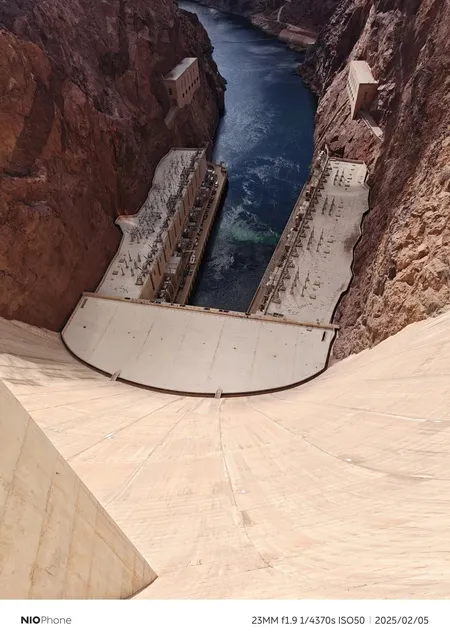
Design and Structure: The dam stands at 726 feet (221 meters) tall and is 1,244 feet (379 meters) long. It created Lake Mead, the largest reservoir in the U.S. by volume. The dam is made of concrete and weighs approximately 6.6 million tons. It holds back the Colorado River to supply water to California, Arizona, Nevada, and parts of Mexico.
Power Generation: The Hoover Dam’s power plant has a generating capacity of about 2,080 megawatts, providing electricity to approximately 1.3 million people annually. Power is generated by water flowing through the dam's turbines, and the power is distributed to Nevada, Arizona, and California.
Tourist Attraction: It is a major tourist destination, attracting around 7 million visitors per year. Tours of the dam and power plant allow people to see its inner workings and learn about its history.
Engineering Marvel: The Hoover Dam is considered an architectural and engineering wonder of its time, symbolizing American ingenuity and resilience. In 1985, it was designated as a National Historic Landmark.
The dam not only plays a crucial role in water management and power supply but also serves as a reminder of the nation’s ability to overcome significant engineering...
Read more