York Street Yards things to do, attractions, restaurants, events info and trip planning
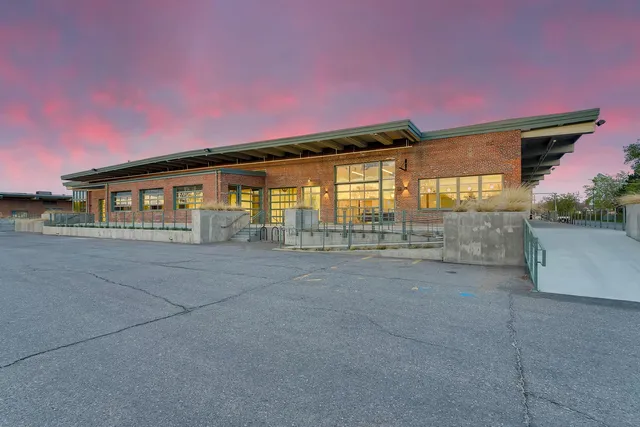
Basic Info
York Street Yards
3821-3893 Steele St, Denver, CO 80205
4.5(56)
Open until 12:00 AM
Save
spot
spot
Ratings & Description
Info
Entertainment
Cultural
attractions: Skiptown, Agnes of Glass Studio & Gallery LLC, Russell Square Park, 39th Avenue Greenway, restaurants: Elemental Bakery & Coffeehouse, Lucero's, Rivers and Roads Coffee, Mr A's, Nola Voodoo Tavern, Oasis cafe and grill, Manuel Tacos, Tacos El Ranchito, Randall’s, Hot Shot Coffee, local businesses: Craft Collective Salon, Fit Collective Denver, Denver Barbell Club, RINO Insurance, BelViso Beauty, Tommy's Market, Instant Offer Furniture
 Learn more insights from Wanderboat AI.
Phone
(303) 328-0016
Website
yorkstyards.com
Open hoursSee all hours
Mon9 AM - 5 PMOpen
Plan your stay

Pet-friendly Hotels in Denver
Find a cozy hotel nearby and make it a full experience.

Affordable Hotels in Denver
Find a cozy hotel nearby and make it a full experience.

The Coolest Hotels You Haven't Heard Of (Yet)
Find a cozy hotel nearby and make it a full experience.

Trending Stays Worth the Hype in Denver
Find a cozy hotel nearby and make it a full experience.
Reviews
Live events

Monday Drop-In Ping Pong
Mon, Jan 19 • 5:00 PM
640 Main Street #ste b, Louisville, CO 80027
View details

Queers on a Quest: Critical Slay
Wed, Jan 21 • 6:00 PM
7655 West 88th Avenue, Arvada, CO 80005
View details

What Kind of World Do We Want to Live In? (Free Event)
Thu, Jan 22 • 5:30 PM
3333 S Wadsworth Blvd Unit C105, Lakewood, CO 80227
View details
Nearby attractions of York Street Yards
Skiptown
Agnes of Glass Studio & Gallery LLC
Russell Square Park
39th Avenue Greenway
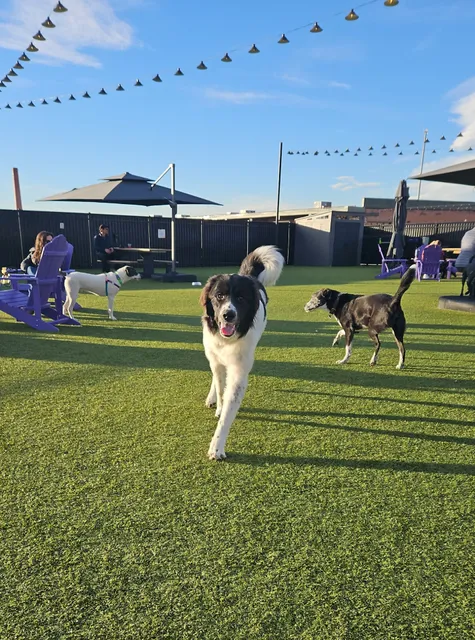
Skiptown
4.3
(219)
Open until 9:00 PM
Click for details

Agnes of Glass Studio & Gallery LLC
4.7
(54)
Open until 12:00 AM
Click for details
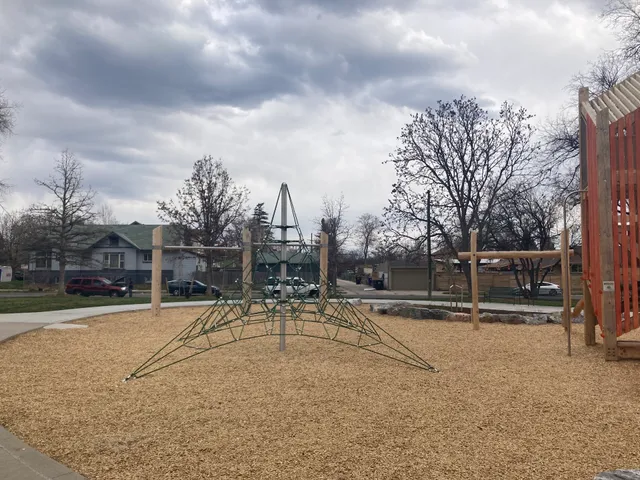
Russell Square Park
4.2
(59)
Open until 10:00 PM
Click for details
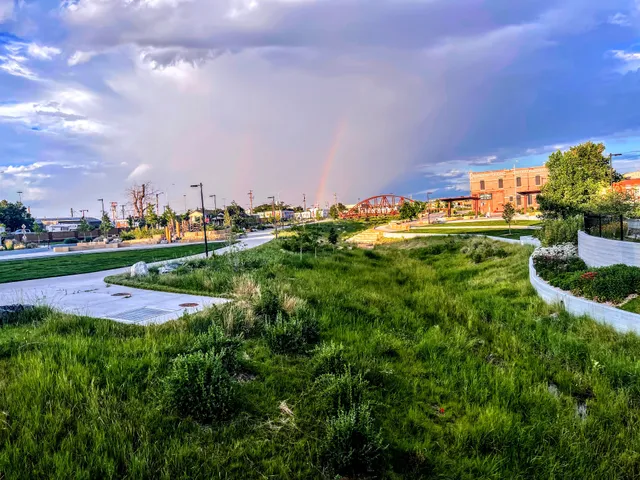
39th Avenue Greenway
4.9
(10)
Open until 12:00 AM
Click for details
Nearby restaurants of York Street Yards
Elemental Bakery & Coffeehouse
Lucero's
Rivers and Roads Coffee
Mr A's
Nola Voodoo Tavern
Oasis cafe and grill
Manuel Tacos
Tacos El Ranchito
Randall’s
Hot Shot Coffee
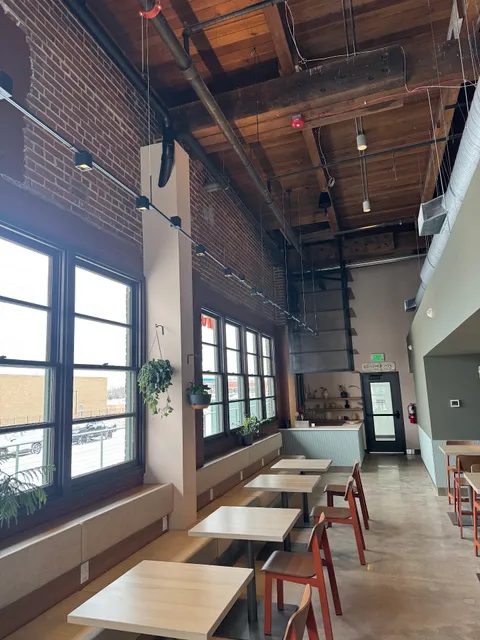
Elemental Bakery & Coffeehouse
4.9
(72)
$
Closed
Click for details

Lucero's
4.4
(455)
$
Open until 12:00 AM
Click for details
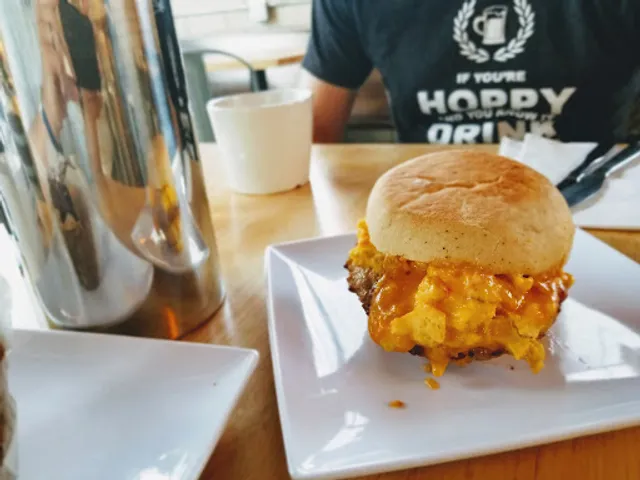
Rivers and Roads Coffee
4.7
(475)
$
Closed
Click for details
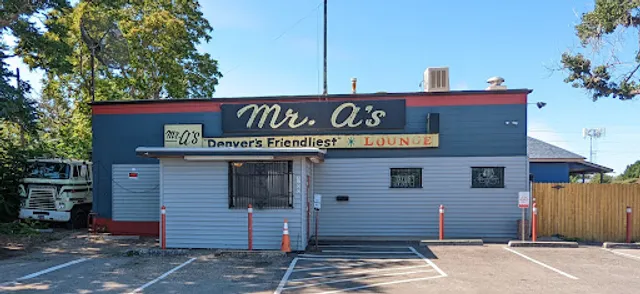
Mr A's
4.1
(287)
$
Open until 2:00 AM
Click for details
Nearby local services of York Street Yards
Craft Collective Salon
Fit Collective Denver
Denver Barbell Club
RINO Insurance
BelViso Beauty
Tommy's Market
Instant Offer Furniture

Craft Collective Salon
4.6
(237)
Click for details
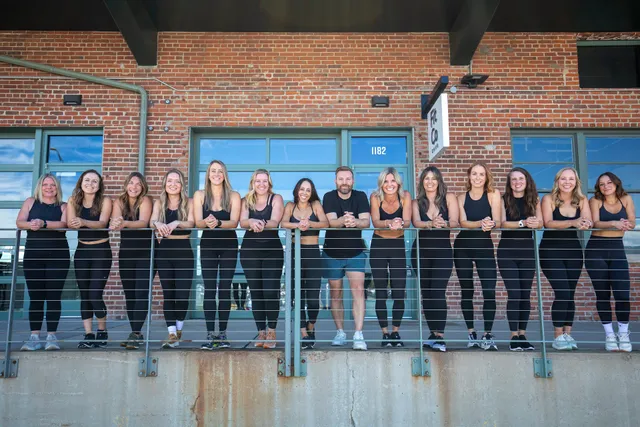
Fit Collective Denver
5.0
(105)
Click for details
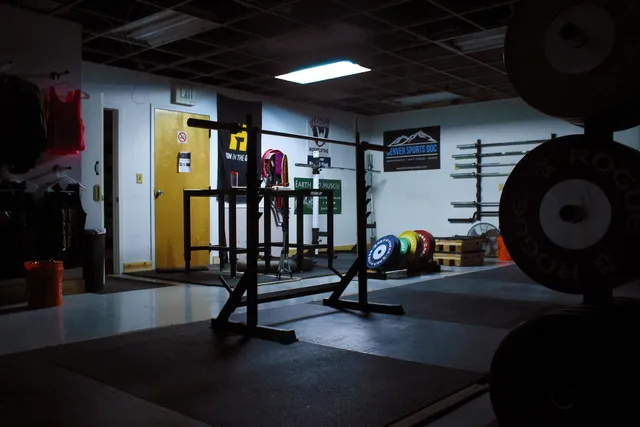
Denver Barbell Club
5.0
(52)
Click for details
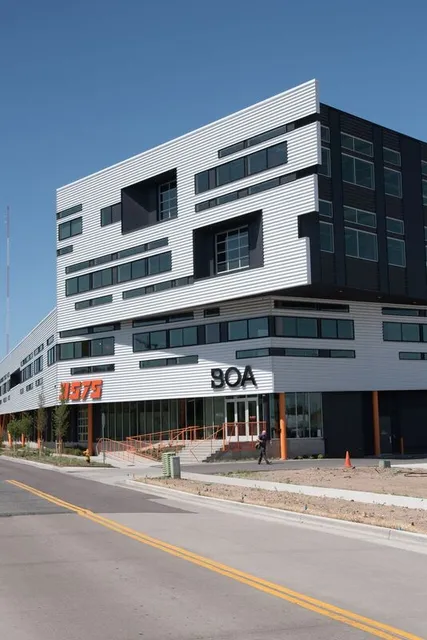
RINO Insurance
4.8
(32)
Click for details


The hit list



Plan your trip with Wanderboat
Welcome to Wanderboat AI, your AI search for local Eats and Fun, designed to help you explore your city and the world with ease.
Powered by Wanderboat AI trip planner.