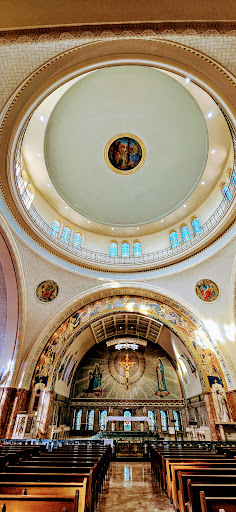
The National Shrine of Saint Elizabeth Ann Seton things to do, attractions, restaurants, events info and trip planning
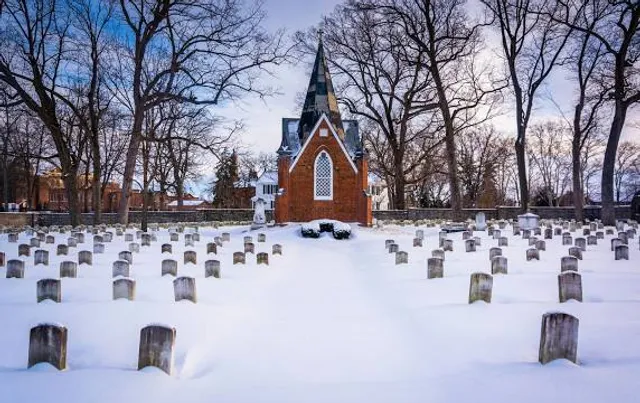
Basic Info
The National Shrine of Saint Elizabeth Ann Seton
339 S Seton Ave, Emmitsburg, MD 21727, United States
4.9(140)
Open until 5:00 PM

tickets
Save
spot
spot
Ratings & Description
Info
The National Shrine of Saint Elizabeth Ann Seton is a U.S. religious site and educational center in Emmitsburg, Maryland, that pays tribute to the life and mission of Elizabeth Ann Seton, the first native-born citizen of the United States to be canonized by the Roman Catholic Church.
Cultural
Family friendly
Accessibility
attractions: National Fallen Firefighters Memorial, restaurants: Carriage House Inn Restaurant & Catering, Ott House, Tuscany's Pizzeria, Ripleigh's Creamery, Carleo Italian Pizza, Mason Dixon Mixin, China Wok, McDonald's, Subway, local businesses: Emmitsburg Antique Mall, Paul's Pit Stop Liqour, O'Leary's Emporium, Dollar General
 Learn more insights from Wanderboat AI.
Phone
+1 301-447-6606
Website
setonshrine.org
Open hoursSee all hours
Mon10 a.m. - 5 p.m.Open
Plan your stay

Pet-friendly Hotels in Emmitsburg
Find a cozy hotel nearby and make it a full experience.

Affordable Hotels in Emmitsburg
Find a cozy hotel nearby and make it a full experience.

The Coolest Hotels You Haven't Heard Of (Yet)
Find a cozy hotel nearby and make it a full experience.

Trending Stays Worth the Hype in Emmitsburg
Find a cozy hotel nearby and make it a full experience.
Reviews
Live events

Valentines Air Planters
Thu, Jan 22 • 1:00 PM
36 E. Frederick Street, Unit B, Walkersville, MD, United States
View details

Pokemon Weekly League
Mon, Jan 26 • 2:00 PM
42 Baltimore St, Gettysburg, PA, United States, Pennsylvania 17325
View details

Sol Yoga
Mon, Jan 26 • 6:00 PM
Walkersville Public Library, Walkersville Branch Library, 2 Glade Rd, Walkersville, MD 21793, United States
View details
Nearby attractions of The National Shrine of Saint Elizabeth Ann Seton
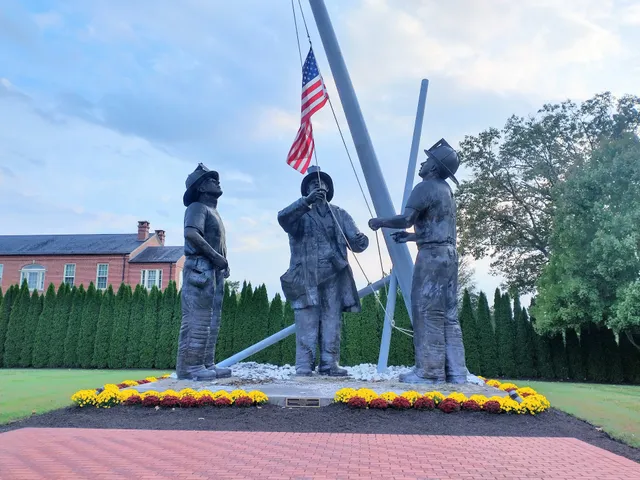
National Fallen Firefighters Memorial
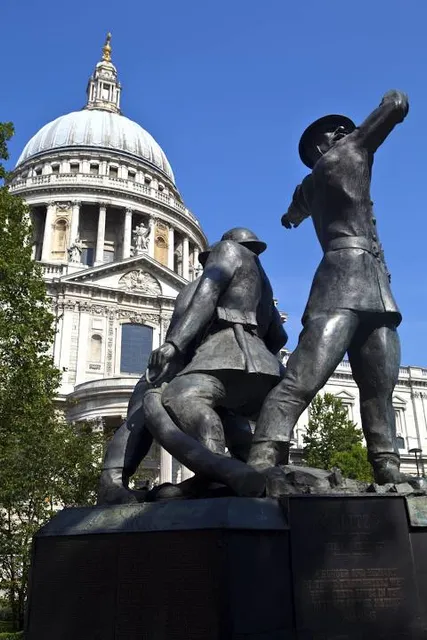
National Fallen Firefighters Memorial
4.9
(215)
Open until 5:00 PM
Click for details
Nearby restaurants of The National Shrine of Saint Elizabeth Ann Seton
Carriage House Inn Restaurant & Catering
Ott House
Tuscany's Pizzeria
Ripleigh's Creamery
Carleo Italian Pizza
Mason Dixon Mixin
China Wok
McDonald's
Subway
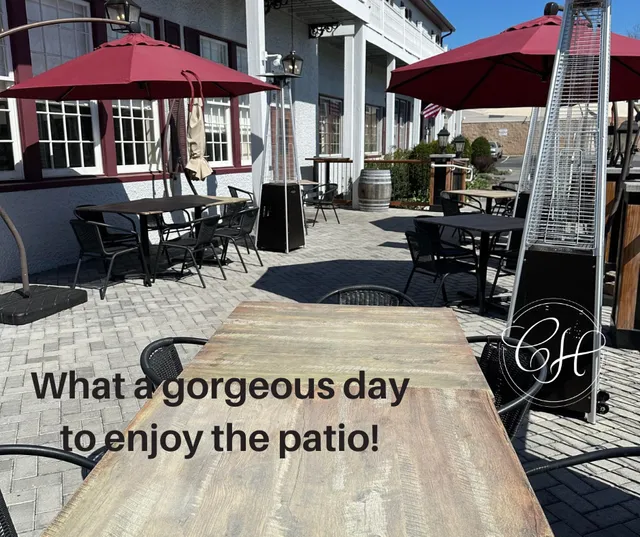
Carriage House Inn Restaurant & Catering
4.5
(599)
$$
Open until 12:00 AM
Click for details
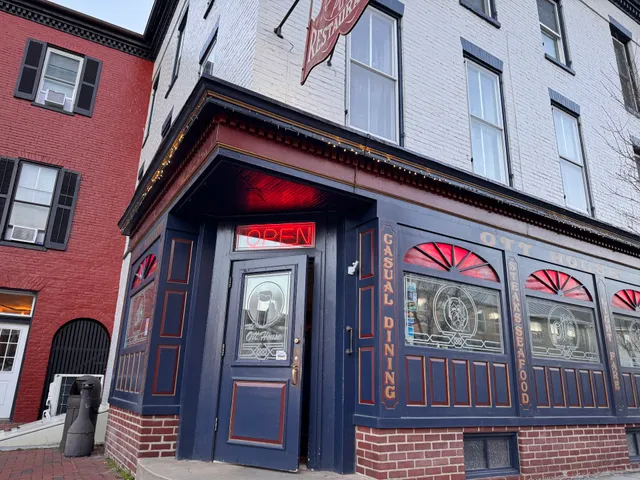
Ott House
4.5
(766)
$
Open until 10:00 PM
Click for details
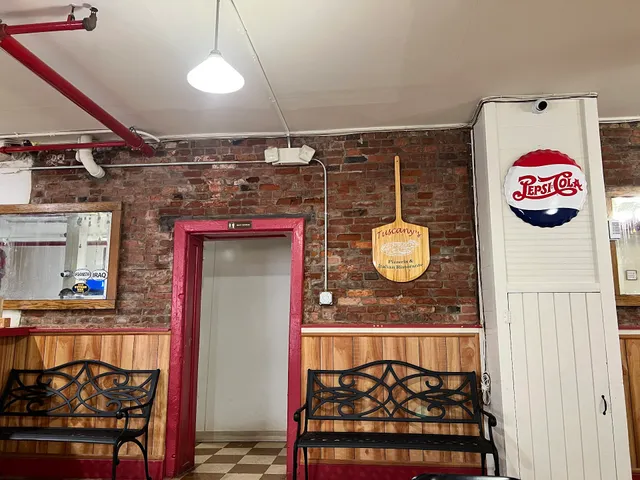
Tuscany's Pizzeria
4.4
(98)
$
Open until 10:00 PM
Click for details

Ripleigh's Creamery
4.7
(68)
Click for details
Nearby local services of The National Shrine of Saint Elizabeth Ann Seton
Emmitsburg Antique Mall
Paul's Pit Stop Liqour
O'Leary's Emporium
Dollar General
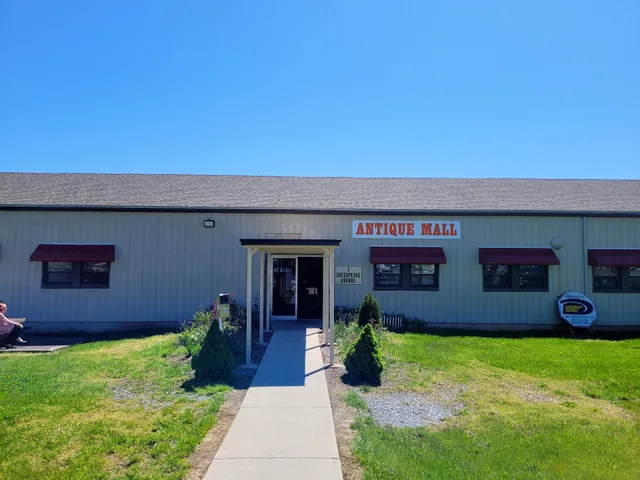
Emmitsburg Antique Mall
4.5
(336)
Click for details
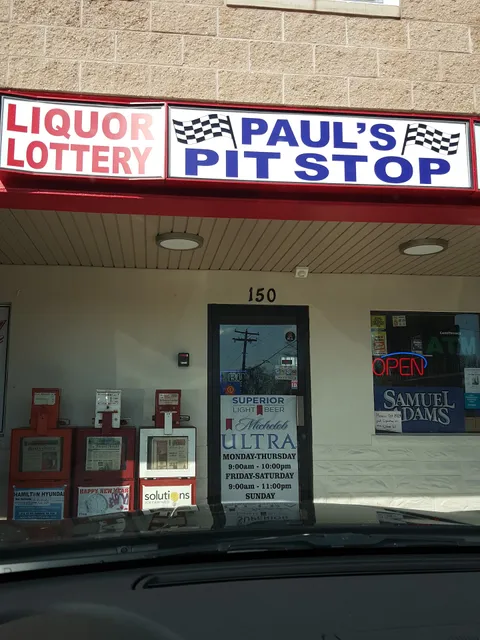
Paul's Pit Stop Liqour
4.3
(75)
Click for details
O'Leary's Emporium
4.5
(23)
Click for details

Dollar General
4.0
(149)
Click for details