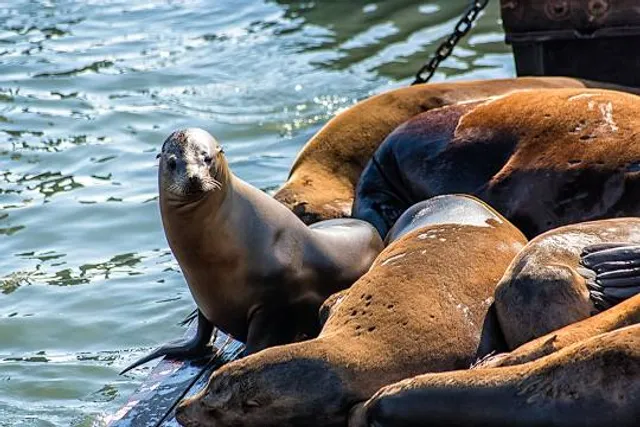
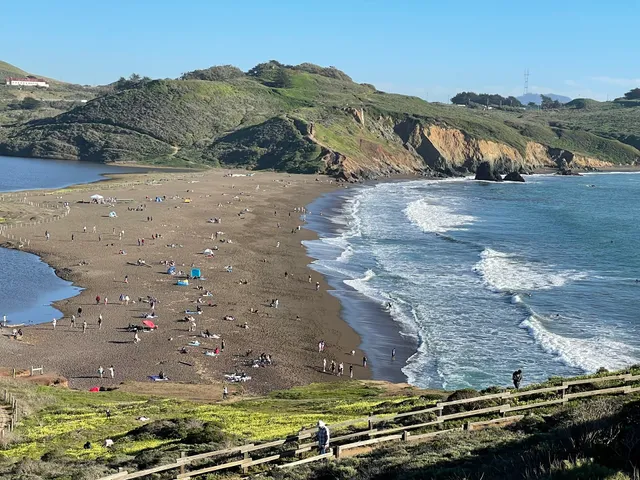
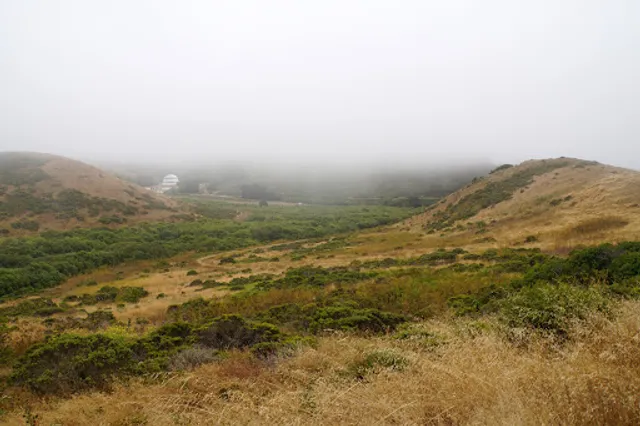
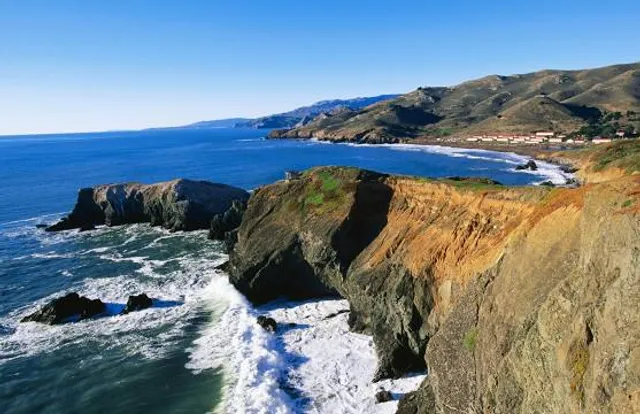
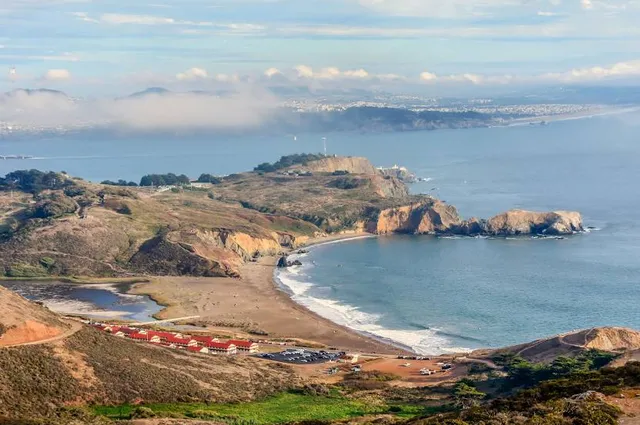
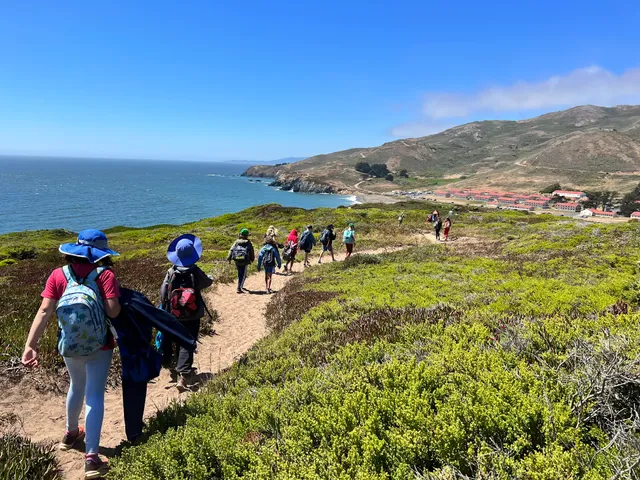
It is dedicated to rescuing, rehabilitating, and releasing sick and injured marine mammals such as seals, sea lions, dolphins, and whales. The center's mission extends to research, education, and conservation efforts to protect marine ecosystems. Visitors can learn about the lives of marine mammals, the challenges they encounter, and the advanced medical care provided by the center's veterinary team.The center's educational programs are designed to foster a deeper understanding of marine biology and conservation. School groups, families, and individual visitors can participate in guided tours, where knowledgeable docents share stories of the center's rescue efforts and the fascinating biology of marine mammals. Workshops and interactive sessions delve into topics such as marine animal anatomy, the impact of ocean pollution, and the importance of conservation practices. The Marine Mammal Center is also a hub for groundbreaking research. Its scientists collaborate with institutions worldwide to study marine mammal health, disease, and ecology. The center's findings contribute to global conservation efforts and inform policies protecting marine habitats. Volunteering at The Marine Mammal Center offers a unique opportunity for individuals to contribute to marine conservation efforts. Hands-on involvement fosters a strong sense of community and empowers individuals to take action in support of marine conservation. In addition to The Marine Mammal Center, Fort Cronkite hosts the Headlands Institute, an environmental education center dedicated to fostering a deeper understanding of the natural world. The institute's programs cater to a broad audience, including students, educators, and the general public, emphasizing experiential learning and environmental stewardship. The Headlands Institute offers a variety of programs that immerse participants in the unique ecosystems of the Marin Headlands. Field trips, workshops, and residential programs provide hands-on learning experiences covering marine biology, ecology, geology, and conservation topics. These programs are designed to be engaging and informative, encouraging participants to explore and appreciate the natural world through direct interaction with the environment. Students, in particular, benefit from the institute's educational offerings. School groups can participate in tailored field trips that align with curriculum standards, providing practical applications for classroom learning. Through activities like tide pooling, bird watching, and plant identification, students gain a deeper understanding of ecological principles and the importance of conservation. The Headlands Institute also supports educators through professional development workshops that equip them with the knowledge and tools to teach environmental science effectively. These workshops cover various topics, from incorporating outdoor education into lesson plans to understanding the latest research in environmental science. By empowering educators, the institute helps to spread environmental awareness and stewardship to future generations. Public programs at the Headlands Institute are designed to engage the broader community in environmental education. Special events, such as bio blitzes and citizen science projects, invite community members to contribute to ongoing research and conservation efforts, fostering a sense of collective responsibility for protecting the environment. The combined offerings of Fort Cronkite, The Marine Mammal Center, and the Headlands Institute create a unique synergy that enhances the visitor experience. This synergy underscores the importance of integrating education, research, and recreation to foster a deeper appreciation and understanding of the natural world. Visitors to Fort Cronkite can seamlessly transition from hiking scenic trails to exploring educational exhibits at The Marine Mammal Center and participating in hands-on workshops at the...
Read moreI first learned about The Marine Mammal Center from watching the TV shows 'Sea Rescue' and 'Ocean Mysteries with Jeff Corwin' on my local ABC station. When I started researching my trip to the San Francisco Bay Area, I came across this place, put two and two together realizing this was the place I had see on TV multiple times and knew that I had to visit here! Even though I was aware of what The Marine Mammal Center does and I'm very knowledgeable with pinnipeds (pinnipeds are a clade of seals, sea lions, and walruses) I still learned a lot, especially on the docent-led tour. Even though you definitely could just walk around yourself and read the signage, I highly recommend you do the docent-led tour because it is very interesting. Driving to The Marine Mammal Center from either the North over the Golden Gate Bridge you get scenic views of the Marin Headlands (The Marine Mammal Center is located within the Marin Headlands). If you do not have a car to drive directly to The Marine Mammal Center, it's a hassle to get there by taking public transportation, so I took a cab there. Luckily, my San Francisco cab driver had been to The Marine Mammal Center before so he was familiar with how to get there. To get back, to San Francisco, I also took a cab but because there was very minimal phone service near there in the Marin Headlands (I have Sprint) I had to use The Marine Mammal Center's landline phone, which was very nice of them to let me use. If you plan to do the docent-led tour I recommend scheduling time still to walk around yourself so you look at the animals more and read more of the signs, plus they have a great gift shop (you can also purchase gift shop items from their website). Unlike some other not-for-profit animal rescue centers around the world, this place has fantastic, well-maintained facilities. All the employees and volunteers help to save so many animals every year, including harbor seals, fur seals, elephant seals, and sea lions. The Marine Mammal Center is even helping to increase the Hawaiian Monk Seal's population which is critically endangered. I highly recommend visiting The Marine Mammal Center and supporting the great work...
Read moreTLDR: This is an active animal hospital. Take the kids to the zoo, Imaginarium, or Tilden farm if you want to see happy animals. Take your in-laws and activist friend so they can donate their disposable income.
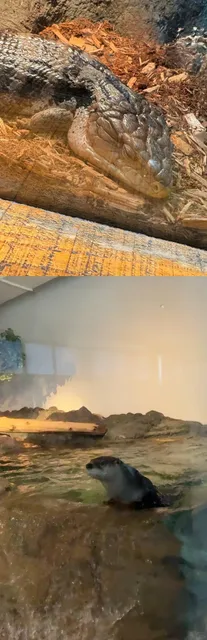
Took the kids here to learn about marine mammals. This center is a hospital and helps to rescue and heal injured animals. Best that I could tell there is limited opportunity to witness them except from 2 viewing areas that were kept a reasonable distance from the pens. While I sincerely applaud the work they do here and understand the importance, I am not certain it is something to be spectated on, nor is this a museum, zoo, or an aquarium. The animals here are sick, inured, and in some state of recovery. All are wild, and some behave accordingly. For this reason, I can't really recommend it as a place to take the kids for fun. Im not sure this was fully understood when my wife made the plans. Unfortunately, it didn't offer enough in the way of learning opportunities or activities to hold their interest. For someone with a strong sense of caring for the environment or animal activism, this place would be great. They do keep the grounds maintained and the staff is knowledgeable and nice so I give them 4 stars for that (plus they need donations) but need to take 1 star back because it just didnt offer that much to experience and i thought there would be more. If I am able to return during a necropsy viewing, I will update...
Read more