Shadows-on-the-Teche things to do, attractions, restaurants, events info and trip planning
Basic Info
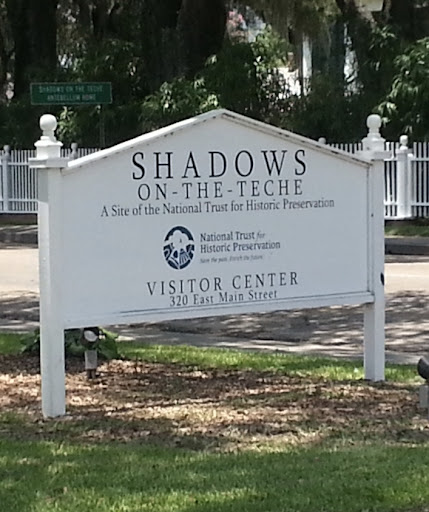
Shadows-on-the-Teche
320 E Main St, New Iberia, LA 70560
4.6(158)
Open until 12:00 AM

tickets
Save
spot
spot
Ratings & Description
Info
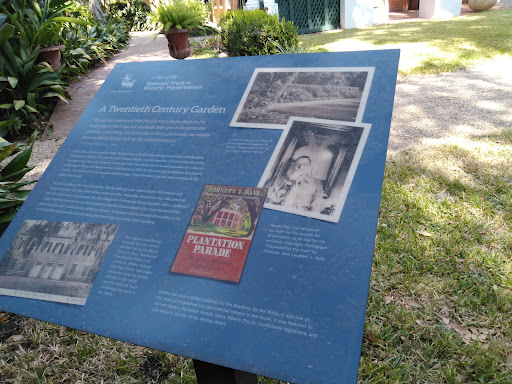
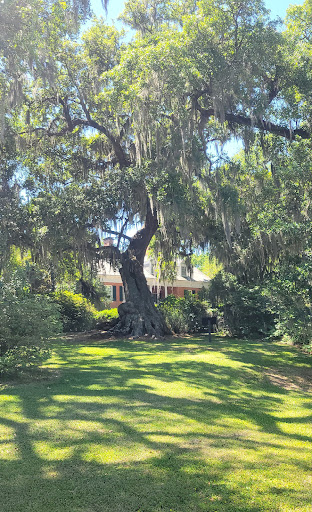
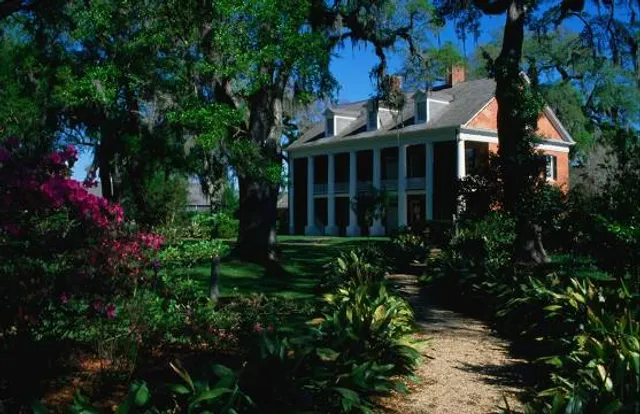
Shadows-on-the-Teche is an American 3,750 square feet historic house, garden, and cemetery. Formerly a working sugar cane plantation with enslaved labor, it is located in New Iberia, Louisiana, United States. Built in 1834 for planter, David Weeks and his wife Mary Conrad Weeks.
Cultural
Scenic
Relaxation
Family friendly
Accessibility
attractions: Bayou Teche Museum, Sliman Theatre for the Performing Arts, Iberia Parish Library: Main Branch, New Iberia City Park, Dog Park, restaurants: Meche's Donuts, Bojangles Sushi, Victor's Cafeteria, Church Alley Cafe & Bistro, Paradise Pizza, Bambino's Burgers, Anna Seafood, Carabella's Bar, Lizzie's, Theriot's Lunches & Catering, local businesses: Allain's Jewelry, Iberia Plaza, Alex Malay, Pop-N-Fuel, Bouligny Plaza, Bird on the Bayou, Amalfi, Iberia Performing Arts League, Main Street Fitness, Jolie Fleur Florist
 Learn more insights from Wanderboat AI.
Phone
(337) 369-6446
Website
shadowsontheteche.org
Open hoursSee all hours
TueClosedOpen
Plan your stay

Pet-friendly Hotels in New Iberia
Find a cozy hotel nearby and make it a full experience.

Affordable Hotels in New Iberia
Find a cozy hotel nearby and make it a full experience.

The Coolest Hotels You Haven't Heard Of (Yet)
Find a cozy hotel nearby and make it a full experience.

Trending Stays Worth the Hype in New Iberia
Find a cozy hotel nearby and make it a full experience.
Reviews
Live events

Kayak through Louisiana’s swamps
Tue, Feb 10 • 8:00 AM
Breaux Bridge, Louisiana, 70517
View details

Business Analytics Certification (CBAP) Training in Lake Charles, LA
Tue, Feb 10 • 9:00 AM
2014 West Pinhook Road, Lafayette, LA 70508
View details
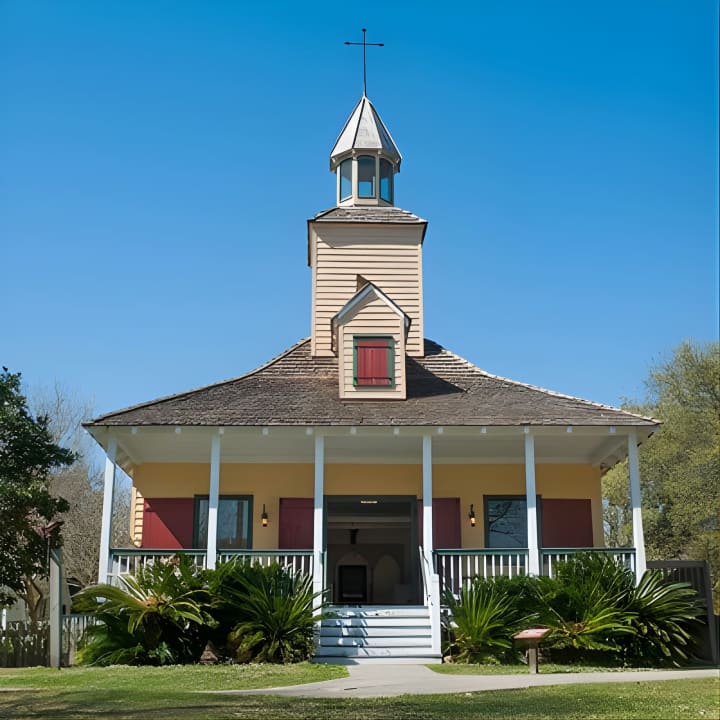
Tour Historic Vermilionville
Tue, Feb 10 • 10:30 AM
Lafayette, 70508
View details
Nearby attractions of Shadows-on-the-Teche
Bayou Teche Museum
Sliman Theatre for the Performing Arts
Iberia Parish Library: Main Branch
New Iberia City Park
Dog Park
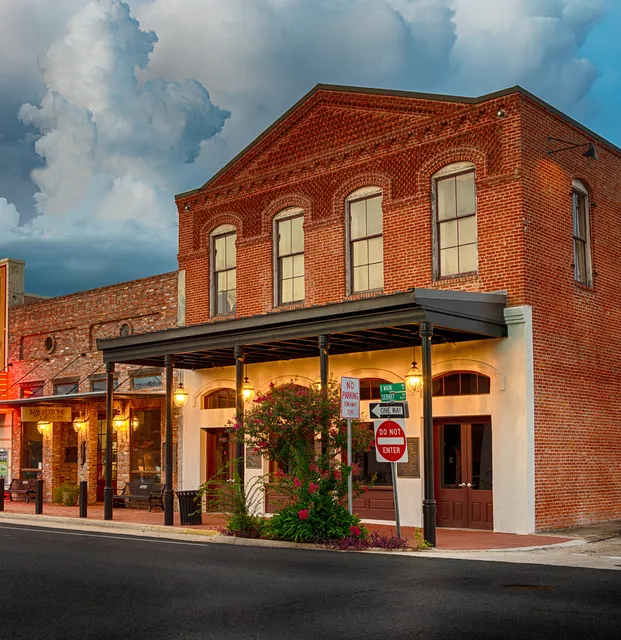
Bayou Teche Museum
4.8
(35)
Open until 12:00 AM
Click for details
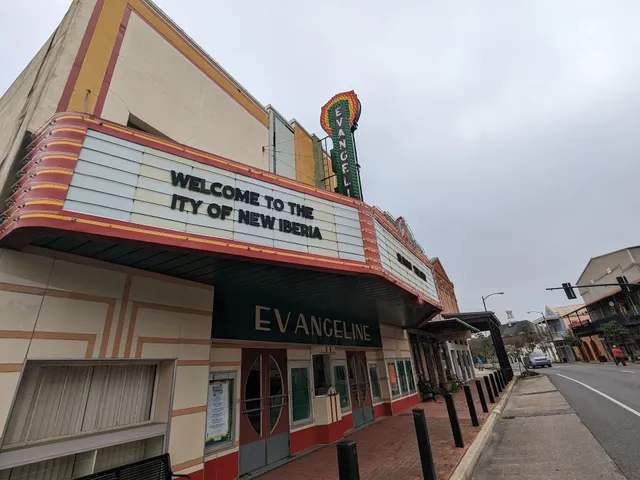
Sliman Theatre for the Performing Arts
4.5
(36)
Open 24 hours
Click for details
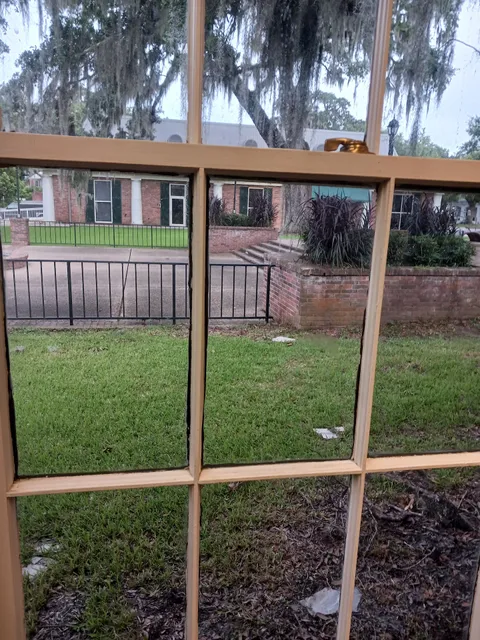
Iberia Parish Library: Main Branch
4.7
(33)
Closed
Click for details
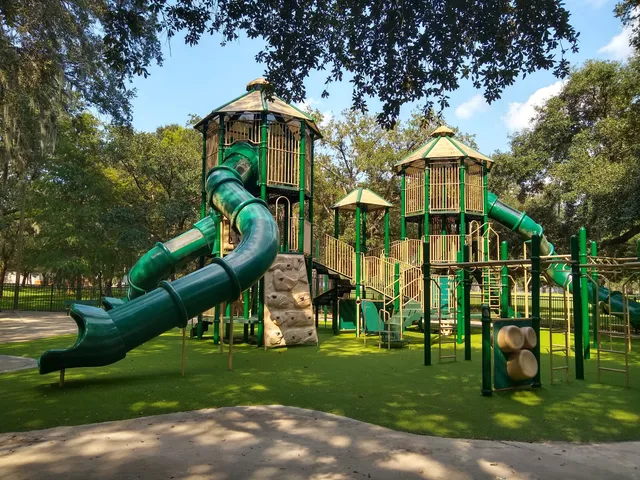
New Iberia City Park
4.6
(520)
Open until 10:00 PM
Click for details
Nearby restaurants of Shadows-on-the-Teche
Meche's Donuts
Bojangles Sushi
Victor's Cafeteria
Church Alley Cafe & Bistro
Paradise Pizza
Bambino's Burgers
Anna Seafood
Carabella's Bar
Lizzie's
Theriot's Lunches & Catering
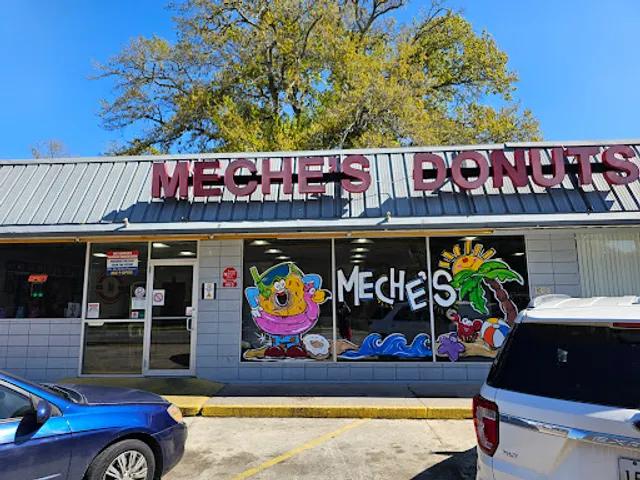
Meche's Donuts
4.6
(224)
$
Open until 12:00 AM
Click for details
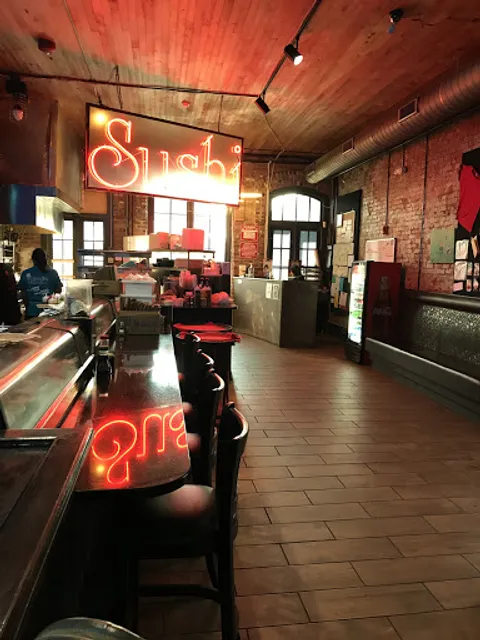
Bojangles Sushi
4.5
(255)
$$
Closed
Click for details
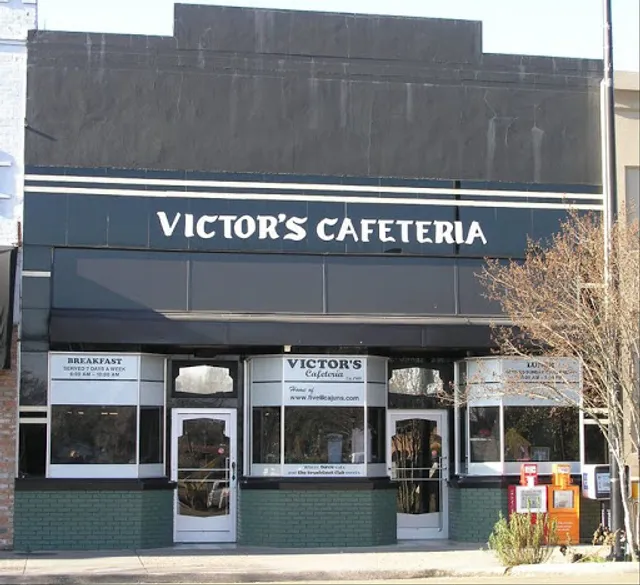
Victor's Cafeteria
4.8
(329)
$
Click for details
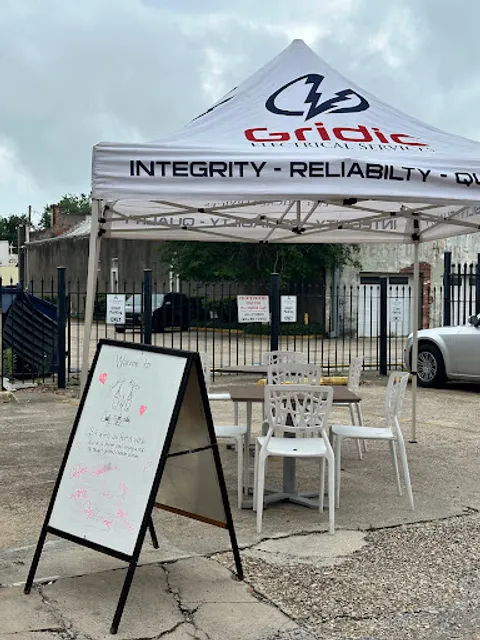
Church Alley Cafe & Bistro
4.7
(71)
$
Open until 2:00 PM
Click for details
Nearby local services of Shadows-on-the-Teche
Allain's Jewelry
Iberia Plaza
Alex Malay
Pop-N-Fuel
Bouligny Plaza
Bird on the Bayou
Amalfi
Iberia Performing Arts League
Main Street Fitness
Jolie Fleur Florist
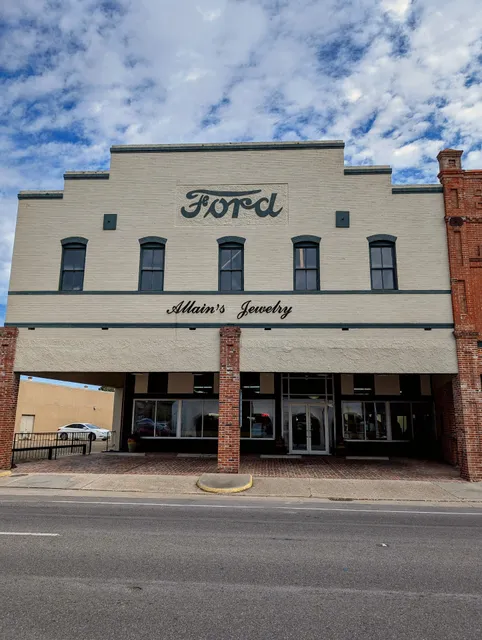
Allain's Jewelry
4.9
(50)
Click for details
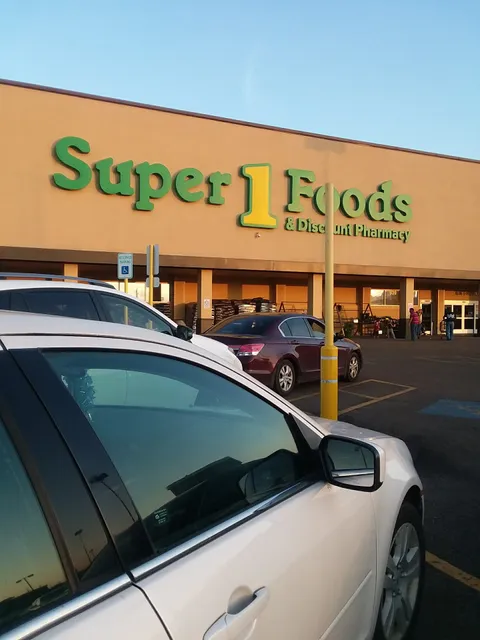
Iberia Plaza
4.3
(461)
Click for details
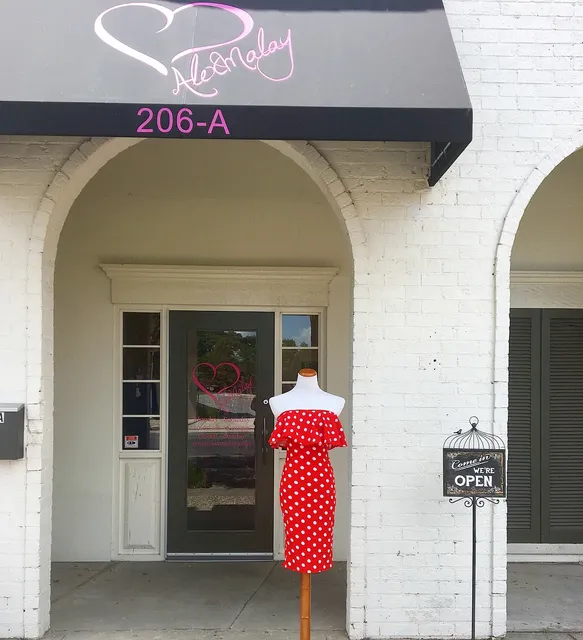
Alex Malay
4.9
(39)
Click for details
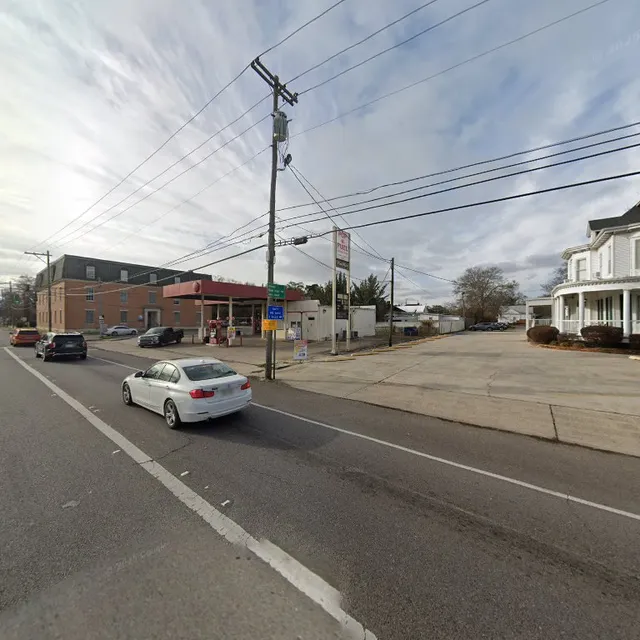
Pop-N-Fuel
4.6
(39)
Click for details