Congo Square things to do, attractions, restaurants, events info and trip planning
Basic Info
Congo Square
701 N Rampart St, New Orleans, LA 70116
4.6(970)
Open until 7:00 PM
Save
spot
spot
Ratings & Description
Info
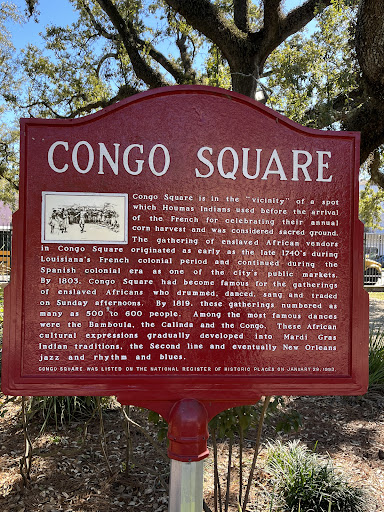
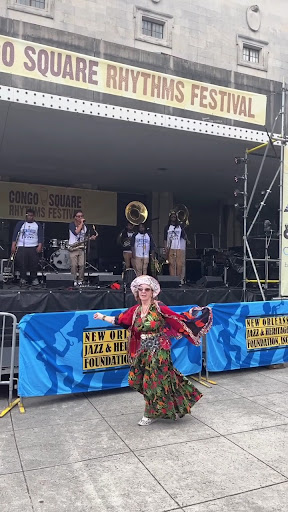
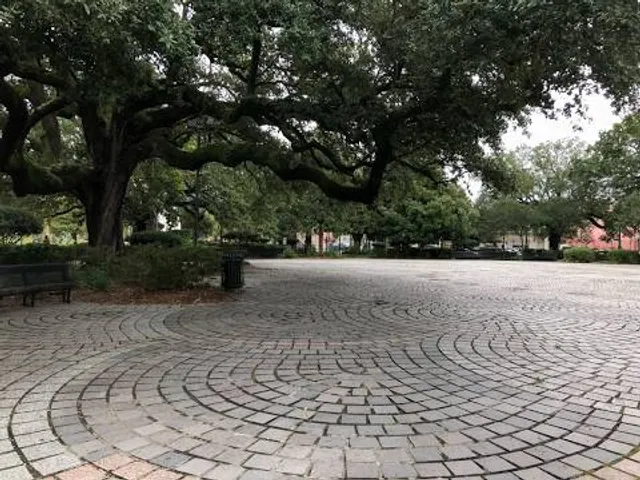
Congo Square is an open space, now within Louis Armstrong Park, which is located in the Tremé neighborhood of New Orleans, Louisiana, just across Rampart Street north of the French Quarter. The square is famous for its influence on the history of African American music, especially jazz.
Cultural
Entertainment
Family friendly
Accessibility
attractions: Treme Luxury Experience Tours, Louis Armstrong Park, Bloody Mary's Haunted Museum & Voodoo Shop, Mahalia Jackson Theater for the Performing Arts, Basin St. Station, Marie Laveau's House Of Voodoo, St. Louis Cemetery No. 1, New Orleans Historic Voodoo Museum, Marie Laveau's Tomb, Our Lady of Guadalupe Church & International Shrine of St. Jude, restaurants: B Sweet Bistro & Bakery, Voodoo Lounge, Black Penny, Rampart Treehouse, Bar Tonique, The Schooner Saloon, Fahy's Irish Pub, Good Friends Bar, Perk Coffee & Community, Fritzel's European Jazz Pub, local businesses: New Orleans Kayak Swamp Tours, St. Louis Cemetery No. 1 Official Tour, Shrimp Boil Cabaret, Unique NOLA Tours, The Rooftop on Basin, Toulouse House Grocery, Lafitte's, Tricou Gifts, WWL TV Channel 4, Boutique Du Vampyre
 Learn more insights from Wanderboat AI.
Phone
(504) 658-3200
Open hoursSee all hours
Thu8 AM - 7 PMOpen
Plan your stay

Pet-friendly Hotels in New Orleans
Find a cozy hotel nearby and make it a full experience.

Affordable Hotels in New Orleans
Find a cozy hotel nearby and make it a full experience.

The Coolest Hotels You Haven't Heard Of (Yet)
Find a cozy hotel nearby and make it a full experience.

Trending Stays Worth the Hype in New Orleans
Find a cozy hotel nearby and make it a full experience.
Reviews
Live events

SIPPIN AT SUNDOWN ON THE AVE MUSES PARADE ROUTE BASH (4-11PM) @ THE OAK
Thu, Feb 12 • 4:00 PM
1753 Saint Charles Avenue New Orleans, LA 70130
View details
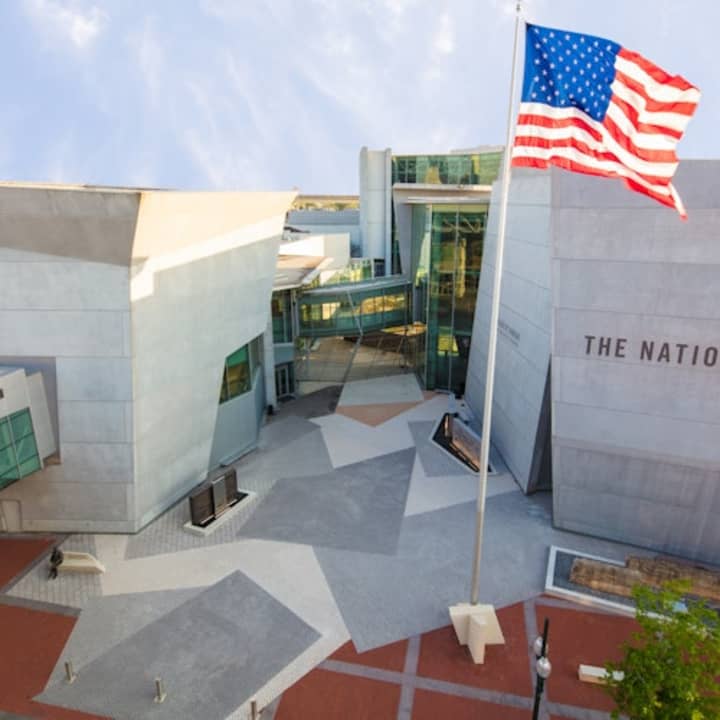
The National WWII Museum: Entry Ticket
Thu, Feb 12 • 9:00 AM
945 Magazine Street, New Orleans, LA, 70130
View details

Zulu Social Aid &Pleasure Club 2026 Coronation Ball Tickets
Fri, Feb 13 • 6:00 PM
900 Convention Center Boulevard New Orleans, LA 70130
View details
Nearby attractions of Congo Square
Treme Luxury Experience Tours
Louis Armstrong Park
Bloody Mary's Haunted Museum & Voodoo Shop
Mahalia Jackson Theater for the Performing Arts
Basin St. Station
Marie Laveau's House Of Voodoo
St. Louis Cemetery No. 1
New Orleans Historic Voodoo Museum
Marie Laveau's Tomb
Our Lady of Guadalupe Church & International Shrine of St. Jude

Treme Luxury Experience Tours
5.0
(269)
Open until 6:00 PM
Click for details
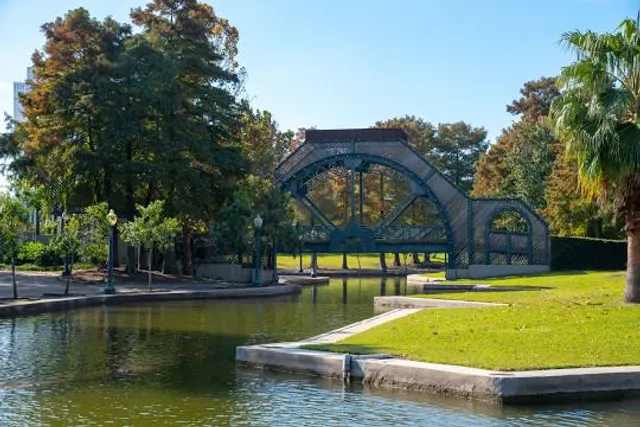
Louis Armstrong Park
4.5
(3.3K)
Open until 6:00 PM
Click for details
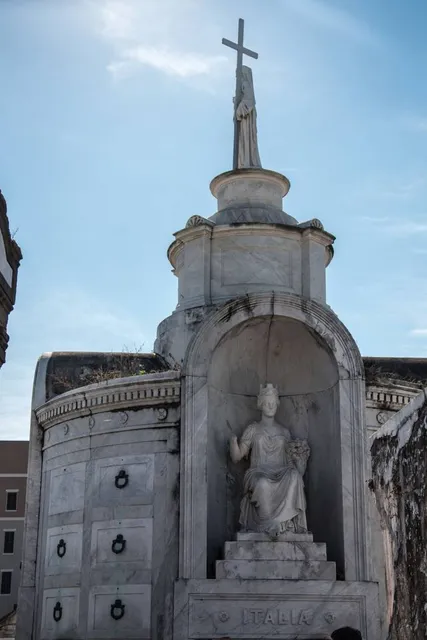
Bloody Mary's Haunted Museum & Voodoo Shop
4.4
(275)
Closed
Click for details
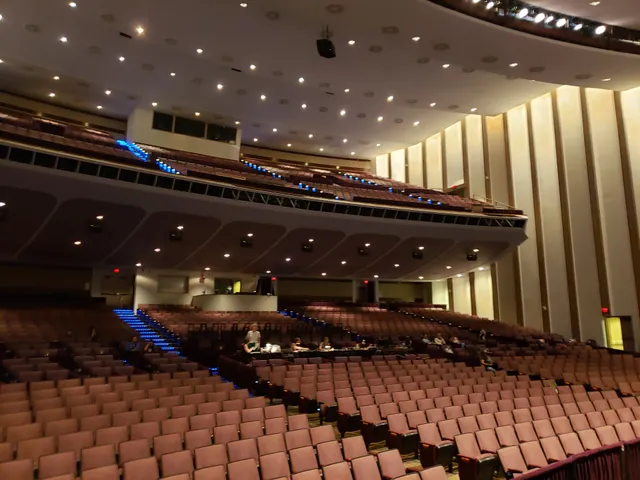
Mahalia Jackson Theater for the Performing Arts
4.4
(556)
Open 24 hours
Click for details
Nearby restaurants of Congo Square
B Sweet Bistro & Bakery
Voodoo Lounge
Black Penny
Rampart Treehouse
Bar Tonique
The Schooner Saloon
Fahy's Irish Pub
Good Friends Bar
Perk Coffee & Community
Fritzel's European Jazz Pub
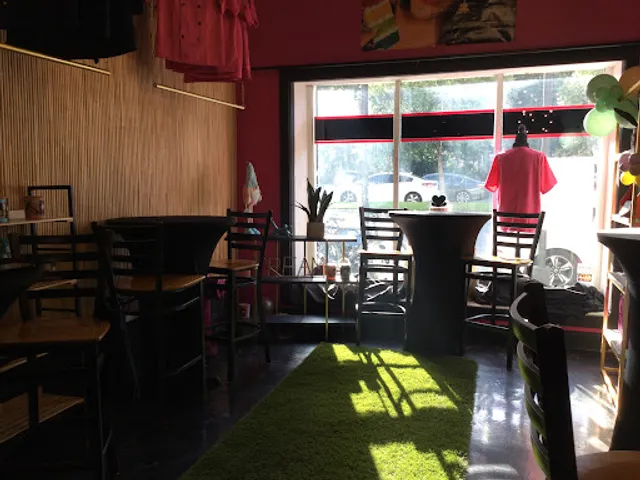
B Sweet Bistro & Bakery
4.8
(471)
$$
Closed
Click for details
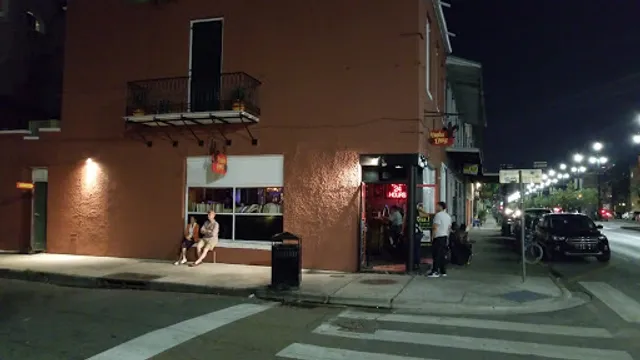
Voodoo Lounge
4.5
(514)
$
Open until 12:00 AM
Click for details
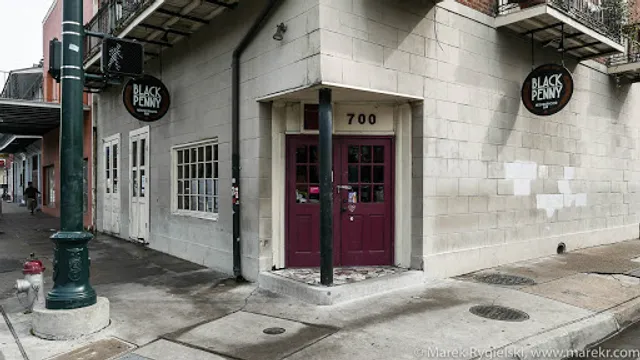
Black Penny
4.6
(386)
$
Open until 4:00 AM
Click for details
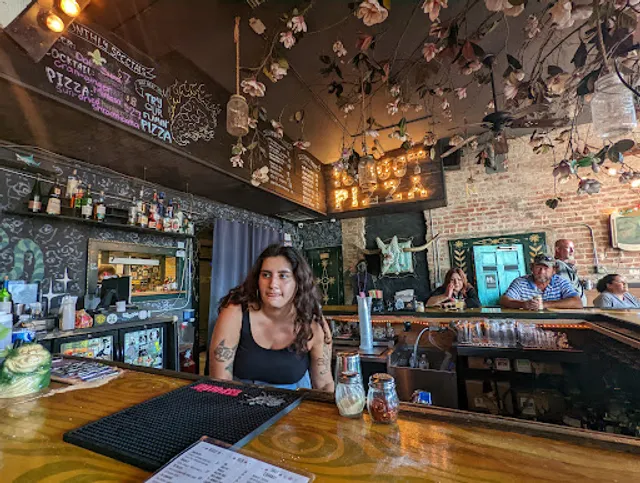
Rampart Treehouse
4.5
(378)
$
Open until 1:00 AM
Click for details
Nearby local services of Congo Square
New Orleans Kayak Swamp Tours
St. Louis Cemetery No. 1 Official Tour
Shrimp Boil Cabaret
Unique NOLA Tours
The Rooftop on Basin
Toulouse House Grocery
Lafitte's
Tricou Gifts
WWL TV Channel 4
Boutique Du Vampyre
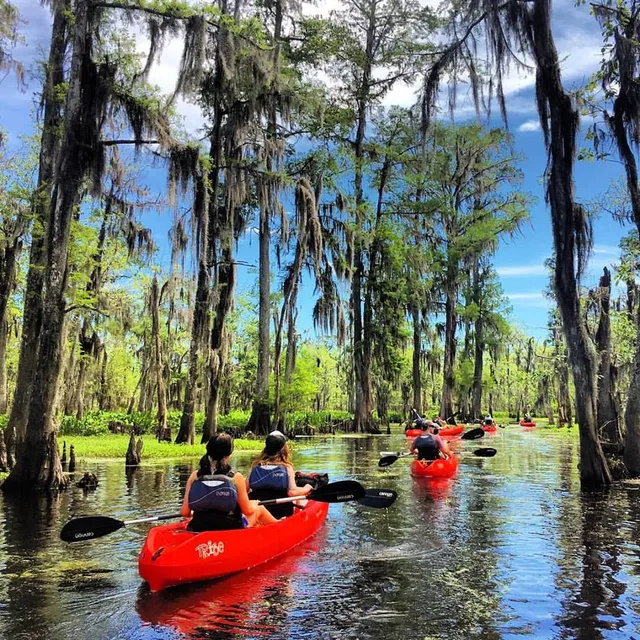
New Orleans Kayak Swamp Tours
4.9
(694)
Click for details
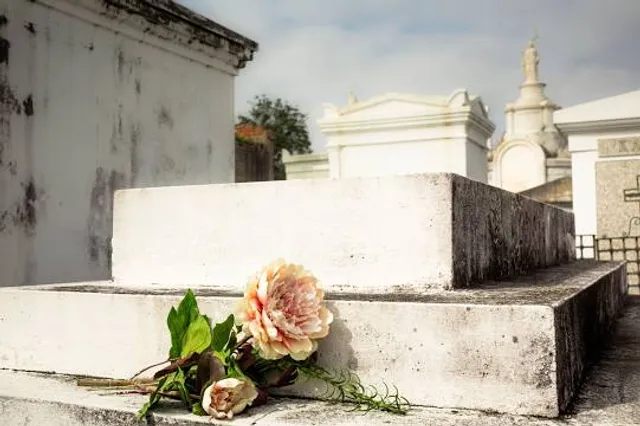
St. Louis Cemetery No. 1 Official Tour
4.9
(1.4K)
Click for details
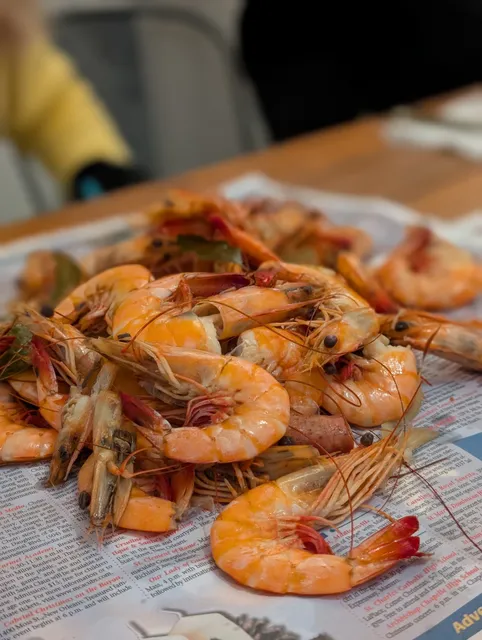
Shrimp Boil Cabaret
5.0
(25)
Click for details
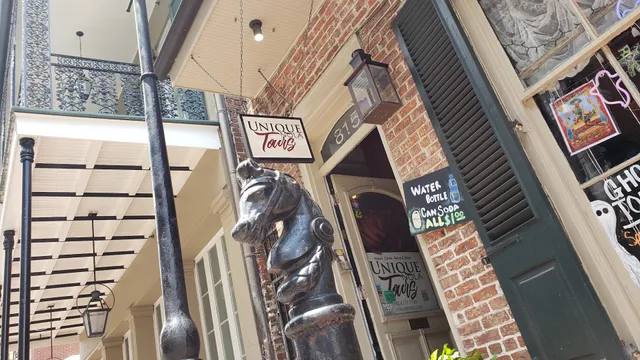
Unique NOLA Tours
5.0
(433)
Click for details


The hit list

Plan your trip with Wanderboat
Welcome to Wanderboat AI, your AI search for local Eats and Fun, designed to help you explore your city and the world with ease.
Powered by Wanderboat AI trip planner.