Kosciuszko Bridge things to do, attractions, restaurants, events info and trip planning
Basic Info
Kosciuszko Bridge
Brooklyn-Queens Expy, Brooklyn, NY 11211
4.6(237)
Open 24 hours
Save
spot
spot
Ratings & Description
Info
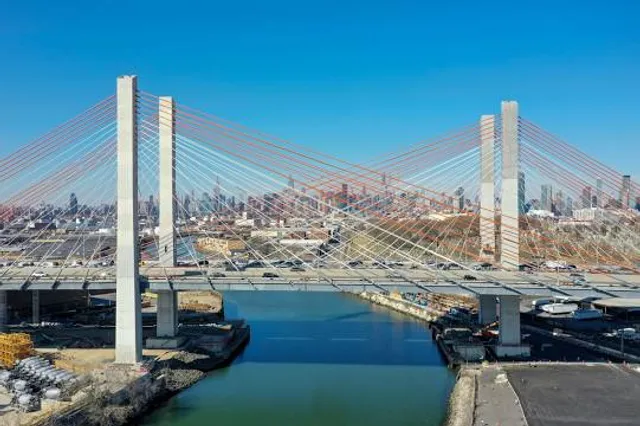
The Kosciuszko Bridge is a cable-stayed bridge over Newtown Creek in New York City, connecting Greenpoint in Brooklyn to Maspeth in Queens. The bridge consists of a pair of cable-stayed bridge spans: the eastbound span opened in April 2017, while the westbound span opened in August 2019.
Scenic
attractions: Under the ‘K’ Bridge Park, Calvary Monument, Penny Bridge, Kosciusko Bridge Walkway & Bike Path, Skate Park, Under the ‘K’ Bridge Park, Sgt. William Dougherty Playground, Sarge's Skate Park, restaurants: Eataliano Pies, Rudy's deli, Forty Eight Street Deli, 48 Street Cafe, Bantry Bay Publick House, Vermont Bread Co, Saucey Pizza Bar, Heaven & Earth, Morrisons Pastry Corporation, Angelo's Pizza & Deli, local businesses: York Studios, Under the ‘K’ Bridge Park, Sunline Express, All Borough Party Rental of NYC, Aquavim Glass Aquariums, Shore Park, Newtown Creek, FRUITSTAND, Big Geyser Inc, Lee's Kitchen Cabinet & Stone Inc
 Learn more insights from Wanderboat AI.
Plan your stay

Pet-friendly Hotels in New York
Find a cozy hotel nearby and make it a full experience.

Affordable Hotels in New York
Find a cozy hotel nearby and make it a full experience.

The Coolest Hotels You Haven't Heard Of (Yet)
Find a cozy hotel nearby and make it a full experience.

Trending Stays Worth the Hype in New York
Find a cozy hotel nearby and make it a full experience.
Reviews
Live events
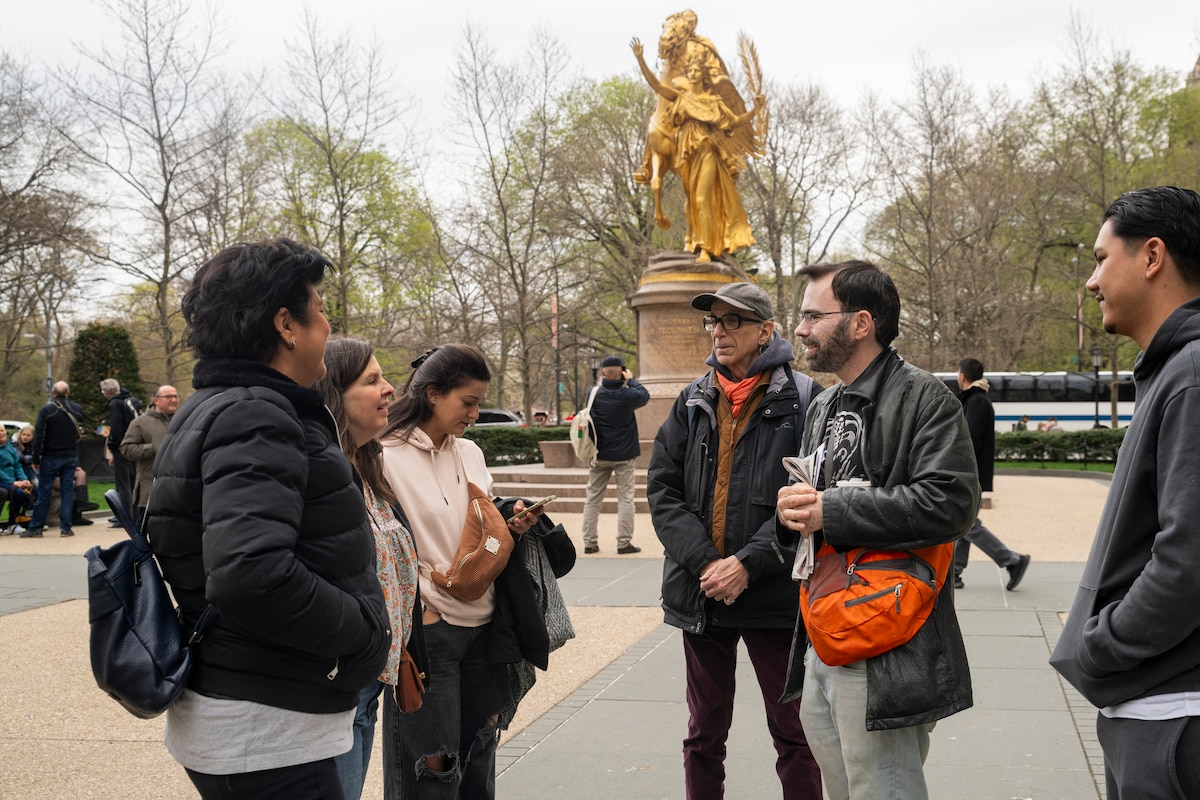
The Full-Day See It All NYC Tour
Sun, Feb 22 • 10:00 AM
New York, New York, 10019
View details
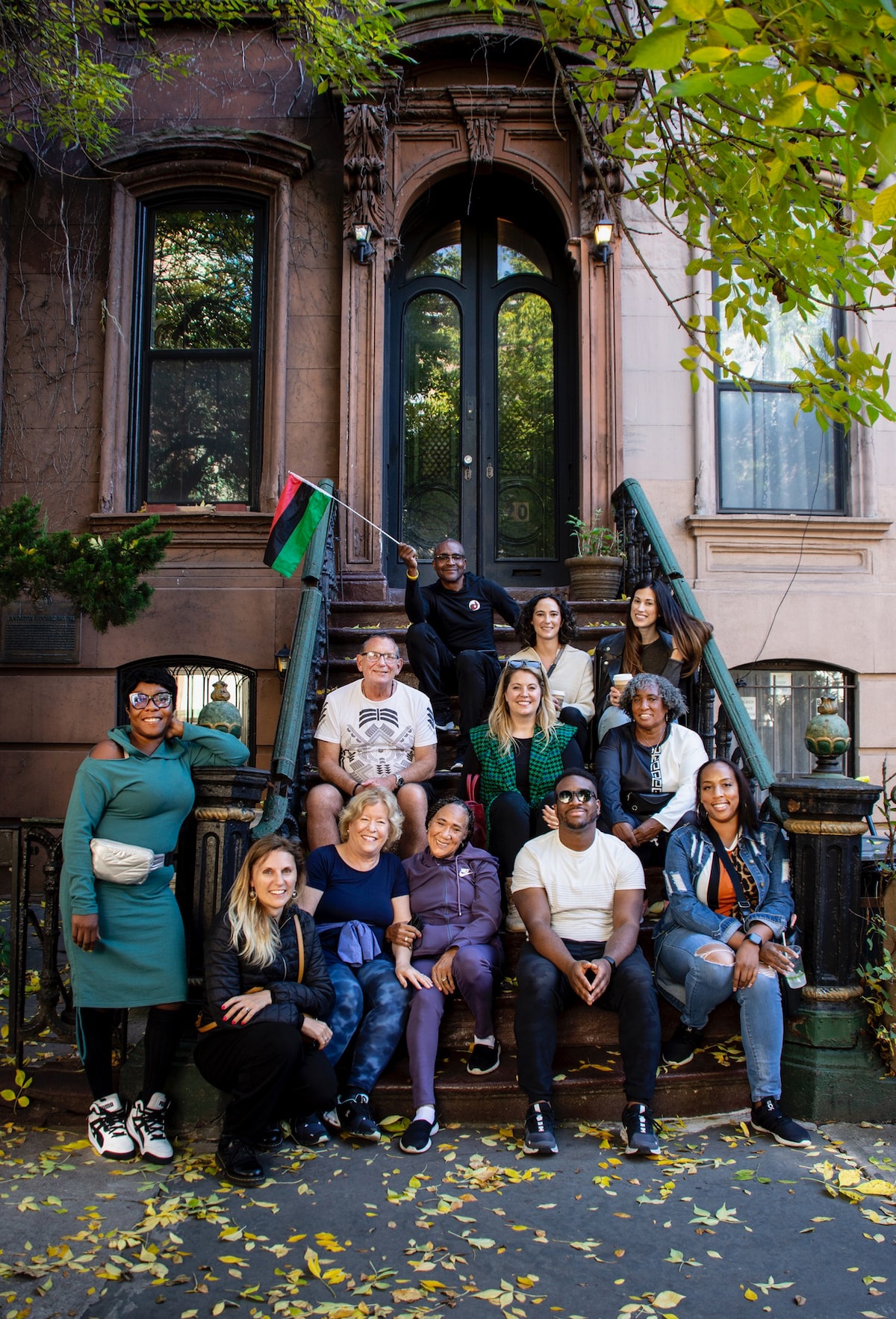
The Soul of Harlem Walking Tour
Sat, Feb 21 • 10:00 AM
New York, New York, 10035
View details

The 46th Annual Marion Thompson Wright Lecture Series
Sat, Feb 21 • 9:00 AM
350 Doctor Martin Luther King Junior Boulevard Newark, NJ 07102
View details
Nearby attractions of Kosciuszko Bridge
Under the ‘K’ Bridge Park
Calvary Monument
Penny Bridge
Kosciusko Bridge Walkway & Bike Path
Skate Park
Under the ‘K’ Bridge Park
Sgt. William Dougherty Playground
Sarge's Skate Park
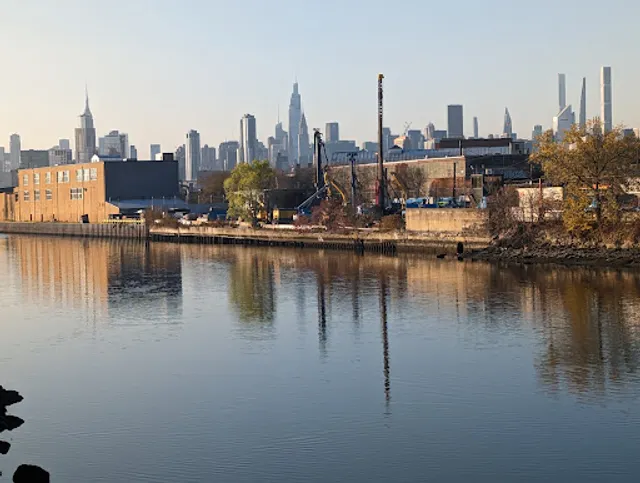
Under the ‘K’ Bridge Park
4.6
(46)
Open 24 hours
Click for details
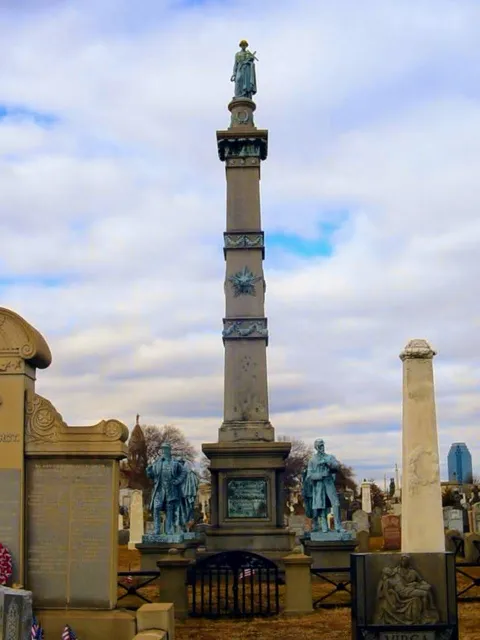
Calvary Monument
4.6
(16)
Open 24 hours
Click for details
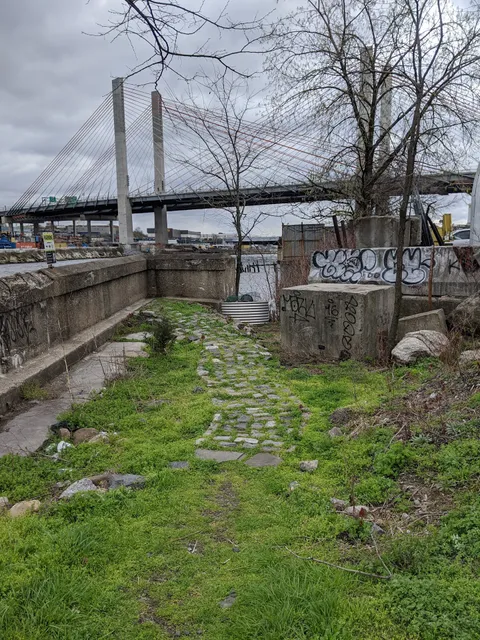
Penny Bridge
4.2
(11)
Open 24 hours
Click for details
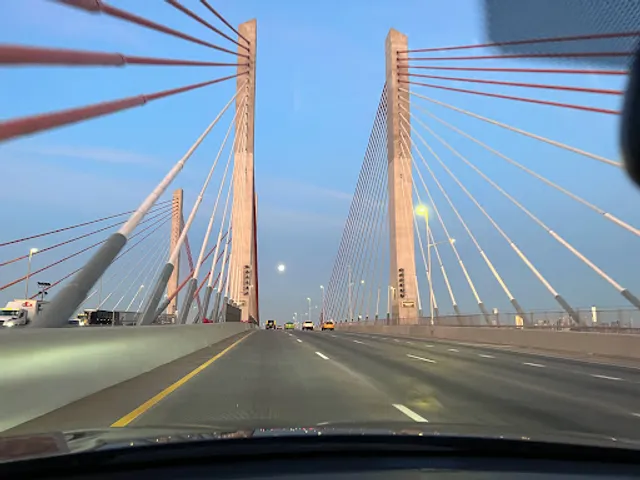
Kosciusko Bridge Walkway & Bike Path
4.8
(15)
Open until 12:00 AM
Click for details
Nearby restaurants of Kosciuszko Bridge
Eataliano Pies
Rudy's deli
Forty Eight Street Deli
48 Street Cafe
Bantry Bay Publick House
Vermont Bread Co
Saucey Pizza Bar
Heaven & Earth
Morrisons Pastry Corporation
Angelo's Pizza & Deli
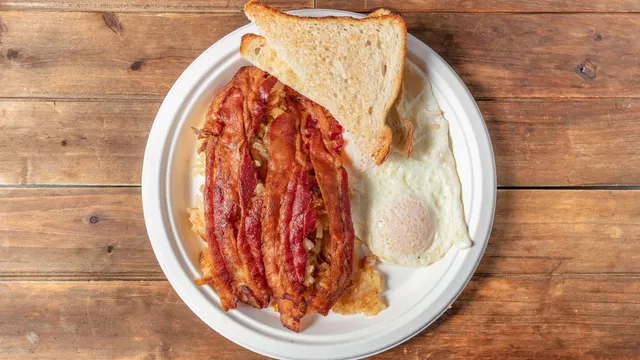
Eataliano Pies
4.4
(90)
$
Open until 12:00 AM
Click for details
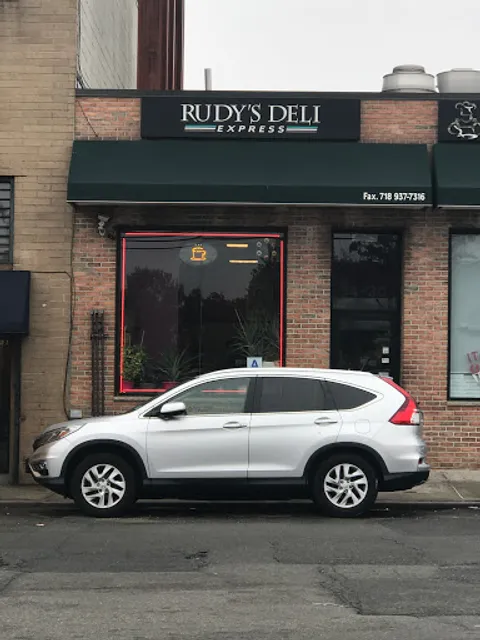
Rudy's deli
4.4
(86)
$
Open until 12:00 AM
Click for details
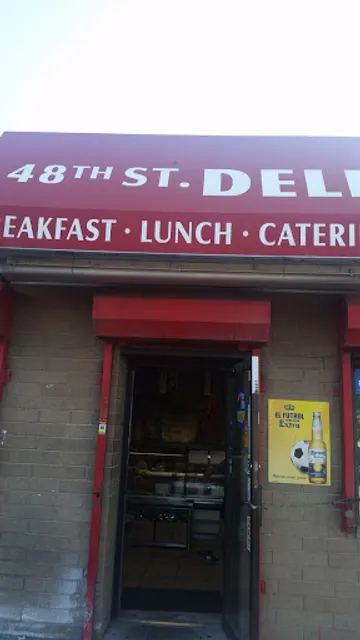
Forty Eight Street Deli
4.4
(36)
$
Closed
Click for details
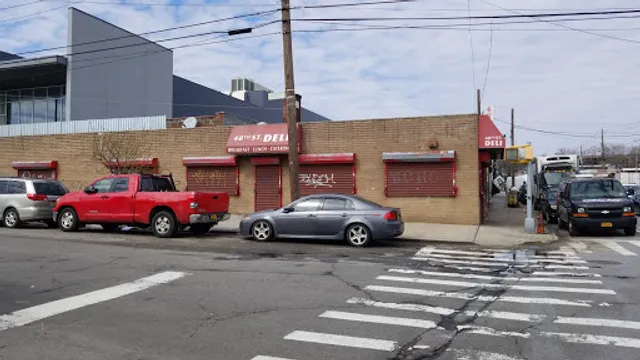
48 Street Cafe
4.4
(19)
Open until 10:00 PM
Click for details
Nearby local services of Kosciuszko Bridge
York Studios
Under the ‘K’ Bridge Park
Sunline Express
All Borough Party Rental of NYC
Aquavim Glass Aquariums
Shore Park
Newtown Creek
FRUITSTAND
Big Geyser Inc
Lee's Kitchen Cabinet & Stone Inc
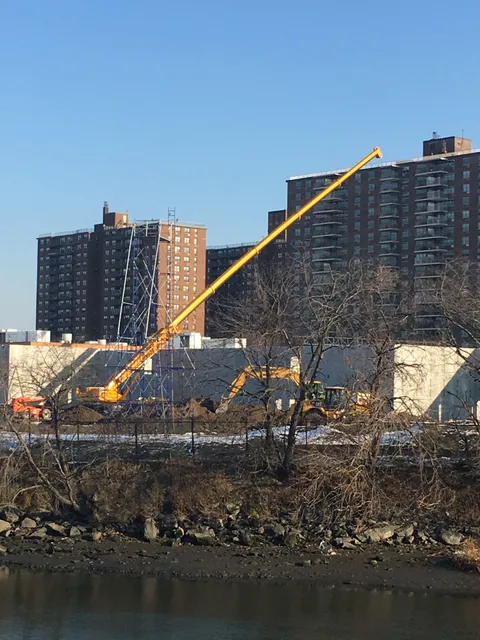
York Studios
4.2
(8)
Click for details
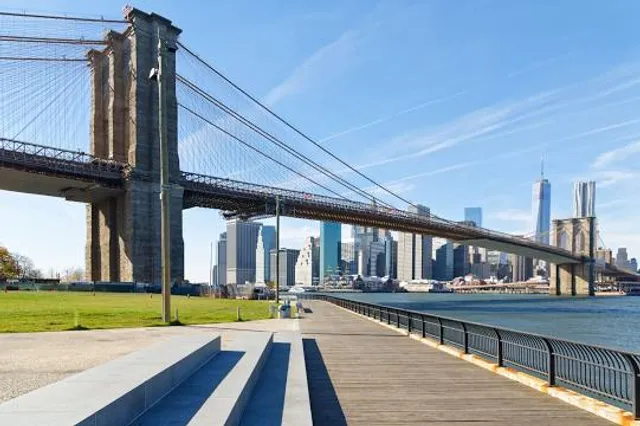
Under the ‘K’ Bridge Park
4.6
(41)
Click for details
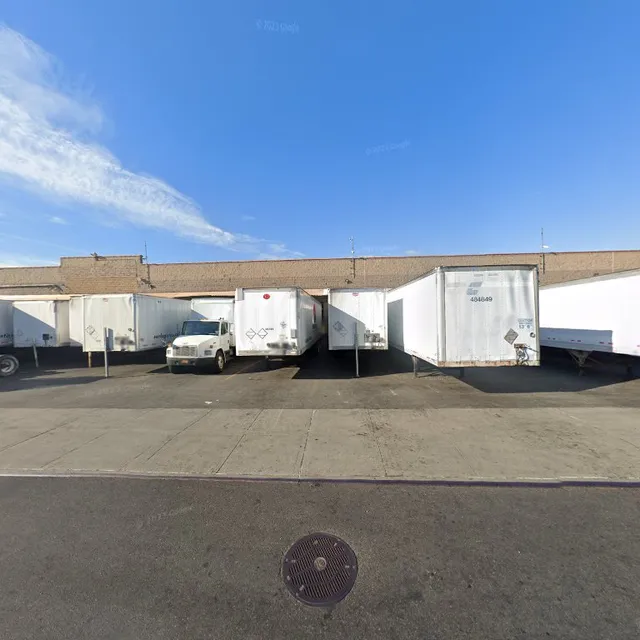
Sunline Express
4.3
(17)
Click for details

All Borough Party Rental of NYC
4.5
(62)
Click for details