Museum of the American Arts and Crafts Movement things to do, attractions, restaurants, events info and trip planning
Basic Info
Museum of the American Arts and Crafts Movement
355 4th St N, St. Petersburg, FL 33701
4.8(289)
Open until 12:00 AM
Save
spot
spot
Ratings & Description
Info
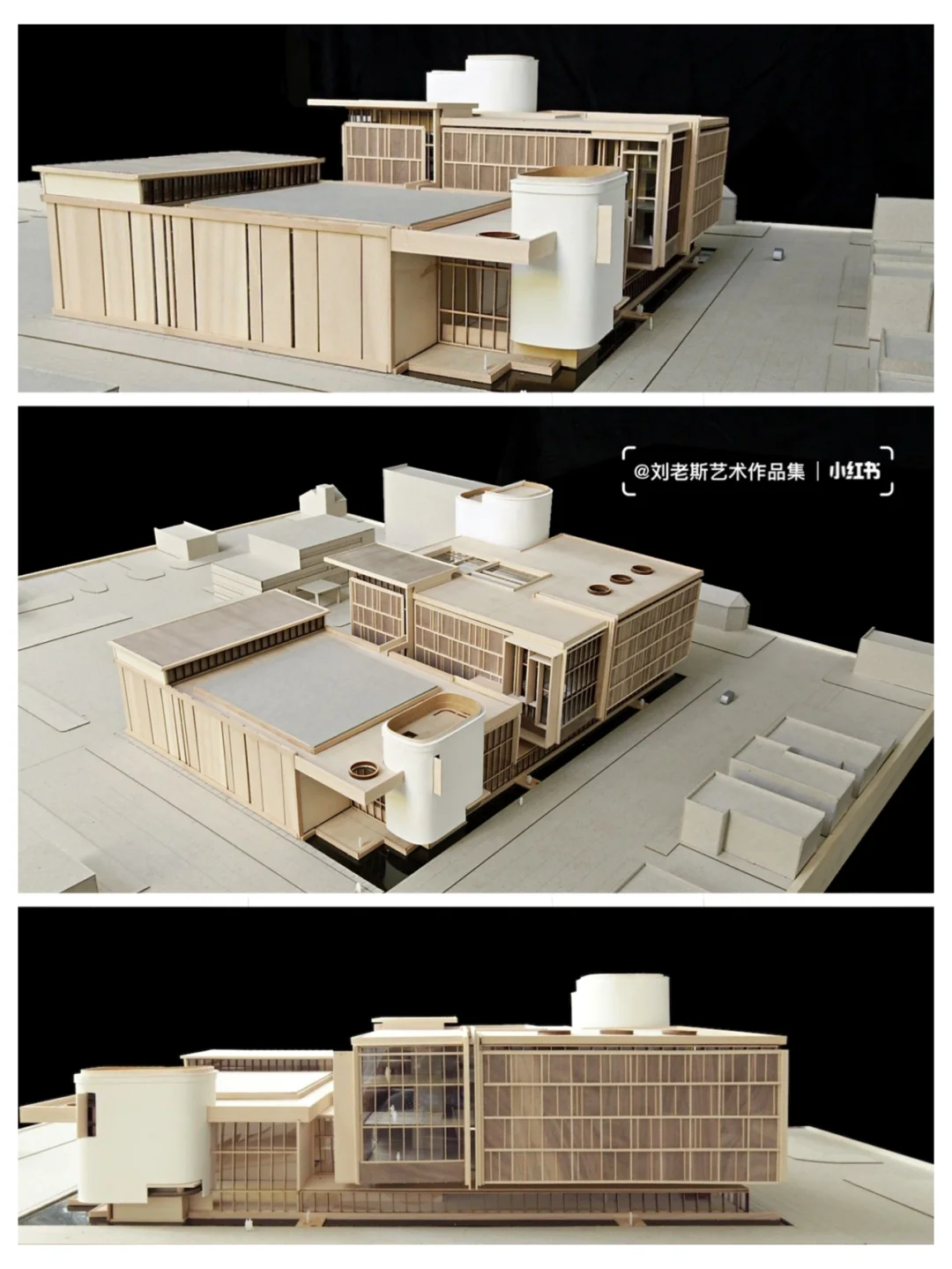
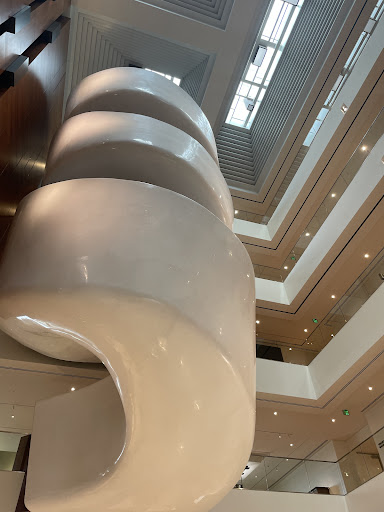
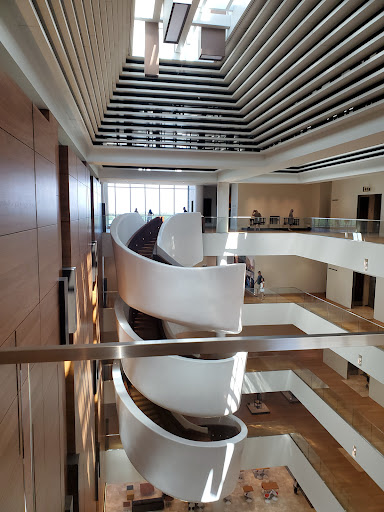
Museum of the American Arts and Crafts Movement is a 137,000 sq ft museum which opened in 2021 in St. Petersburg, Florida. The museum is funded by The Two Red Roses Foundation, which in turn was endowed by art collector, businessman and philanthropist Rodolfo Ciccarello.
Cultural
Family friendly
Accessibility
attractions: Palladium at St. Petersburg College, Williams Park, American Stage Theatre Company, Jannus Live, Cathedral Church of Saint Peter, Historic Round Lake Park, Tranquility Wellness Spa, Florida CraftArt, The James Museum of Western & Wildlife Art, The Florida Holocaust Museum, restaurants: Tony D's Sub Shop, Arts Cafe, The Wine Cave & The Dutchman, Sushi Sho Rexley, Cognac, The Scott, Mio’s Grill & Cafe, Kahwa Coffee, Sushi Inc, Joey Brooklyn's Famous Pizza Kitchen, local businesses: Voodoo Brewing Co. - St. Petersburg, The Coliseum, AMC Sundial 12, Pure Vibrancy Meal Prep & Catering, Pageboy, LLC, The Sundial, The Awakened Beauty Boutique, Diamonds Direct, Sadie + Sky Permanent Jewelry, Green Light Cinema
 Learn more insights from Wanderboat AI.
Phone
(727) 440-4859
Website
museumaacm.org
Open hoursSee all hours
Tue10 AM - 4 PMOpen
Plan your stay

Pet-friendly Hotels in Saint Petersburg
Find a cozy hotel nearby and make it a full experience.

Affordable Hotels in Saint Petersburg
Find a cozy hotel nearby and make it a full experience.

The Coolest Hotels You Haven't Heard Of (Yet)
Find a cozy hotel nearby and make it a full experience.

Trending Stays Worth the Hype in Saint Petersburg
Find a cozy hotel nearby and make it a full experience.
Reviews
Live events

Ladies Speed Dating Mixer
Tue, Feb 17 • 6:00 PM
2913 Beach Boulevard South Gulfport, FL 33707
View details

St. Petersburg Town Hall
Tue, Feb 17 • 6:00 PM
2501 5th Avenue North St. Petersburg, FL 33713
View details

Reiki Share and Sound Bath - Seminole
Tue, Feb 17 • 6:30 PM
8324 112th Street North Seminole, FL 33772
View details
Nearby attractions of Museum of the American Arts and Crafts Movement
Palladium at St. Petersburg College
Williams Park
American Stage Theatre Company
Jannus Live
Cathedral Church of Saint Peter
Historic Round Lake Park
Tranquility Wellness Spa
Florida CraftArt
The James Museum of Western & Wildlife Art
The Florida Holocaust Museum

Palladium at St. Petersburg College
4.7
(667)
Open 24 hours
Click for details
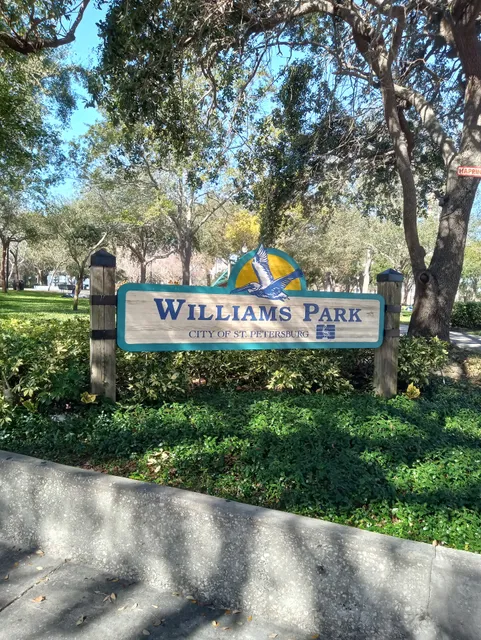
Williams Park
4.1
(675)
Open until 10:00 PM
Click for details
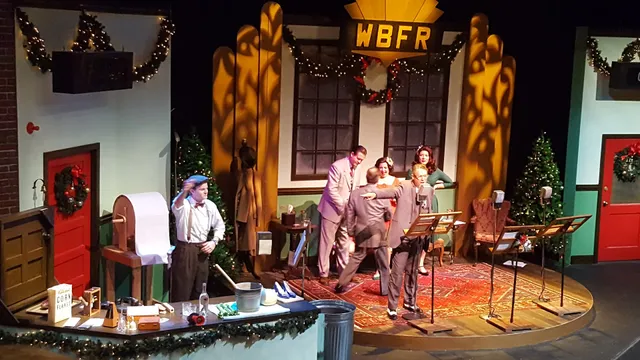
American Stage Theatre Company
4.8
(230)
Open 24 hours
Click for details

Jannus Live
4.6
(2.2K)
Open 24 hours
Click for details
Nearby restaurants of Museum of the American Arts and Crafts Movement
Tony D's Sub Shop
Arts Cafe
The Wine Cave & The Dutchman
Sushi Sho Rexley
Cognac
The Scott
Mio’s Grill & Cafe
Kahwa Coffee
Sushi Inc
Joey Brooklyn's Famous Pizza Kitchen

Tony D's Sub Shop
4.7
(66)
Open until 10:00 PM
Click for details
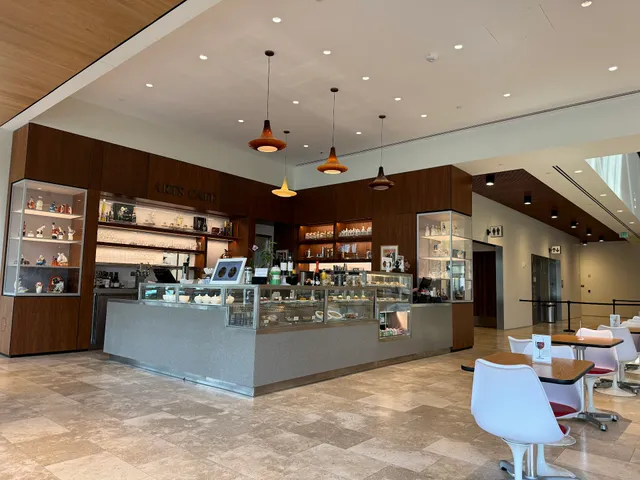
Arts Cafe
4.5
(10)
$
Open until 12:00 AM
Click for details

The Wine Cave & The Dutchman
5.0
(26)
$
Open until 12:00 AM
Click for details
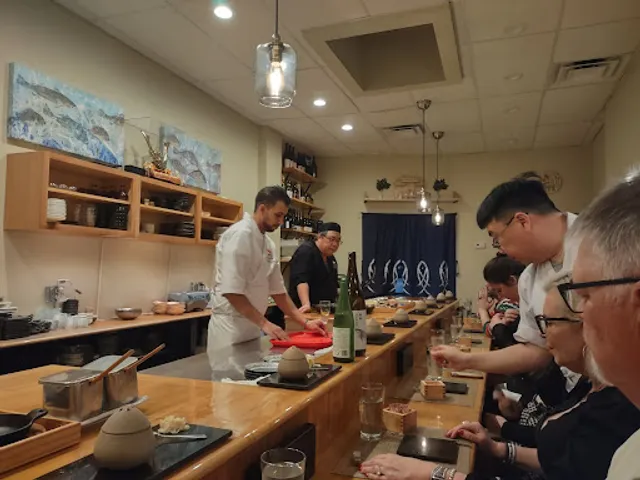
Sushi Sho Rexley
4.8
(174)
$$$$
Open until 12:00 AM
Click for details
Nearby local services of Museum of the American Arts and Crafts Movement
Voodoo Brewing Co. - St. Petersburg
The Coliseum
AMC Sundial 12
Pure Vibrancy Meal Prep & Catering
Pageboy, LLC
The Sundial
The Awakened Beauty Boutique
Diamonds Direct
Sadie + Sky Permanent Jewelry
Green Light Cinema
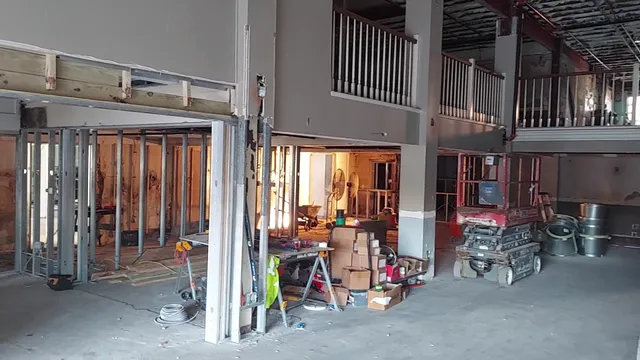
Voodoo Brewing Co. - St. Petersburg
4.2
(195)
Click for details
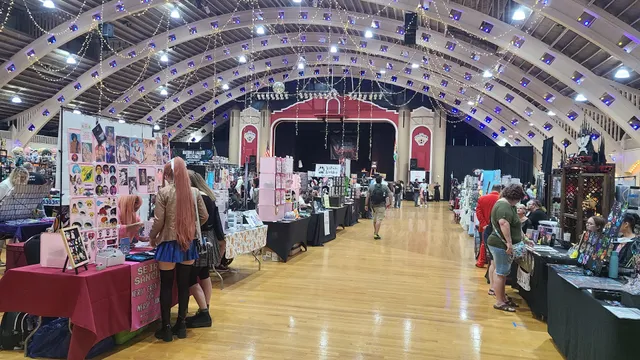
The Coliseum
4.5
(314)
Click for details
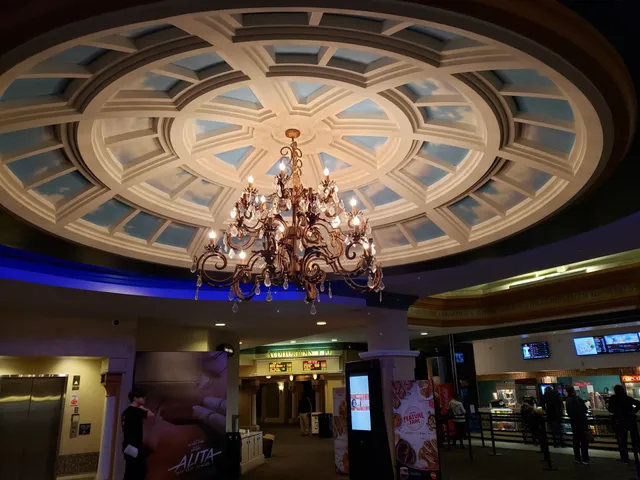
AMC Sundial 12
4.3
(1.4K)
Click for details

Pure Vibrancy Meal Prep & Catering
5.0
(30)
Click for details