Old Mission Santa Barbara 1786 things to do, attractions, restaurants, events info and trip planning
Basic Info
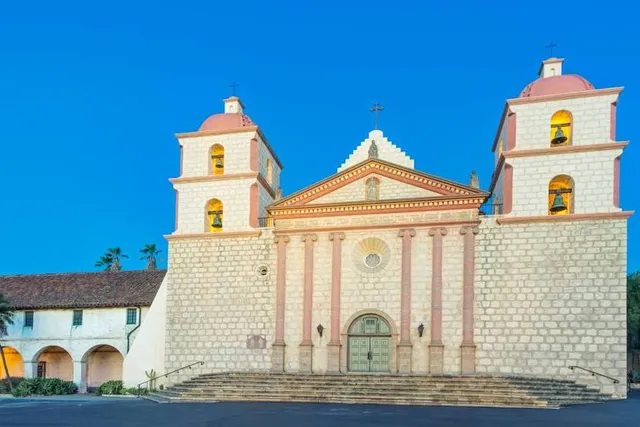
Old Mission Santa Barbara 1786
2201 Laguna St, Santa Barbara, CA 93105
4.6(2.2K)
Closed

tickets
Save
spot
spot
Ratings & Description
Info
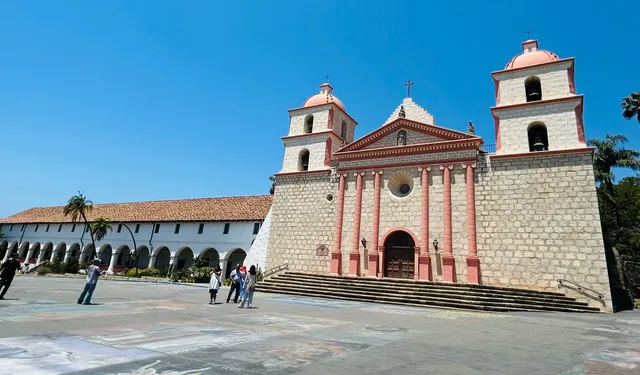
Mission Santa Barbara is a Spanish mission in Santa Barbara, California, United States. Often referred to as the 'Queen of the Missions', it was founded by Padre Fermín Lasuén for the Franciscan order ...
Cultural
Accessibility
attractions: Santa Barbara Museum of Natural History, Mission Rose Garden, Mission Historical Park, Moorish Fountain, Rocky Nook Park, Orpet Park, New Life Church, restaurants: Claudia coffee bar, Garrett's Old Fashioned Restaurant, Ike's Love & Sandwiches, The Dining Room at El Encanto, local businesses: Serra Shop, Poor Clares of Santa Barbara, SBIFF Riviera Theatre, First Presbyterian Church of Santa Barbara, MiraMed and Day Spa, Illusions Vape & Pipes, 7-Eleven, Massage Company
 Learn more insights from Wanderboat AI.
Phone
(805) 682-4713
Website
santabarbaramission.org
Open hoursSee all hours
Sat9:30 AM - 4 PMClosed
Plan your stay

Pet-friendly Hotels in Santa Barbara
Find a cozy hotel nearby and make it a full experience.

Affordable Hotels in Santa Barbara
Find a cozy hotel nearby and make it a full experience.

The Coolest Hotels You Haven't Heard Of (Yet)
Find a cozy hotel nearby and make it a full experience.

Trending Stays Worth the Hype in Santa Barbara
Find a cozy hotel nearby and make it a full experience.
Reviews
Live events

Mothers Circle
Wed, Feb 18 • 2:00 PM
400 West Pueblo St. santa barbara, CA 93105
View details
Candlelight: Tribute to Taylor Swift
Fri, Feb 20 • 6:15 PM
1070 Fairway Rd, Santa Barbara, 93108
View details
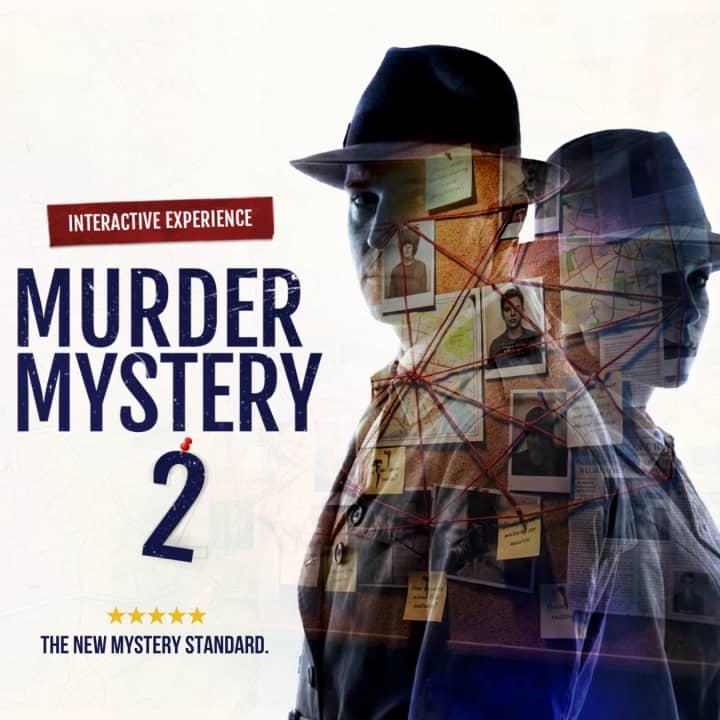
Santa Barbara Murder Mystery 2: Crime on Date Night!
Sun, Feb 1 • 12:00 AM
Anacapa St. & Anapamu St. Santa Barbara, CA, 93101
View details
Nearby attractions of Old Mission Santa Barbara 1786
Santa Barbara Museum of Natural History
Mission Rose Garden
Mission Historical Park
Moorish Fountain
Rocky Nook Park
Orpet Park
New Life Church
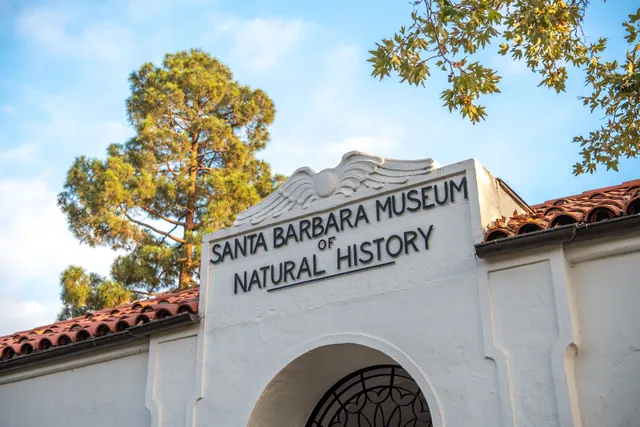
Santa Barbara Museum of Natural History
4.7
(794)
Closed
Click for details
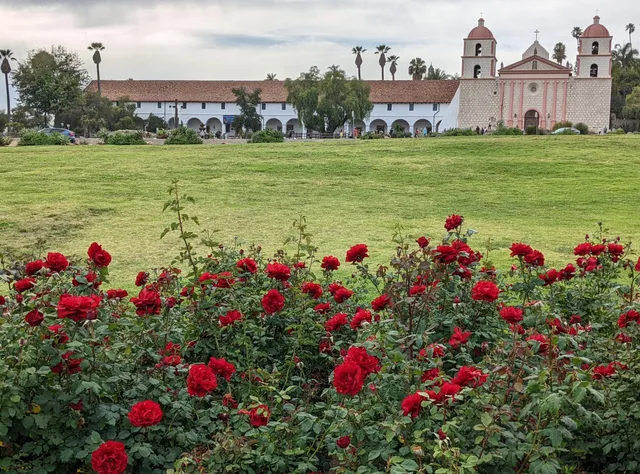
Mission Rose Garden
4.8
(288)
Open until 12:00 AM
Click for details
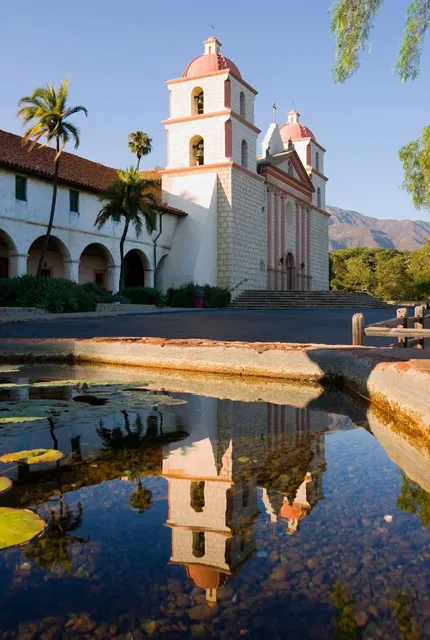
Mission Historical Park
4.7
(147)
Open until 12:00 AM
Click for details
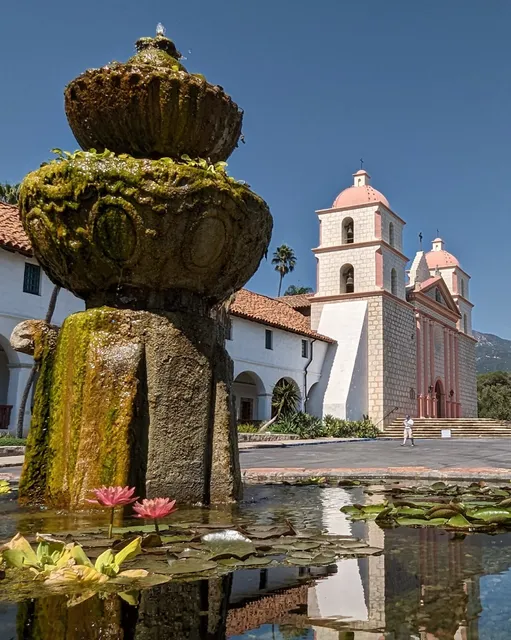
Moorish Fountain
4.8
(11)
Open 24 hours
Click for details
Nearby restaurants of Old Mission Santa Barbara 1786
Claudia coffee bar
Garrett's Old Fashioned Restaurant
Ike's Love & Sandwiches
The Dining Room at El Encanto
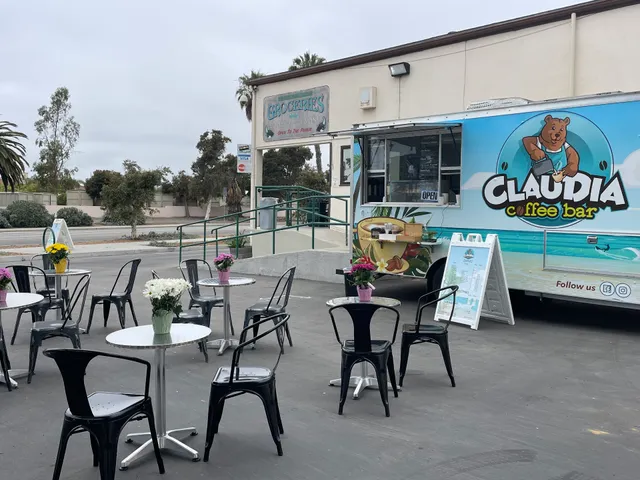
Claudia coffee bar
4.4
(5)
$
Closed
Click for details
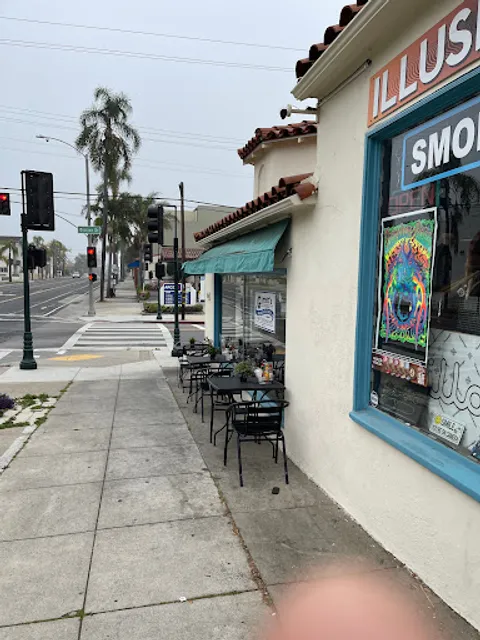
Garrett's Old Fashioned Restaurant
4.4
(458)
$
Closed
Click for details
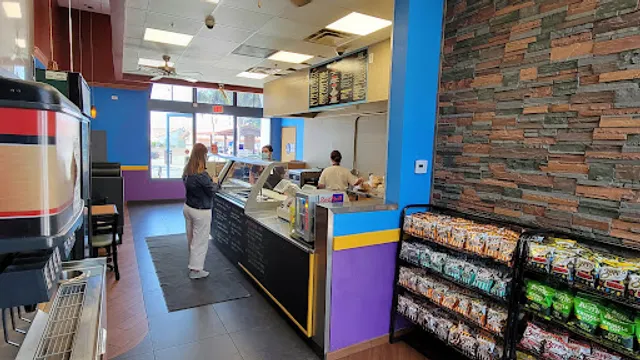
Ike's Love & Sandwiches
4.2
(134)
$
Closed
Click for details
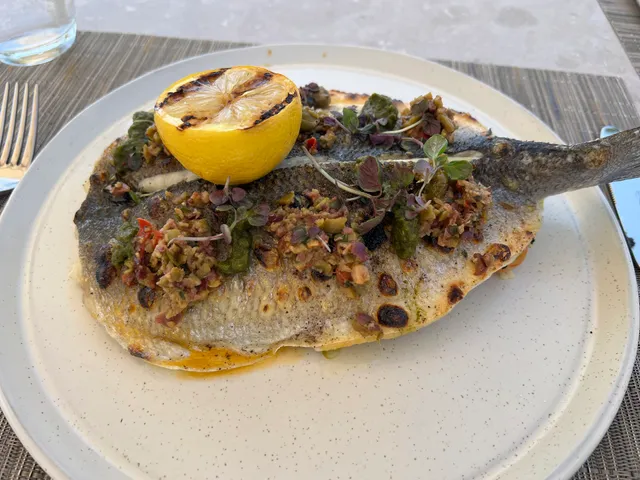
The Dining Room at El Encanto
3.9
(10)
$$
Click for details
Nearby local services of Old Mission Santa Barbara 1786
Serra Shop
Poor Clares of Santa Barbara
SBIFF Riviera Theatre
First Presbyterian Church of Santa Barbara
MiraMed and Day Spa
Illusions Vape & Pipes
7-Eleven
Massage Company
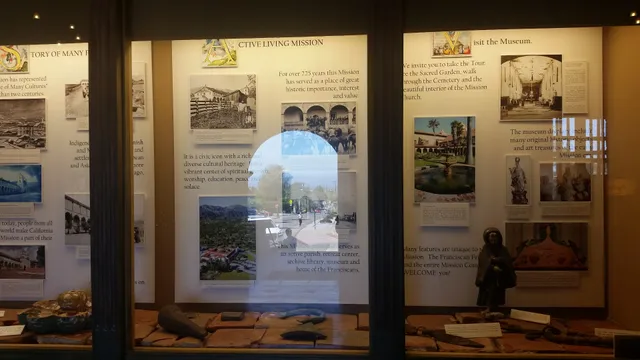
Serra Shop
4.0
(14)
Click for details
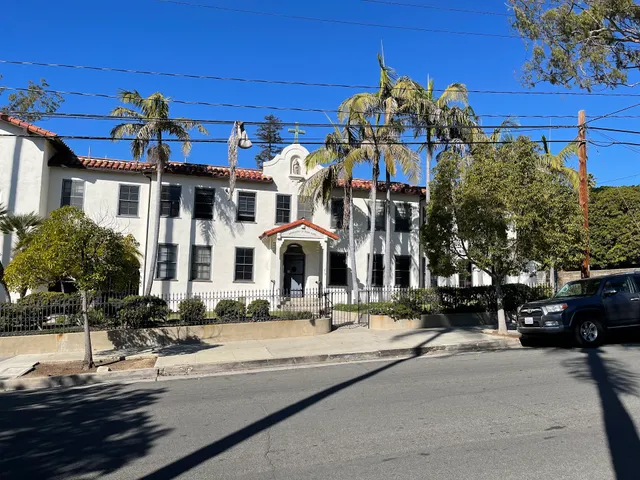
Poor Clares of Santa Barbara
4.9
(39)
Click for details
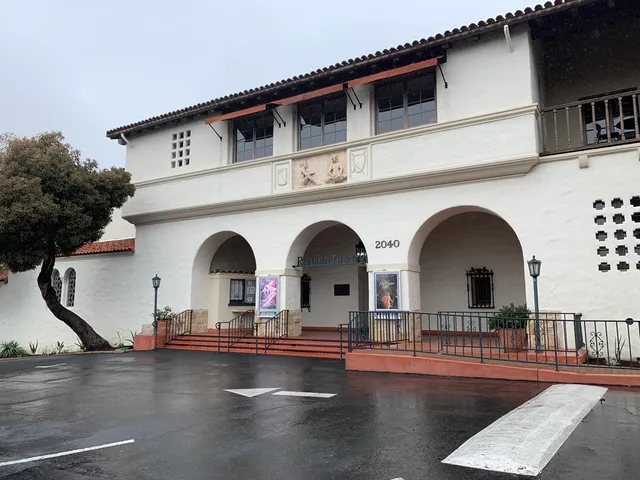
SBIFF Riviera Theatre
4.8
(125)
Click for details
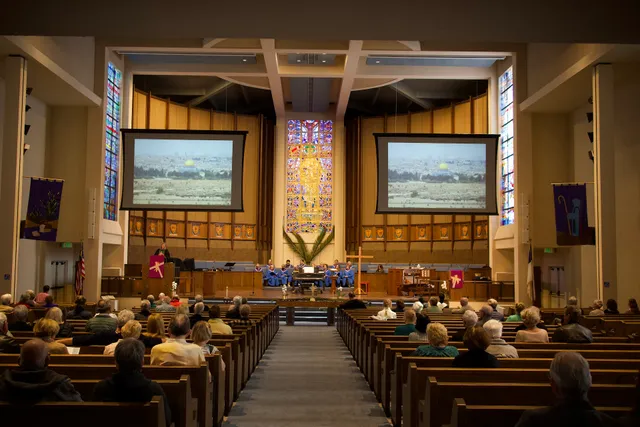
First Presbyterian Church of Santa Barbara
4.4
(26)
Click for details


The hit list
Plan your trip with Wanderboat
Welcome to Wanderboat AI, your AI search for local Eats and Fun, designed to help you explore your city and the world with ease.
Powered by Wanderboat AI trip planner.