Sugar Mill Park things to do, attractions, restaurants, events info and trip planning

Basic Info
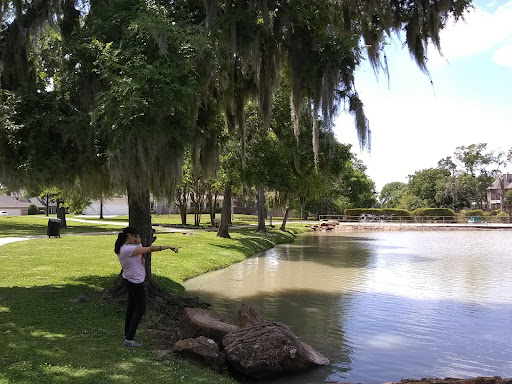
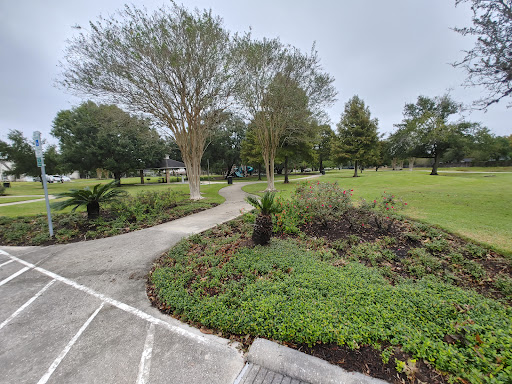
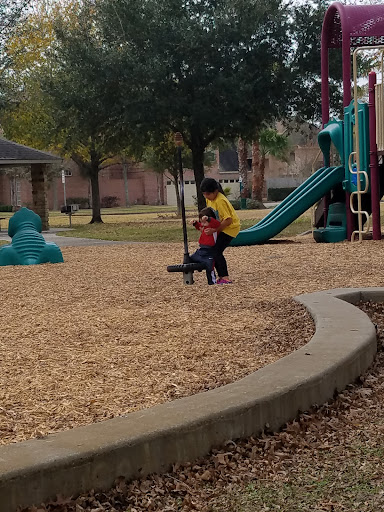
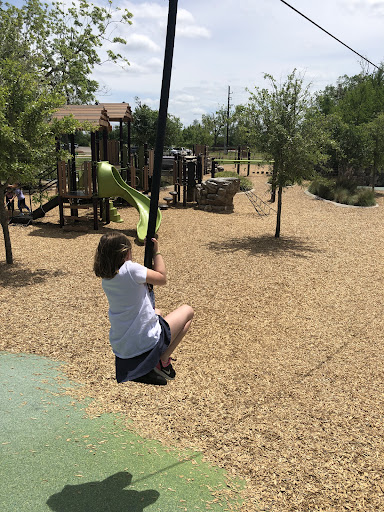
Sugar Mill Park
13800 Hidden Lake Ln, Sugar Land, TX 77478
4.6(127)
Closed
Save
spot
spot
Ratings & Description
Info
Outdoor
Relaxation
Family friendly
Pet friendly
attractions: Covington West Park, Crossbridge Church, restaurants: Panda Garden, Mug Life Cafe Halal, Sugar Mill Taco Co., Southern Maid Donuts, Popeyes Louisiana Kitchen, McDonald's, Pizza Hut, Subway, local businesses: Sugar Mill, Infinity Cards, Leo’s Hair Lounge and Nail bar, MASC Austin Properties, Inc., City of Sugar Land Tennis Courts, Agora Gift & Toys
 Learn more insights from Wanderboat AI.
Phone
(281) 275-2825
Website
sugarlandtx.gov
Open hoursSee all hours
Wed6 AM - 10:30 PMClosed
Plan your stay

Pet-friendly Hotels in Sugar Land
Find a cozy hotel nearby and make it a full experience.

Affordable Hotels in Sugar Land
Find a cozy hotel nearby and make it a full experience.

The Coolest Hotels You Haven't Heard Of (Yet)
Find a cozy hotel nearby and make it a full experience.

Trending Stays Worth the Hype in Sugar Land
Find a cozy hotel nearby and make it a full experience.
Reviews
Live events

Boots and Blues Bar-B-Que Cook Off 2026
Thu, Feb 26 • 6:00 PM
Booth D-743 NRG Pkwy Houston, TX 77054
View details

ARTECHOUSE Presents: Fractal Worlds
Wed, Feb 25 • 12:00 PM
600 West 6th Street, Houston, 77007
View details

Roast To Cup Workshop
Sun, Mar 1 • 9:00 AM
13350 South Gessner Road Missouri City, TX 77489
View details
Nearby attractions of Sugar Mill Park
Covington West Park
Crossbridge Church
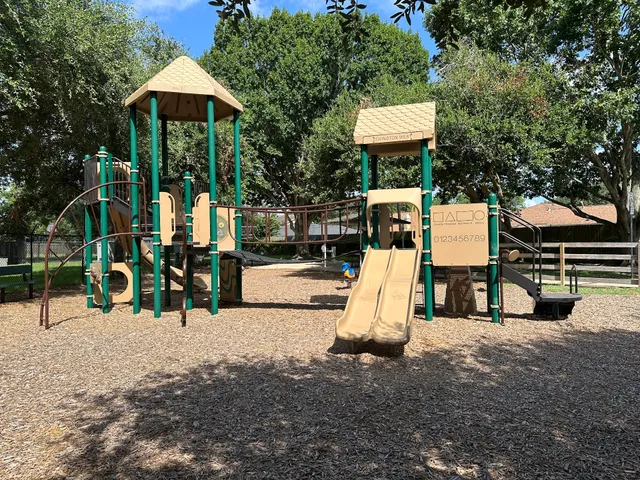
Covington West Park
4.4
(55)
Closed
Click for details
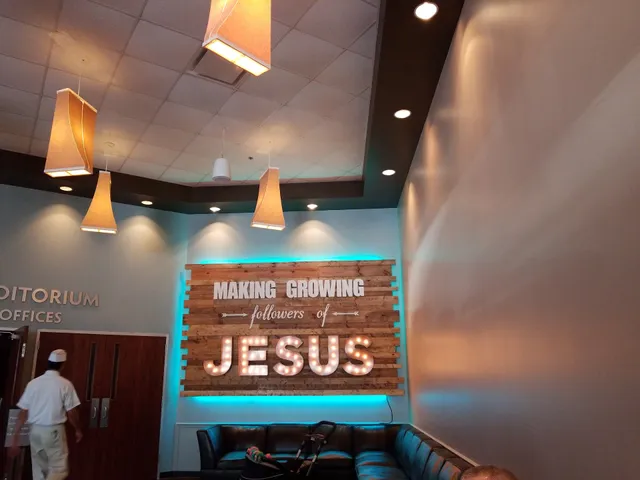
Crossbridge Church
4.9
(35)
Closed
Click for details
Nearby restaurants of Sugar Mill Park
Panda Garden
Mug Life Cafe Halal
Sugar Mill Taco Co.
Southern Maid Donuts
Popeyes Louisiana Kitchen
McDonald's
Pizza Hut
Subway
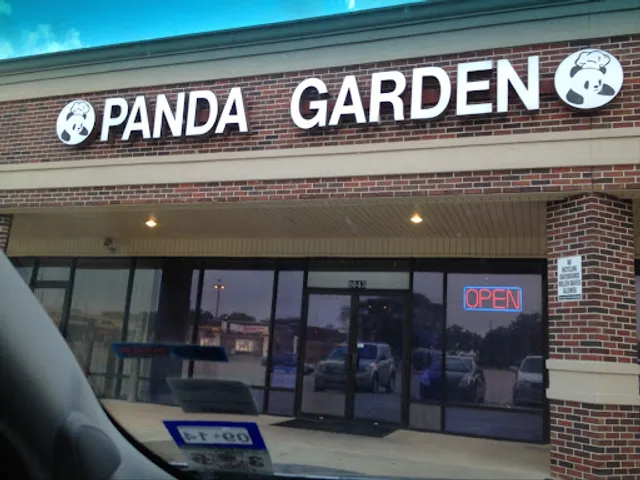
Panda Garden
4.3
(338)
$
Closed
Click for details
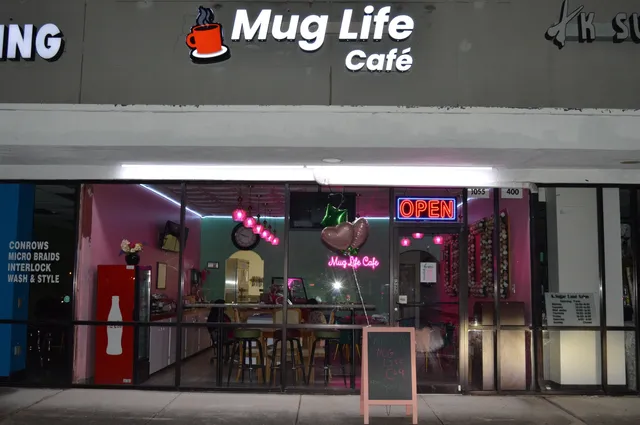
Mug Life Cafe Halal
4.8
(42)
$
Closed
Click for details
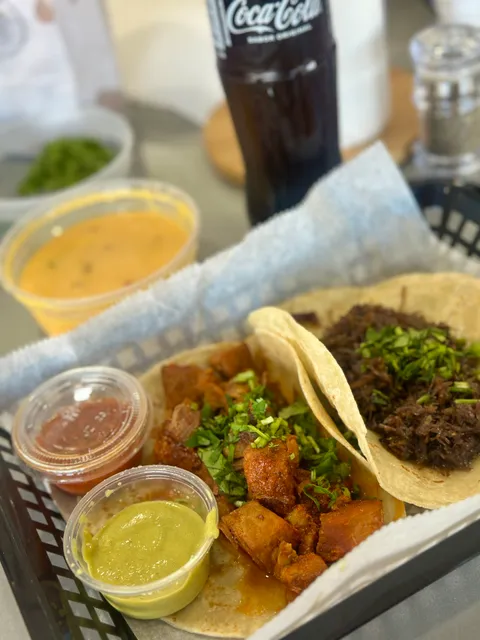
Sugar Mill Taco Co.
4.7
(29)
$
Closed
Click for details
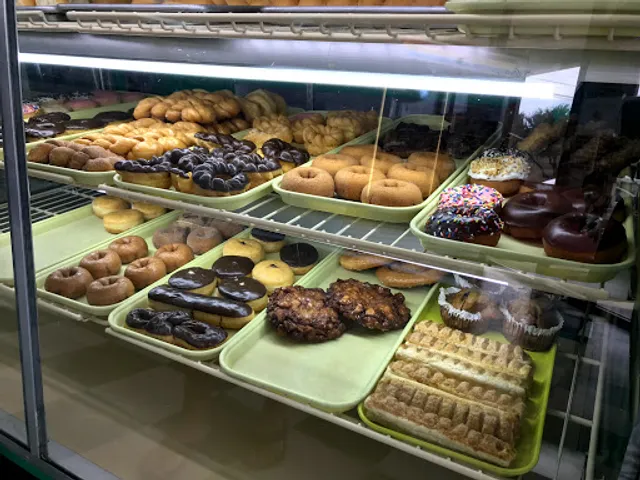
Southern Maid Donuts
4.3
(69)
$
Closed
Click for details
Nearby local services of Sugar Mill Park
Sugar Mill
Infinity Cards
Leo’s Hair Lounge and Nail bar
MASC Austin Properties, Inc.
City of Sugar Land Tennis Courts
Agora Gift & Toys
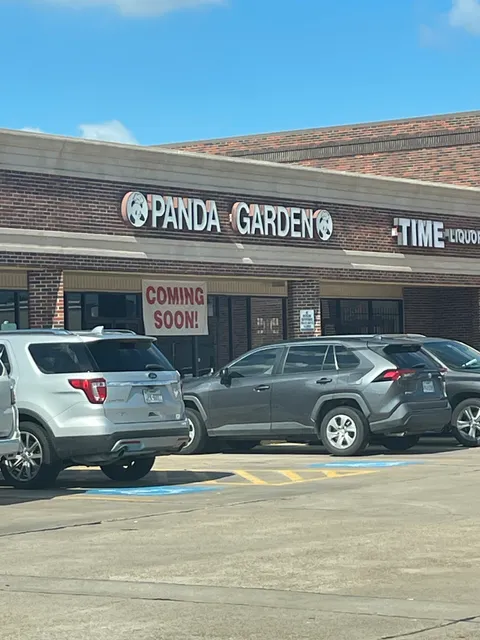
Sugar Mill
4.3
(604)
Click for details
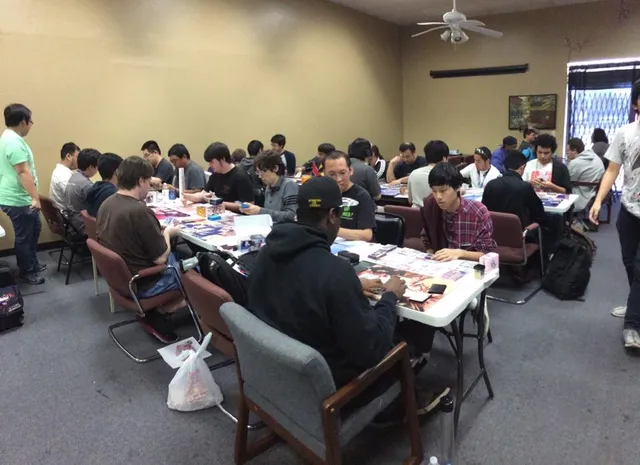
Infinity Cards
4.3
(54)
Click for details

Leo’s Hair Lounge and Nail bar
5.0
(8)
Click for details
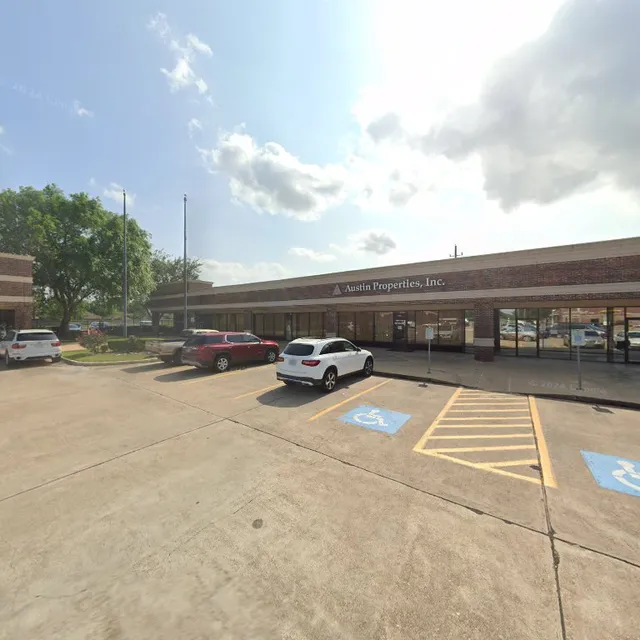
MASC Austin Properties, Inc.
2.1
(65)
Click for details