HTML SitemapExplore
logo
Find Things to DoFind The Best Restaurants

Fort St. Frederic — Attraction in Town of Crown Point

Name
Fort St. Frederic
Description
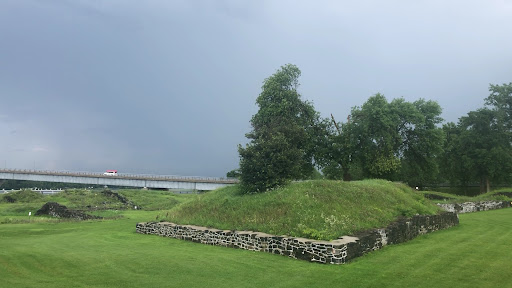
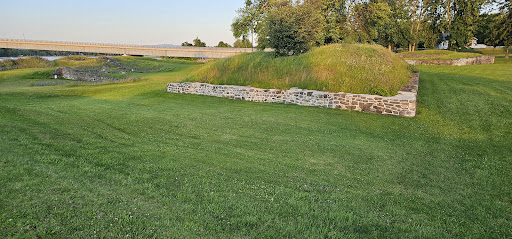
Fort Saint-Frédéric was a French fort built on Lake Champlain to secure the region against British colonization and control the lake. It was located in modern New York State across the lake from modern Vermont at the town of Crown Point, New York.
Nearby attractions
Crown Point State Historic Site
21 Grandview Dr, Crown Point, NY 12928
Lake Champlain Bridge
Bridge Rd, Crown Point, NY 12928
Champlain Memorial Lighthouse
Crown Point, NY 12928
Crown Point State Historic Site
21 Grandview Drive, Crown Point, NY 12928
Chimney Point State Historic Site
31 VT-17, Addison, VT 05491
Nearby restaurants
The Bridge Restaurant
8013 VT-17, Addison, VT 05491
Nearby hotels
Crown Point Campground
784 Bridge Rd, Crown Point, NY 12928
Related posts
Keywords
Fort St. Frederic tourism.Fort St. Frederic hotels.Fort St. Frederic bed and breakfast. flights to Fort St. Frederic.Fort St. Frederic attractions.Fort St. Frederic restaurants.Fort St. Frederic travel.Fort St. Frederic travel guide.Fort St. Frederic travel blog.Fort St. Frederic pictures.Fort St. Frederic photos.Fort St. Frederic travel tips.Fort St. Frederic maps.Fort St. Frederic things to do.
Fort St. Frederic things to do, attractions, restaurants, events info and trip planning
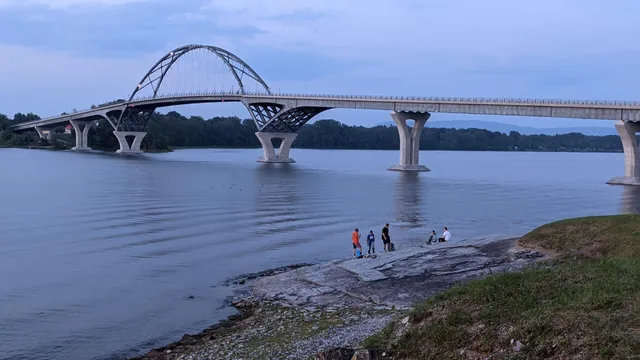
Fort St. Frederic
United StatesNew YorkTown of Crown PointFort St. Frederic

Basic Info

Fort St. Frederic

Adirondack Park, Crown Point, NY 12928
4.5(17)
Open until 12:00 AM
Save
spot

Ratings & Description

Info

Fort Saint-Frédéric was a French fort built on Lake Champlain to secure the region against British colonization and control the lake. It was located in modern New York State across the lake from modern Vermont at the town of Crown Point, New York.

Cultural
Outdoor
Scenic
Family friendly
attractions: Crown Point State Historic Site, Lake Champlain Bridge, Champlain Memorial Lighthouse, Crown Point State Historic Site, Chimney Point State Historic Site, restaurants: The Bridge Restaurant
logoLearn more insights from Wanderboat AI.
Website
nps.gov
Open hoursSee all hours
ThuOpen 24 hoursOpen

Plan your stay

hotel
Pet-friendly Hotels in Town of Crown Point
Find a cozy hotel nearby and make it a full experience.

hotel
Affordable Hotels in Town of Crown Point
Find a cozy hotel nearby and make it a full experience.

hotel
The Coolest Hotels You Haven't Heard Of (Yet)
Find a cozy hotel nearby and make it a full experience.

hotel
Trending Stays Worth the Hype in Town of Crown Point
Find a cozy hotel nearby and make it a full experience.

Reviews

Nearby attractions of Fort St. Frederic

Crown Point State Historic Site

Lake Champlain Bridge

Champlain Memorial Lighthouse

Crown Point State Historic Site

Chimney Point State Historic Site

Crown Point State Historic Site

Crown Point State Historic Site

4.7

(451)

Open 24 hours
Click for details
Lake Champlain Bridge

Lake Champlain Bridge

4.8

(110)

Open 24 hours
Click for details
Champlain Memorial Lighthouse

Champlain Memorial Lighthouse

4.8

(74)

Open until 12:00 AM
Click for details
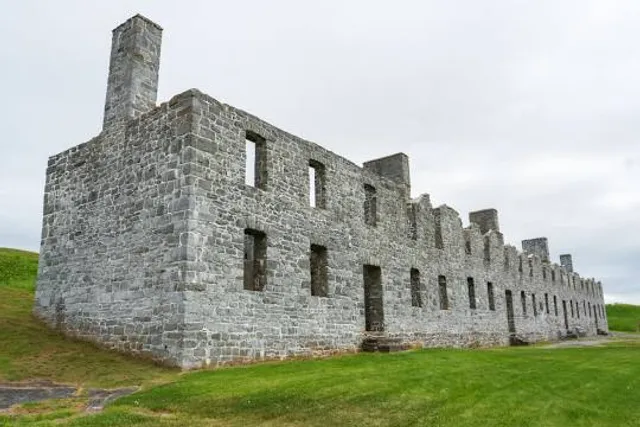
Crown Point State Historic Site

Crown Point State Historic Site

4.8

(166)

Open until 5:00 PM
Click for details

Things to do nearby

Local Spotlight: The Jane Boxall Thread: ICEBERG
Thu, Dec 11 • 7:00 PM
6679 Main Street, Westport, NY 12993
View details
Visit with Santa at Maple Landmark!
Sat, Dec 13 • 9:00 AM
1297 Exchange Street, Middlebury, VT 05753
View details
Triumph Dealer Holiday Party: GO AZ Scottsdale
Sat, Dec 13 • 10:00 AM
15500 Hayden Rd, Scottsdale, AZ 85260
View details

Nearby restaurants of Fort St. Frederic

The Bridge Restaurant

The Bridge Restaurant

The Bridge Restaurant

4.3

(301)

Click for details
Get the Appoverlay
Get the AppOne tap to find yournext favorite spots!
Wanderboat LogoWanderboat

Your everyday Al companion for getaway ideas

CompanyAbout Us
InformationAI Trip PlannerSitemap
SocialXInstagramTiktokLinkedin
LegalTerms of ServicePrivacy Policy

Get the app

© 2025 Wanderboat. All rights reserved.
logo

Posts

DakotaDakota
Fort St. Frédéric (1734-1759) - A French Colonial fort established in 1734 in present-day Essex County, New York. Named for the French Count Maurepas (Jean-Frederic Phelypeaux) who was the French minister of the Colonies, the Navy, and Seaborne Trade. Fort St. Frédéric was situated on the west side of a narrow gap at the head of Lake Champlain on Crown Point. In 1730, the French erected a small wooden fort at Point a la Chevelure, now Chimney Point, Vermont, and thereby taking control of territory claimed by Great Britain under the terms of the Treaty of Utrecht, 1713. The gap between Crown Point and Chimney Point was less than a half-mile wide and the new fort could control any traffic up or down the lake. Construction began in 1734 and was completed in 1737. The limestone fort was some 300 square feet with six named bastions, three bastions protected a four-story, eight-sided stone citadel in the north corner. Walls were constructed to be twelve feet thick at the base. Watch boxes were located at the tip of each of the four corner bastions. Inside the citadel, cannons were mounted on each floor and the entrance. Swivel cannon were mounted around the perimeter of the fort’s walls. The Entry to the Citadel was gained by a drawbridge over a dry ditch. This fortress-within-a-fort contained living quarters for officers and men, a bakery, armory, and storerooms. The fort was planned to mount some 62 cannons with about a 100 man garrison. The fort became the center of French activity along the lake and in 1750 the French established a second stockaded fort 12 miles to the south naming it Fort Vaudreuil, which they later built into the stone Fort Carillon would become known as Fort Ticonderoga. Raiding parties originating from Fort St. Frédéric, such as the one which burned Saratoga in 1745, kept British controlled frontier settlements in a constant state of alarm. More than a military presence, Fort St. Frédéric was an outpost of French culture in the Champlain Valley. Soldiers and settlers cultivated farms on both shores of the lake, and the population steadily increased under the encouragement from the French government. The fort’s chapel served soldier and civilian alike. The British began to challenge the decades of French expansion during the Seven Years’ War. British expeditions led by General William Johnson in 1755 and General James Abercrombie in 1758 attempted to capture Fort St. Frédéric without success. First Fort Carillon fell and then Fort St. Frédéric came under attack in July 1759 by British General Jeffery Amherst and his army of 12,000 men. Fort St. Frédéric and its surrounding settlements, the first European community in the southern Champlain Valley, were hastily evacuated upon the advance of the British army in 1759. The French abandoned Fort St. Frédéric, partially blowing up a redoubt and a windmill in the process before retreating in the face of the overwhelming force of British and provincial troops. Amherst ordered the old fort leveled and began construction of a massive new fortification on an adjacent site. The new fort became Fort Crown Point.
Jacob SconyersJacob Sconyers
After reading about the strategic importance of Crown Point, it was great to finally see how it commands a choke point on the lake. The ruins of the earlier French fort St Frederic were my favorite part.
Wayne Walk JrWayne Walk Jr
A nice historic place to take a walk, stretch the legs, and feed the brain! This smaller Fort was unique in its design compared to the nearby bigger one.
See more posts
See more posts
hotel
Find your stay

Pet-friendly Hotels in Town of Crown Point

Find a cozy hotel nearby and make it a full experience.

Fort St. Frédéric (1734-1759) - A French Colonial fort established in 1734 in present-day Essex County, New York. Named for the French Count Maurepas (Jean-Frederic Phelypeaux) who was the French minister of the Colonies, the Navy, and Seaborne Trade. Fort St. Frédéric was situated on the west side of a narrow gap at the head of Lake Champlain on Crown Point. In 1730, the French erected a small wooden fort at Point a la Chevelure, now Chimney Point, Vermont, and thereby taking control of territory claimed by Great Britain under the terms of the Treaty of Utrecht, 1713. The gap between Crown Point and Chimney Point was less than a half-mile wide and the new fort could control any traffic up or down the lake. Construction began in 1734 and was completed in 1737. The limestone fort was some 300 square feet with six named bastions, three bastions protected a four-story, eight-sided stone citadel in the north corner. Walls were constructed to be twelve feet thick at the base. Watch boxes were located at the tip of each of the four corner bastions. Inside the citadel, cannons were mounted on each floor and the entrance. Swivel cannon were mounted around the perimeter of the fort’s walls. The Entry to the Citadel was gained by a drawbridge over a dry ditch. This fortress-within-a-fort contained living quarters for officers and men, a bakery, armory, and storerooms. The fort was planned to mount some 62 cannons with about a 100 man garrison. The fort became the center of French activity along the lake and in 1750 the French established a second stockaded fort 12 miles to the south naming it Fort Vaudreuil, which they later built into the stone Fort Carillon would become known as Fort Ticonderoga. Raiding parties originating from Fort St. Frédéric, such as the one which burned Saratoga in 1745, kept British controlled frontier settlements in a constant state of alarm. More than a military presence, Fort St. Frédéric was an outpost of French culture in the Champlain Valley. Soldiers and settlers cultivated farms on both shores of the lake, and the population steadily increased under the encouragement from the French government. The fort’s chapel served soldier and civilian alike. The British began to challenge the decades of French expansion during the Seven Years’ War. British expeditions led by General William Johnson in 1755 and General James Abercrombie in 1758 attempted to capture Fort St. Frédéric without success. First Fort Carillon fell and then Fort St. Frédéric came under attack in July 1759 by British General Jeffery Amherst and his army of 12,000 men. Fort St. Frédéric and its surrounding settlements, the first European community in the southern Champlain Valley, were hastily evacuated upon the advance of the British army in 1759. The French abandoned Fort St. Frédéric, partially blowing up a redoubt and a windmill in the process before retreating in the face of the overwhelming force of British and provincial troops. Amherst ordered the old fort leveled and began construction of a massive new fortification on an adjacent site. The new fort became Fort Crown Point.
Dakota

Dakota

hotel
Find your stay

Affordable Hotels in Town of Crown Point

Find a cozy hotel nearby and make it a full experience.

Get the Appoverlay
Get the AppOne tap to find yournext favorite spots!
After reading about the strategic importance of Crown Point, it was great to finally see how it commands a choke point on the lake. The ruins of the earlier French fort St Frederic were my favorite part.
Jacob Sconyers

Jacob Sconyers

hotel
Find your stay

The Coolest Hotels You Haven't Heard Of (Yet)

Find a cozy hotel nearby and make it a full experience.

hotel
Find your stay

Trending Stays Worth the Hype in Town of Crown Point

Find a cozy hotel nearby and make it a full experience.

A nice historic place to take a walk, stretch the legs, and feed the brain! This smaller Fort was unique in its design compared to the nearby bigger one.
Wayne Walk Jr

Wayne Walk Jr

See more posts
See more posts

Reviews of Fort St. Frederic

4.5
(17)
avatar
5.0
2y

Fort St. Frédéric (1734-1759) - A French Colonial fort established in 1734 in present-day Essex County, New York. Named for the French Count Maurepas (Jean-Frederic Phelypeaux) who was the French minister of the Colonies, the Navy, and Seaborne Trade. Fort St. Frédéric was situated on the west side of a narrow gap at the head of Lake Champlain on Crown Point. In 1730, the French erected a small wooden fort at Point a la Chevelure, now Chimney Point, Vermont, and thereby taking control of territory claimed by Great Britain under the terms of the Treaty of Utrecht, 1713. The gap between Crown Point and Chimney Point was less than a half-mile wide and the new fort could control any traffic up or down the lake. Construction began in 1734 and was completed in 1737.

The limestone fort was some 300 square feet with six named bastions, three bastions protected a four-story, eight-sided stone citadel in the north corner. Walls were constructed to be twelve feet thick at the base. Watch boxes were located at the tip of each of the four corner bastions. Inside the citadel, cannons were mounted on each floor and the entrance. Swivel cannon were mounted around the perimeter of the fort’s walls. The Entry to the Citadel was gained by a drawbridge over a dry ditch. This fortress-within-a-fort contained living quarters for officers and men, a bakery, armory, and storerooms. The fort was planned to mount some 62 cannons with about a 100 man garrison.

The fort became the center of French activity along the lake and in 1750 the French established a second stockaded fort 12 miles to the south naming it Fort Vaudreuil, which they later built into the stone Fort Carillon would become known as Fort Ticonderoga. Raiding parties originating from Fort St. Frédéric, such as the one which burned Saratoga in 1745, kept British controlled frontier settlements in a constant state of alarm. More than a military presence, Fort St. Frédéric was an outpost of French culture in the Champlain Valley. Soldiers and settlers cultivated farms on both shores of the lake, and the population steadily increased under the encouragement from the French government. The fort’s chapel served soldier and civilian alike.

The British began to challenge the decades of French expansion during the Seven Years’ War. British expeditions led by General William Johnson in 1755 and General James Abercrombie in 1758 attempted to capture Fort St. Frédéric without success. First Fort Carillon fell and then Fort St. Frédéric came under attack in July 1759 by British General Jeffery Amherst and his army of 12,000 men. Fort St. Frédéric and its surrounding settlements, the first European community in the southern Champlain Valley, were hastily evacuated upon the advance of the British army in 1759. The French abandoned Fort St. Frédéric, partially blowing up a redoubt and a windmill in the process before retreating in the face of the overwhelming force of British and provincial troops. Amherst ordered the old fort leveled and began construction of a massive new fortification on an adjacent site. The new fort became Fort...

   Read more
avatar
5.0
1y

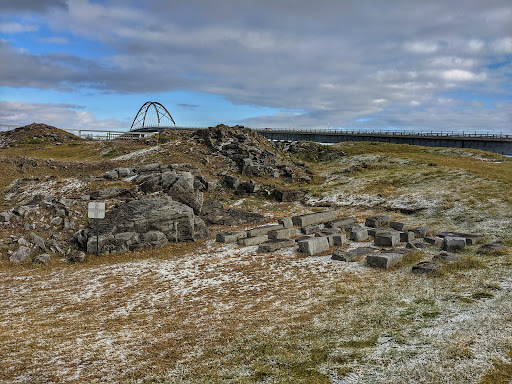
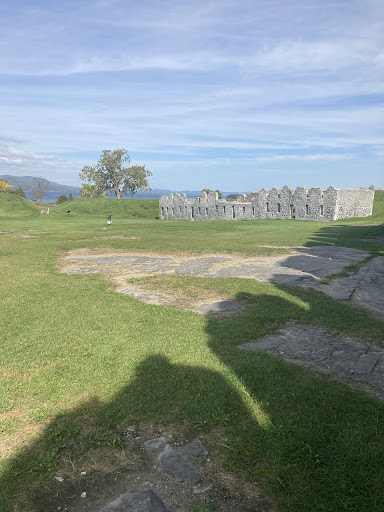
Beautiful remnants of an old French Fort from the Seven Years War, one can even still make out where some features of the Fort once stood! Beautifully located and right next to the bigger His Majesty’s Fort at Crown Point. Great place for a picnic! Highly recommend...

   Read more
avatar
4.0
4y

Very interesting to see! Loved being able to get up close and personal with such an old structure. Beautiful views and even found a geocache! 😉

Wish there was more information on what the numbered signs were referring to. We never got to...

   Read more
Page 1 of 4
Previous
Next