National Bonsai & Penjing Museum things to do, attractions, restaurants, events info and trip planning
Basic Info
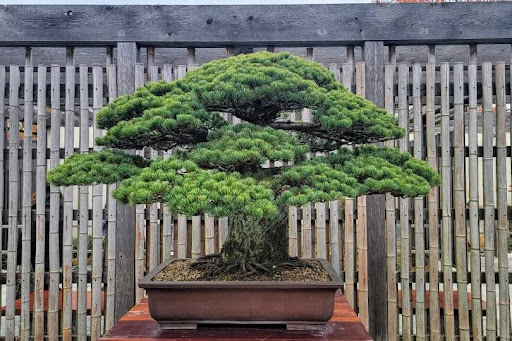
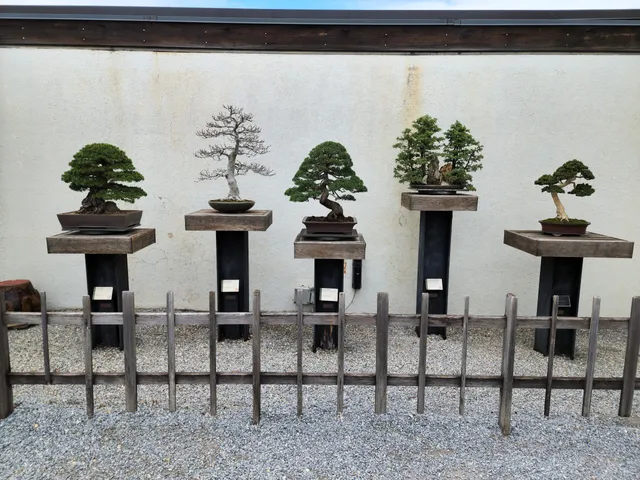
National Bonsai & Penjing Museum
3501 New York Ave NE, Washington, DC 20002
4.8(451)
Closed
Save
spot
spot
Ratings & Description
Info
Cultural
Relaxation
Scenic
Family friendly
Accessibility
attractions: United States National Arboretum, National Herb Garden, National Capitol Columns, Azalea Collection, Washington Youth Garden, National Grove of State Trees, restaurants: Hogs on the Hill III, Palette Dome Cuisine, Panda Gourmet Fusions, Checkers, Deli City Restaurant, Dunkin', McDonald's, Jerk At Nite, Aqua, Bliss Nightclub, local businesses: 3501 New York Ave NE, Arboretum Recreation Center, Yellow Cab Co of DC, Inc., R+R Health & Wellness, Karma DC Live Music Venue, Capital Grocery Wholesaler, Adam's Place Emergency Shelter, DC Cash and Carry, Holly And Magnolia Collections, National Arboretum
 Learn more insights from Wanderboat AI.
Phone
(202) 245-4523
Website
usna.usda.gov
Open hoursSee all hours
Fri10 AM - 4 PMClosed
Plan your stay

Pet-friendly Hotels in Washington
Find a cozy hotel nearby and make it a full experience.

Affordable Hotels in Washington
Find a cozy hotel nearby and make it a full experience.

The Coolest Hotels You Haven't Heard Of (Yet)
Find a cozy hotel nearby and make it a full experience.

Trending Stays Worth the Hype in Washington
Find a cozy hotel nearby and make it a full experience.
Reviews
Live events
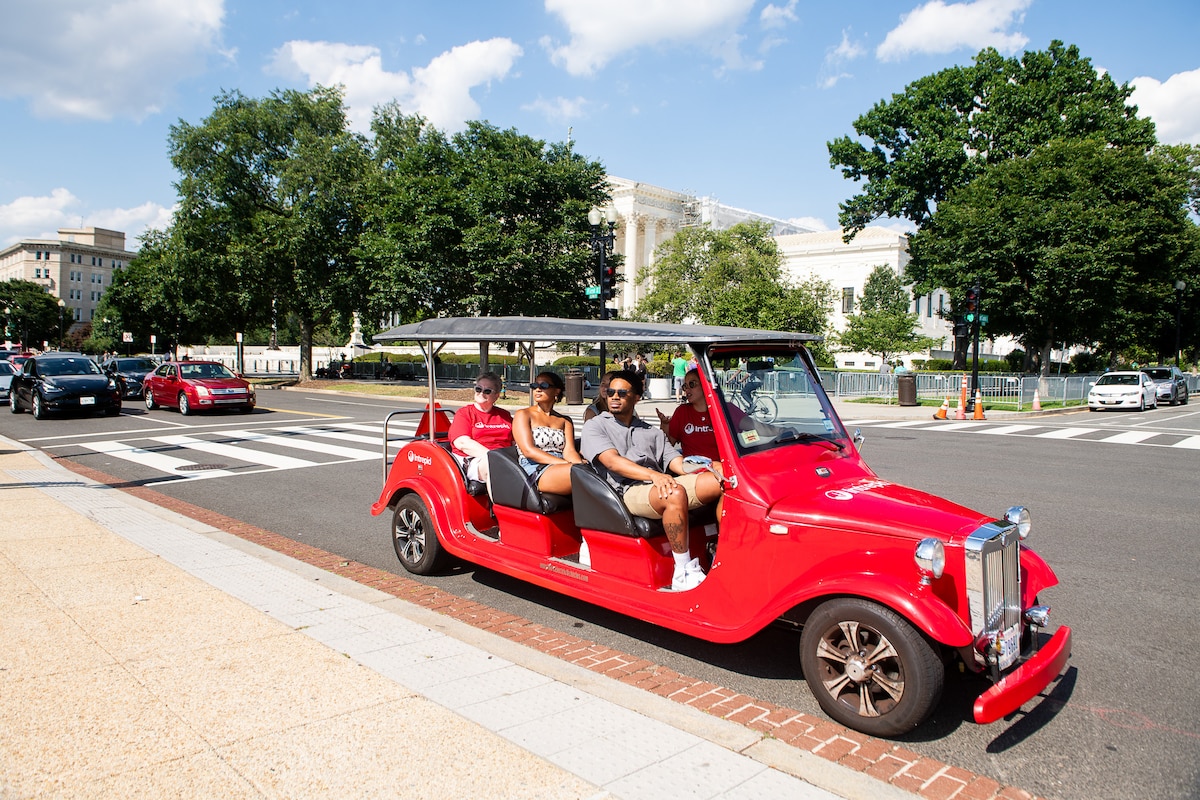
National Mall & DC Monuments Electric Cart Tour
Sat, Feb 7 • 10:00 AM
Washington, District of Columbia, 20001
View details

lululemon Bethesda Row: Yoga with Ayanna Wells from Flourish Forward
Sat, Feb 7 • 8:30 AM
4838 Bethesda Avenue Bethesda, MD 20814
View details

The Heart of Black Excellence: Honoring HBCUs Then and Now
Sat, Feb 7 • 11:00 AM
507 7th Street Laurel, MD 20707
View details
Nearby attractions of National Bonsai & Penjing Museum
United States National Arboretum
National Herb Garden
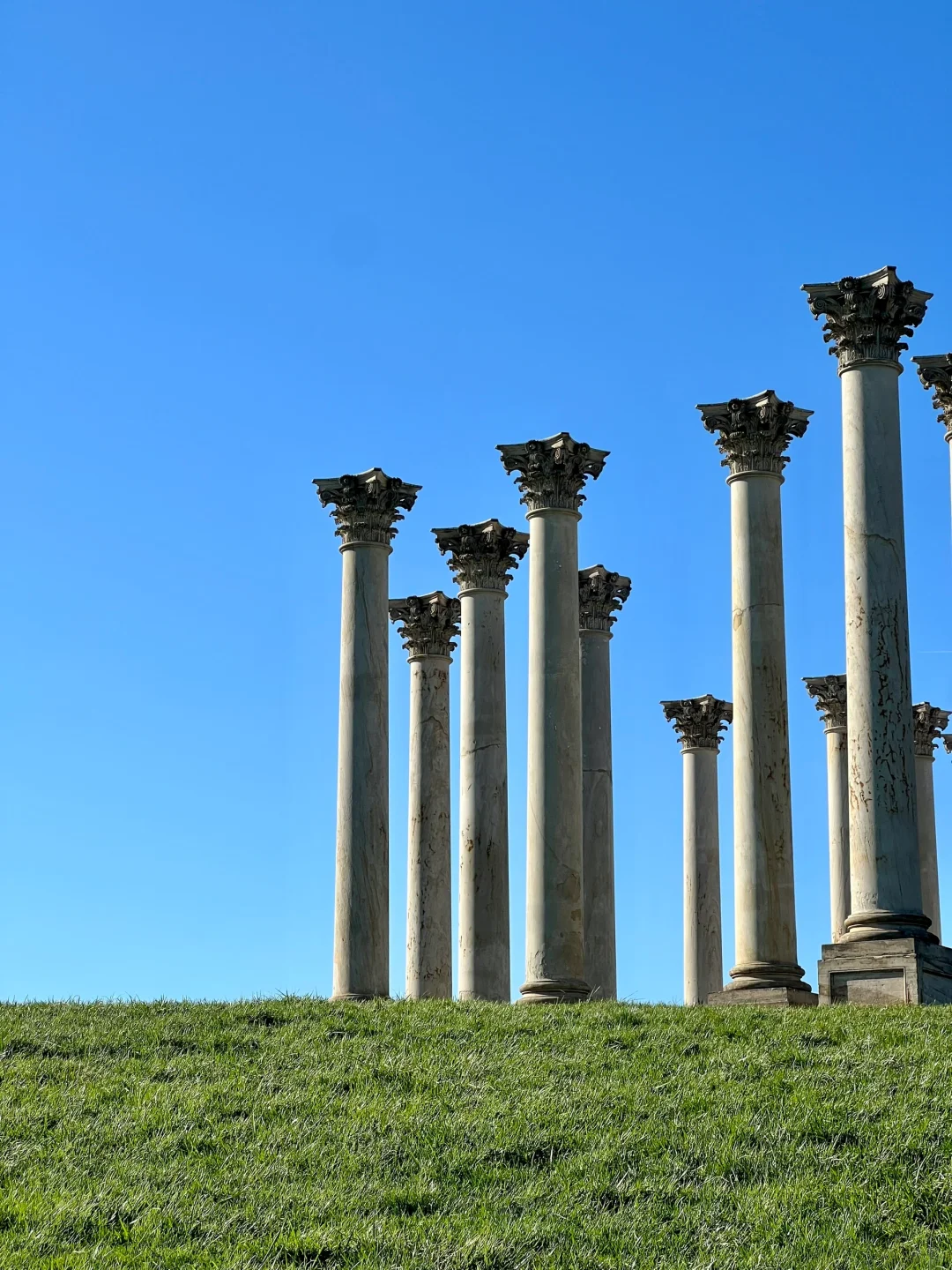
National Capitol Columns
Azalea Collection
Washington Youth Garden
National Grove of State Trees
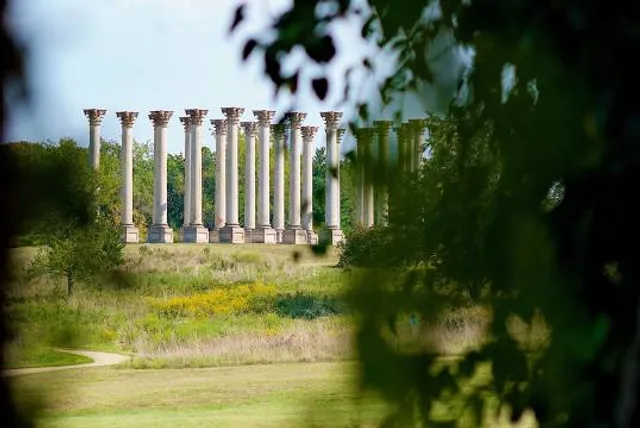
United States National Arboretum
4.7
(2.8K)
Closed
Click for details
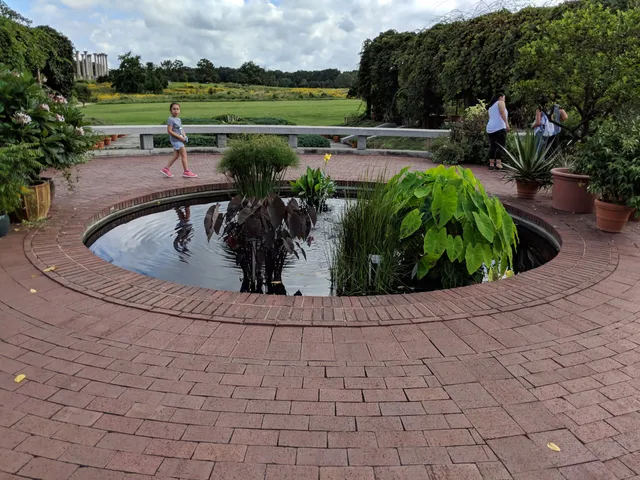
National Herb Garden
4.8
(20)
Closed
Click for details
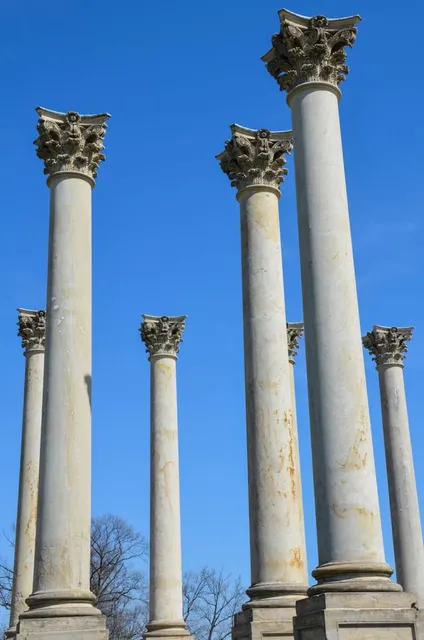
National Capitol Columns
4.7
(327)
Closed
Click for details
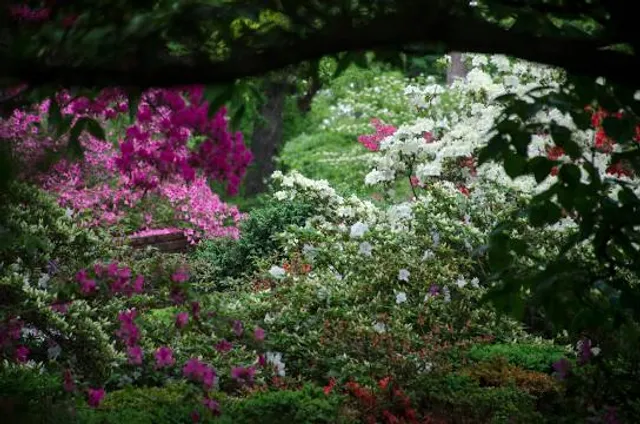
Azalea Collection
4.9
(37)
Closed
Click for details
Nearby restaurants of National Bonsai & Penjing Museum
Hogs on the Hill III
Palette Dome Cuisine
Panda Gourmet Fusions
Checkers
Deli City Restaurant
Dunkin'
McDonald's
Jerk At Nite
Aqua
Bliss Nightclub
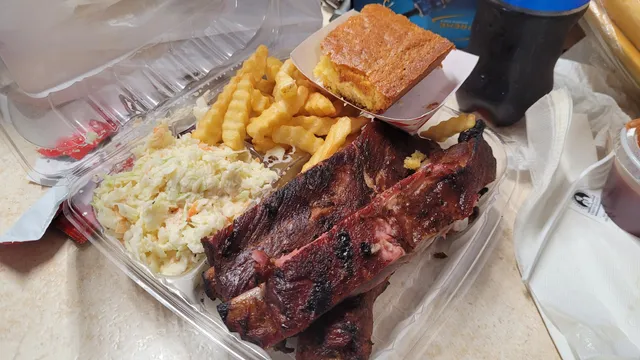
Hogs on the Hill III
4.1
(253)
$
Open until 9:00 PM
Click for details

Palette Dome Cuisine
5.0
(7)
Click for details
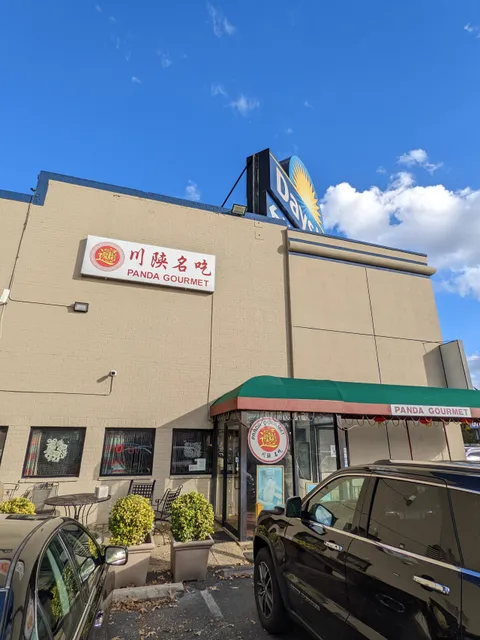
Panda Gourmet Fusions
4.0
(225)
$$
Open until 9:45 PM
Click for details
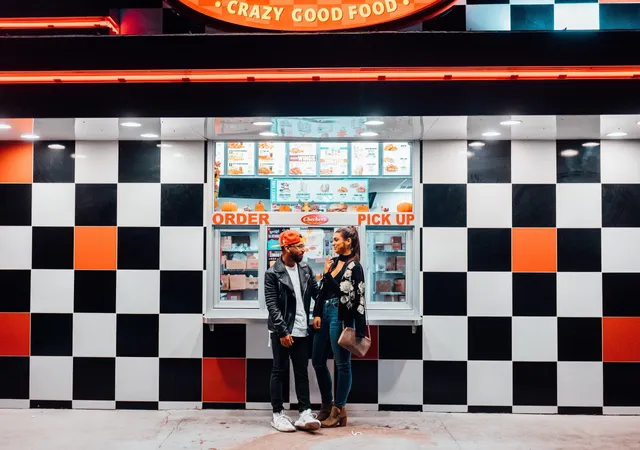
Checkers
3.8
(864)
$
Open until 5:00 AM
Click for details
Nearby local services of National Bonsai & Penjing Museum
3501 New York Ave NE
Arboretum Recreation Center
Yellow Cab Co of DC, Inc.
R+R Health & Wellness
Karma DC Live Music Venue
Capital Grocery Wholesaler
Adam's Place Emergency Shelter
DC Cash and Carry
Holly And Magnolia Collections, National Arboretum
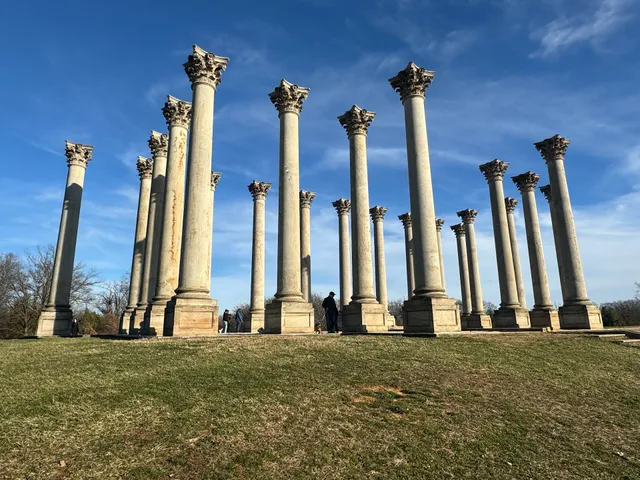
3501 New York Ave NE
4.7
(322)
Click for details
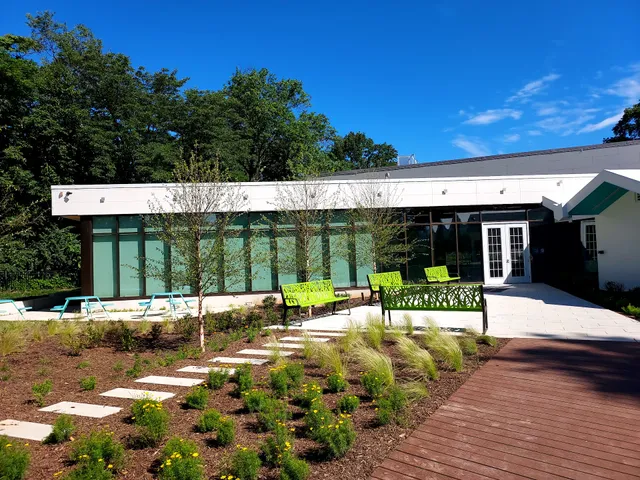
Arboretum Recreation Center
4.4
(48)
Click for details

Yellow Cab Co of DC, Inc.
4.5
(2.1K)
Click for details
R+R Health & Wellness
5.0
(18)
Click for details