Chashmai Ayub Mausoleum things to do, attractions, restaurants, events info and trip planning
Basic Info
Chashmai Ayub Mausoleum
QCH2+8X6, Pistaskkanon St, Bukhara, Bukhara Region, Uzbekistan
4.4(190)
Closed
Save
spot
spot
Ratings & Description
Info
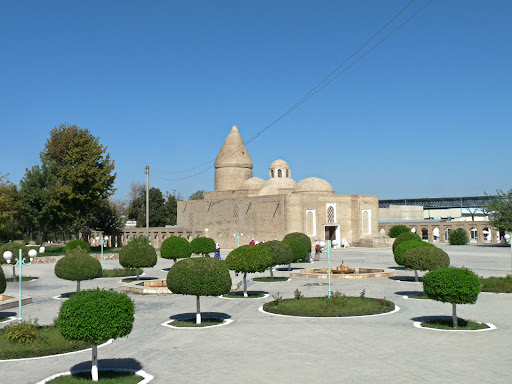
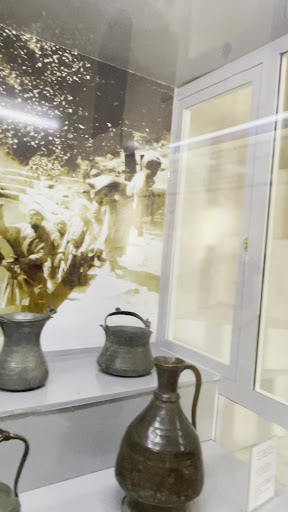
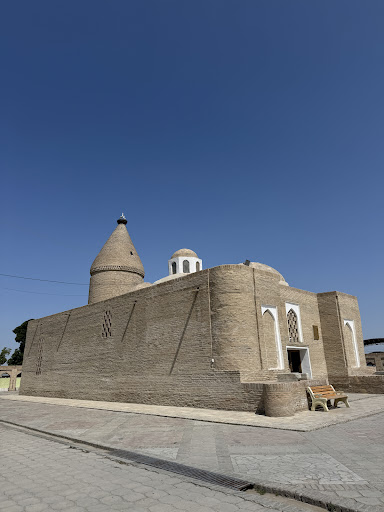
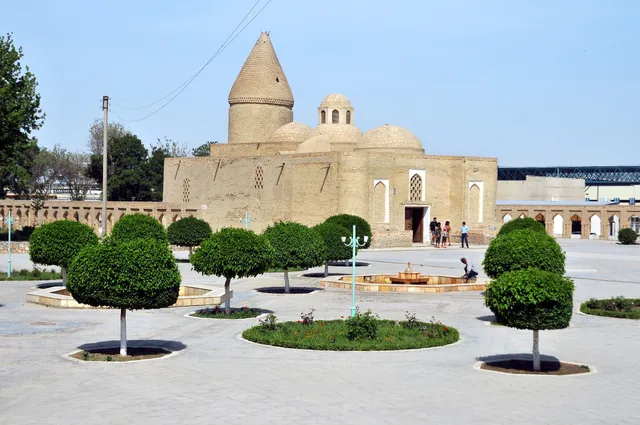
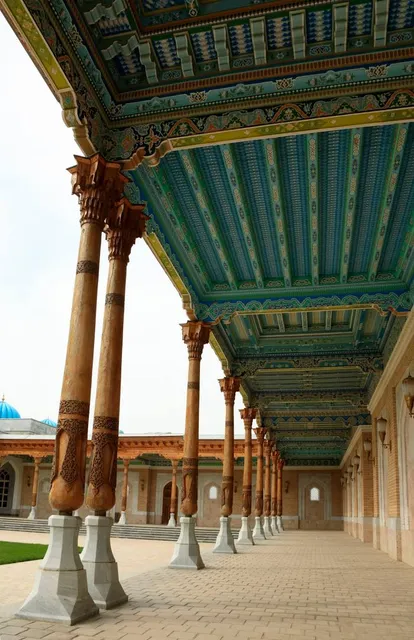
Chashma-Ayub Mausoleum is located near the Samani Mausoleum, in Bukhara, Uzbekistan. Its name means Job's well, due to the legend in which Job visited this place and made a well by striking the ground with his staff. The water of this well is still pure and is considered healing.
Cultural
Scenic
Family friendly
Accessibility
attractions: Ismail Samani Mausoleum, Imam al-Bukhari Museum, Samonids Recreation Park, Bolo Hauz Mosque, Ark of Bukhara, Talipach Gate, Wall of Bukhara, Шуховская башня, Bukhara Tower, MIR ARAB OLIY MADRASASI, restaurants: Plov ot ilxoma, local businesses: Mausolée de l'Imam Al-Boukhari, Markaziy bozor, Markaziy bozor
 Learn more insights from Wanderboat AI.
Phone
+998 65 224 39 02
Open hoursSee all hours
Fri9 AM - 8 PMClosed
Plan your stay

Pet-friendly Hotels in Bukhara City
Find a cozy hotel nearby and make it a full experience.

Affordable Hotels in Bukhara City
Find a cozy hotel nearby and make it a full experience.

The Coolest Hotels You Haven't Heard Of (Yet)
Find a cozy hotel nearby and make it a full experience.

Trending Stays Worth the Hype in Bukhara City
Find a cozy hotel nearby and make it a full experience.
Reviews
Live events
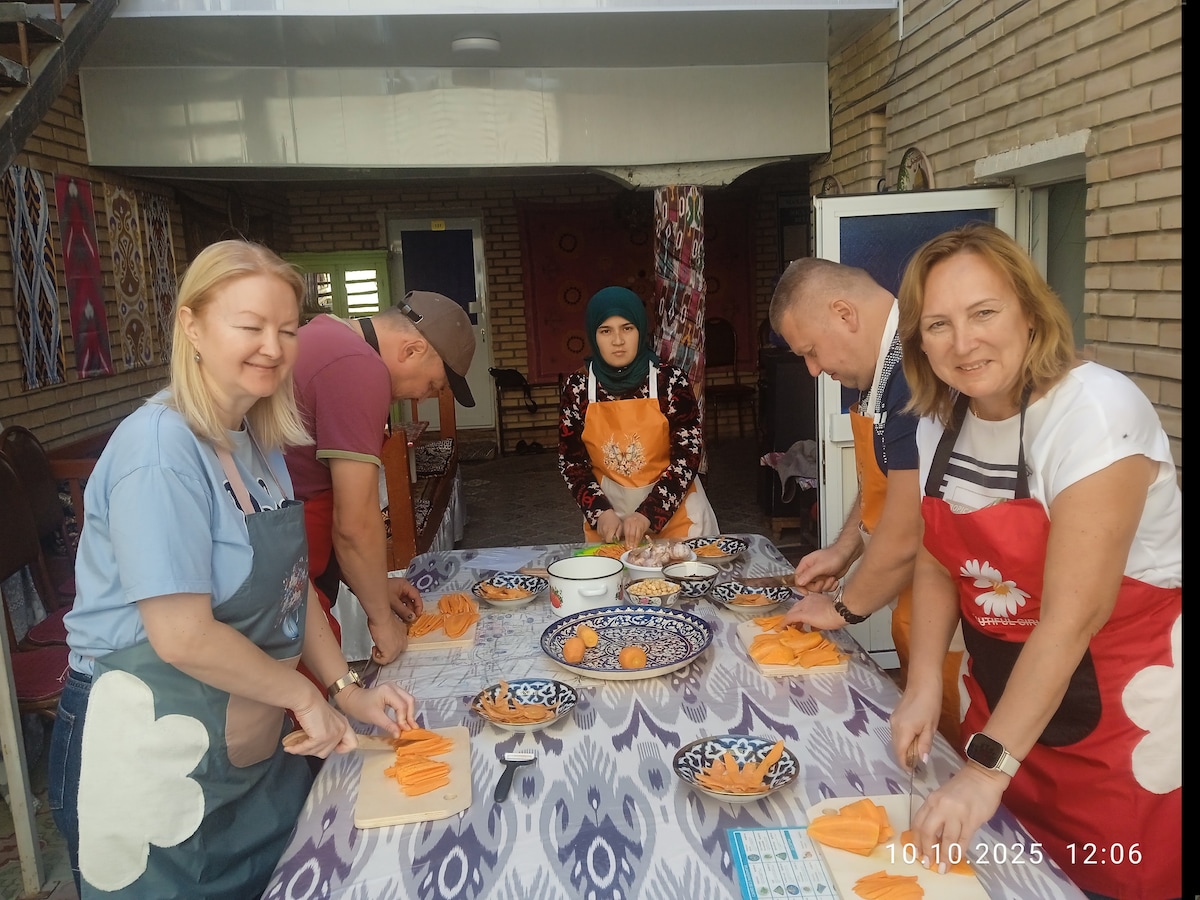
Make traditional Bukhara pilaf with my wife
Sat, Feb 28 • 11:00 AM
Bukhara, Bukhara Region, Uzbekistan
View details
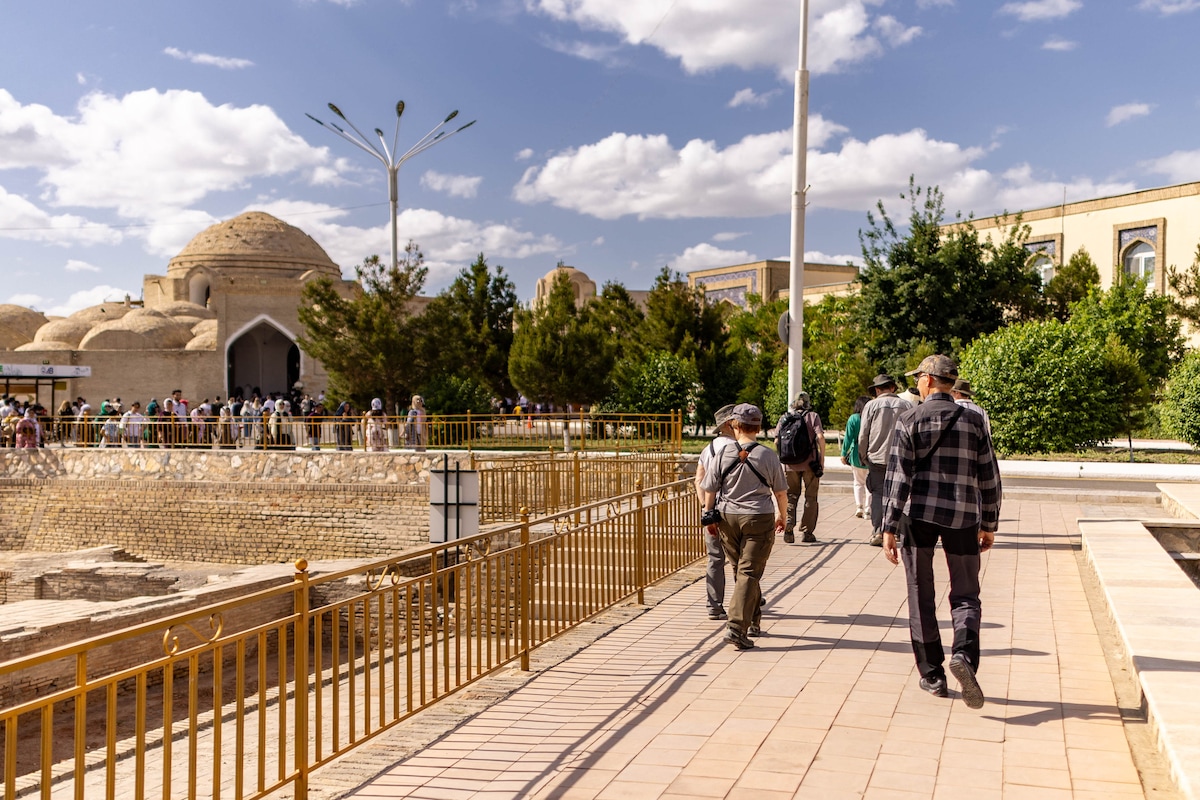
Beyond the Walls: Private Countryside Tour
Sat, Feb 28 • 9:00 AM
Bukhara, Bukhara Region 200118, Uzbekistan
View details
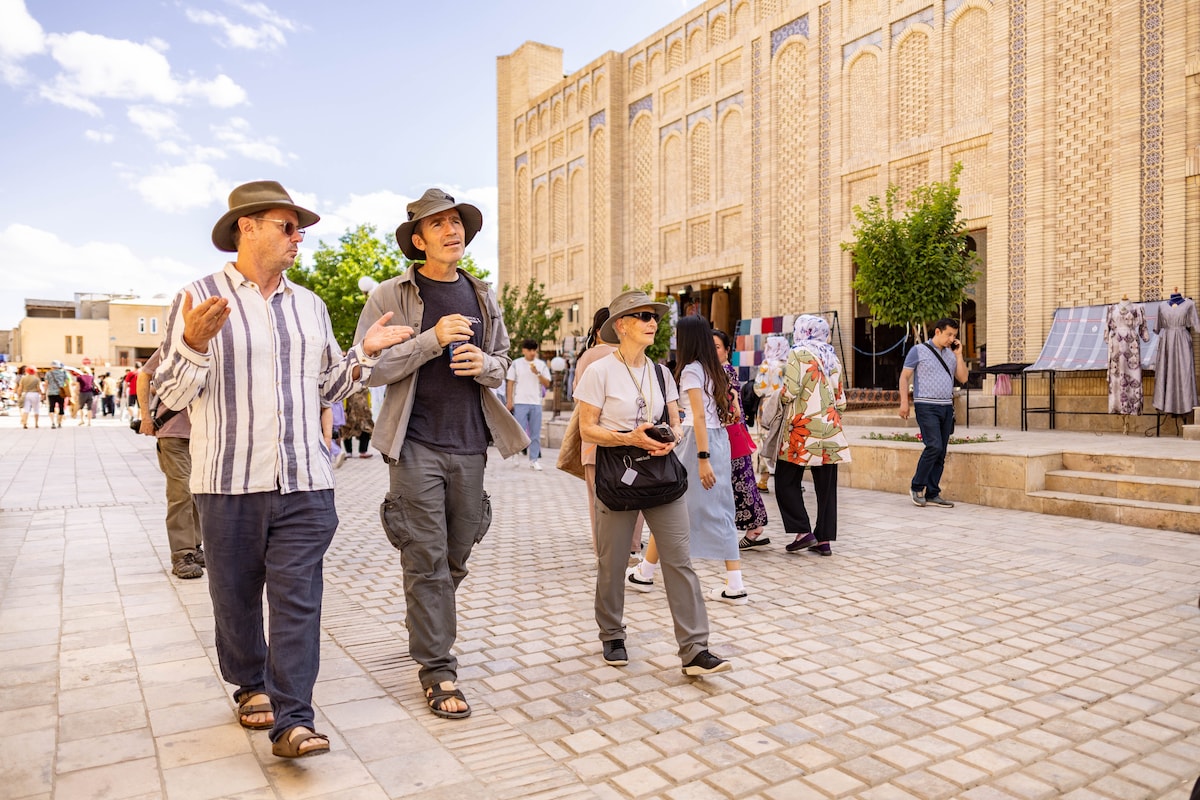
All Day Private Bukhara Old Town Tour
Sat, Feb 28 • 9:00 AM
Bukhara, Bukhara Region 200100, Uzbekistan
View details
Nearby attractions of Chashmai Ayub Mausoleum
Ismail Samani Mausoleum
Imam al-Bukhari Museum
Samonids Recreation Park
Bolo Hauz Mosque
Ark of Bukhara
Talipach Gate
Wall of Bukhara
Шуховская башня
Bukhara Tower
MIR ARAB OLIY MADRASASI
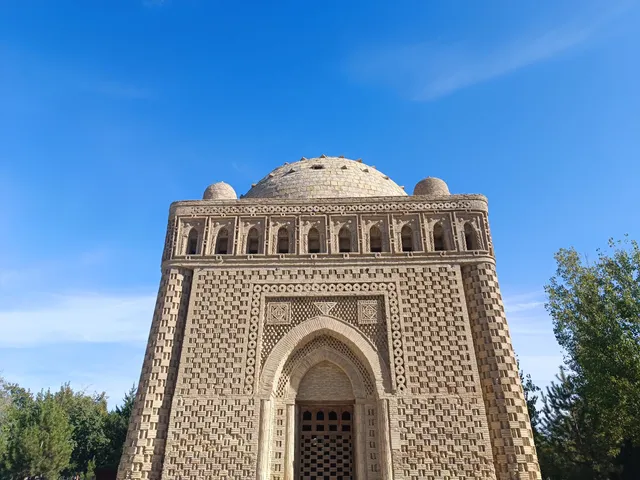
Ismail Samani Mausoleum
4.7
(637)
Closed
Click for details
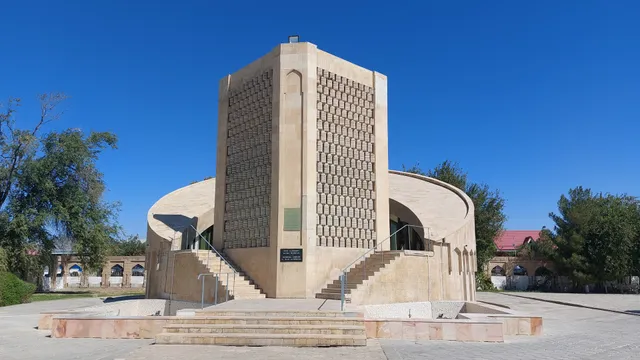
Imam al-Bukhari Museum
4.1
(32)
Closed
Click for details
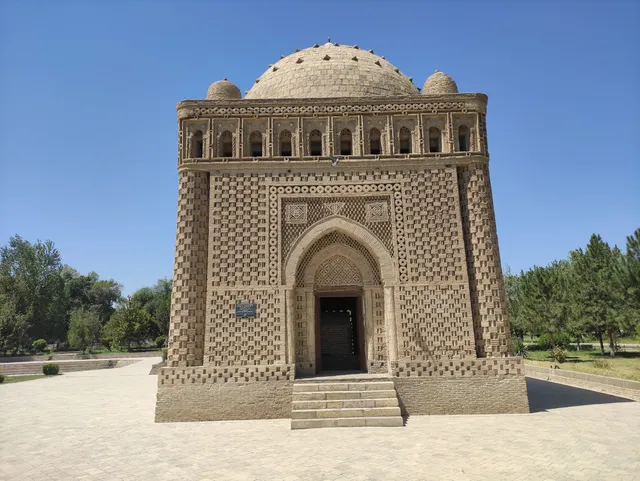
Samonids Recreation Park
4.6
(227)
Open until 12:00 AM
Click for details
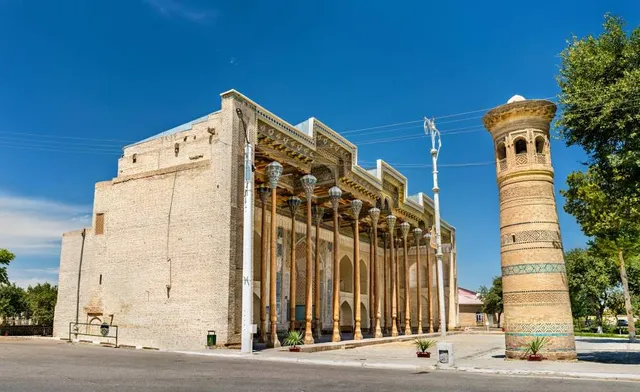
Bolo Hauz Mosque
4.8
(383)
Open 24 hours
Click for details
Nearby restaurants of Chashmai Ayub Mausoleum
Plov ot ilxoma
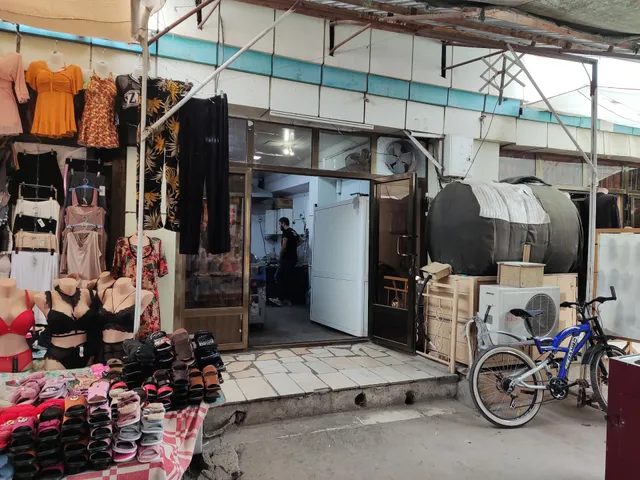
Plov ot ilxoma
4.7
(26)
Click for details
Nearby local services of Chashmai Ayub Mausoleum
Mausolée de l'Imam Al-Boukhari
Markaziy bozor
Markaziy bozor
Mausolée de l'Imam Al-Boukhari
4.8
(284)
Click for details

Markaziy bozor
4.5
(240)
Click for details

Markaziy bozor
4.5
(238)
Click for details