Bolo Hauz Mosque things to do, attractions, restaurants, events info and trip planning
Basic Info
Bolo Hauz Mosque
QCH4+4W3, Bukhara, Bukhara Region, Uzbekistan
4.8(357)
Closed
Save
spot
spot
Ratings & Description
Info
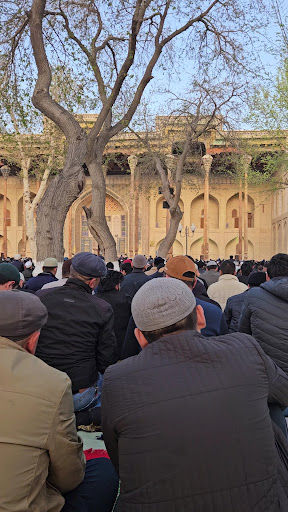
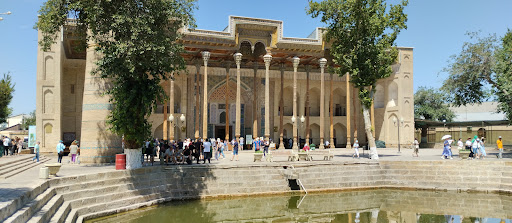
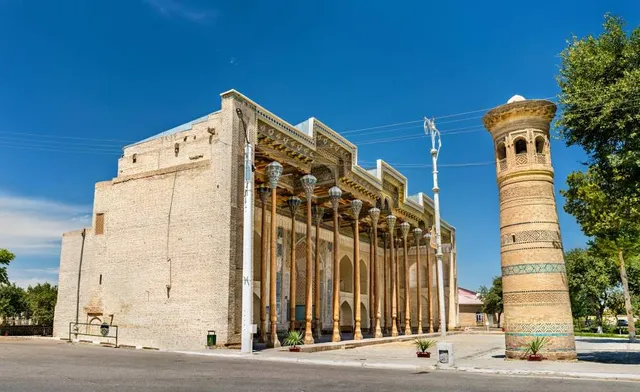
Bolo Haouz Mosque is a historical mosque in Bukhara, Uzbekistan. Built in 1712, on the opposite side of the citadel of Ark in Registan district, it is inscribed in the UNESCO World Heritage Site list along with other parts of the historic city.
Cultural
Scenic
Family friendly
Accessibility
attractions: Ark of Bukhara, Bukhara Tower, Шуховская башня, Chashmai Ayub Mausoleum, MIR ARAB OLIY MADRASASI, Throne Hall, Kalan Mosque, Ismail Samani Mausoleum, Imam al-Bukhari Museum, Zindan, restaurants: Plov ot ilxoma, Silk Road Teahouse, Zolotaya Buhara, Terrace Bukhara ECO Cafe, Abdulaxizxon Chayxana, local businesses: Mausolée de l'Imam Al-Boukhari, Buxoro Markaziy bozori_Kolkhoznyy Rynok, Markaziy bozor, Bozori Kord Bathhouse
 Learn more insights from Wanderboat AI.
Open hoursSee all hours
Tue4:30 AM - 9:30 PMClosed
Plan your stay

Pet-friendly Hotels in Bukhara City
Find a cozy hotel nearby and make it a full experience.

Affordable Hotels in Bukhara City
Find a cozy hotel nearby and make it a full experience.

The Coolest Hotels You Haven't Heard Of (Yet)
Find a cozy hotel nearby and make it a full experience.

Trending Stays Worth the Hype in Bukhara City
Find a cozy hotel nearby and make it a full experience.
Reviews
Live events
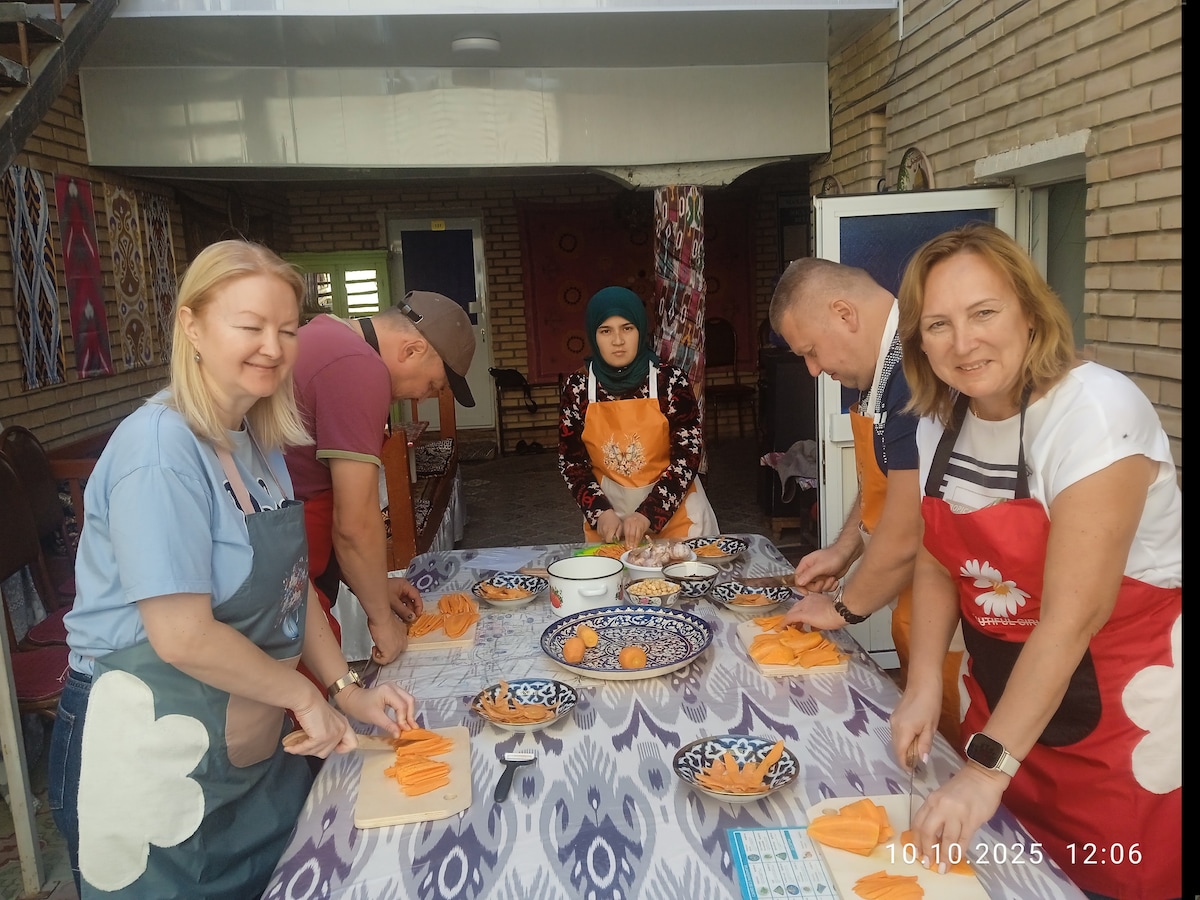
Make traditional Bukhara pilaf with my wife
Tue, Feb 24 • 11:00 AM
Bukhara, Bukhara Region, Uzbekistan
View details
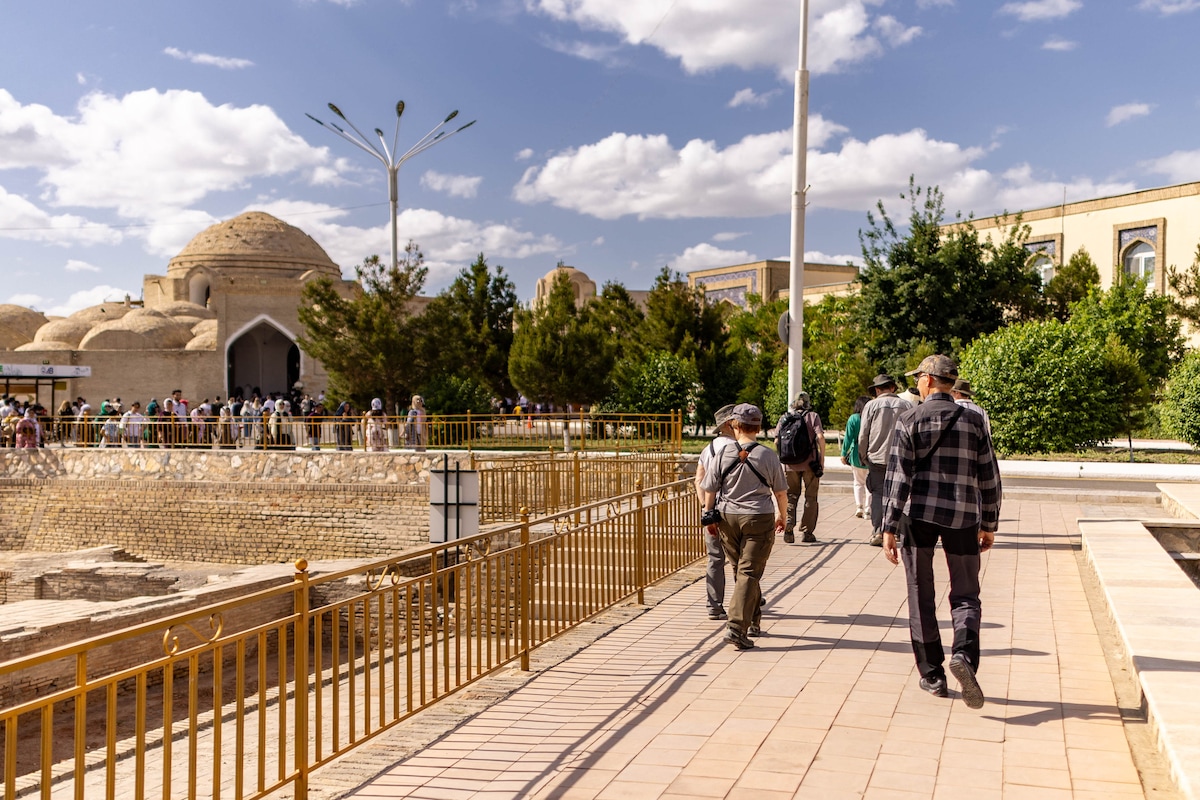
Beyond the Walls: Private Countryside Tour
Tue, Feb 24 • 9:00 AM
Bukhara, Bukhara Region 200118, Uzbekistan
View details
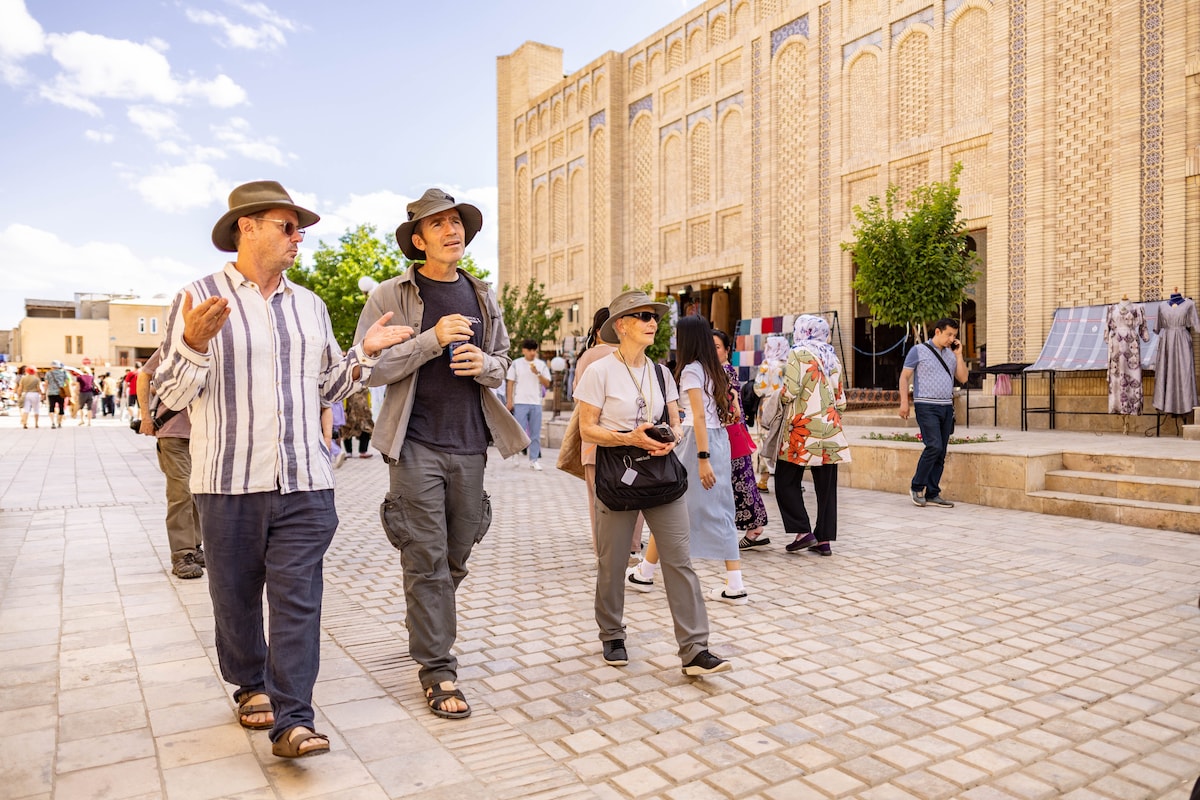
All Day Private Bukhara Old Town Tour
Tue, Feb 24 • 9:00 AM
Bukhara, Bukhara Region 200100, Uzbekistan
View details
Nearby attractions of Bolo Hauz Mosque
Ark of Bukhara
Bukhara Tower
Шуховская башня
Chashmai Ayub Mausoleum
MIR ARAB OLIY MADRASASI
Throne Hall
Kalan Mosque
Ismail Samani Mausoleum
Imam al-Bukhari Museum
Zindan
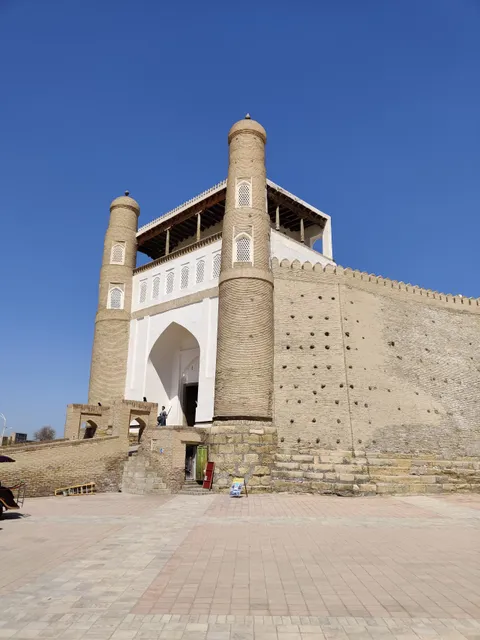
Ark of Bukhara
4.6
(1.9K)
Closed
Click for details
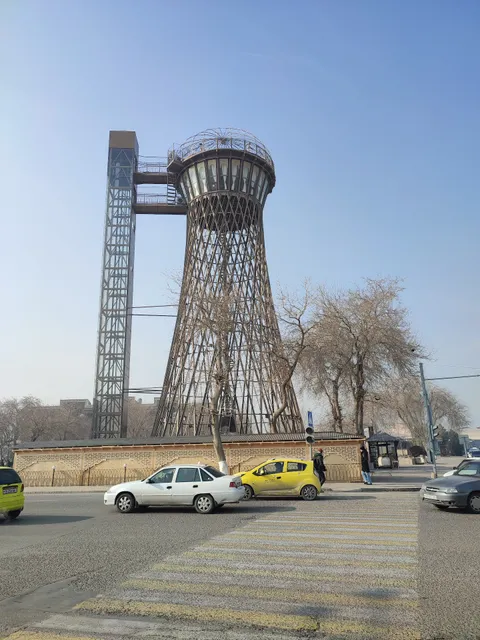
Bukhara Tower
4.1
(113)
Closed
Click for details
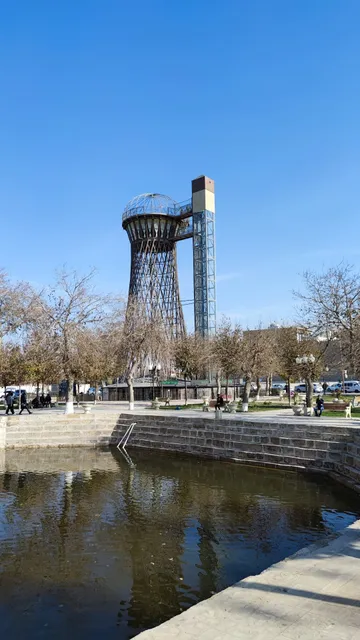
Шуховская башня
4.3
(45)
Open 24 hours
Click for details
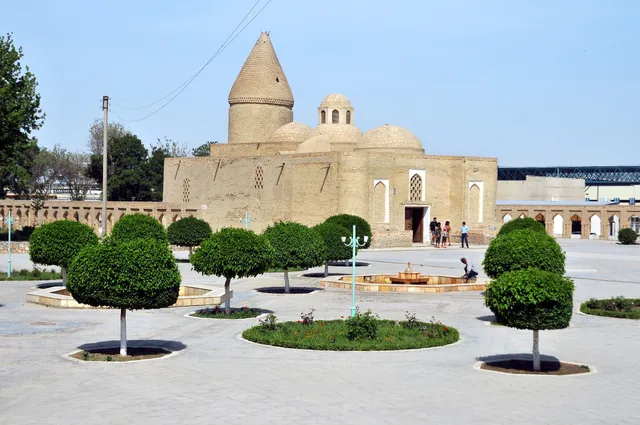
Chashmai Ayub Mausoleum
4.4
(188)
Closed
Click for details
Nearby restaurants of Bolo Hauz Mosque
Plov ot ilxoma
Silk Road Teahouse
Zolotaya Buhara
Terrace Bukhara ECO Cafe
Abdulaxizxon Chayxana
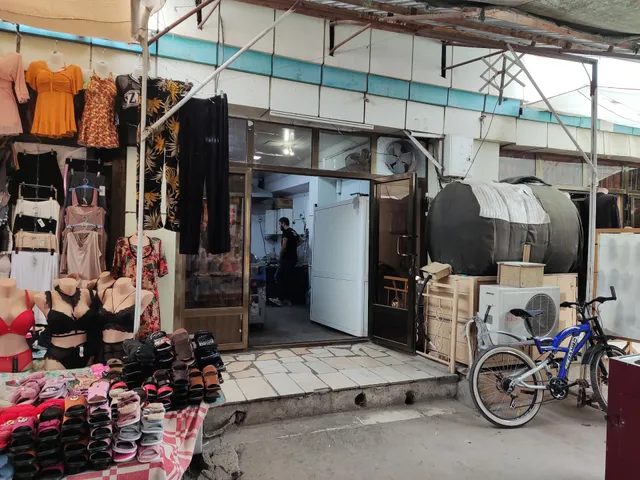
Plov ot ilxoma
4.7
(25)
Click for details
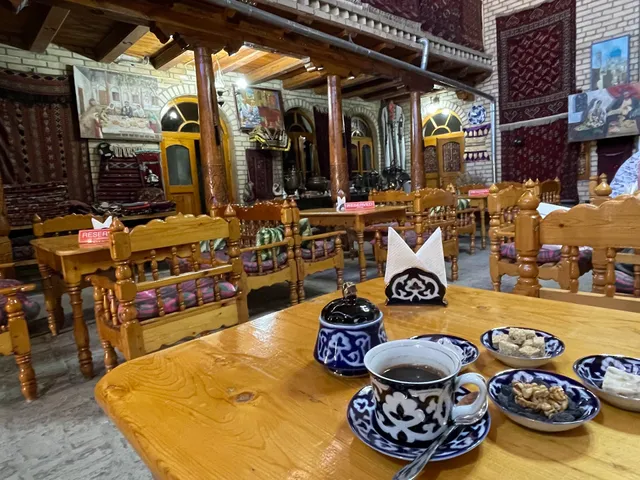
Silk Road Teahouse
4.5
(188)
Closed
Click for details
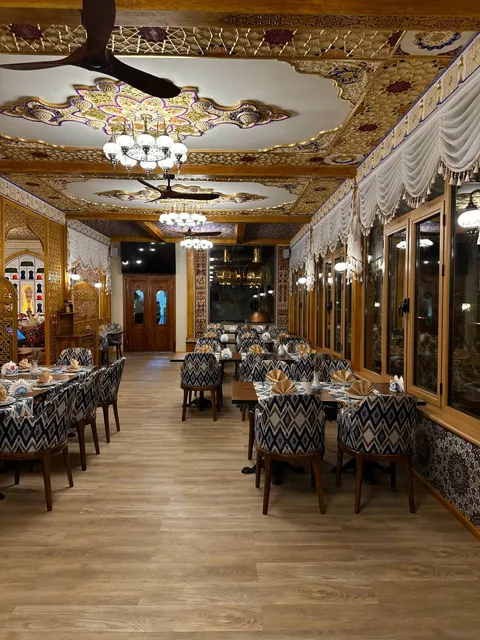
Zolotaya Buhara
4.6
(358)
Closed
Click for details
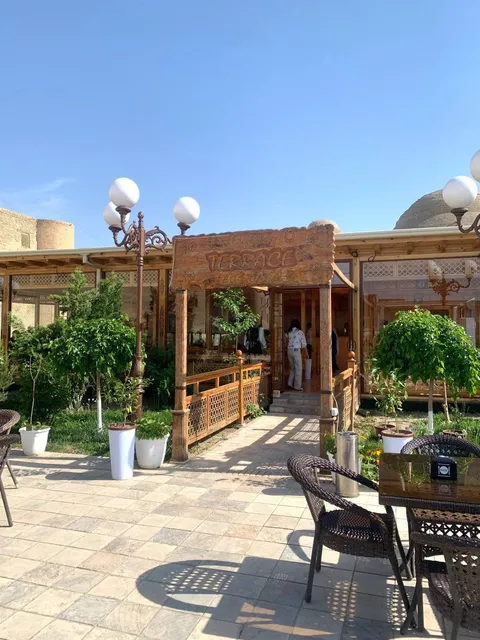
Terrace Bukhara ECO Cafe
4.0
(125)
Closed
Click for details
Nearby local services of Bolo Hauz Mosque
Mausolée de l'Imam Al-Boukhari
Buxoro Markaziy bozori_Kolkhoznyy Rynok
Markaziy bozor
Bozori Kord Bathhouse
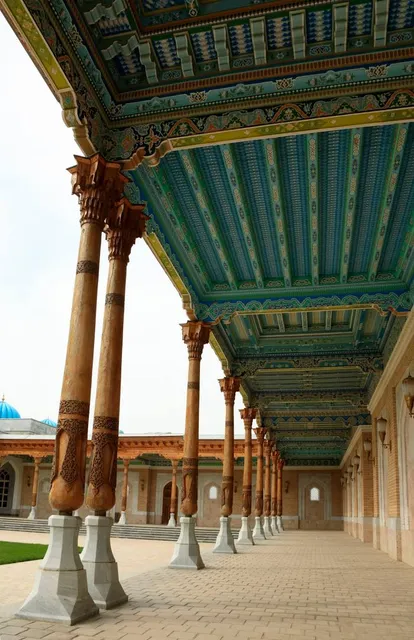
Mausolée de l'Imam Al-Boukhari
4.8
(303)
Click for details

Buxoro Markaziy bozori_Kolkhoznyy Rynok
4.5
(106)
Click for details

Markaziy bozor
4.5
(248)
Click for details
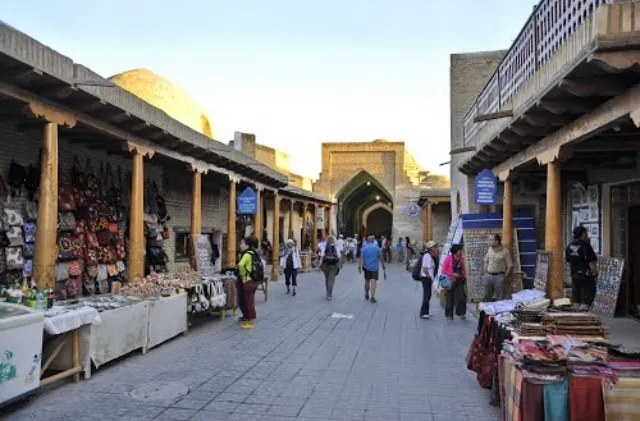
Bozori Kord Bathhouse
3.9
(202)
Click for details