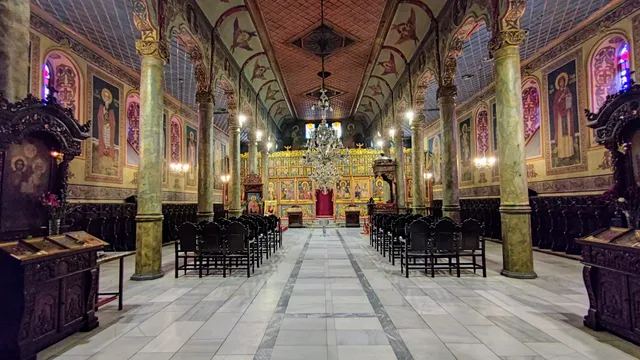
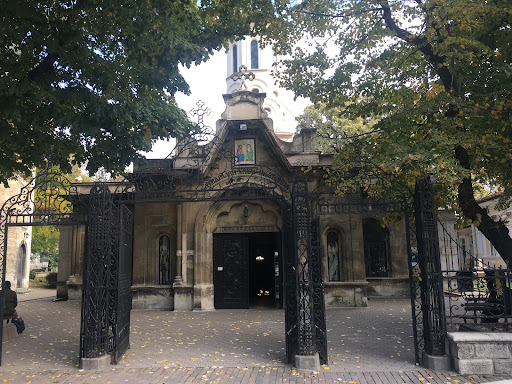
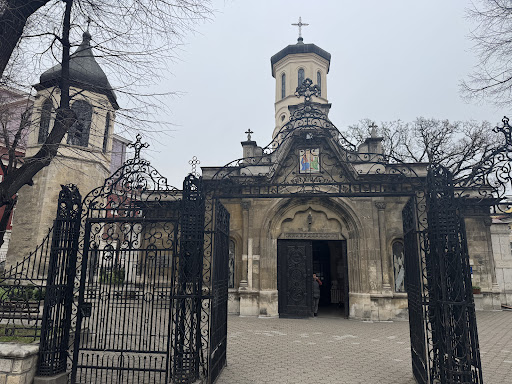
As someone born and raised in Ruse, I was recently showing my in-laws around town and naturally wanted to include one of its prominent churches—an architectural and cultural landmark that holds personal meaning for me, having attended Easter mass and even a wedding there in the past.
Unfortunately, the experience was far from what one might expect from a place of worship—or even a basic tourist attraction.
Upon approaching the church, we were met not with a greeting, but with a brusque and dismissive “Ey, you, where are you going?” from the lady at the entrance. I clarified that we intended to visit the church, which was clearly open at the time. Rather than simply informing me of any dress code requirements (I was wearing light summer overalls due to the heat), the response was a condescending and judgmental glance followed by a cryptic “But you…” The message could have easily been delivered in a more respectful manner.
Accepting that I may not have been dressed appropriately for entry, I encouraged my family to proceed inside while I waited outside. But then came another unexpected issue: an entrance fee of 4 BGN per person. This is highly unusual for a functioning church in Bulgaria, where donations are typically made voluntarily through the purchase of candles.
Still, I paid the fee for my guests to avoid a scene. A few minutes later, my mother—who lives in the city—arrived and was equally taken aback by this practice. When she inquired why an entrance fee was required to visit a house of worship, the response was astonishing: “We only charge tourists.”
Not only is this discriminatory, but it also contradicts both the spirit of religious hospitality and the idea of promoting local heritage. Selectively charging visitors based on appearance or perceived origin is not how you preserve a historical site or welcome people to a religious space.
It pains me to say this, but I will not be returning. What should be a beacon of culture, memory, and spirituality has, under current management, become an unwelcoming and poorly handled institution. I sincerely hope this feedback serves as a wake-up call to those responsible. This church...
Read moreBiserica îngropată din Ruse, cunoscută și sub numele de Biserica Sfânta Treime, este un monument unic și fascinant care atrage vizitatori datorită istoriei sale inedite și arhitecturii distincte. Construită în secolul al XVII-lea, biserica se află la aproximativ doi metri sub nivelul solului, fiind rezultatul restricțiilor impuse de Imperiul Otoman asupra construcțiilor religioase creștine în zonele aflate sub dominația sa. La acea vreme, clădirile bisericești nu aveau voie să fie mai înalte decât moscheile, astfel că arhitecții au ales să o construiască în subteran pentru a respecta normele fără a renunța la lăcașul de cult.
Interiorul bisericii este captivant și plin de simboluri religioase, având pereții acoperiți cu fresce vechi, bine conservate, care spun povești biblice și înfățișează sfinți în culori vii. Aceste picturi oferă o imagine valoroasă asupra artei religioase din acea perioadă. Intrarea în biserică, coborâtă de la nivelul străzii, creează o atmosferă intimă și liniștită, potrivită pentru reculegere.
Biserica îngropată din Ruse este mai mult decât un obiectiv turistic; reprezintă o mărturie a rezilienței comunității creștine și a ingeniozității arhitecturale dintr-o perioadă istorică dificilă. Acest loc este important nu doar pentru credincioșii locali, ci și pentru toți cei interesați de istorie și de lupta pentru păstrarea identității culturale și religioase sub constrângeri politice. Vizitarea bisericii oferă o experiență profundă, într-o atmosferă de liniște și spiritualitate, care impresionează...
Read moreОФИЦИАЛНО ИЗЯВЛЕНИЕ С ВЪЗМУЩЕНИЕ ОТ ОТНОШЕНИЕТО В ЦЪРКВАТА "СВЕТА ТРОЙЦА", ГР. РУСЕ
С огромна болка и възмущение споделям какво преживяхме при посещението си в храма „Света Тройца“ в Русе.
Пристигнахме в църквата „Света Тройца“ в Русе в 17:40 ч. – точно 20 минути преди официалното й затваряне в 18:00 ч. Това е напълно достатъчно време, за да влезем, да се помолим, да запалим свещ, да уважим мястото и да си тръгнем спокойно.
Отидохме като обикновено семейство – майка, баща, две деца, придружени от баба и дядо. Вместо да бъдем приети с уважение и човечност, бяхме третирани като „група“ и ни беше поискана допълнителна такса, само защото баба и дядо са били с нас. А най-унизителното беше, че отношението към нас стана още по-хладно и отблъскващо, когато разбраха, че сме френско-българско говорящо семейство – сякаш това беше основание да ни третират по различен начин. На финала, с пълно отчаяние и огорчение, оставих заплатените пари за свещите, оставих и самите свещи и си тръгнах, без дори да ги запаля. Погледнах я и казах само: „Господ гледа всичко. Хора като вас нямат място в църквата.“
Църквата не е търговски обект. Не е място за печалба от чужденци или от вярващи. Това е дом Божи – свят храм, където отиваме със сърце, за да отправим молитва, благодарност, надежда. Да бъдеш изгонен от такова място, защото говориш чужд език или си със семейството си, е срам за...
Read more