Town Hall things to do, attractions, restaurants, events info and trip planning
Basic Info
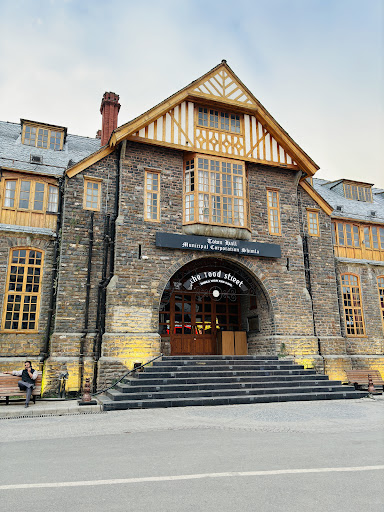
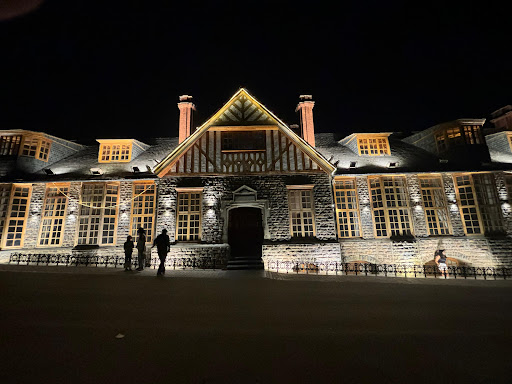
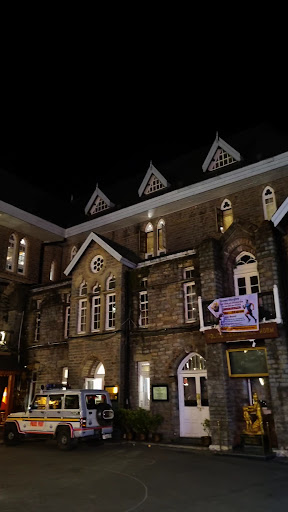
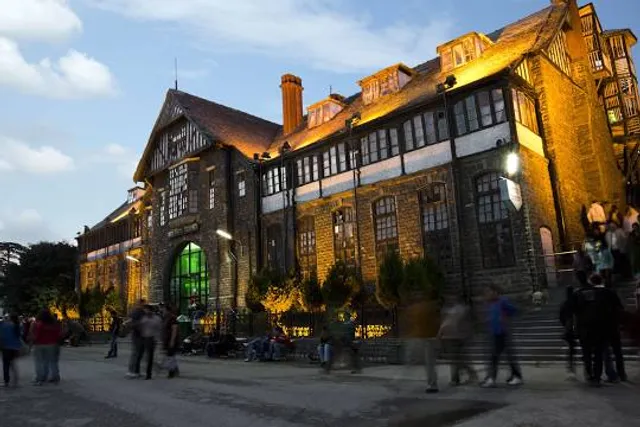
Town Hall
453F+X87, Mall Rd, The Mall, Shimla, Himachal Pradesh 171001, India
4.6(134)
Save
spot
spot
Ratings & Description
Info
Townhall is an American conservative website, print magazine and radio news service. Previously published by The Heritage Foundation, it is now owned and operated by Salem Communications. The website features more than 80 columns by a variety of writers and commentators.
Cultural
Accessibility
attractions: Jwala Devi Temple Himachal jagarwalo ki kuldevi, Daulat Singh Park, Scandal Point, Hawa Ghar, Bantony Castle, Rani Jhansi Park, St. Michael's Catholic Cathedral, Kali Bari Temple, Shimla, Christ Church, Shimla, Jakhu Ropeway Shimla, restaurants: Domino's Pizza | The Mall, Shimla, Wake & Bake - Best Family Cafe Restaurants in Shimla/Best Food/Best Coffee in Restaurant in Shimla, Himachali Rasoi, Hide Out Cafe, 45 The Central, Guptajees vaishnav bhojanalaya, cafe1873, Trishool bakers, Street Rasoi, Scandal Delights Cafe Bar Dine In, local businesses: Ridge, Shimla, The Ridge, Mall Road, Lakkar bazar, Shri Ram Mandir
 Learn more insights from Wanderboat AI.
Plan your stay

Pet-friendly Hotels in Himachal Pradesh
Find a cozy hotel nearby and make it a full experience.

Affordable Hotels in Himachal Pradesh
Find a cozy hotel nearby and make it a full experience.

The Coolest Hotels You Haven't Heard Of (Yet)
Find a cozy hotel nearby and make it a full experience.

Trending Stays Worth the Hype in Himachal Pradesh
Find a cozy hotel nearby and make it a full experience.
Reviews
Live events
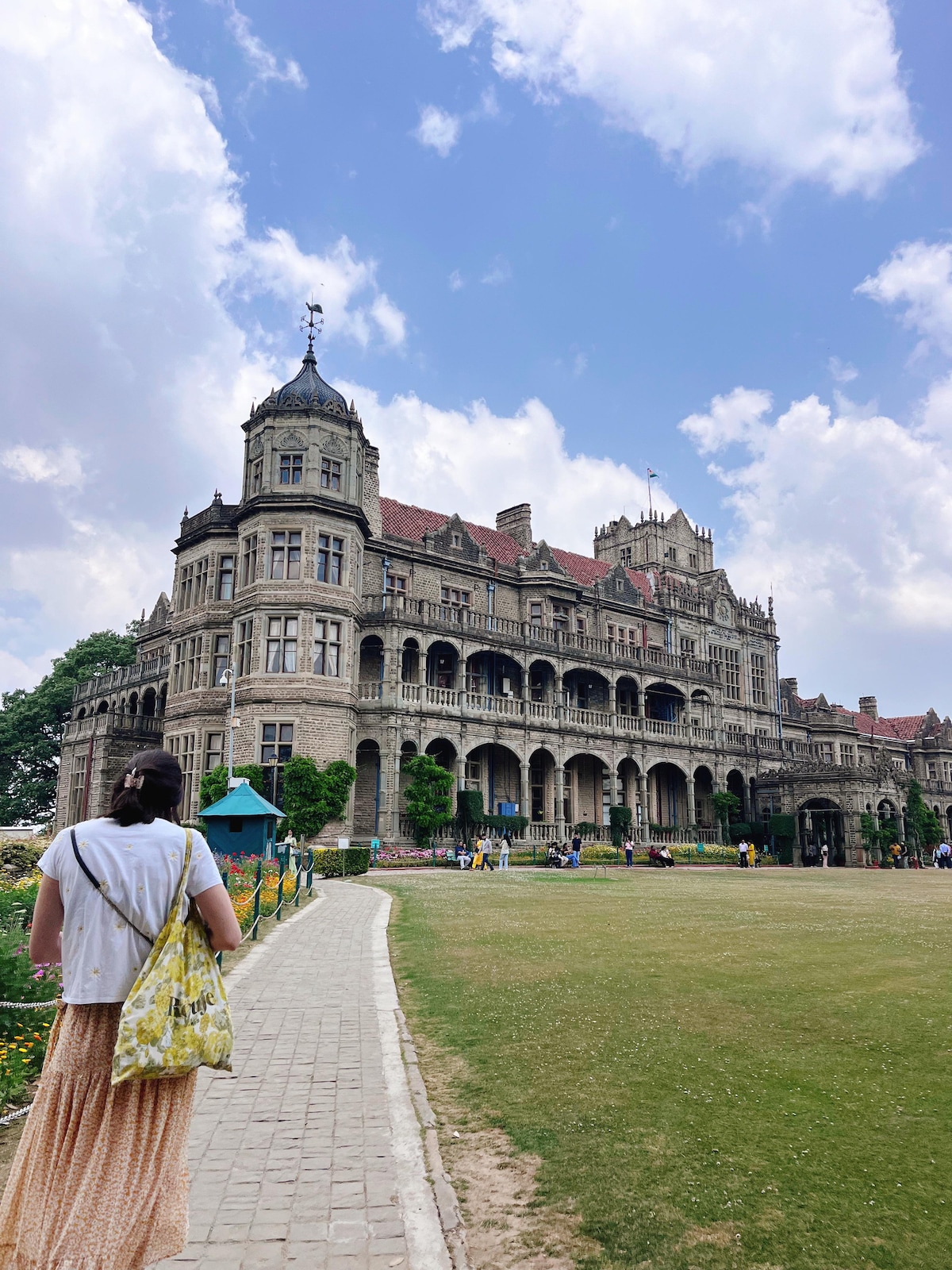
Stories from British Shimla – A Heritage Walk
Fri, Feb 13 • 9:00 AM
Near tripti bakery Shimla, Himachal Pradesh, 171005, India
View details
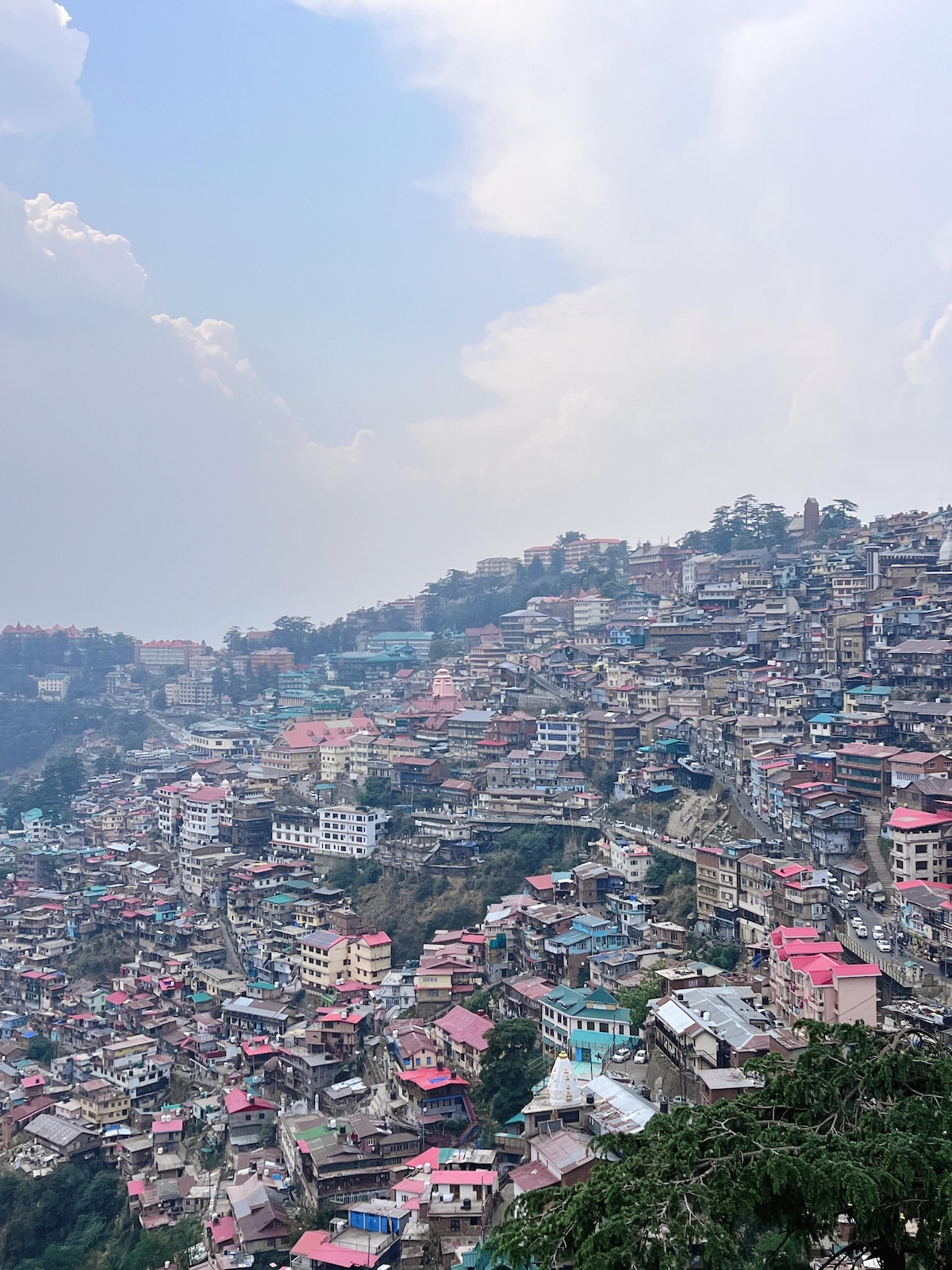
A Gentle Day in British Shimla – Tea & Tales
Thu, Feb 12 • 9:45 AM
Tripti bakery Shimla, Himachal Pradesh, 171004, India
View details
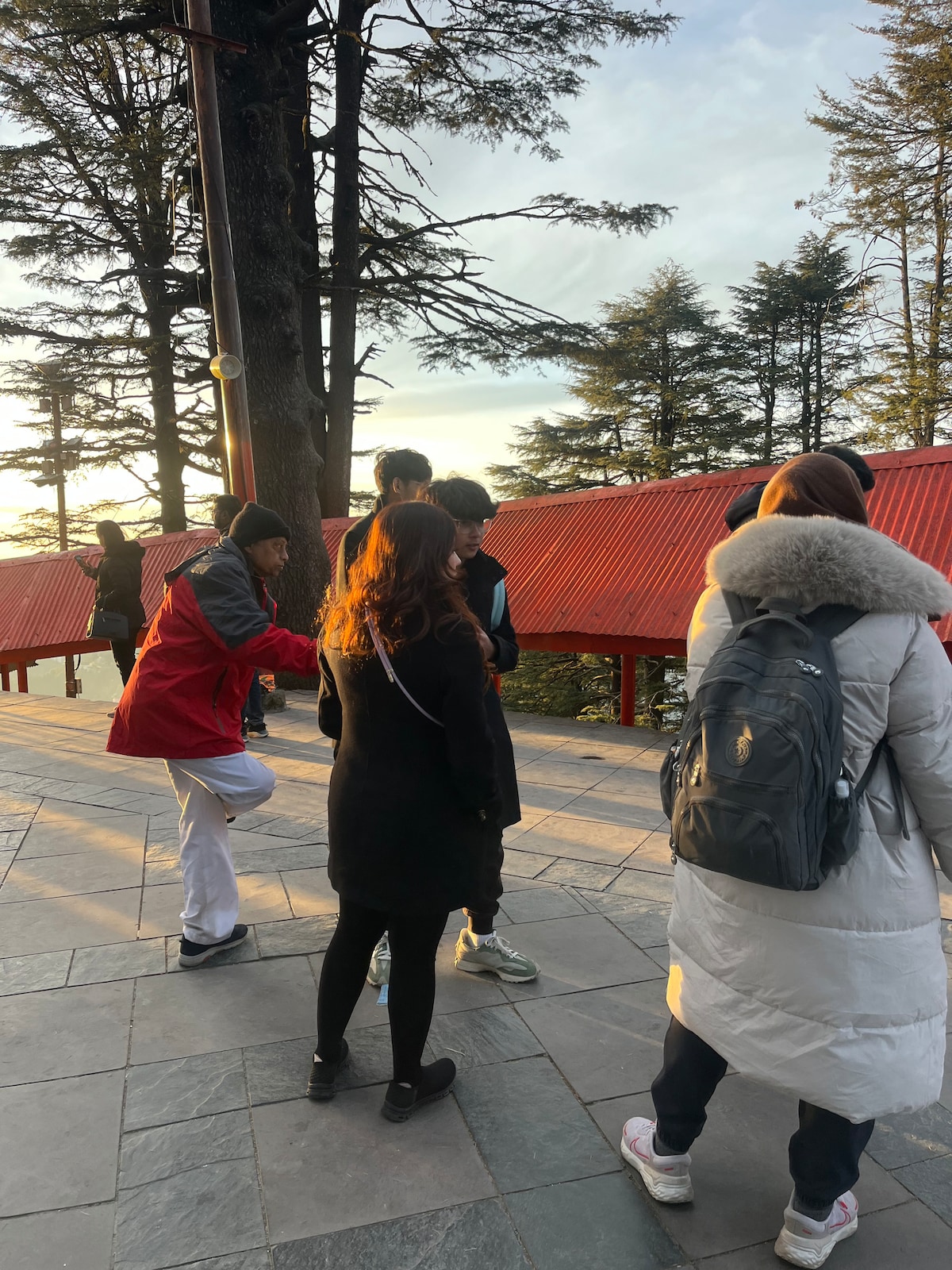
Scenic toy train trip & hilltop walk to taradevi
Thu, Feb 12 • 10:00 AM
Shimla, Himachal Pradesh, 171005, India
View details
Nearby attractions of Town Hall
Jwala Devi Temple Himachal jagarwalo ki kuldevi
Daulat Singh Park
Scandal Point
Hawa Ghar
Bantony Castle
Rani Jhansi Park
St. Michael's Catholic Cathedral
Kali Bari Temple, Shimla
Christ Church, Shimla
Jakhu Ropeway Shimla
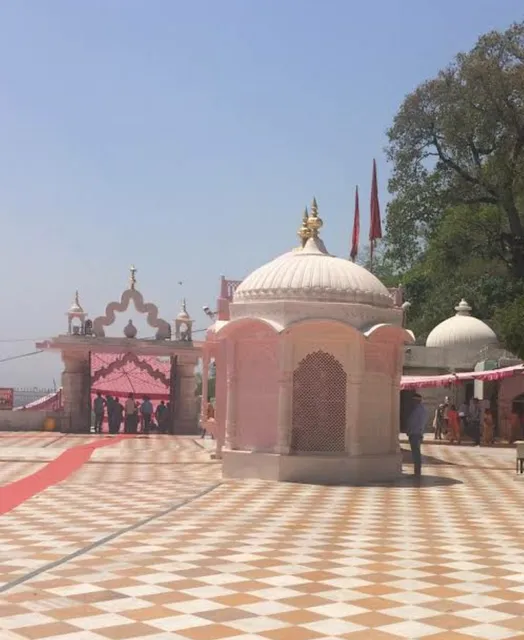
Jwala Devi Temple Himachal jagarwalo ki kuldevi
4.6
(511)
Open 24 hours
Click for details
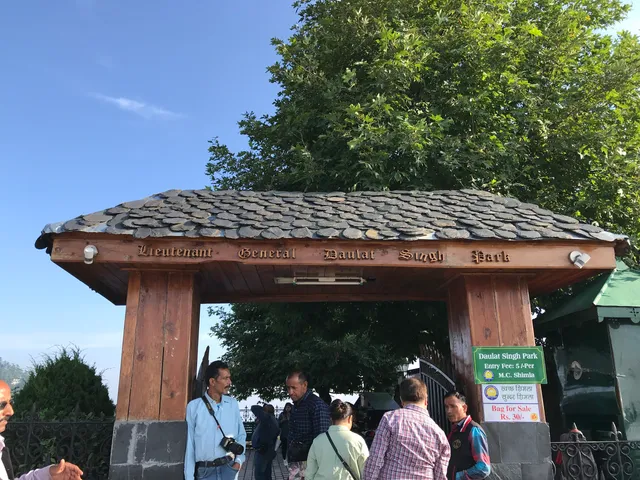
Daulat Singh Park
4.0
(480)
Open until 8:00 PM
Click for details
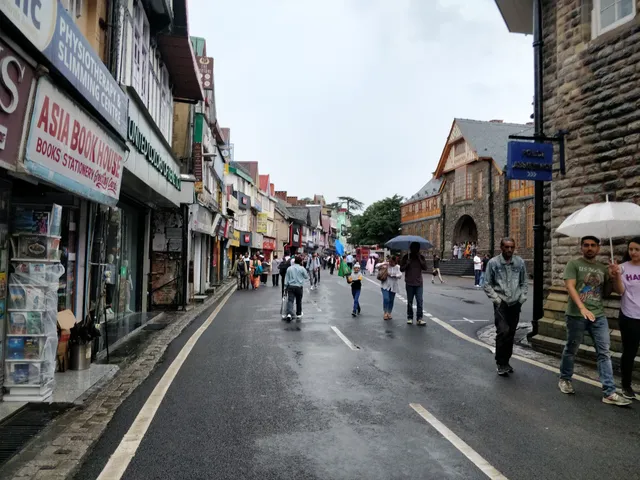
Scandal Point
4.5
(305)
Open until 6:00 PM
Click for details
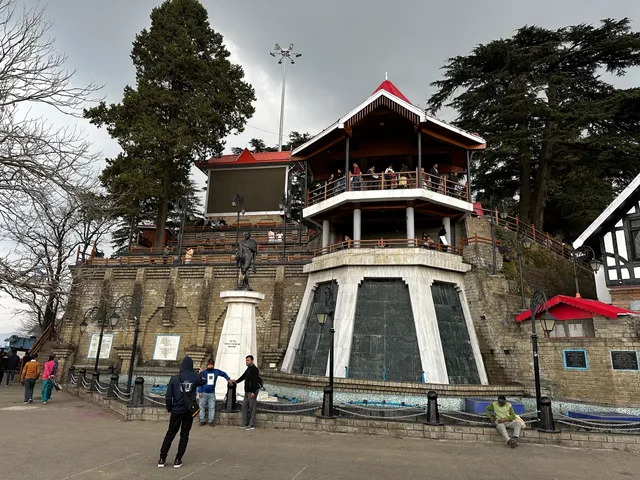
Hawa Ghar
4.5
(346)
Open until 12:00 AM
Click for details
Nearby restaurants of Town Hall
Domino's Pizza | The Mall, Shimla
Wake & Bake - Best Family Cafe Restaurants in Shimla/Best Food/Best Coffee in Restaurant in Shimla
Himachali Rasoi
Hide Out Cafe
45 The Central
Guptajees vaishnav bhojanalaya
cafe1873
Trishool bakers
Street Rasoi
Scandal Delights Cafe Bar Dine In
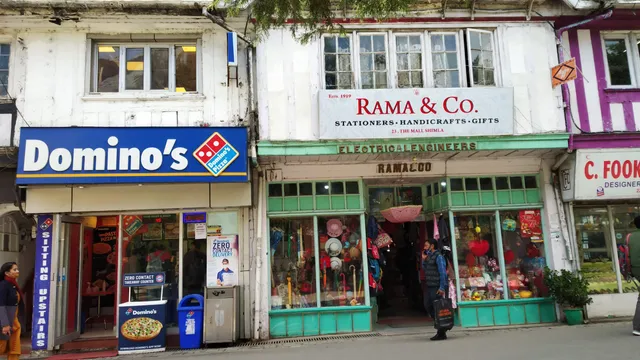
Domino's Pizza | The Mall, Shimla
3.8
(2.6K)
$$
Open until 11:00 PM
Click for details
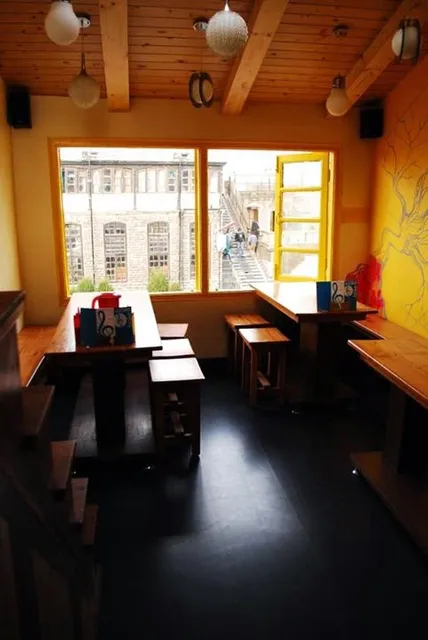
Wake & Bake - Best Family Cafe Restaurants in Shimla/Best Food/Best Coffee in Restaurant in Shimla
4.1
(1.3K)
Open until 10:00 PM
Click for details
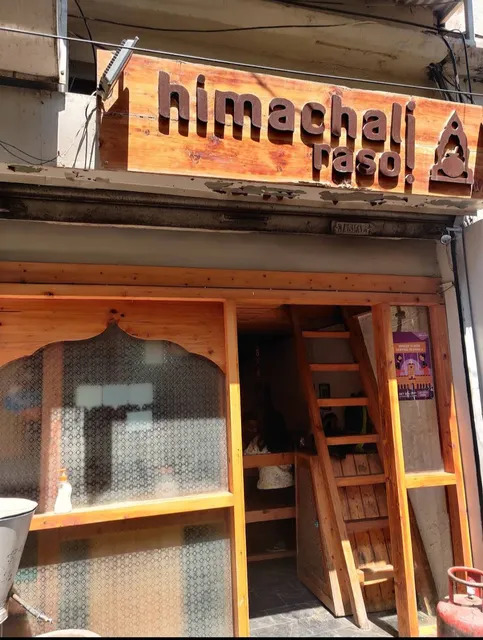
Himachali Rasoi
4.2
(1.1K)
Open until 9:30 PM
Click for details

Hide Out Cafe
4.3
(902)
Open until 10:00 PM
Click for details
Nearby local services of Town Hall
Ridge, Shimla
The Ridge
Mall Road
Lakkar bazar
Shri Ram Mandir
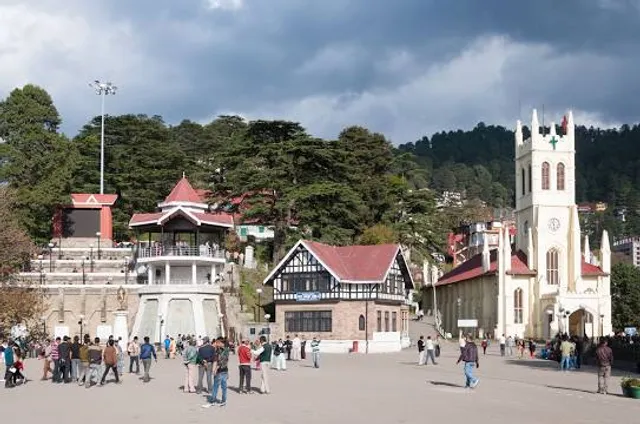
Ridge, Shimla
4.6
(4K)
Click for details
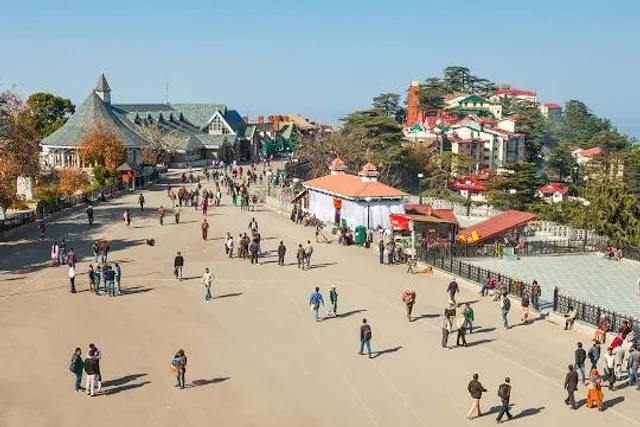
The Ridge
4.7
(1.5K)
Click for details
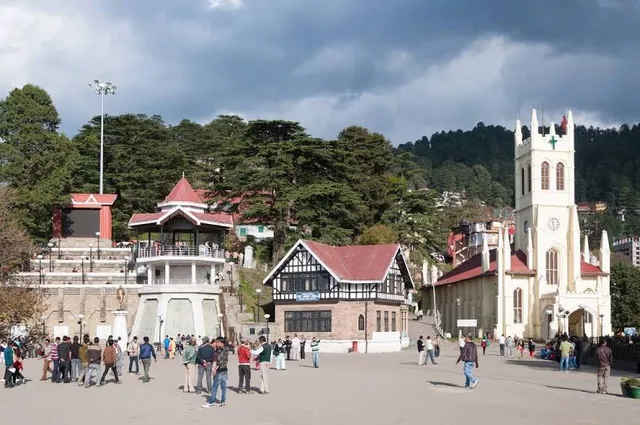
Mall Road
4.6
(1.9K)
Click for details
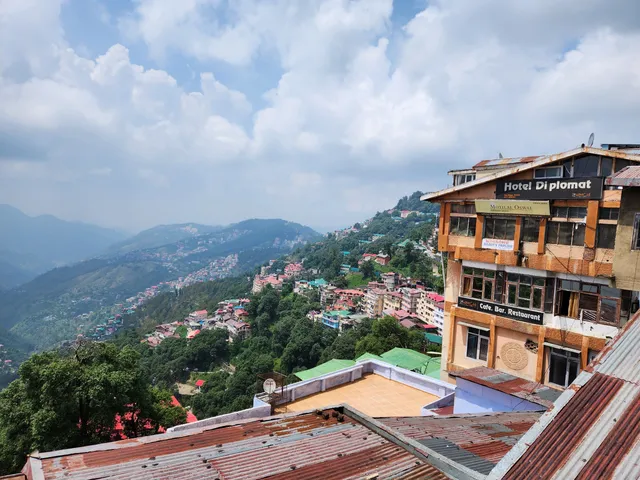
Lakkar bazar
4.2
(1.1K)
Click for details