HTML SitemapExplore

Church of Saint Irene — Local services in Lecce

Name
Church of Saint Irene
Description
Nearby attractions
Roman Amphitheater
Piazza Sant'Oronzo, 73100 Lecce LE, Italy
Convento Dei Teatini
Via Vittorio Emanuele II, 34, 73100 Lecce LE, Italy
Basilica di Santa Croce
Via Umberto I, 1, 73100 Lecce LE, Italy
Church of Santa Chiara
P.za Vittorio Emanuele II, 73100 Lecce LE, Italy
Roman Theater
Via Del Teatro Romano, 73100 Lecce LE, Italy
MUST | Museo Storico della Città di Lecce
Via Degli Ammirati, 11, 73100 Lecce LE, Italy
Campanile del Duomo
P.za del Duomo, 73100 Lecce LE, Italy
Castello Carlo V
Via XXV Luglio, 52, 73100 Lecce LE, Italy
Porta Napoli
Piazzetta Arco di Trionfo, 73100 Lecce LE, Italy
TONDADESIGN
Via Giuseppe Palmieri, 20, 73100 Lecce LE, Italy
Nearby restaurants
Rusticana 1971
Via Vittorio Emanuele II, 31, 73100 Lecce LE, Italy
Gusto Liberrima - All’ombra del barocco
Corte dei Cicala, 10, 73100 Lecce LE, Italy
Terra Lecce | Ristorante
Via Vittorio Emanuele II, 48, 73100 Lecce LE, Italy
Arte dei Sapori
Via Alami, 3, 73100 Lecce LE, Italy
00 Doppiozero
Via Guglielmo Paladini, 2, 73100 Lecce LE, Italy
Antica pizzeria da Michele
Via Francesco Rubichi, 37, 73100 Lecce LE, Italy
TAULA
Via Giuseppe Palmieri, 1/a, 73100 Lecce LE, Italy
Tentazioni
Piazza Sant'Oronzo, 48, 73100 Lecce LE, Italy
Moro
Via Degli Ammirati, 10, 73100 Lecce LE, Italy
Caffè Cittadino
Via Francesco Rubichi, 35, 73100 Lecce LE, Italy
Nearby local services
Libreria Liberrima
Corte dei Cicala, 1, 73100 Lecce LE, Italy
Catedral de la Asunción de Santa María
P.za del Duomo, 73100 Lecce LE, Italy
Colonna di Sant'Oronzo
Piazza Sant'Oronzo, 30, 73100 Lecce LE, Italy
SALENTINAMENTE LECCE OUTLET TRENDY
Via Vittorio Emanuele II, 35, 73100 Lecce LE, Italy
La Casa del Tarallino
LE, Via Regina Isabella, 73100 Lecce LE, Italy
Feltrinelli Librerie
Via Templari, 9, 73100 Lecce LE, Italy
Rocca 1794 - Rivenditore autorizzato Rolex
Via Vittorio Emanuele II 42/44, Via degli Antoglietta, 1, 73100 Lecce LE, Italy
Théâtre Romain
Via Del Teatro Romano, 73100 Lecce LE, Italy
Rebirth33
Via Vittorio Emanuele II, 41, 73100 Lecce LE, Italy
Via Matteo da Lecce, 5
Via Matteo da Lecce, 5, 73100 Lecce LE, Italy
Nearby hotels
Risorgimento Resort, member of WorldHotels Elite
Via Augusto Imperatore, 19, 73100 Lecce LE, Italy
Le Club Boutique Hotel
Via Regina Isabella, 2, 73100 Lecce LE, Italy
Palazzo Rollo
Via Vittorio Emanuele II, 14, 73100 Lecce LE, Italy
Suite Hotel Santa Chiara
Via Degli Ammirati, 24, 73100 Lecce LE, Italy
Signuria Dimora Esclusiva
Corte delle Armelline, 73100 Lecce LE, Italy
cadellisuite
Via Corte dei Guarini, 11, 73100 Lecce LE, Italy
Al Duomo
Via Vittorio Emanuele II, 31, 73100 Lecce LE, Italy
B&B Palazzo Belli
Via Vittorio Emanuele II, 33, 73100 Lecce LE, Italy
Il Banano B&B
Via Vittorio Emanuele II, 43, 73100 Lecce LE, Italy
B&B Damasa Rooms
Via Degli Ammirati, 12, 73100 Lecce LE, Italy
Related posts
Keywords
Church of Saint Irene tourism.Church of Saint Irene hotels.Church of Saint Irene bed and breakfast. flights to Church of Saint Irene.Church of Saint Irene attractions.Church of Saint Irene restaurants.Church of Saint Irene local services.Church of Saint Irene travel.Church of Saint Irene travel guide.Church of Saint Irene travel blog.Church of Saint Irene pictures.Church of Saint Irene photos.Church of Saint Irene travel tips.Church of Saint Irene maps.Church of Saint Irene things to do.
Church of Saint Irene things to do, attractions, restaurants, events info and trip planning
Church of Saint Irene
ItalyApuliaLecceChurch of Saint Irene

Basic Info

Church of Saint Irene

Via degli Antoglietta, 73100 Lecce LE, Italy
4.6(144)
Closed
Save
spot

Ratings & Description

Info

Cultural
Scenic
Accessibility
attractions: Roman Amphitheater, Convento Dei Teatini, Basilica di Santa Croce, Church of Santa Chiara, Roman Theater, MUST | Museo Storico della Città di Lecce, Campanile del Duomo, Castello Carlo V, Porta Napoli, TONDADESIGN, restaurants: Rusticana 1971, Gusto Liberrima - All’ombra del barocco, Terra Lecce | Ristorante, Arte dei Sapori, 00 Doppiozero, Antica pizzeria da Michele, TAULA, Tentazioni, Moro, Caffè Cittadino, local businesses: Libreria Liberrima, Catedral de la Asunción de Santa María, Colonna di Sant'Oronzo, SALENTINAMENTE LECCE OUTLET TRENDY, La Casa del Tarallino, Feltrinelli Librerie, Rocca 1794 - Rivenditore autorizzato Rolex, Théâtre Romain, Rebirth33, Via Matteo da Lecce, 5

logoLearn more insights from Wanderboat AI.
Phone
+39 0832 308107
Website
diocesilecce.org
Open hoursSee all hours
Mon8 AM - 1 PMClosed

Plan your stay

hotel
Pet-friendly Hotels in Lecce
Find a cozy hotel nearby and make it a full experience.

hotel
Affordable Hotels in Lecce
Find a cozy hotel nearby and make it a full experience.

hotel
The Coolest Hotels You Haven't Heard Of (Yet)
Find a cozy hotel nearby and make it a full experience.

hotel
Trending Stays Worth the Hype in Lecce
Find a cozy hotel nearby and make it a full experience.

Reviews

Live events
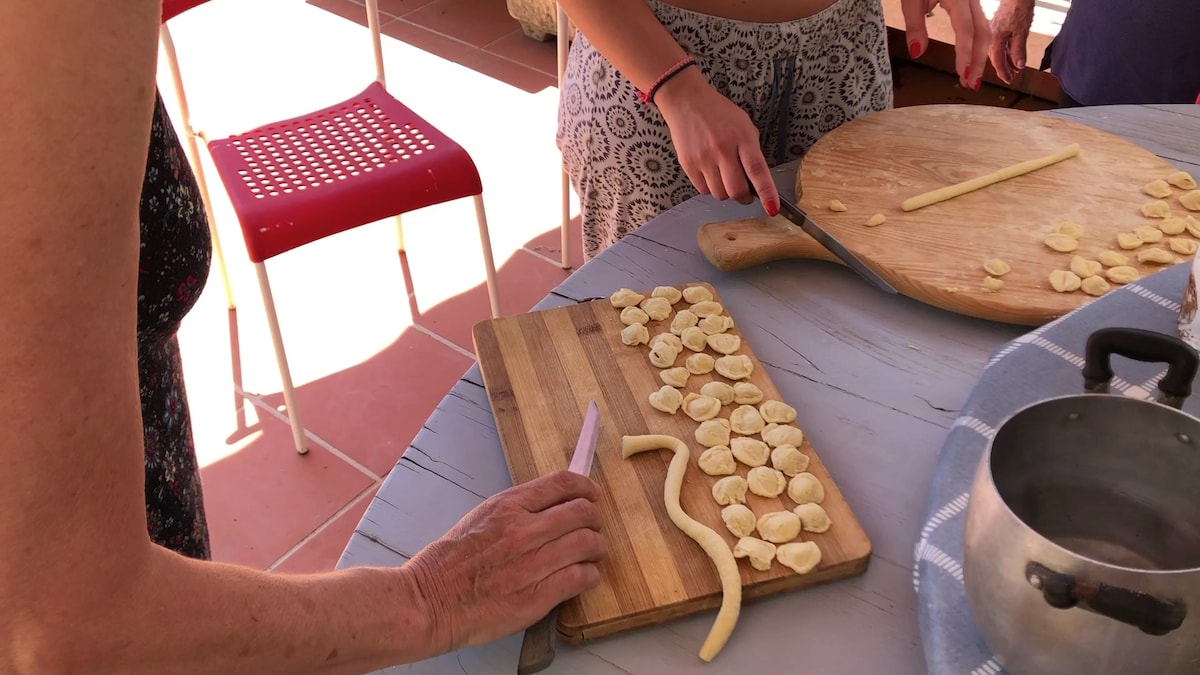
Make orecchiette in Salento
Mon, Jan 26 • 11:00 AM
73100, Lecce, Apulia, Italy
View details
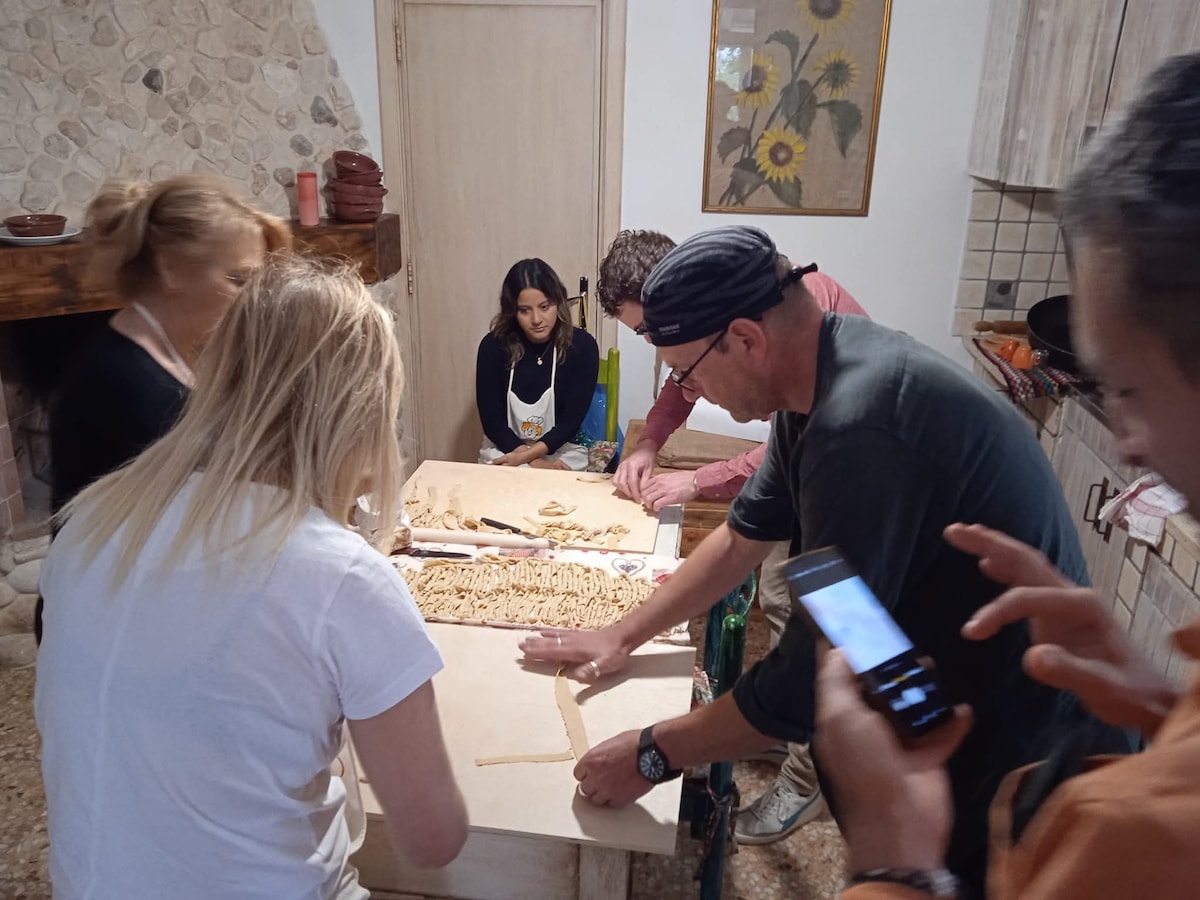
Make homemade pasta with Katia
Mon, Jan 26 • 12:00 PM
73010, Surbo, Apulia, Italy
View details

Nearby attractions of Church of Saint Irene

Roman Amphitheater

Convento Dei Teatini

Basilica di Santa Croce

Church of Santa Chiara

Roman Theater

MUST | Museo Storico della Città di Lecce

Campanile del Duomo

Castello Carlo V

Porta Napoli

TONDADESIGN
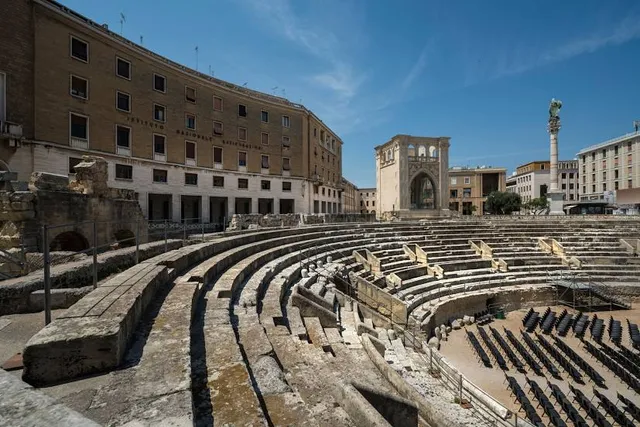
Roman Amphitheater

Roman Amphitheater

4.6

(2.9K)

Open until 12:00 AM
Click for details
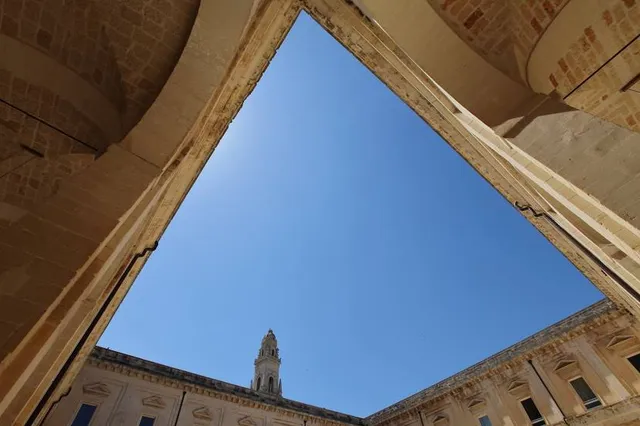
Convento Dei Teatini

Convento Dei Teatini

4.5

(147)

Open until 12:00 AM
Click for details
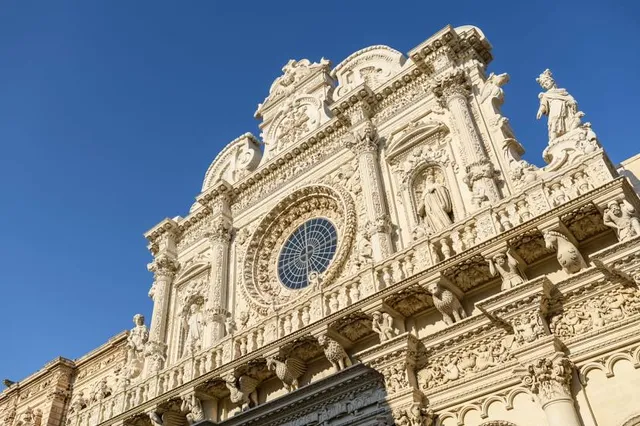
Basilica di Santa Croce

Basilica di Santa Croce

4.7

(3.8K)

Closed
Click for details
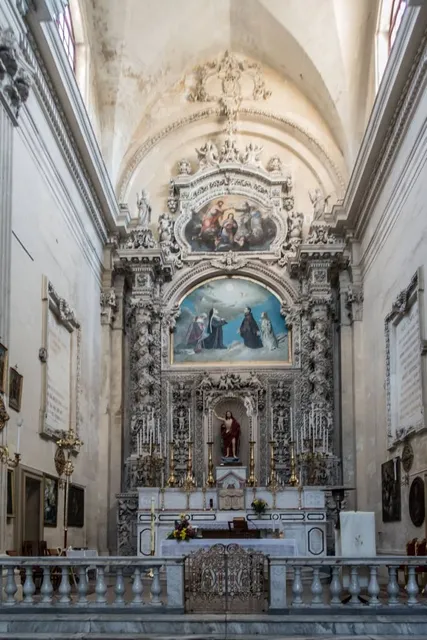
Church of Santa Chiara

Church of Santa Chiara

4.6

(428)

Closed
Click for details

Nearby restaurants of Church of Saint Irene

Rusticana 1971

Gusto Liberrima - All’ombra del barocco

Terra Lecce | Ristorante

Arte dei Sapori

00 Doppiozero

Antica pizzeria da Michele

TAULA

Tentazioni

Moro

Caffè Cittadino
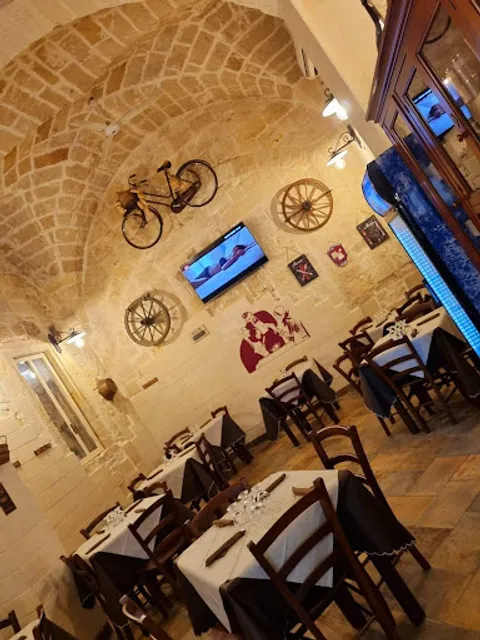
Rusticana 1971

Rusticana 1971

4.2

(862)

Closed
Click for details
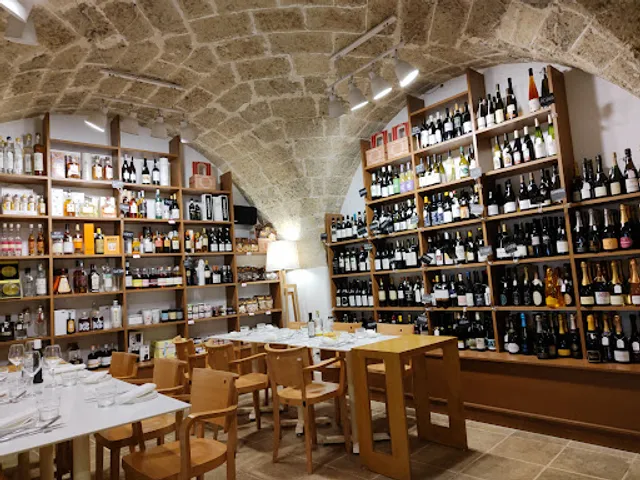
Gusto Liberrima - All’ombra del barocco

Gusto Liberrima - All’ombra del barocco

4.2

(584)

$$

Closed
Click for details
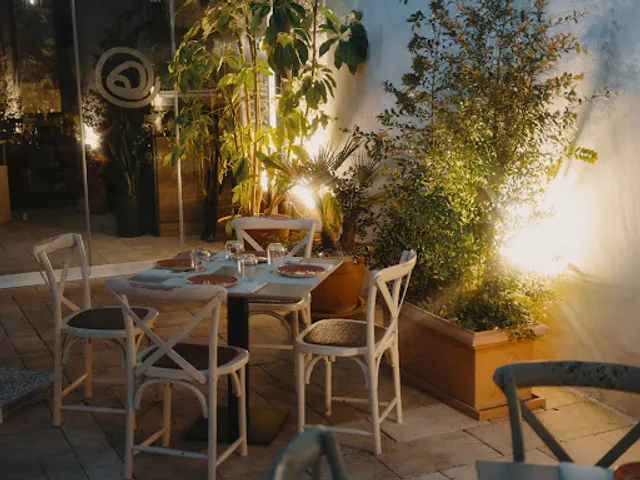
Terra Lecce | Ristorante

Terra Lecce | Ristorante

4.4

(620)

Closed
Click for details
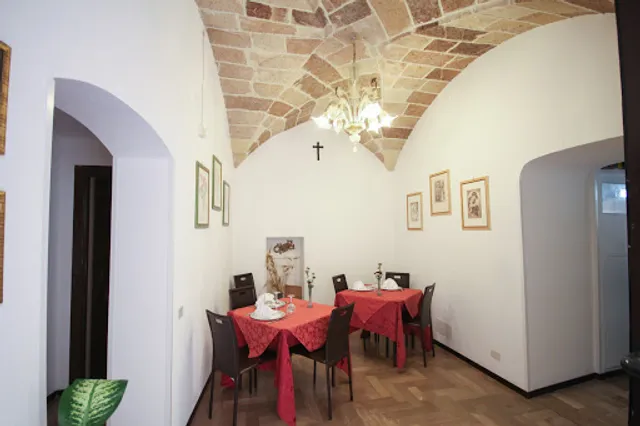
Arte dei Sapori

Arte dei Sapori

4.3

(371)

Closed
Click for details

Nearby local services of Church of Saint Irene

Libreria Liberrima

Catedral de la Asunción de Santa María

Colonna di Sant'Oronzo

SALENTINAMENTE LECCE OUTLET TRENDY

La Casa del Tarallino

Feltrinelli Librerie

Rocca 1794 - Rivenditore autorizzato Rolex

Théâtre Romain

Rebirth33

Via Matteo da Lecce, 5
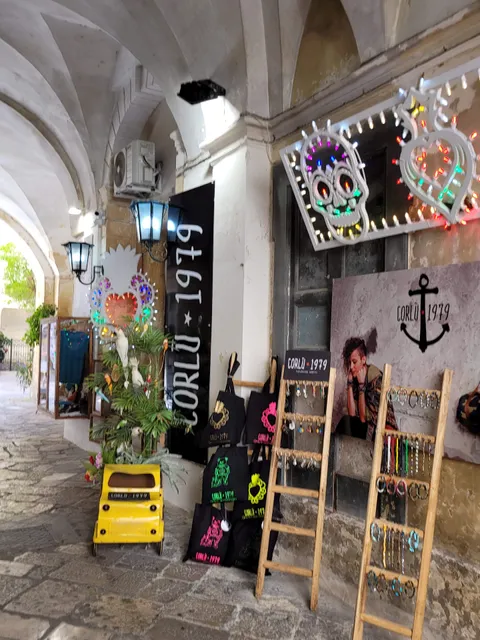
Libreria Liberrima

Libreria Liberrima

4.6

(693)

Click for details
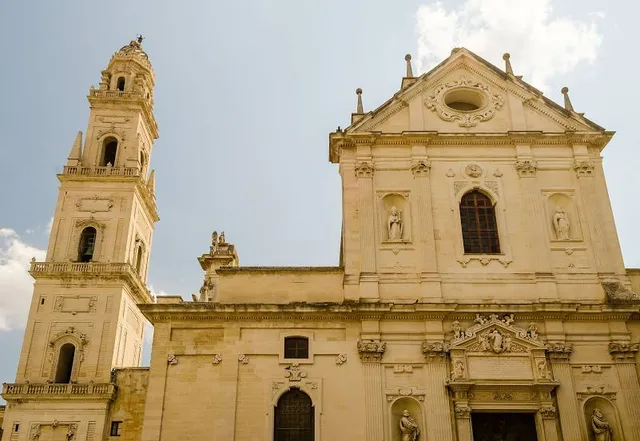
Catedral de la Asunción de Santa María

Catedral de la Asunción de Santa María

4.6

(2.9K)

Click for details
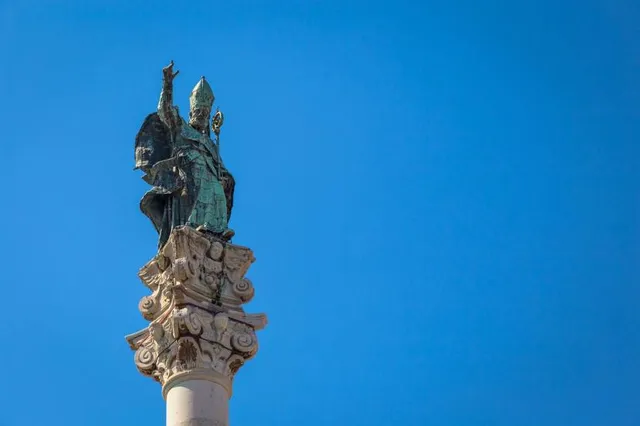
Colonna di Sant'Oronzo

Colonna di Sant'Oronzo

4.7

(2.8K)

Click for details

SALENTINAMENTE LECCE OUTLET TRENDY

SALENTINAMENTE LECCE OUTLET TRENDY

4.5

(119)

Click for details

Get the Appoverlay
Get the AppOne tap to find yournext favorite spots!
Wanderboat LogoWanderboat

Your everyday Al companion for getaway ideas

CompanyAbout Us
InformationAI Trip PlannerSitemap
SocialXInstagramTiktokLinkedin
LegalTerms of ServicePrivacy Policy

Get the app

© 2025 Wanderboat. All rights reserved.

Reviews of Church of Saint Irene

4.6
(144)
avatar
5.0
6y

The church was built starting from 1591 on the project of the Francesco Grimaldi from Turin and was completed in 1639, the year of the consecration by the Bishop of Brindisi.

The church experienced important historical events: in 1797 it was visited by King Ferdinand IV of Bourbon; in October 1860 it hosted the plebiscite operations to decide the yes of Lecce to enter the Kingdom of Italy. In 1866 the annexed convent of the Theatines was suppressed, but the church remained open for worship.

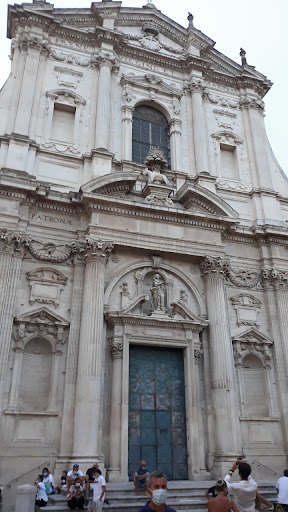
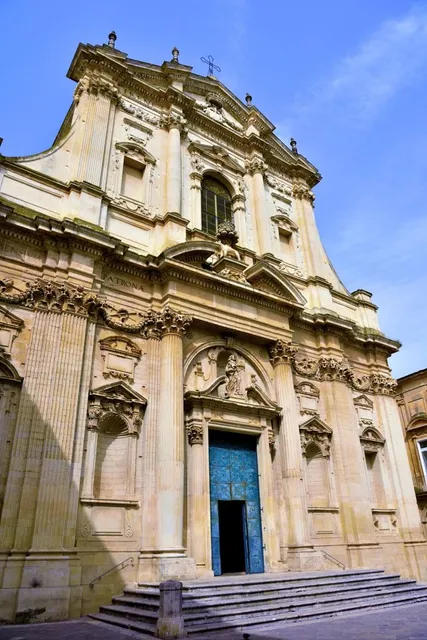
The parish community celebrates its patron Irene on May 5th. The building refers to the model of the Basilica of Sant'Andrea della Valle in Rome, where Grimaldi himself worked. The façade is made up of a double order system, punctuated by overlapping pilasters connected by festoons. The columns are spaced out in the lower order by empty niches and cartouches and in the upper order by a large window. The central space of the lower order houses the portal, surmounted by the stone statue of Saint Irene, by Mauro Manieri from 1717. Above the string course frame stands the civic emblem of the city of Lecce. The façade is crowned by a triangular tympanum bearing the insignia of the order of the Theatines. The Latin dedication to the patron saint Irene virgini et martiri (Irene virgin and martyr) is engraved on the entablature.

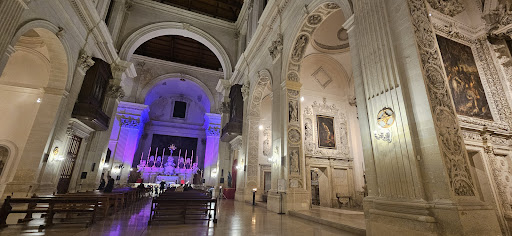
The interior has a Latin cross plan, with a single nave open at the sides by three deep chapels communicating with each other and characterized by elliptical domes. On the left side there are the altars of St. Stephen, which houses the painting with the Stoning of St. Stephen, by Antonio Verrio, of the Crucifix and of the Virgin of the Good Council.

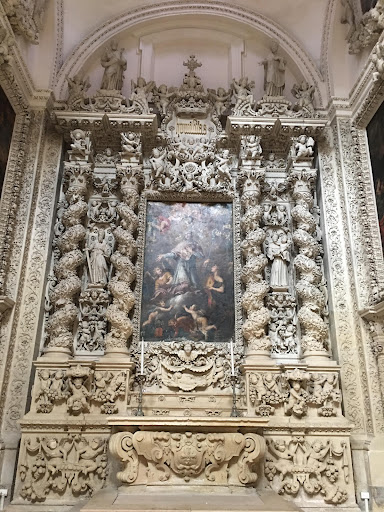
In the left arm of the transept there are three altars: the altar of Saint Oronzo, built around the middle of the seventeenth century by Francesco Antonio Zimbalo, uncle of Giuseppe Zimbalo; the altar of Saint Irene (1639) which houses nine busts of saints which each contain the relics of the depicted religious, while above is the statue of Saint Irene surmounted by the coat of arms of Lecce; the altar of the Holy Family built in 1672.

The apse houses the main altar altered in 1753. On the wall is a painting depicting The Transport of the Holy Ark, a masterpiece by Oronzo Tiso.

In the right arm of the transept there are three other altars: the altar of the Guardian Angel dating back to 1700; the altar dedicated in 1651 to St. Gaetano of Thiene by the archbishop of Otranto Gaetano Cassa, which houses the oil painting depicting the founder of the Teatini order, created by Filippo Maria Galletti [1]; the altar of Saint Andrew Avellino, in the Rococo style.

In the chapels on the right side there are the altars of St. Charles Borromeo, of the archangel Michael, built by Cesare Penna in 1642, and the altar of the Souls of Purgatory with a recent painting by Luigi Scorrano.

The church's sacristy houses other paintings, including that of the Madonna...

   Read more
avatar
5.0
2y

La Chiesa di Sant’Irene, intitolata a S. Irene patrona della città di Lecce fino al 1656, rispecchia, in tutta la sua sontuosa bellezza,la devozione e il rispetto che i leccesi avevano per la loro santa protettrice. La chiesa di S. Irene fu edificata dal 1591 su progetto del teatino Francesco Grimaldi. La grandiosa facciata è composta da due assetti stilistici sovrapposti, la parte inferiore è suddivisa in cinque ampi spazi, di cui quelli laterali ospitano delle nicchie vuote, mentre quello centrale il portale e termina in alto con la statua della santa messa in risalto da uno arco semicircolare, opera di Mauro Manieri del 1717. La parte superiore è frazionata in tre parti, le laterali ospitano delle nicchie vuote e la centrale una ariosa finestra. Sulla trabeazione si legge un’iscrizione dedicata a Santa Irene: “Irene virgini et martiri”, il tutto è completato in alto da un frontespizio triangolare con lo stemma della città. L’interno, a croce latina e ad una sola navata, si modula in modo molto più sobrio rispetto al prospetto esterno, presentando, per ogni lato, tre profonde cappelle, comunicanti tra loro, caratterizzate da volte ellittiche illuminate a luce naturale, la prima a destra, dedicata a S. Carlo Borromeo, è abbondantemente decorata da colonne tortili, il secondo altare dell’Arcangelo Michele venne costruito da Cesare Penna nel 1642 e contiene una copia dipinta del famoso quadro del santo realizzato da Giudo Reni, lateralmente alla tela, tra le colonne corinzie fanno capolino le statue degli evangelisti e in alto volteggiano delicati angeli musicanti, infine, la terza cappella accoglie un altare settecentesco votato alle Anime del Purgatorio con una recente tela di Luigi Scorrano.

L’altare maggioredella Croce subì nel 1753 dei rimaneggiamenti che ne cambiarono di molto l’aspetto originario, l’altare si caratterizza per la presenza del dipinto intitolato”Il Trasporto dell’Arca Santa”, magistrale capolavoro artistico realizzato da Oronzo Tiso. Nel braccio destro del transetto troviamo l’altare dell’Angelo Custode risalente al 1700. Accanto uno tra gli altari più maestosi di Lecce, l’altare dedicato nel 1651 a S. Gaetano da Tiene dall’Arcivescovo di Otranto Gaetano Cassa,al centro dell’insieme si pone la tela a olio posta raffigura il fondatore dell’ordine dei Teatini, a cui il committente apparteneva, realizzata da Filippo Maria Galletti. Subito dopo troviamo l’altare di S. Andrea Avellino, particolare per le sue esuberanze decorative in stile rococò. Nel braccio sinistro del transetto, dopo l’altare della Croce, vi è l’altare di S. Oronzo realizzato verso la metà del Seicento, una delle ultime realizzazioni di Francesco Antonio Zimbalo, zio di Giuseppe, che si spegnerà da lì a poco nel 1630. a seguire l’altare di S. Irene, con tela della santa dipinta ad Giuseppe Verrio nel 1639 e in basso ben nove busti di santi che racchiudono ognuno le reliquie del religioso raffigurato, in alto primeggia la statua di S. Irene sormontata dallo stemma civico di Lecce.

A destra dell’altare di S. Irene, troviamo l’altare della Sacra Famiglia realizzato nel 1672. sempre proseguendo verso l’ingresso, ci sono l’altare della Vergine del Buon Consiglio, l’altare del Crocifisso e, infine, l’altare di S. Stefano, che contiene vari quadri importanti, tra cui la “Lapidazione di S. Stefano”, opera di Antonio Verrio. I muri della sagrestia della chiesa di S. Irene, come il resto della chiesa è riccamente decorata da numerose tele di inestimabile valore artistico, di cui ricordiamo la più famosa tela della Madonna...

   Read more
avatar
5.0
7y

La chiesa è dedicata a una leggendaria santa leccese, di cui in verità sappiamo ben poco: secondo la leggenda, riportata da varie fonti bizantine, Irene nacque a Lupiae in una famiglia pagana e all'età di sei anni fu rinchiusa dal padre, Licinius, all'età di sei anni, in una torre, sorvegliata da tredici servi, e la motivazione di questa prigionia risulta essere la bellezza della bambina. Licinius circondò la bambina di idoli pagani, che Irene distrusse in seguito alla conversione avvenuta ad opera di Timoteo, discepolo di san Paolo. Licinius, infuriato per questo gesto, legò Irene ad un cavallo imbizzarito per ucciderla. Irene sopravvisse e Licinius morì in seguito al morso alla mano, ricevuto dallo stesso cavallo. Irene pregò per il padre, che resuscitò. Questo evento provocò una conversione di massa, alla quale il governatore romano Ampelio reagì con l'invito ad Irene di apostasia. Al rifiuto della ragazzina conseguì la condanna a morte per decapitazione.

In epoca bizantina, divenne patrona di Lecce e lo fu sino al 1656, quando venne sostituita da sant'Oronzo grazie all'attribuzione della guarigione dei salentini dalla peste proprio a quest'ultimo.

La chiesa di S. Irene fu edificata dal 1591 su progetto del teatino Francesco Grimaldi, che aveva lavorato a Roma in Sant'Andrea della Valle, da cui fu ispirato.

La grandiosa facciata è composta da due assetti stilistici sovrapposti, la parte inferiore è suddivisa in cinque ampi spazi, di cui quelli laterali ospitano delle nicchie vuote, mentre quello centrale il portale e termina in alto con la statua della santa messa in risalto da uno arco semicircolare, opera di Mauro Manieri del 1717. La parte superiore è frazionata in tre parti, le laterali ospitano delle nicchie vuote e la centrale una ariosa finestra. Sulla trabeazione si legge un’iscrizione dedicata a Santa Irene: “Irene virgini et martiri”, il tutto è completato in alto da un frontespizio triangolare con lo stemma della città. L’interno, a croce latina e ad una sola navata, si modula in modo molto più sobrio rispetto al prospetto esterno, presentando, per ogni lato, tre profonde cappelle, comunicanti tra loro, caratterizzate da volte ellittiche illuminate a luce naturale

Tra i tanti altari, spiccano quello di San Carlo Borromeo, riccamente fregiato e munito di una coppia di colonne tortili per lato con al centro la tela raffigurante il santo, quello dell’Arcangelo Michele venne costruito da Cesare Penna nel 1642 e contiene una copia dipinta del famoso quadro del santo realizzato da Giudo Reni, quello di S. Stefano, che contiene vari quadri importanti, tra cui la “Lapidazione di S. Stefano”, opera di Antonio Verri.

Interessanti sono anche l'altare di Sant' Oronzo,una delle ultime realizzazioni di Francesco Antonio Zimbalo, zio di Giuseppe a cui segue il grandioso altare di S. Irene. Questo altare ha una particolarità: sotto la tela della titolare, dipinta il 1639 da Giuseppe Verrio, vi sono nove busti di santi con le reliquie. Al vertice dell'altare, sopra il timpano della nicchia che contiene una statua di S. Irene, è la lupa col leccio, simbolo civico di Lecce.

L'abside ospita l'altare maggiore rimaneggiato nel 1753. Sulla parete è affisso il dipinto raffigurante Il Trasporto dell'Arca Santa, capolavoro di Oronzo Tiso.

nel 1797 venne visitata da re Ferdinando IV di Borbone; nell'ottobre del 1860 ospitò le operazioni di plebiscito per decidere il sì di Lecce ad entrare nel Regno d'Italia. Nel 1866 l'annesso convento dei Teatini venne soppresso, ma la chiesa rimase comunque...

   Read more
Page 1 of 7
Previous
Next

Posts

Huykyung “Grace” ByunHuykyung “Grace” Byun
The church was built starting from 1591 on the project of the Francesco Grimaldi from Turin and was completed in 1639, the year of the consecration by the Bishop of Brindisi. The church experienced important historical events: in 1797 it was visited by King Ferdinand IV of Bourbon; in October 1860 it hosted the plebiscite operations to decide the yes of Lecce to enter the Kingdom of Italy. In 1866 the annexed convent of the Theatines was suppressed, but the church remained open for worship. The parish community celebrates its patron Irene on May 5th. The building refers to the model of the Basilica of Sant'Andrea della Valle in Rome, where Grimaldi himself worked. The façade is made up of a double order system, punctuated by overlapping pilasters connected by festoons. The columns are spaced out in the lower order by empty niches and cartouches and in the upper order by a large window. The central space of the lower order houses the portal, surmounted by the stone statue of Saint Irene, by Mauro Manieri from 1717. Above the string course frame stands the civic emblem of the city of Lecce. The façade is crowned by a triangular tympanum bearing the insignia of the order of the Theatines. The Latin dedication to the patron saint Irene virgini et martiri (Irene virgin and martyr) is engraved on the entablature. The interior has a Latin cross plan, with a single nave open at the sides by three deep chapels communicating with each other and characterized by elliptical domes. On the left side there are the altars of St. Stephen, which houses the painting with the Stoning of St. Stephen, by Antonio Verrio, of the Crucifix and of the Virgin of the Good Council. In the left arm of the transept there are three altars: the altar of Saint Oronzo, built around the middle of the seventeenth century by Francesco Antonio Zimbalo, uncle of Giuseppe Zimbalo; the altar of Saint Irene (1639) which houses nine busts of saints which each contain the relics of the depicted religious, while above is the statue of Saint Irene surmounted by the coat of arms of Lecce; the altar of the Holy Family built in 1672. The apse houses the main altar altered in 1753. On the wall is a painting depicting The Transport of the Holy Ark, a masterpiece by Oronzo Tiso. In the right arm of the transept there are three other altars: the altar of the Guardian Angel dating back to 1700; the altar dedicated in 1651 to St. Gaetano of Thiene by the archbishop of Otranto Gaetano Cassa, which houses the oil painting depicting the founder of the Teatini order, created by Filippo Maria Galletti [1]; the altar of Saint Andrew Avellino, in the Rococo style. In the chapels on the right side there are the altars of St. Charles Borromeo, of the archangel Michael, built by Cesare Penna in 1642, and the altar of the Souls of Purgatory with a recent painting by Luigi Scorrano. The church's sacristy houses other paintings, including that of the Madonna della Libera.
Your browser does not support the video tag.
GianlucaGianluca
La chiesa nella parte esterna è in restauro. L’interno è molto bello
Ciro MagliuloCiro Magliulo
La Chiesa di Sant'Irene a Lecce è uno dei gioielli del barocco leccese, situata nel cuore del centro storico, a pochi passi da Piazza Sant'Oronzo. Costruita tra il 1591 e il 1639 su progetto dell'architetto teatino Francesco Grimaldi, la chiesa è dedicata a Sant'Irene da Tessalonica, antica patrona della città. L'edificio, ispirato alla basilica romana di Sant'Andrea della Valle, presenta una facciata monumentale a doppio ordine con colonne e nicchie, sormontata dalla statua della santa realizzata da Mauro Manieri nel 1717. L'interno è a pianta a croce latina, con un'unica navata e cappelle laterali riccamente decorate. Tra le opere più significative, spiccano il dipinto "Il Trasporto dell'Arca Santa" di Oronzo Tiso e gli altari dedicati a santi come Sant'Oronzo e Sant'Irene. Durante la mia visita autunnale, ho avuto la fortuna di assistere alle prove di un concerto, che ha reso l'atmosfera ancora più suggestiva. Nonostante la facciata fosse temporaneamente coperta a causa dei lavori di restauro iniziati nel marzo 2023, ho potuto apprezzare la bellezza dell'interno e immaginare il ritorno al suo splendore originale una volta completati gli interventi. Consiglio vivamente una visita alla Chiesa di Sant'Irene, per ammirare la sua architettura barocca e immergersi nella storia e nella cultura di Lecce.
See more posts
See more posts
hotel
Find your stay

Pet-friendly Hotels in Lecce

Find a cozy hotel nearby and make it a full experience.

The church was built starting from 1591 on the project of the Francesco Grimaldi from Turin and was completed in 1639, the year of the consecration by the Bishop of Brindisi. The church experienced important historical events: in 1797 it was visited by King Ferdinand IV of Bourbon; in October 1860 it hosted the plebiscite operations to decide the yes of Lecce to enter the Kingdom of Italy. In 1866 the annexed convent of the Theatines was suppressed, but the church remained open for worship. The parish community celebrates its patron Irene on May 5th. The building refers to the model of the Basilica of Sant'Andrea della Valle in Rome, where Grimaldi himself worked. The façade is made up of a double order system, punctuated by overlapping pilasters connected by festoons. The columns are spaced out in the lower order by empty niches and cartouches and in the upper order by a large window. The central space of the lower order houses the portal, surmounted by the stone statue of Saint Irene, by Mauro Manieri from 1717. Above the string course frame stands the civic emblem of the city of Lecce. The façade is crowned by a triangular tympanum bearing the insignia of the order of the Theatines. The Latin dedication to the patron saint Irene virgini et martiri (Irene virgin and martyr) is engraved on the entablature. The interior has a Latin cross plan, with a single nave open at the sides by three deep chapels communicating with each other and characterized by elliptical domes. On the left side there are the altars of St. Stephen, which houses the painting with the Stoning of St. Stephen, by Antonio Verrio, of the Crucifix and of the Virgin of the Good Council. In the left arm of the transept there are three altars: the altar of Saint Oronzo, built around the middle of the seventeenth century by Francesco Antonio Zimbalo, uncle of Giuseppe Zimbalo; the altar of Saint Irene (1639) which houses nine busts of saints which each contain the relics of the depicted religious, while above is the statue of Saint Irene surmounted by the coat of arms of Lecce; the altar of the Holy Family built in 1672. The apse houses the main altar altered in 1753. On the wall is a painting depicting The Transport of the Holy Ark, a masterpiece by Oronzo Tiso. In the right arm of the transept there are three other altars: the altar of the Guardian Angel dating back to 1700; the altar dedicated in 1651 to St. Gaetano of Thiene by the archbishop of Otranto Gaetano Cassa, which houses the oil painting depicting the founder of the Teatini order, created by Filippo Maria Galletti [1]; the altar of Saint Andrew Avellino, in the Rococo style. In the chapels on the right side there are the altars of St. Charles Borromeo, of the archangel Michael, built by Cesare Penna in 1642, and the altar of the Souls of Purgatory with a recent painting by Luigi Scorrano. The church's sacristy houses other paintings, including that of the Madonna della Libera.
Huykyung “Grace” Byun

Huykyung “Grace” Byun

hotel
Find your stay

Affordable Hotels in Lecce

Find a cozy hotel nearby and make it a full experience.

Get the Appoverlay
Get the AppOne tap to find yournext favorite spots!
La chiesa nella parte esterna è in restauro. L’interno è molto bello
Gianluca

Gianluca

hotel
Find your stay

The Coolest Hotels You Haven't Heard Of (Yet)

Find a cozy hotel nearby and make it a full experience.

hotel
Find your stay

Trending Stays Worth the Hype in Lecce

Find a cozy hotel nearby and make it a full experience.

La Chiesa di Sant'Irene a Lecce è uno dei gioielli del barocco leccese, situata nel cuore del centro storico, a pochi passi da Piazza Sant'Oronzo. Costruita tra il 1591 e il 1639 su progetto dell'architetto teatino Francesco Grimaldi, la chiesa è dedicata a Sant'Irene da Tessalonica, antica patrona della città. L'edificio, ispirato alla basilica romana di Sant'Andrea della Valle, presenta una facciata monumentale a doppio ordine con colonne e nicchie, sormontata dalla statua della santa realizzata da Mauro Manieri nel 1717. L'interno è a pianta a croce latina, con un'unica navata e cappelle laterali riccamente decorate. Tra le opere più significative, spiccano il dipinto "Il Trasporto dell'Arca Santa" di Oronzo Tiso e gli altari dedicati a santi come Sant'Oronzo e Sant'Irene. Durante la mia visita autunnale, ho avuto la fortuna di assistere alle prove di un concerto, che ha reso l'atmosfera ancora più suggestiva. Nonostante la facciata fosse temporaneamente coperta a causa dei lavori di restauro iniziati nel marzo 2023, ho potuto apprezzare la bellezza dell'interno e immaginare il ritorno al suo splendore originale una volta completati gli interventi. Consiglio vivamente una visita alla Chiesa di Sant'Irene, per ammirare la sua architettura barocca e immergersi nella storia e nella cultura di Lecce.
Ciro Magliulo

Ciro Magliulo

See more posts
See more posts