Roman Theater things to do, attractions, restaurants, events info and trip planning
Basic Info
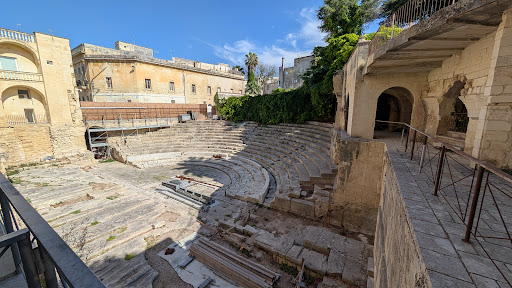
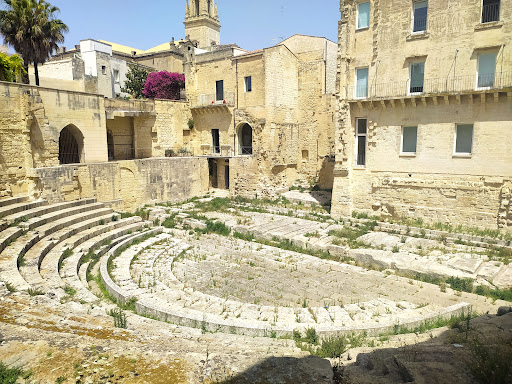
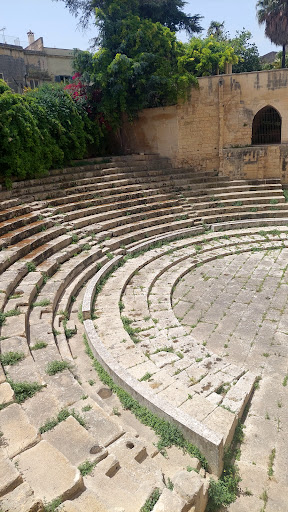
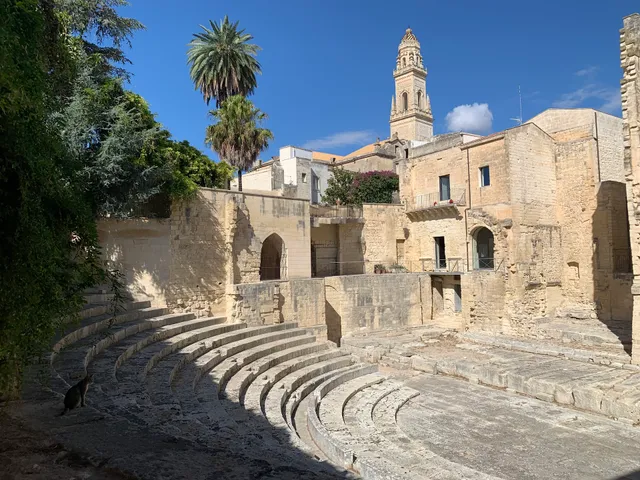
Roman Theater
Via Del Teatro Romano, 73100 Lecce LE, Italy
4.3(486)
Open 24 hours
Save
spot
spot
Ratings & Description
Info
attractions: Church of Santa Chiara, Roman Amphitheater, MUST | Museo Storico della Città di Lecce, Gate of Saint Blaise, Museo Faggiano, Campanile del Duomo, Palazzo Vernazza, Convento Dei Teatini, Castello Carlo V, Museo del teatro romano, restaurants: 00 Doppiozero, Moro, La Torre di Merlino, Alibi Creative Club, Tabisca "il Vico dei Tagliati", Quanto Basta, IL PIZZICOTTO, Trattoria Nonna Tetti, Mezzo Quinto, Volo Restaurant, local businesses: Catedral de la Asunción de Santa María, Théâtre Romain, Libreria Liberrima, Colonna di Sant'Oronzo, Church of Saint Matthew, Le Meraviglie della Pietra, Feltrinelli Librerie, SALENTINAMENTE LECCE OUTLET TRENDY, Church of Saint Irene, Rocca 1794 - Rivenditore autorizzato Rolex
 Learn more insights from Wanderboat AI.
Phone
+39 0832 279196
Plan your stay

Pet-friendly Hotels in Lecce
Find a cozy hotel nearby and make it a full experience.

Affordable Hotels in Lecce
Find a cozy hotel nearby and make it a full experience.

The Coolest Hotels You Haven't Heard Of (Yet)
Find a cozy hotel nearby and make it a full experience.

Trending Stays Worth the Hype in Lecce
Find a cozy hotel nearby and make it a full experience.
Reviews
Live events
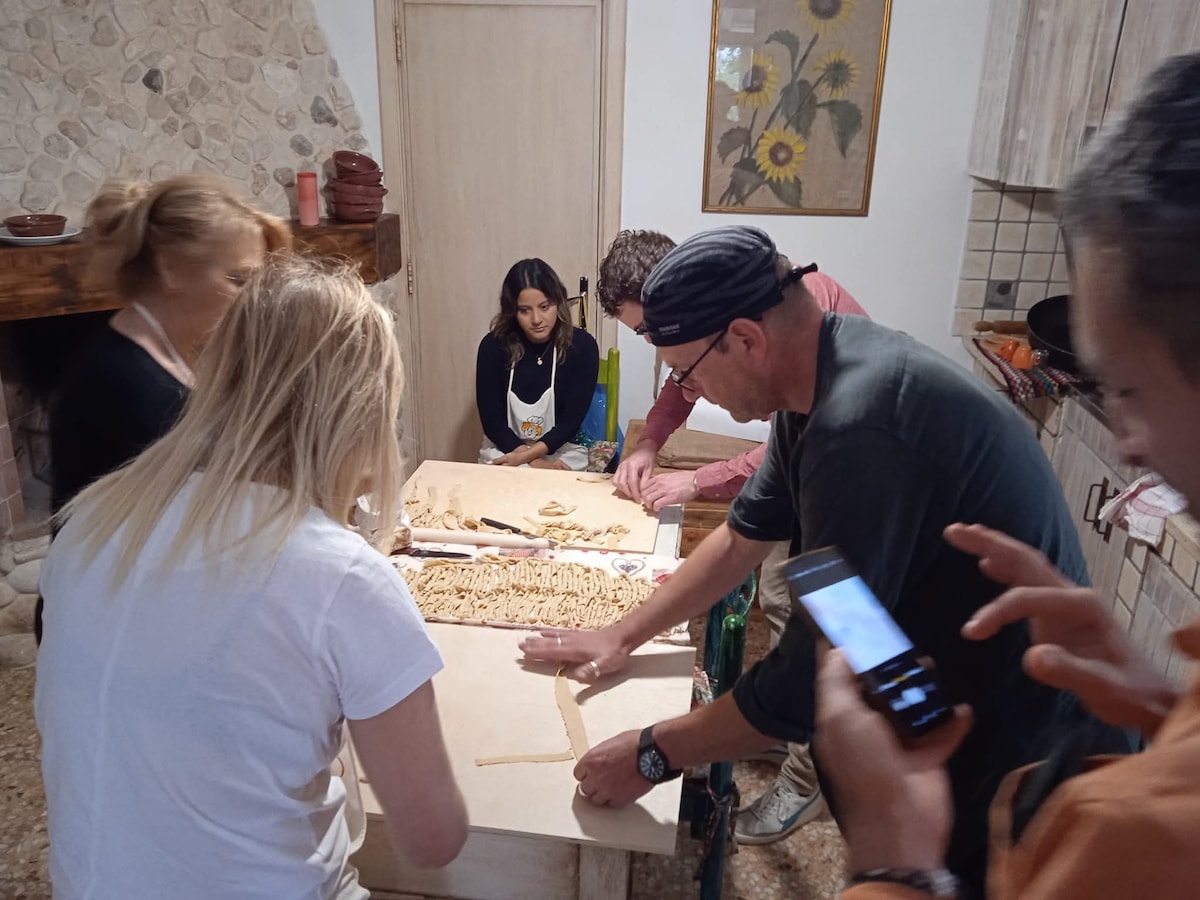
Make homemade pasta with Katia
Sun, Feb 8 • 12:00 PM
73010, Surbo, Apulia, Italy
View details

Rich tasting of Salentos wines
Tue, Feb 10 • 6:00 PM
73100, Lecce, Apulia, Italy
View details

2HANDSLecce - Cleanup Frigole
Sun, Feb 8 • 10:00 AM
Via Carlo Bergamini 73100 Lecce
View details
Nearby attractions of Roman Theater
Church of Santa Chiara
Roman Amphitheater
MUST | Museo Storico della Città di Lecce
Gate of Saint Blaise
Museo Faggiano
Campanile del Duomo
Palazzo Vernazza
Convento Dei Teatini
Castello Carlo V
Museo del teatro romano
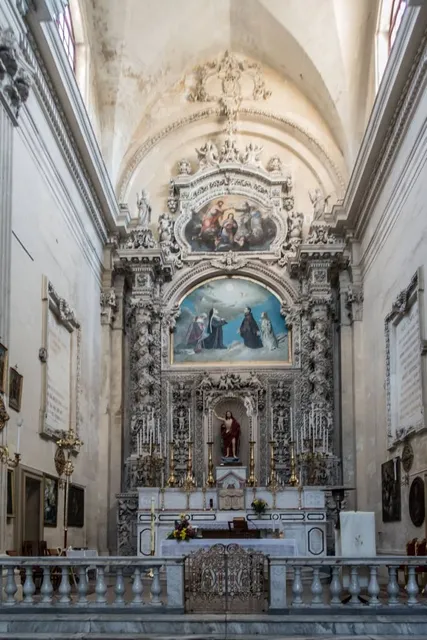
Church of Santa Chiara
4.6
(428)
Closed
Click for details
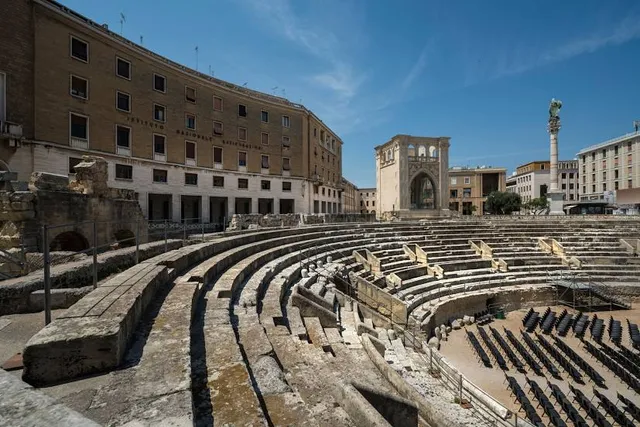
Roman Amphitheater
4.6
(2.9K)
Open until 12:00 AM
Click for details
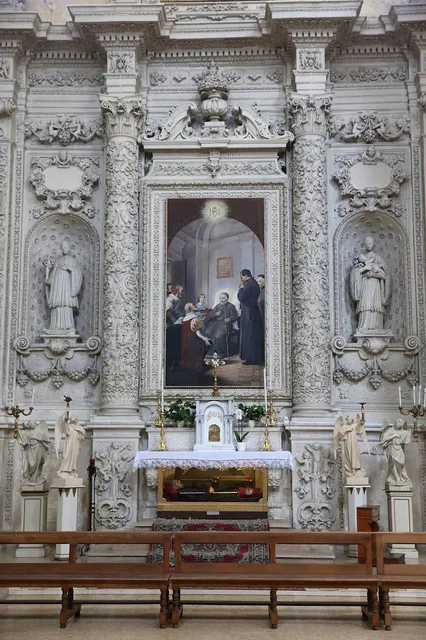
MUST | Museo Storico della Città di Lecce
4.2
(212)
Closed
Click for details
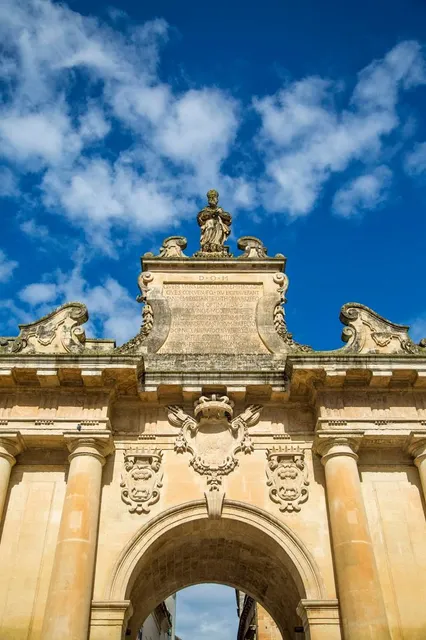
Gate of Saint Blaise
4.6
(2.5K)
Open until 12:00 AM
Click for details
Nearby restaurants of Roman Theater
00 Doppiozero
Moro
La Torre di Merlino
Alibi Creative Club
Tabisca "il Vico dei Tagliati"
Quanto Basta
IL PIZZICOTTO
Trattoria Nonna Tetti
Mezzo Quinto
Volo Restaurant
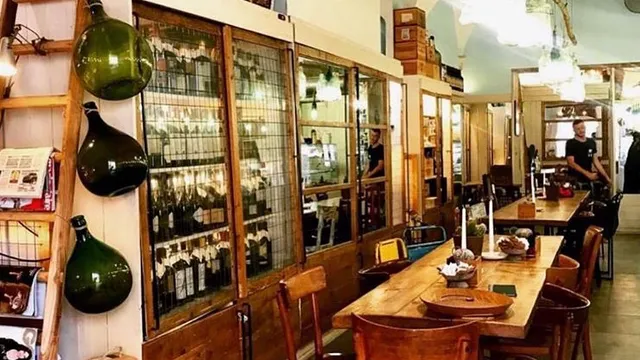
00 Doppiozero
4.0
(1.0K)
Closed
Click for details
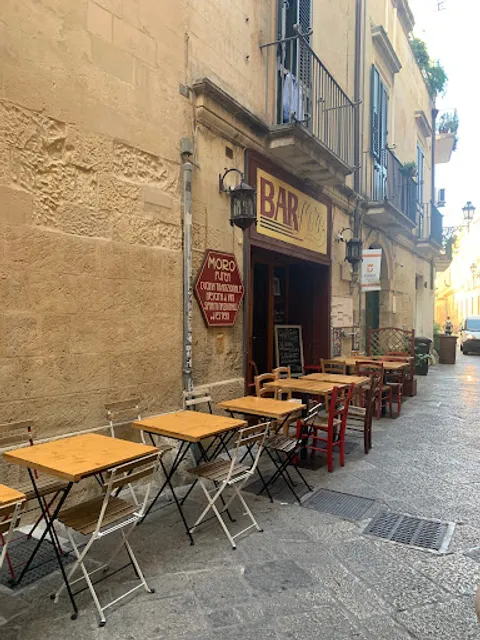
Moro
4.3
(518)
Open until 12:00 AM
Click for details
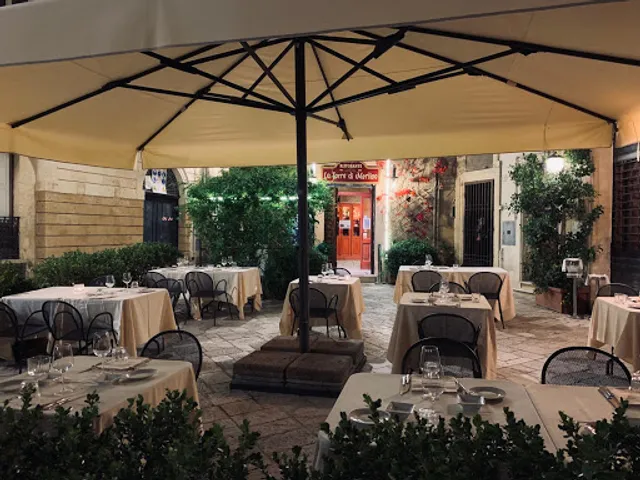
La Torre di Merlino
4.2
(436)
Closed
Click for details
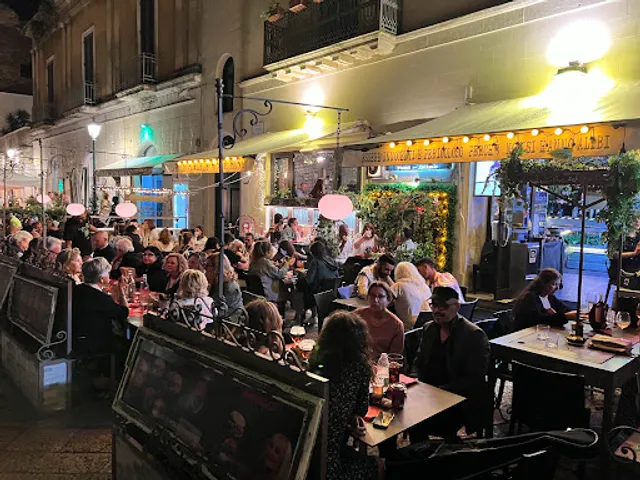
Alibi Creative Club
4.0
(836)
Open until 12:00 AM
Click for details
Nearby local services of Roman Theater
Catedral de la Asunción de Santa María
Théâtre Romain
Libreria Liberrima
Colonna di Sant'Oronzo
Church of Saint Matthew
Le Meraviglie della Pietra
Feltrinelli Librerie
SALENTINAMENTE LECCE OUTLET TRENDY
Church of Saint Irene
Rocca 1794 - Rivenditore autorizzato Rolex
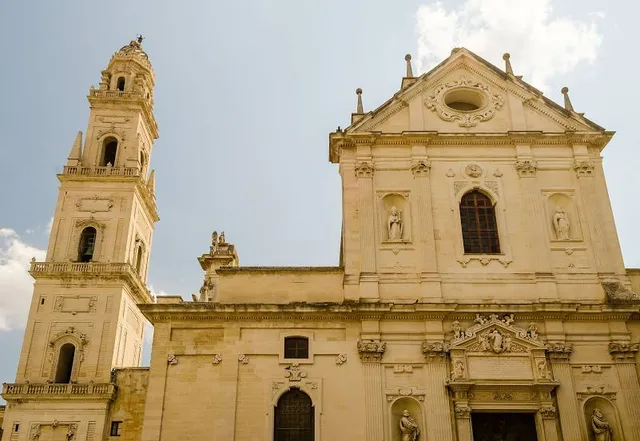
Catedral de la Asunción de Santa María
4.6
(2.9K)
Click for details
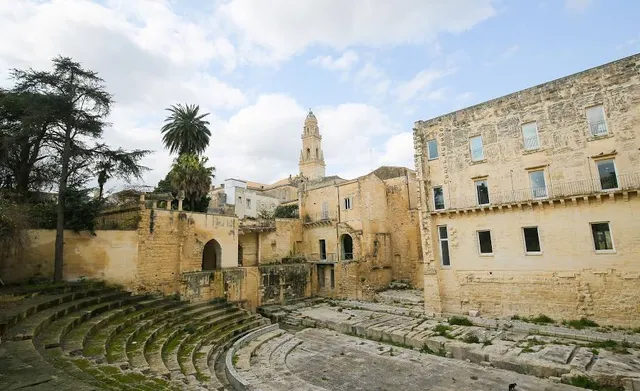
Théâtre Romain
4.5
(350)
Click for details
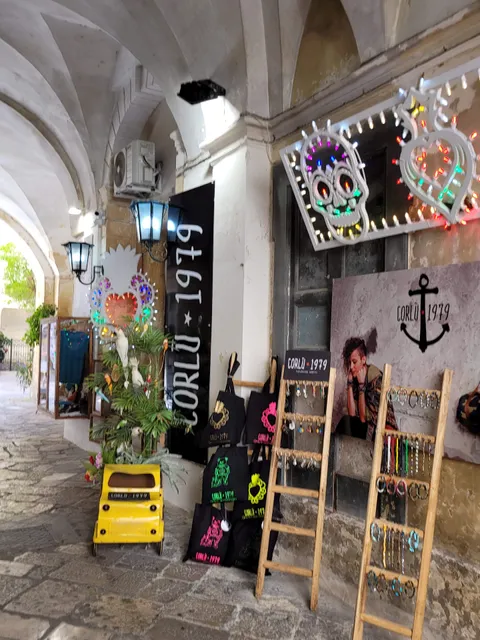
Libreria Liberrima
4.6
(720)
Click for details
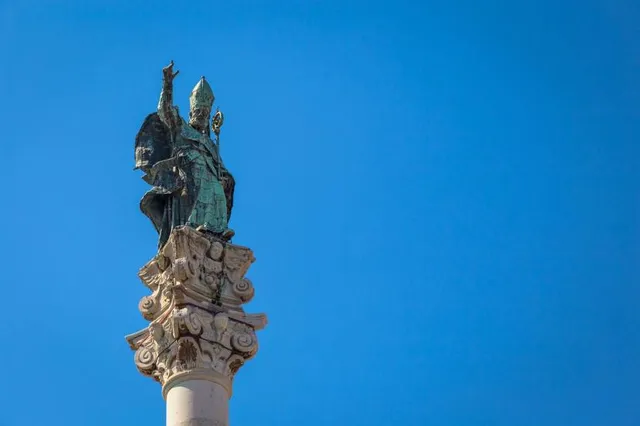
Colonna di Sant'Oronzo
4.7
(2.8K)
Click for details