Sankō-in things to do, attractions, restaurants, events info and trip planning
Basic Info
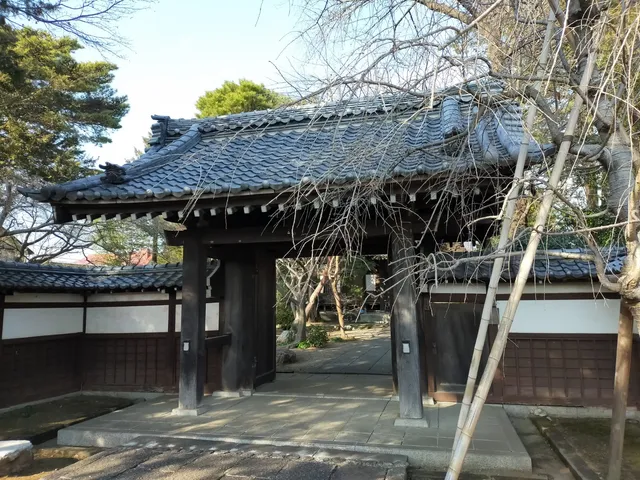
Sankō-in
3 Chome-1-36 Honcho, Koganei, Tokyo 184-0004, Japan
4.6(52)
Closed
Save
spot
spot
Ratings & Description
Info
Cultural
Relaxation
Family friendly
Off the beaten path
attractions: Yokuonkan Park, Edo-Tokyo Open Air Architectural Museum, Koganei Park Steam Locomotive Exhibition Center, Yaegaki Inari Shrine, Cherry Blossom Garden, restaurants: Au bord de leau, Chanko Koganefuji, ROCK'N KITCHEN Aitaiya, Houjuntei, Aoi Tuki to Neko, Ramen Men-no-uta, Napoli Pizza, Nana-fuku, Sri Ganesha, Denny's, local businesses: Musashi-Koganei Station
 Learn more insights from Wanderboat AI.
Phone
+81 42-381-1116
Website
sankouin.com
Open hoursSee all hours
Sat11:45 AM - 3 PMClosed
Plan your stay

Pet-friendly Hotels in Tokyo
Find a cozy hotel nearby and make it a full experience.

Affordable Hotels in Tokyo
Find a cozy hotel nearby and make it a full experience.

The Coolest Hotels You Haven't Heard Of (Yet)
Find a cozy hotel nearby and make it a full experience.

Trending Stays Worth the Hype in Tokyo
Find a cozy hotel nearby and make it a full experience.
Reviews
Live events
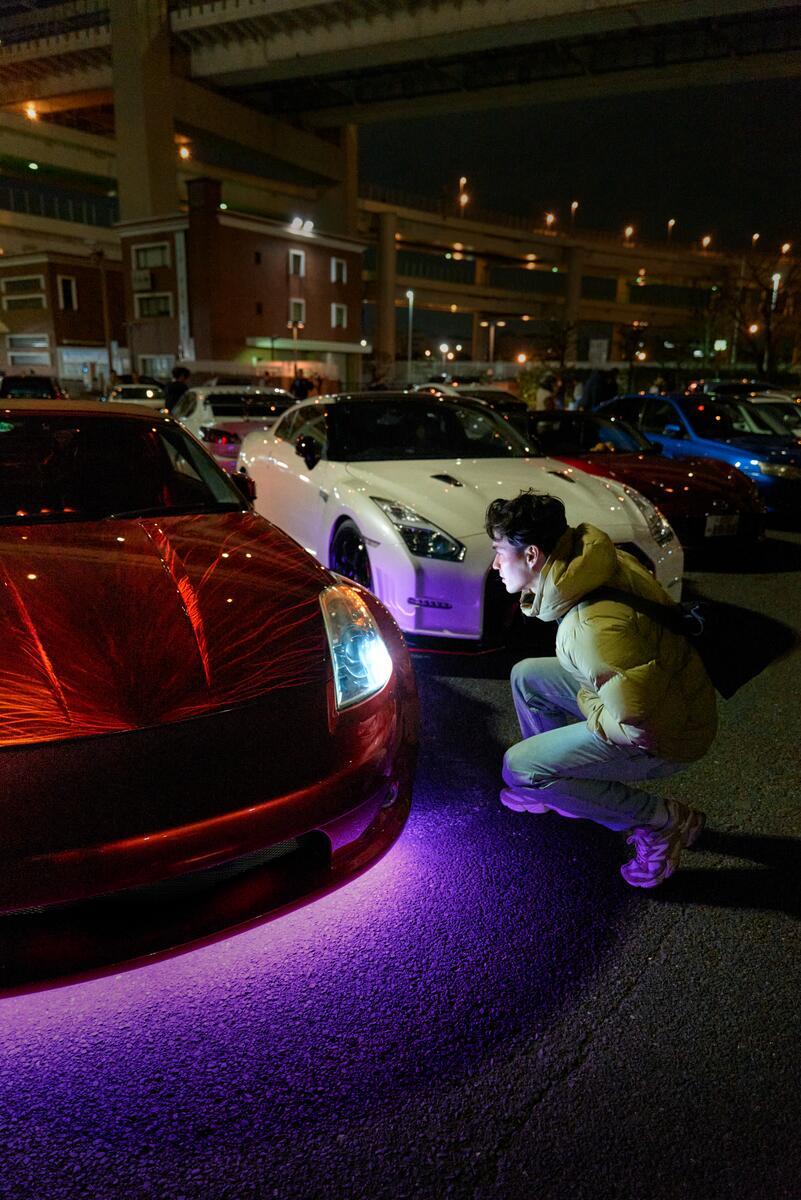
Drive Tokyo’s car culture in a Nissan Skyline
Fri, Feb 13 • 9:15 PM
150-0047, Tokyo Prefecture, Shibuya, Japan
View details
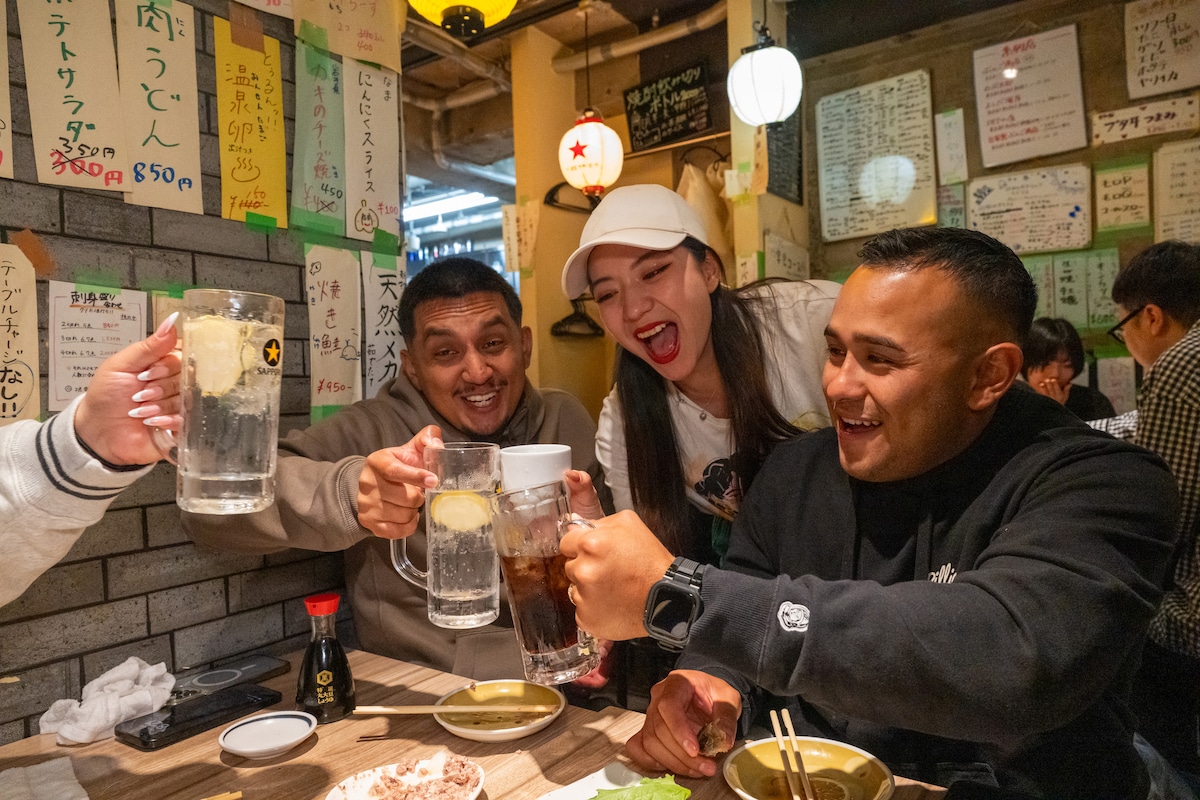
Unlimited Local Night《ALL-Y-Can-DRINK》Shinjuku Gem
Sun, Feb 15 • 7:15 PM
160-0022, Tokyo Prefecture, Shinjuku City, Japan
View details

GorpGirls Tokyo - Valentines Day Run
Sat, Feb 14 • 8:30 AM
1-1 Komazawakoen Setagaya-ku, Tokyo 154-0013
View details
Nearby attractions of Sankō-in
Yokuonkan Park
Edo-Tokyo Open Air Architectural Museum
Koganei Park Steam Locomotive Exhibition Center
Yaegaki Inari Shrine
Cherry Blossom Garden
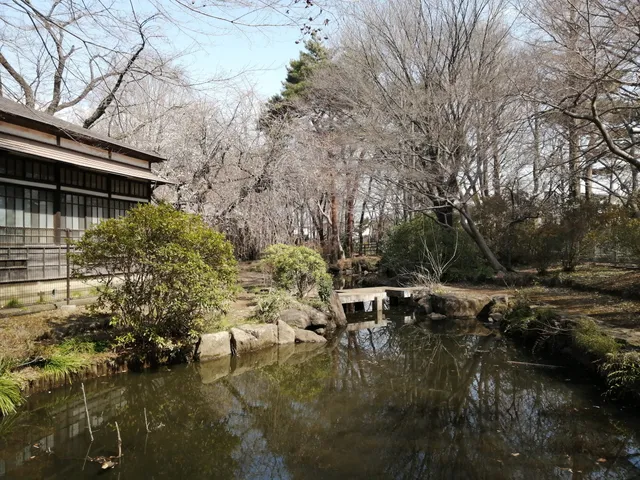
Yokuonkan Park
4.0
(93)
Open until 12:00 AM
Click for details
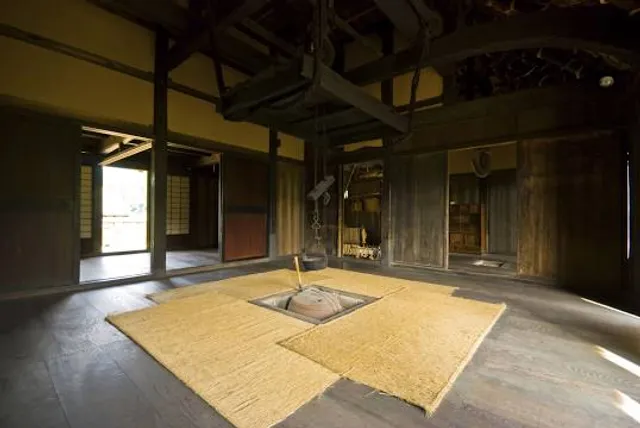
Edo-Tokyo Open Air Architectural Museum
4.5
(2.4K)
Closed
Click for details
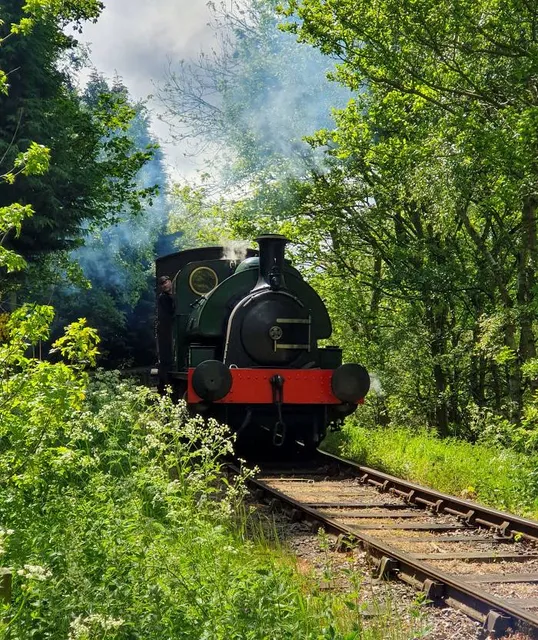
Koganei Park Steam Locomotive Exhibition Center
4.0
(134)
Open until 12:00 AM
Click for details
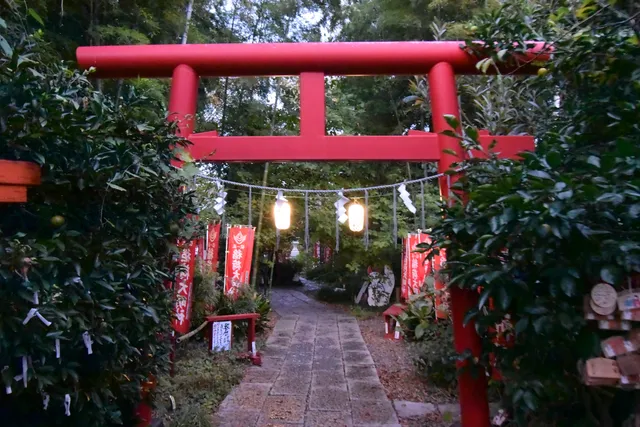
Yaegaki Inari Shrine
4.1
(86)
Open until 12:00 AM
Click for details
Nearby restaurants of Sankō-in
Au bord de leau
Chanko Koganefuji
ROCK'N KITCHEN Aitaiya
Houjuntei
Aoi Tuki to Neko
Ramen Men-no-uta
Napoli Pizza
Nana-fuku
Sri Ganesha
Denny's
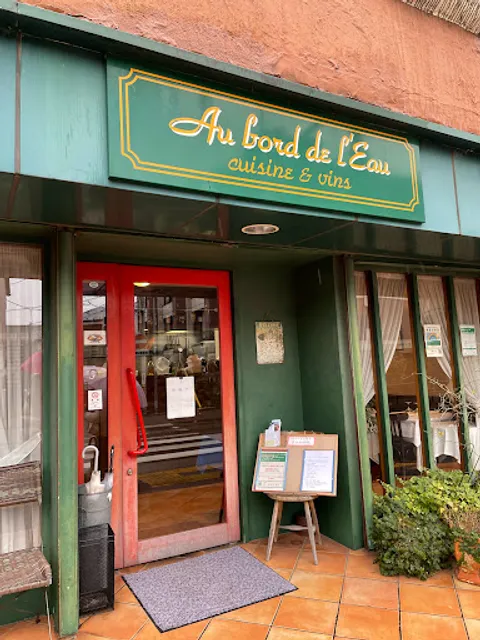
Au bord de leau
4.3
(41)
Closed
Click for details
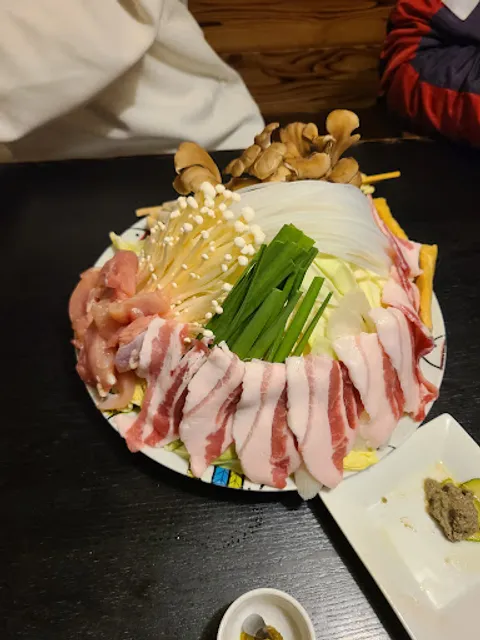
Chanko Koganefuji
4.3
(16)
Closed
Click for details
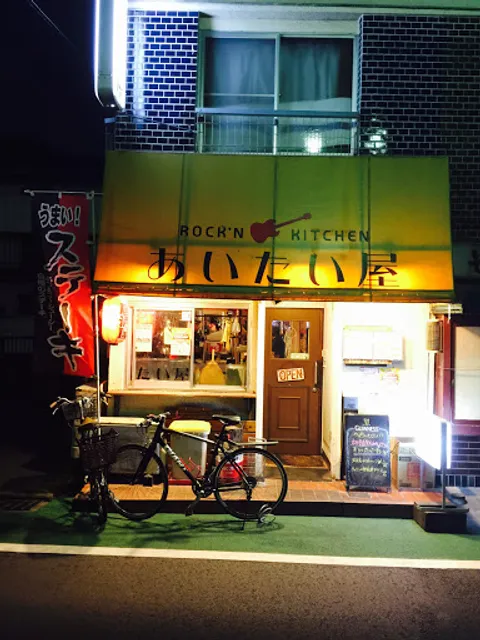
ROCK'N KITCHEN Aitaiya
4.2
(87)
Closed
Click for details
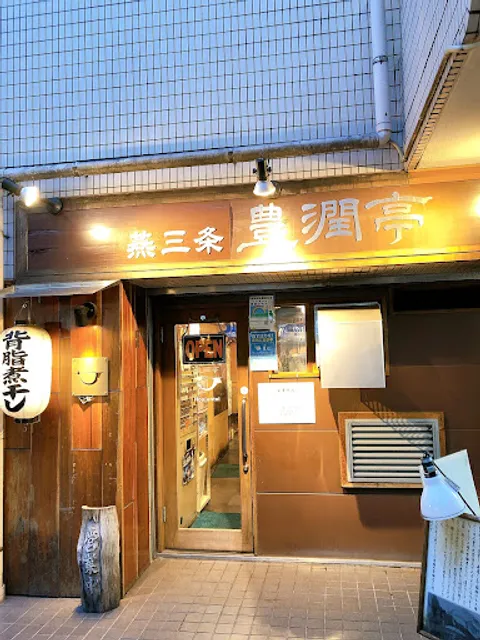
Houjuntei
3.9
(389)
Closed
Click for details
Nearby local services of Sankō-in
Musashi-Koganei Station
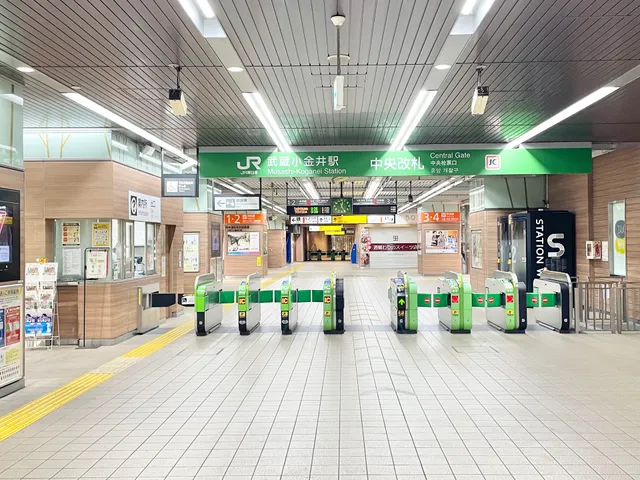
Musashi-Koganei Station
3.8
(314)
Click for details