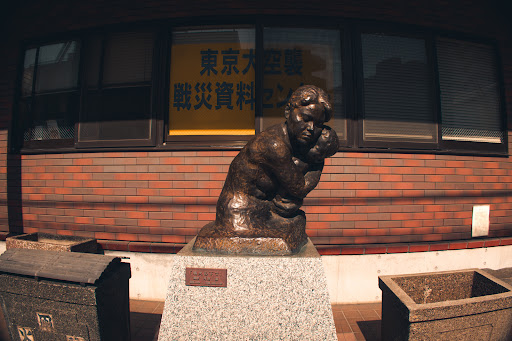
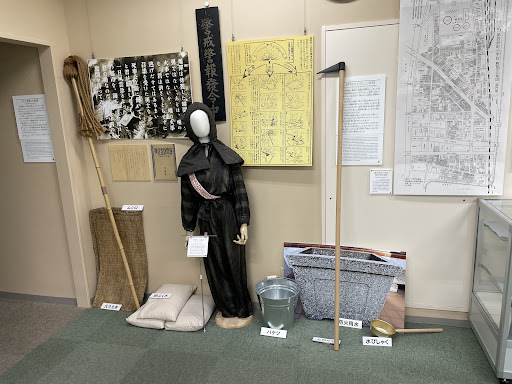
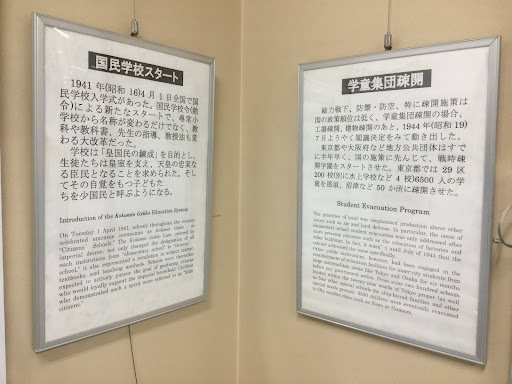
The Center for the Tokyo Raids and War Damage things to do, attractions, restaurants, events info and trip planning
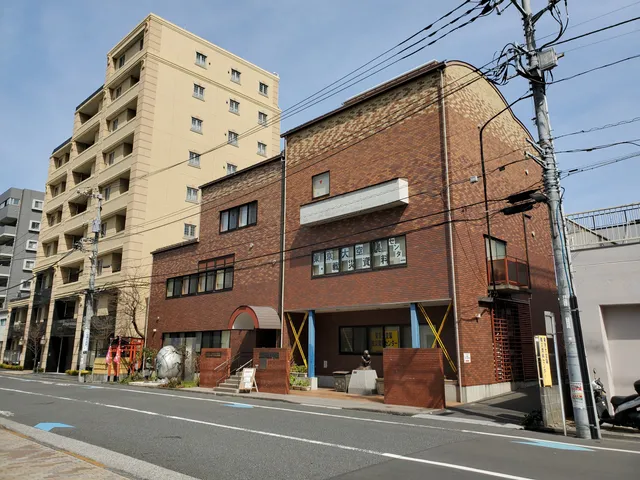
Basic Info
The Center for the Tokyo Raids and War Damage
1 Chome-5-4 Kitasuna, Koto City, Tokyo 136-0073, Japan
4.2(181)
Open until 4:00 PM
Save
spot
spot
Ratings & Description
Info
The Center of the Tokyo Raids and War Damage is a museum in Tokyo, Japan that presents information and artifacts related to the bombing of Tokyo during World War II. The museum opened in 2002 and was renovated in 2005, the 60th anniversary of the bombings.
Cultural
Accessibility
attractions: Mishima-bashi Park, 和船友の会, 水上アスレチックス, Yokojukken-gawa Shinsui Park, Myokyuji, Yokojukken-gawa Waterside Park Boat House, Sennan Park, Sunamachi Ginza Shopping District, Sarue Park, Sunamachi Ginza Shopping Street Promotion Union, restaurants: New Ramen Shop Ogibashi, 回転寿司みさき アリオ北砂店, Ueshima Coffee House - Ario Kitasuna, Gyoza no Ohsho - Ario Kitasuna, Starbucks Coffee - Ario Kitasuna, HEART BREAD ANTIQUE Ario Kitasuna, Sunamachi Coffee, チャーハン達人 アリオ北砂店, Gokoku Kitasuna, Menya Baraichi, local businesses: Kitasuna LOFT, Murasaki Sports Ario Kitasuna, TOKYO孫雪卓球場, Onagi River, Shinobu Sonku Shrine, Uka Hachiman-gu Shrine, Fish and Bird, Sarue Shrine, Hair Salon Cut One, Masuei Shoten
 Learn more insights from Wanderboat AI.
Phone
+81 3-5857-5631
Website
tokyo-sensai.net
Open hoursSee all hours
Wed10:30 AM - 4 PMOpen
Plan your stay

Pet-friendly Hotels in Tokyo
Find a cozy hotel nearby and make it a full experience.

Affordable Hotels in Tokyo
Find a cozy hotel nearby and make it a full experience.

The Coolest Hotels You Haven't Heard Of (Yet)
Find a cozy hotel nearby and make it a full experience.

Trending Stays Worth the Hype in Tokyo
Find a cozy hotel nearby and make it a full experience.
Reviews
Live events
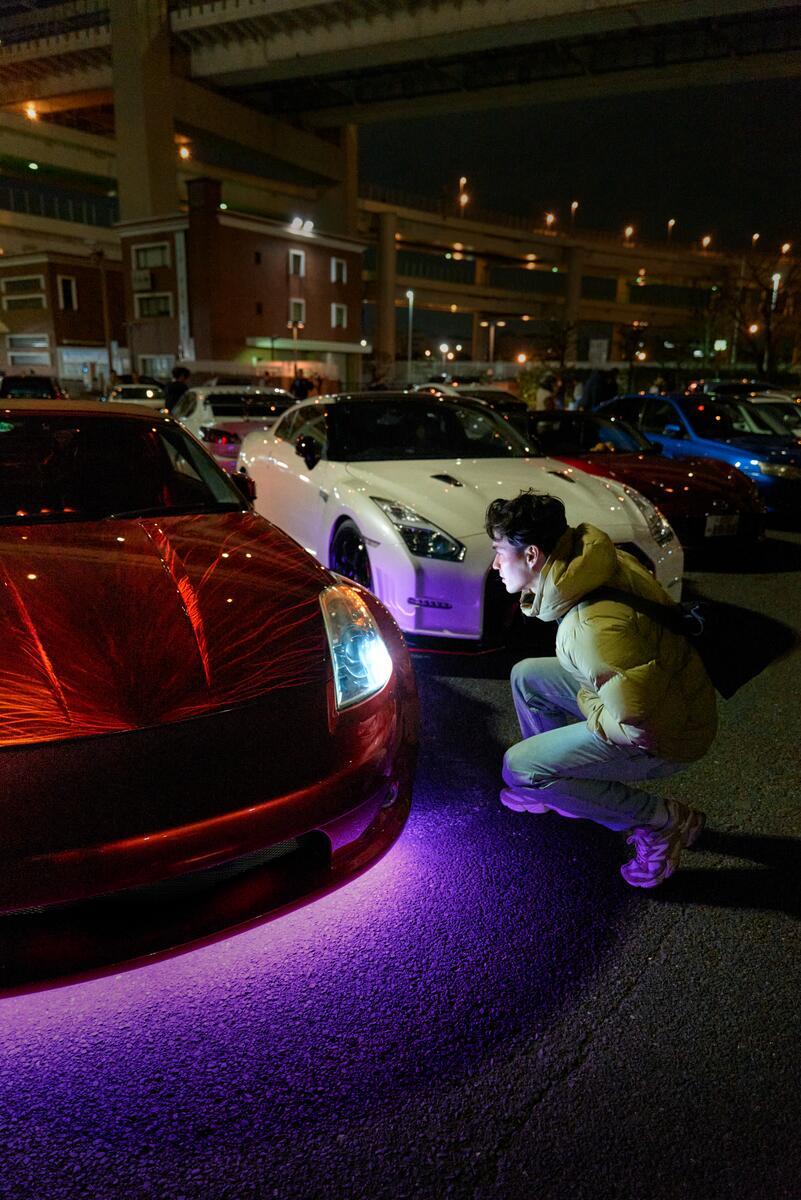
Drive Tokyo’s car culture in a Nissan Skyline
Wed, Feb 18 • 8:30 PM
150-0047, Tokyo Prefecture, Shibuya, Japan
View details
TYFFONIUM 新宿:コリドール
Wed, Feb 18 • 3:10 PM
東京都新宿区西新宿2-2-1 京王プラザホテル 南館2F (2-chōme-2-1 Nishishinjuku, Shinjuku City), 160-8330
View details
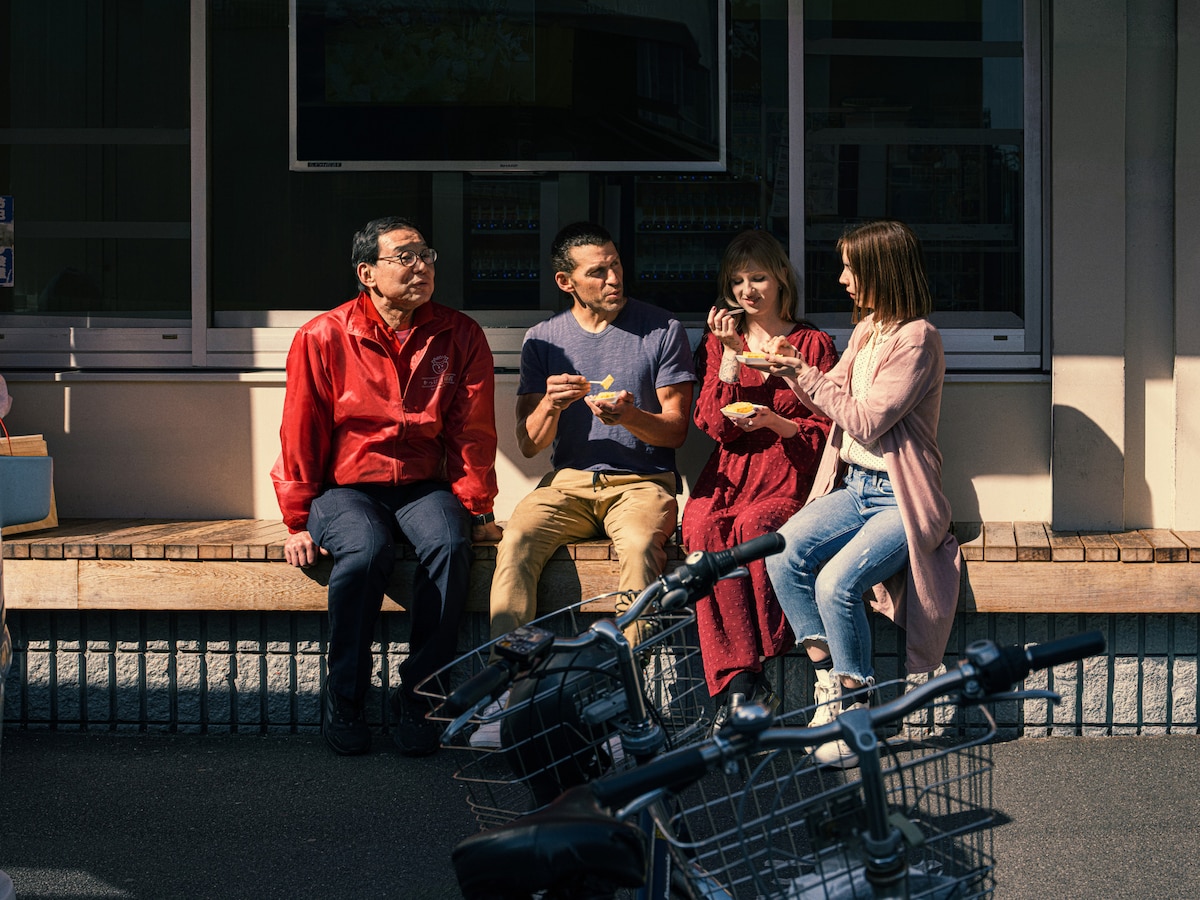
Toshi Experience World’s largest fish market tour
Fri, Feb 20 • 5:00 AM
135-0061, Tokyo Prefecture, Koto City, Japan
View details
Nearby attractions of The Center for the Tokyo Raids and War Damage
Mishima-bashi Park
和船友の会
水上アスレチックス
Yokojukken-gawa Shinsui Park
Myokyuji
Yokojukken-gawa Waterside Park Boat House
Sennan Park
Sunamachi Ginza Shopping District
Sarue Park
Sunamachi Ginza Shopping Street Promotion Union
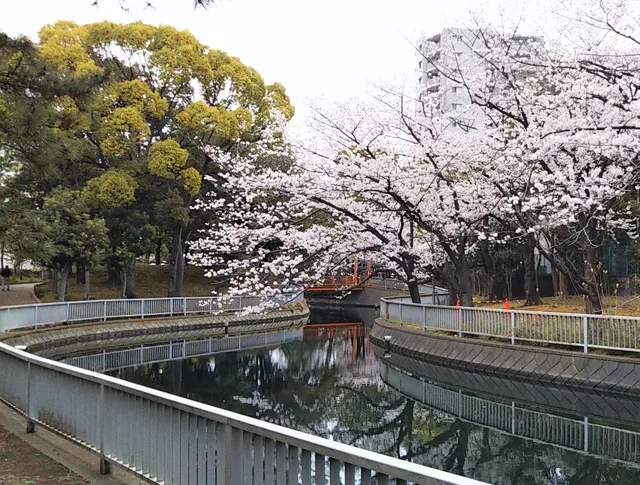
Mishima-bashi Park
3.6
(28)
Open until 12:00 AM
Click for details
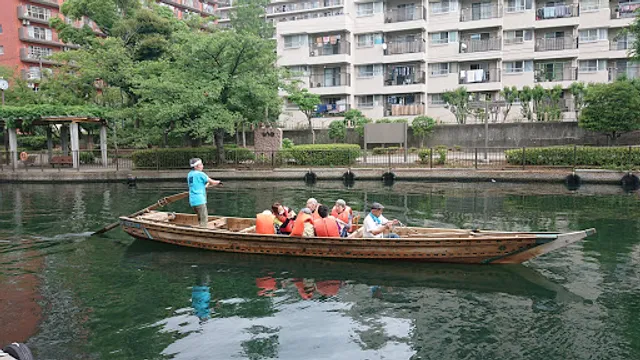
和船友の会
4.9
(9)
Open until 12:00 AM
Click for details
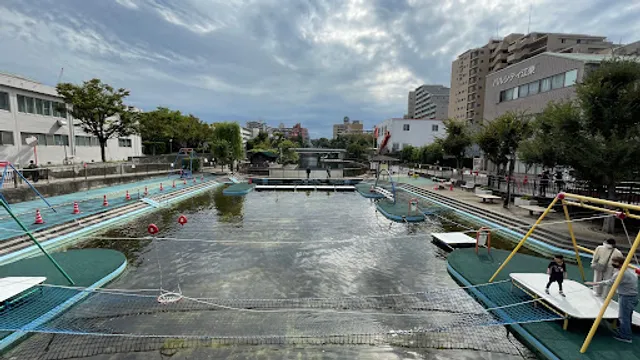
水上アスレチックス
4.0
(8)
Open 24 hours
Click for details
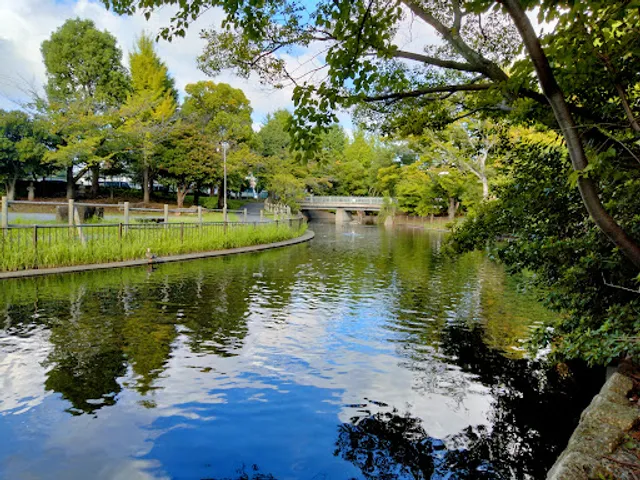
Yokojukken-gawa Shinsui Park
4.1
(239)
Open until 12:00 AM
Click for details
Nearby restaurants of The Center for the Tokyo Raids and War Damage
New Ramen Shop Ogibashi
回転寿司みさき アリオ北砂店
Ueshima Coffee House - Ario Kitasuna
Gyoza no Ohsho - Ario Kitasuna
Starbucks Coffee - Ario Kitasuna
HEART BREAD ANTIQUE Ario Kitasuna
Sunamachi Coffee
チャーハン達人 アリオ北砂店
Gokoku Kitasuna
Menya Baraichi
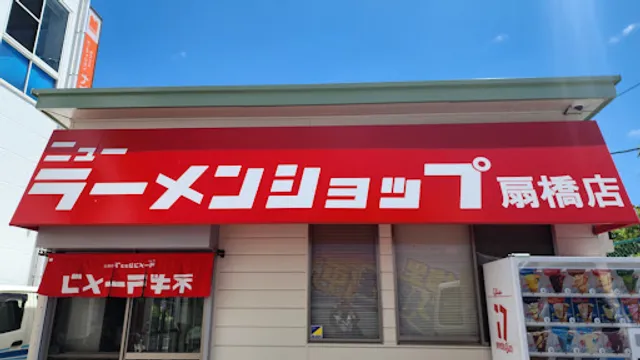
New Ramen Shop Ogibashi
3.8
(147)
Open until 12:00 AM
Click for details
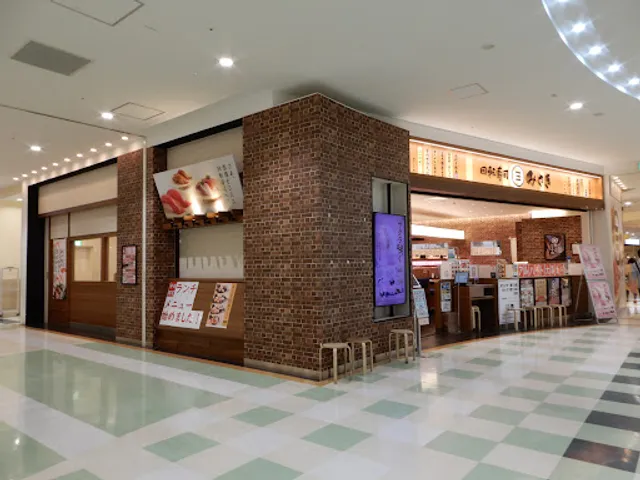
回転寿司みさき アリオ北砂店
3.2
(263)
Open until 10:00 PM
Click for details
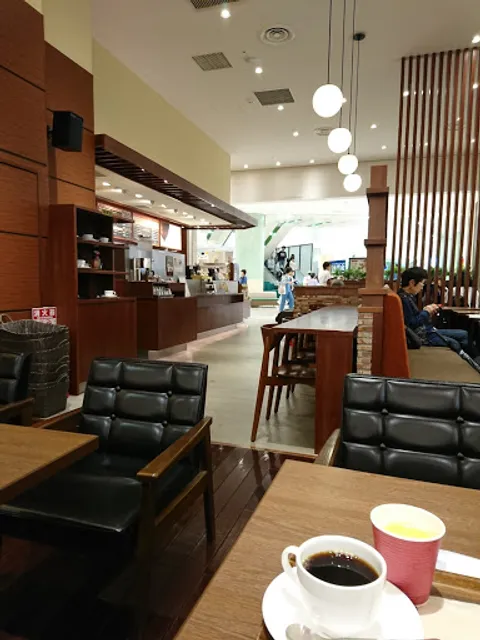
Ueshima Coffee House - Ario Kitasuna
3.7
(178)
Open until 10:00 PM
Click for details
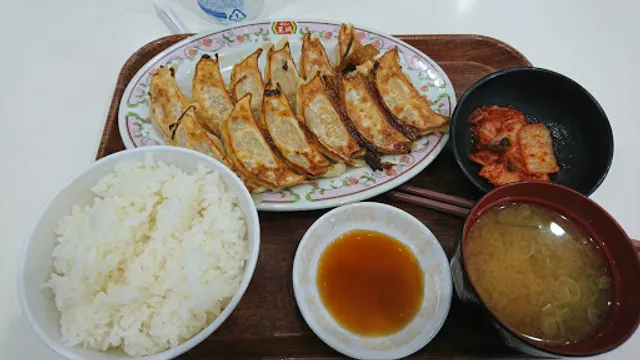
Gyoza no Ohsho - Ario Kitasuna
3.3
(203)
Open until 10:00 PM
Click for details
Nearby local services of The Center for the Tokyo Raids and War Damage
Kitasuna LOFT
Murasaki Sports Ario Kitasuna
TOKYO孫雪卓球場
Onagi River
Shinobu Sonku Shrine
Uka Hachiman-gu Shrine
Fish and Bird
Sarue Shrine
Hair Salon Cut One
Masuei Shoten
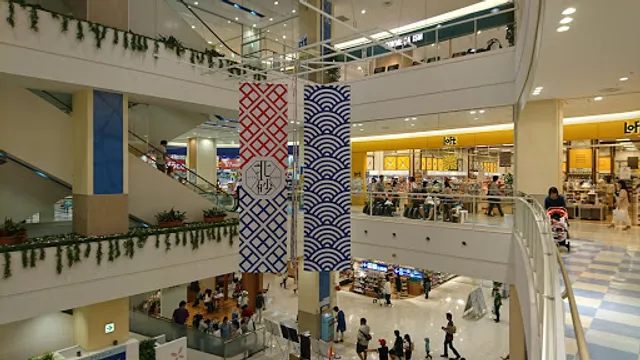
Kitasuna LOFT
3.6
(227)
Click for details
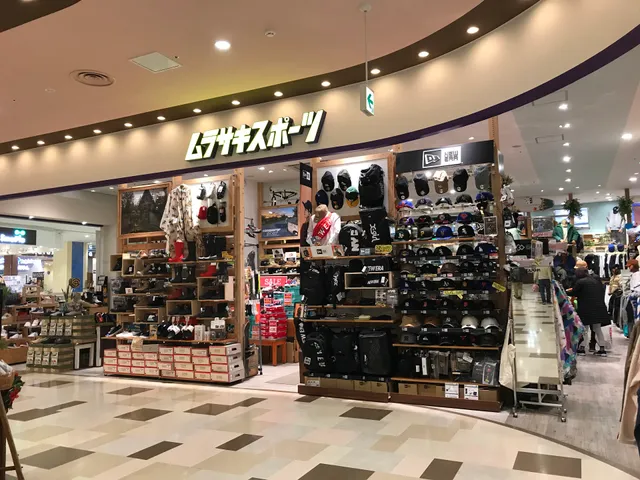
Murasaki Sports Ario Kitasuna
3.4
(59)
Click for details
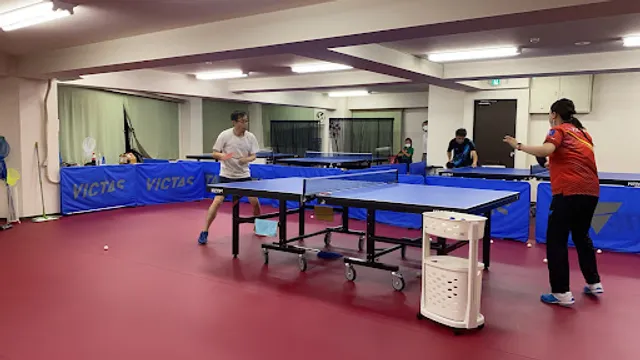
TOKYO孫雪卓球場
4.0
(9)
Click for details
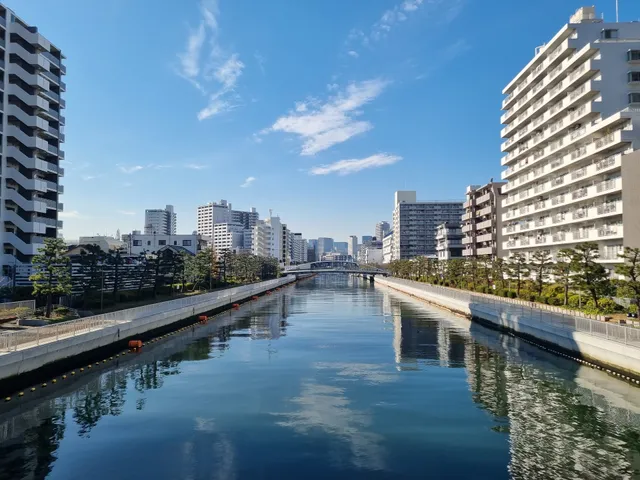
Onagi River
3.7
(13)
Click for details