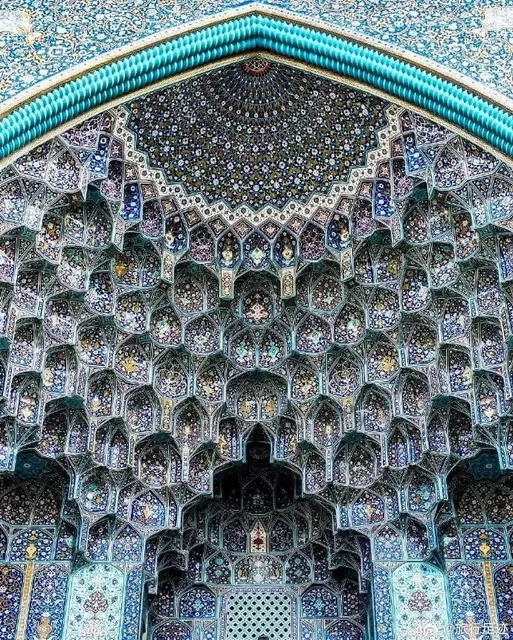
After seven years of construction and over $1 billion in expenses, a new mosque in Algeria is set to break new global records.
The Great Mosque of Algiers, or Djamaa El Djazair, sits on an area of 400,000 square meters and has a 265 meter (870 feet) minaret that houses observation decks. The compound’s domed sanctuary and outside courtyard overlooking the Bay of Algiers can house up to 120,000 worshippers and has an underground parking space with a capacity of 7,000 cars.
The mosque’s complex includes a Koranic school, a library, a restaurant, an amphitheater, along with a research center dedicated to the history of Algeria.
With its completion, the mosque will now be the world’s third biggest by area and the largest in Africa. The two largest mosques are The Sacred Mosque of Mecca and the Prophet’s Mosque in Medina: both considered the holiest sites in Islam and accustomed by millions of Muslim worshippers and pilgrims every year.
The Algiers mosque also takes the lead as having Africa’s tallest minaret, relegating the 670-feet tower of the Hassan II Mosque in Casablanca, Morocco to a second place.
The Algiers mosque constitutes a new feat for the China State Construction Engineering Corporation (CSCEC), a huge multinational that is involved in building heavy industry and infrastructure in Africa and across the world. The company won the bid for the project of the Great Mosque in 2011, considered at the time among the largest of its overseas projects.
However, following the global slump in oil prices, the mosque faced a budget crisis that precipitated delays in construction.
The decision to build Africa’s largest mosque is an interesting choice for a Muslim-majority nation that has for years struggled with an Islamist insurgency. After the government canceled the 1992 elections where Islamists appeared to win, that triggered a civil insurgency that led to the death of 200,000 people.
By building this large religious center, some observers have noted that it’s a way to supplant extremist ideologies and co-opt clerics who might foment anti-government opposition. Others have also seen it as a symbol of the North African state’s turn towards Islamification and religious intolerance.
The project might also have presented a moral quandary for the Chinese state-backed CSCEC. Over the past year, Beijing has been accused of marginalizing, detaining, and tracking its own Uyghur Muslim minority in Xinjiang province.
Yet for all the fanfare around the Great Mosque, the man who financed the ambitious project will not be there to see it fully open. President Abdelaziz Bouteflika resigned early April amid discontent that his administration spent millions on vanity projects—including on mega structures like the Great Mosque—that diverted public money from creating employment and...
Read moreالمسجد الكبير في الجزائر العاصمة يطلق عليه كذلك اسم المسجد العتيق و المسجد جامع .1[3] هو أقدم مسجد قائم في الجزائر العاصمة ويقال أنه الأقدم في المغرب الاوسط (الجزائر) بعد مسجد سيدي عقبة بــبــسكرة و يعد إلى جانب الجامع الكبير في تلمسان و الجامع الكبير في ندرومة واحدا من الآثار القليلة المتبقية من العمارة المرابطية. يرجع تاريخ بناء الجامع الكبير إلى القرن الخامس هجري خلال امتداد حكم سلالة المرابطين للمغرب الأوسط على يد مؤسس الدولة أمير المؤمنين يوسف بن تاشفين وبالضبط في الأول من رجب عام 490 للهجرة الموافق ل 18 جوان سنة 1097 م ويعتقد أنه قد شيد على أنقاض كاتدرائية مسيحية تعود إلى العهد الروماني .فيما يعود تاريخ بناء مئذنته إلى سنة 1324 م (1332 م . يقع الجامع الكبير في الجزء الشمالي الشرقي من العاصمة في منطقة القصبة التاريخية بالقرب من الميناء , " نهج البحرية سابقا" , عن يسار غرفة التجارة في اتجاه البحر بين شارع المرابطين و شارع سعدي و مختار بن حفيظ مطلا على مدخل المدينة إلى ميناء العاصمة البحري و حسب المصادر التاريخية فقد كان محاذيا لسوق كبيرة في ذاك الوقت مما جعله قبلة المصلين ووجهة لطلبة العلوم الدينية.
اعتمد المؤرخون في تحديد تاريخ بناء الجامع الكبير بالعاصمة على الكتابة المنقوشة على منبره فأضحى بذلك مادة تاريخية لا يستهان بها . وتم اكتشاف هذا الأثر التاريخي في المسجد الكبير بالعاصمة بعد 90 سنة من الغزو الفرنسي للجزائر ، كان ذلك من باب الصدفة ، فالمنبر الذي يصعد فوقه الإمام كل يوم جمعة لإلقاء خطبة الجمعة معروف منذ القدم . ورغم تعرض المسجد لعدة هجمات للقوات الاستعمارية ارتاى معماريون فرنسيون الابقاء عليه منهم المعماري كريستوف باعادة بناء ألواح المنبر التي تآكلت ليتم تركيبها فوق هيكل حديدي متحرك، وتتضمن النقوش التي يزادن بها منبر هذا المسجد وهي مكررة ثلاث مرات بالخط الكوفي تاريخ انشائه حسب ماذكره بارقاس في مجلة الشرق الأوسط سنة 1857 كما نقلها دفولوكس في ترجمته لدراسة اعدت سابقا حول المباني الدينية بالجزائر العاصمة سنة 1870 أما كولين فقد دونها في الصفحة الأولى في مدونته التي صدرت له بالجزائر سنة 1901 لكن المثير في الأمر أنه لا أحد اهتم بموضوع النقش المعماري الذي يحمل كتابة تاريخ بناء المسجد الكبير . . وحسب نفس المصدر فان هذا المنبر لفت انتباه الأثريين و مؤرخي الفن الإسلامي محدثا ضجة وتضاربا بينهم وقد بناه يوسف بن تاشفين في الأول من رجب عام 490 للهجرة الموافق ل 18 جوان سنة 1097 م وفق نموذج العمارة الدينية المرابطية ليكون وقتئذ أكبر...
Read moreDjamaa’ El Kebir — Place des Martyrs — الجامع الكبير — 1097 — Alger
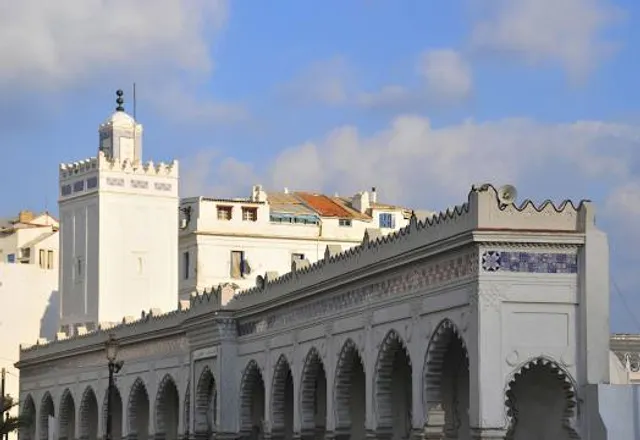
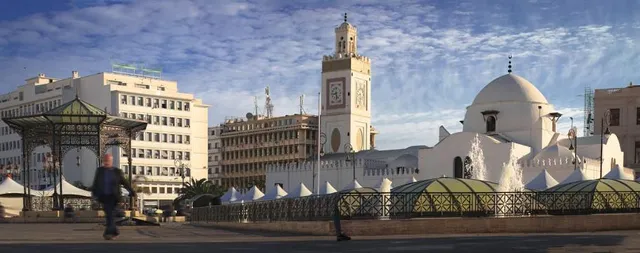
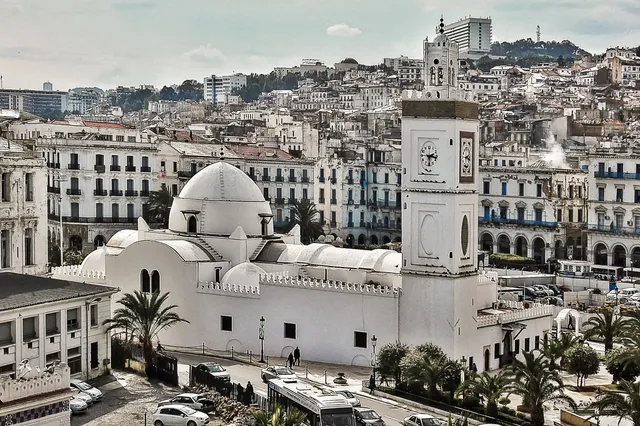
Certains confondent encore, à tort, Djamaa’ El Kebir, la plus ancienne mosquée d’Alger, avec la Grande Mosquée d’Alger (جامع الجزائر) récemment construite à Mohammadia. Erreur fréquente, amplifiée par les traductions approximatives : "El Kebir" veut dire "la grande", et cela suffit parfois à tromper les moteurs de recherche ou les plateformes d’avis. Résultat : une grande partie des photos publiées ici appartiennent en réalité à la nouvelle grande mosquée, et non à ce joyau millénaire situé en plein cœur de la Casbah.
Djamaa’ El Kebir mérite pourtant toute notre attention. Construite en 1097 par les Almoravides, elle est l’un des derniers témoignages encore debout de cette époque. Sa façade sobre cache une richesse intérieure typique de l’architecture maghrébine ancienne : piliers robustes, arches en plein cintre, plafonds en bois, et surtout ce minaret zianide ajouté en 1324 par Abû Tâshfîn, orné de céramique vernissée aux tons bleu-vert.
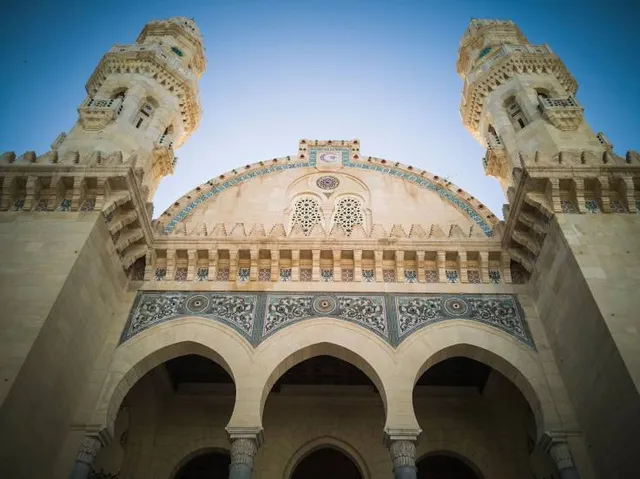
Elle fait partie de ce triangle sacré qui fondait la vie religieuse et intellectuelle d’Alger avant l’occupation française : Djamaa’ El Kebir, Djamaa’ El Djedid (mosquée de la Pêcherie) et Ketchaoua, plus tard transformée en cathédrale avant d’être rendue au culte musulman après l’indépendance.
Placée à quelques mètres de la Place des Martyrs, anciennement place du Gouvernement, la mosquée se retrouve aujourd’hui un peu étouffée entre les flots touristiques et les commerces. Pourtant, elle continue d’abriter la mémoire d’Alger. Juste à côté, l’ancien tribunal religieux malikite et le bureau du mufti, aujourd’hui désaffectés, rappellent le rôle central qu’elle jouait dans la régulation de la vie citadine.
Le lieu impressionne par sa sobriété, son authenticité, et surtout par sa résilience. Elle a survécu aux siècles, aux tremblements de terre, à la colonisation, et même à l’oubli relatif dans lequel elle est tombée à cause des grands projets modernes. Il serait temps de lui redonner la place qui lui revient dans le cœur des Algérois.
À ceux qui cherchent l’âme d’Alger, elle...
Read more