Blue Mosque things to do, attractions, restaurants, events info and trip planning
Basic Info
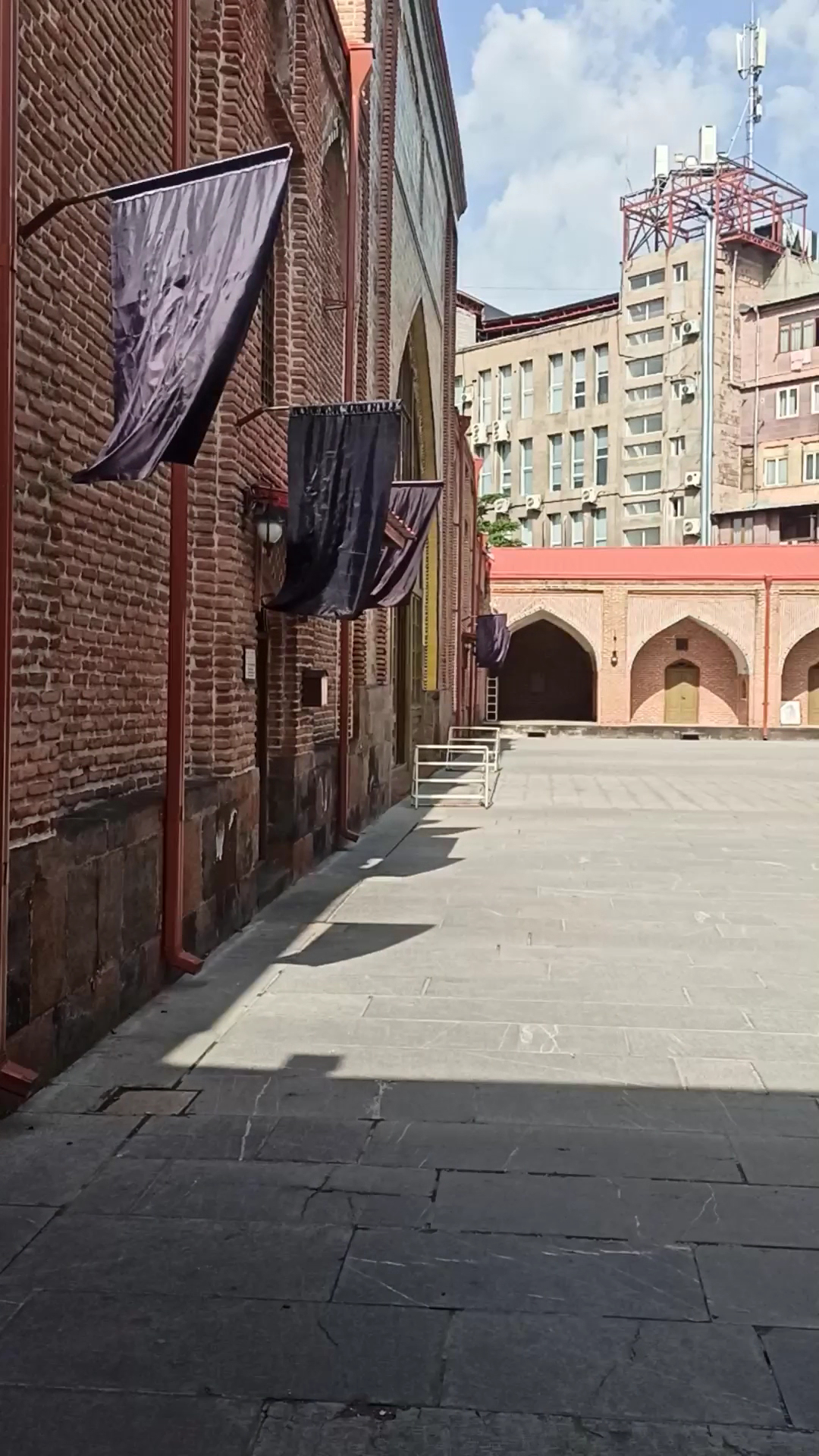
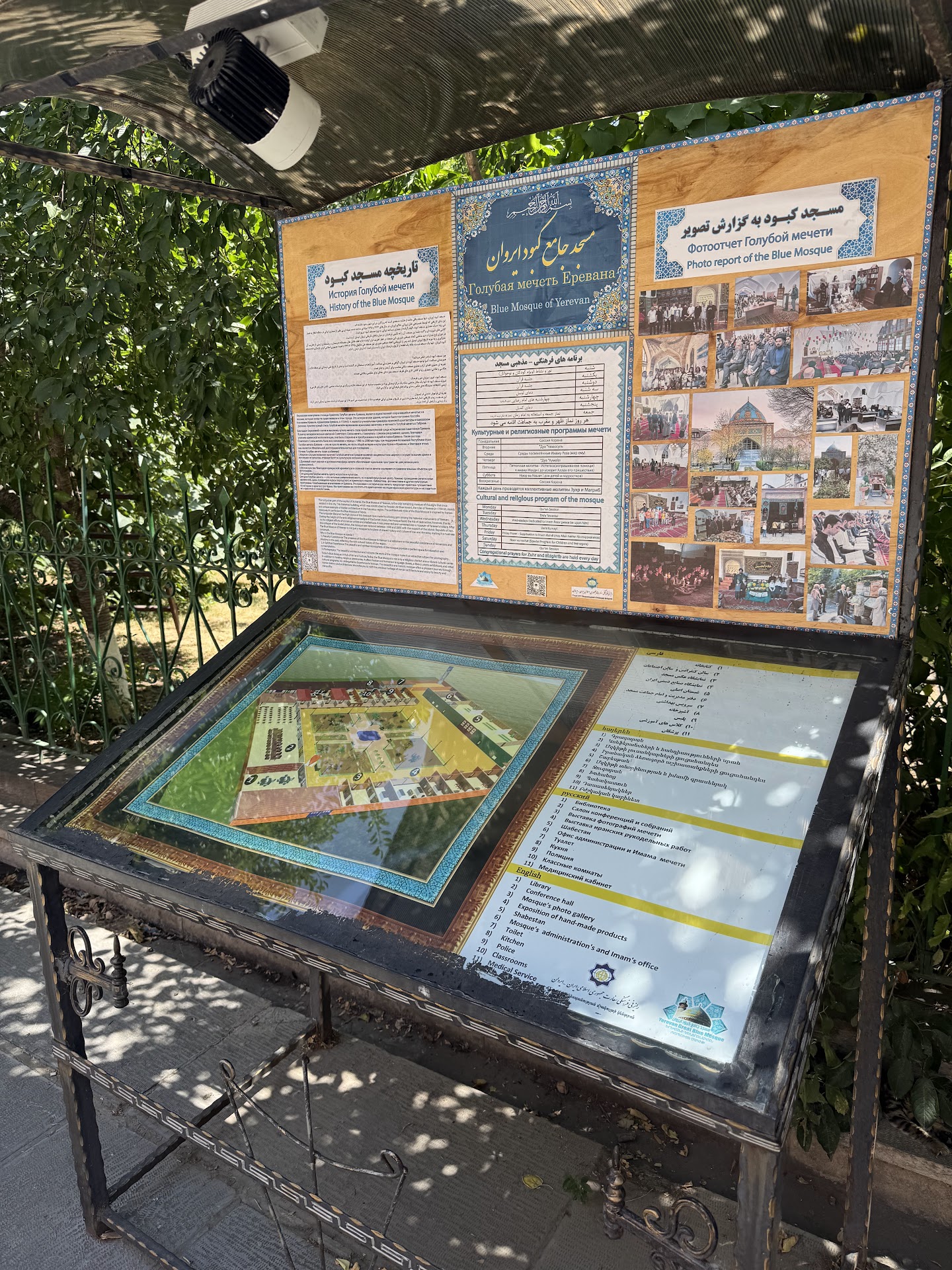
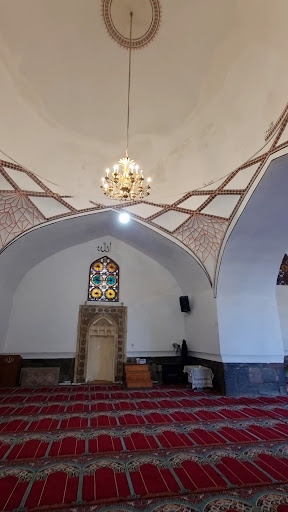
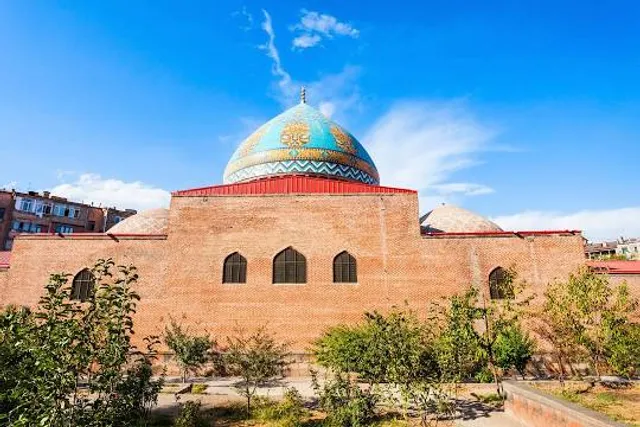
Blue Mosque
12 Mesrop Mashtots Ave, Yerevan, Armenia
4.5(794)
Closed
Save
spot
spot
Ratings & Description
Info
Cultural
Scenic
Relaxation
Accessibility
attractions: Modern Art Museum, Eduard Isabekyan Gallery, St. Sargis Vicarial Church, «HayArt» Center, Vardanians' Park, Republic Square, Sergei Paradjanov Museum, State Wood-carving Museum of Armenia, English Park, Yerevan History Museum, restaurants: Shame, Darchin Restaurant, Vani Café, Rush Pub Yerevan, Tavern Yerevan, Chayniy Domik, “Ambar Gastroshop” Jamon & Sándwich, Prospect Food Court, Sherep Restaurant, Y&E Coffee, local businesses: Grand Candy, Indoor Market, Haleb Store, Mr. Hookah, Peach for Spice & Dried Fruit, Wood-carving museum, Garmin Armenia, Noyan Tun, Yerevan Plaza Business Center, Republic Square
 Learn more insights from Wanderboat AI.
Phone
+374 10 522193
Open hoursSee all hours
Thu10 AM - 1 PM, 3 - 6 PMClosed
Plan your stay

Pet-friendly Hotels in Yerevan
Find a cozy hotel nearby and make it a full experience.

Affordable Hotels in Yerevan
Find a cozy hotel nearby and make it a full experience.

The Coolest Hotels You Haven't Heard Of (Yet)
Find a cozy hotel nearby and make it a full experience.

Trending Stays Worth the Hype in Yerevan
Find a cozy hotel nearby and make it a full experience.
Reviews
Live events
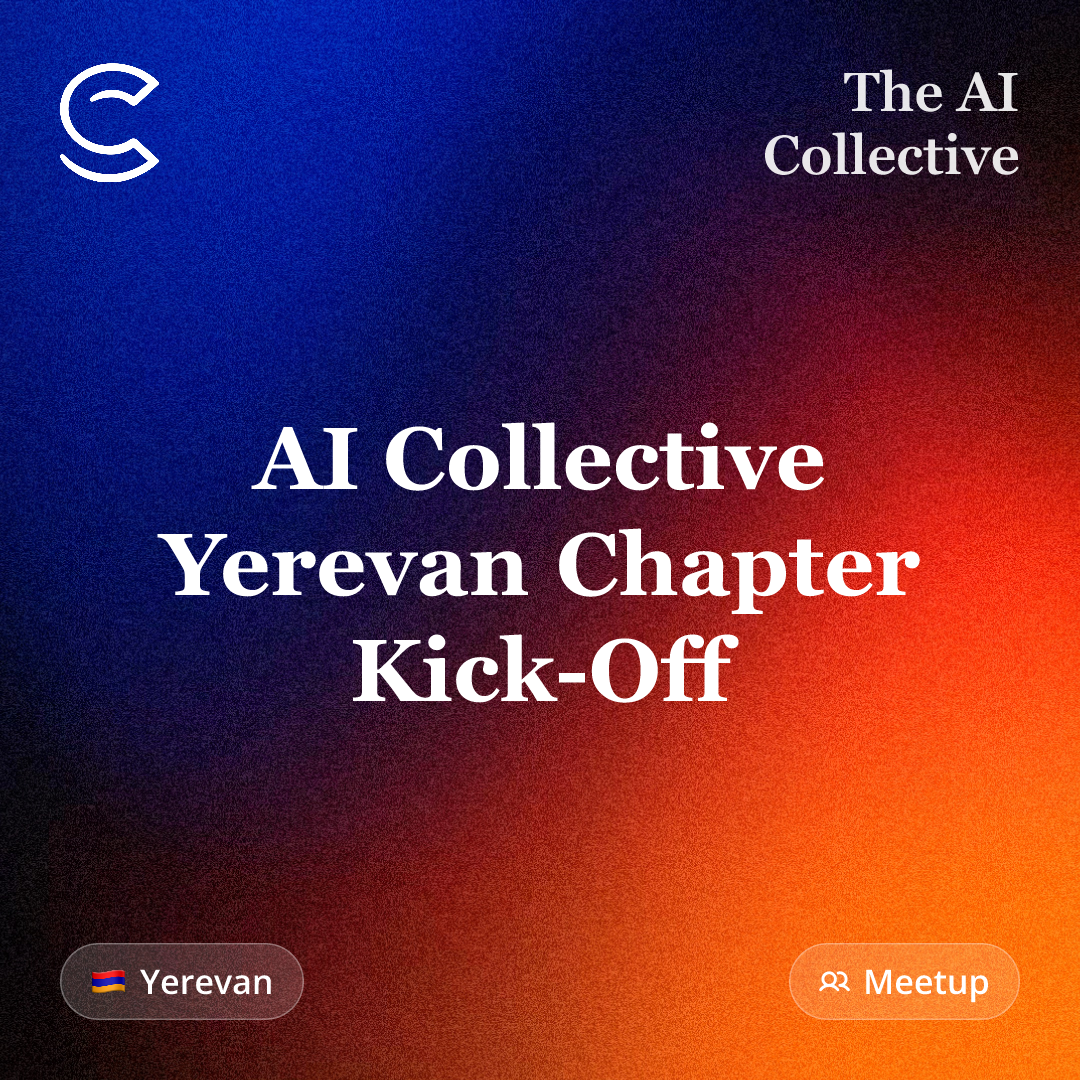
AI Collective Yerevan Chapter Kick-Off (w/ The AI Collective)
Fri, Feb 27 • 6:00 AM
Yerevan, Yerevan
View details
Nearby attractions of Blue Mosque
Modern Art Museum
Eduard Isabekyan Gallery
St. Sargis Vicarial Church
«HayArt» Center
Vardanians' Park
Republic Square
Sergei Paradjanov Museum
State Wood-carving Museum of Armenia
English Park
Yerevan History Museum
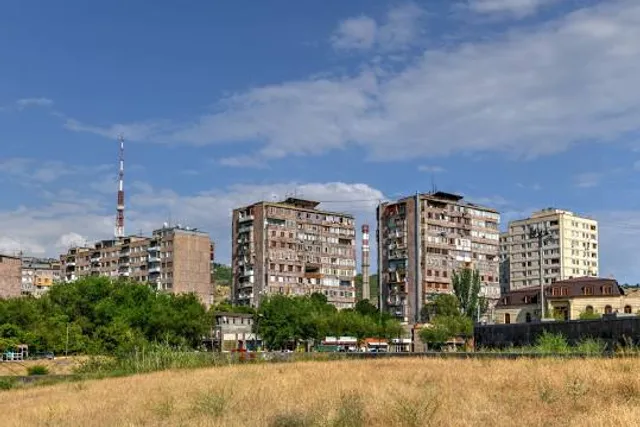
Modern Art Museum
4.6
(215)
Closed
Click for details
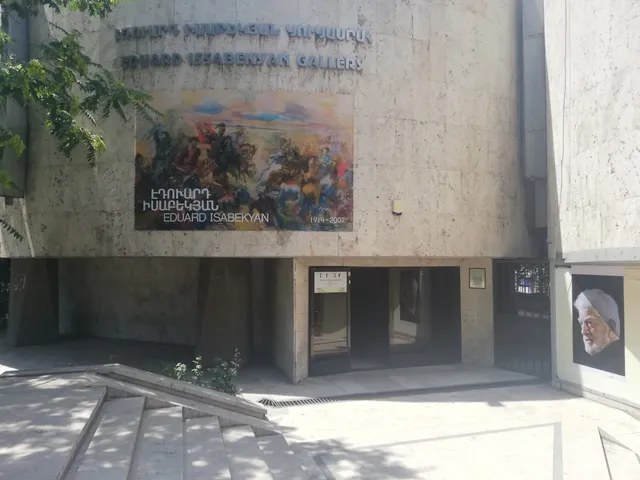
Eduard Isabekyan Gallery
4.7
(38)
Closed
Click for details
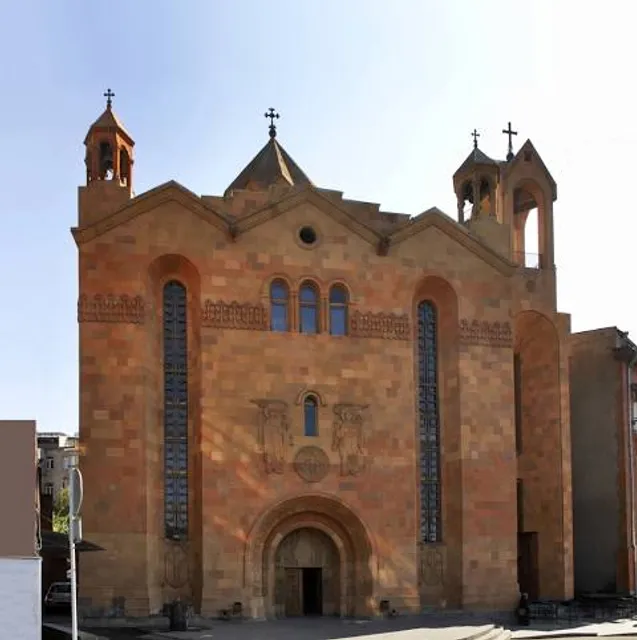
St. Sargis Vicarial Church
4.8
(210)
Closed
Click for details
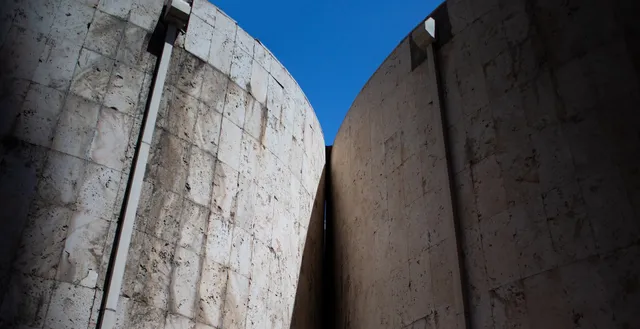
«HayArt» Center
4.3
(21)
Closed
Click for details
Nearby restaurants of Blue Mosque
Shame
Darchin Restaurant
Vani Café
Rush Pub Yerevan
Tavern Yerevan
Chayniy Domik
“Ambar Gastroshop” Jamon & Sándwich
Prospect Food Court
Sherep Restaurant
Y&E Coffee
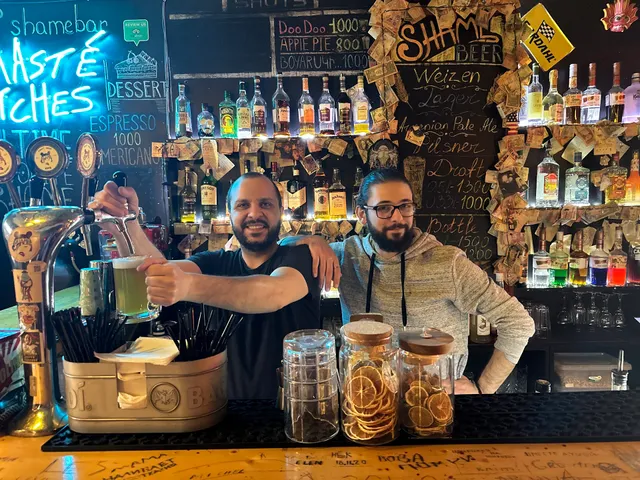
Shame
4.7
(74)
Open until 2:00 AM
Click for details
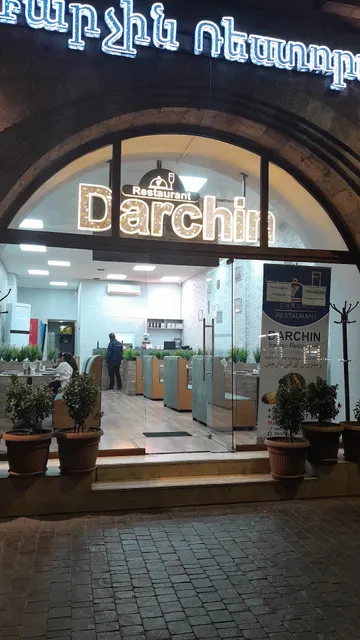
Darchin Restaurant
4.4
(67)
Closed
Click for details
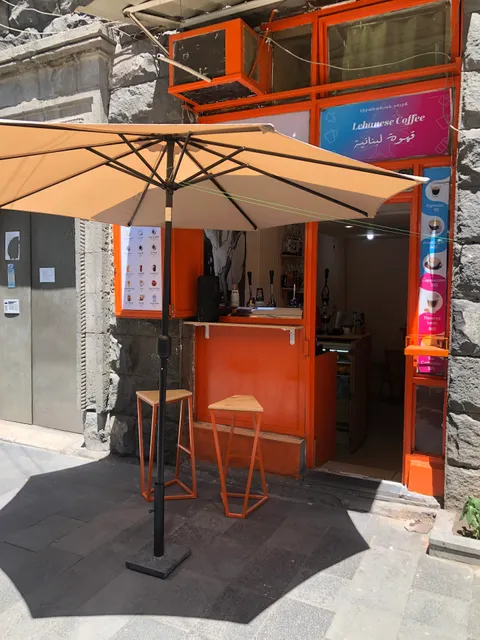
Vani Café
4.9
(49)
Closed
Click for details
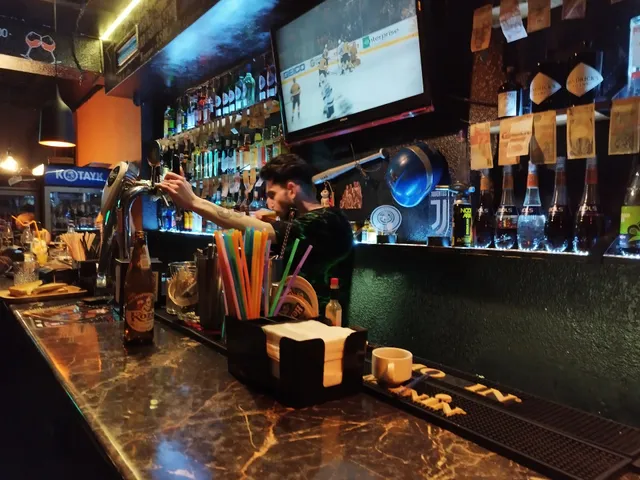
Rush Pub Yerevan
4.5
(48)
Open until 4:00 AM
Click for details
Nearby local services of Blue Mosque
Grand Candy
Indoor Market
Haleb Store
Mr. Hookah
Peach for Spice & Dried Fruit
Wood-carving museum
Garmin Armenia
Noyan Tun
Yerevan Plaza Business Center
Republic Square
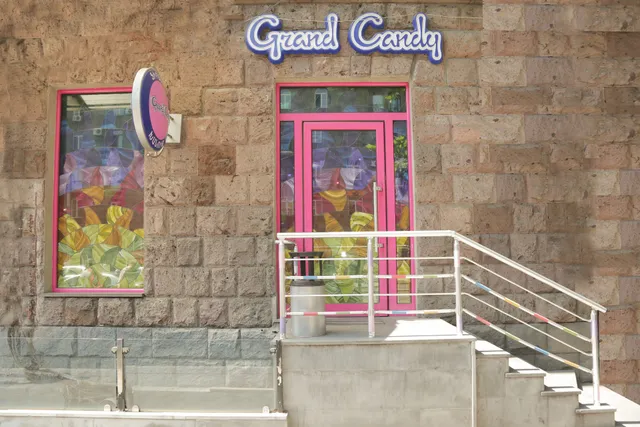
Grand Candy
4.8
(26)
Click for details
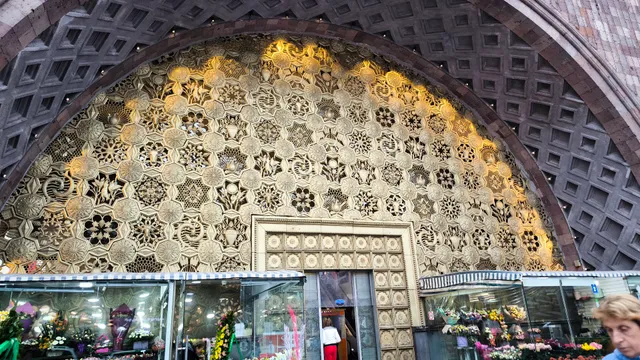
Indoor Market
4.1
(20)
Click for details
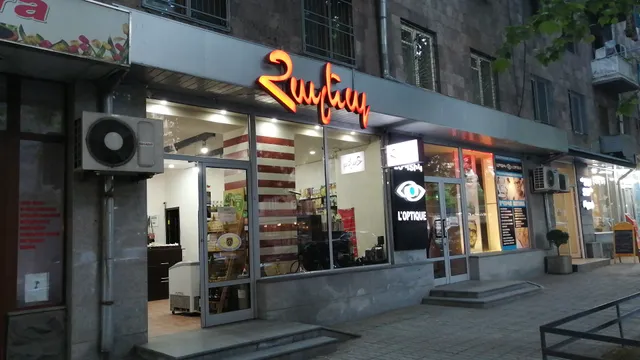
Haleb Store
4.1
(24)
Click for details
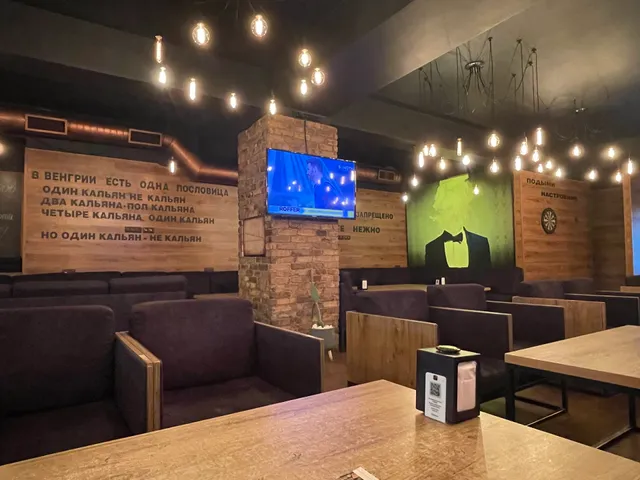
Mr. Hookah
4.2
(118)
Click for details