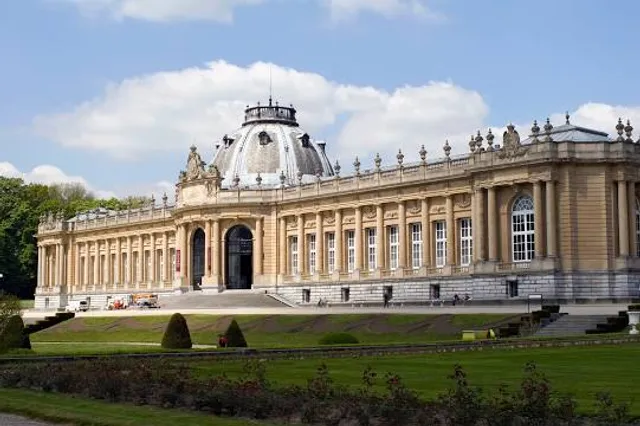
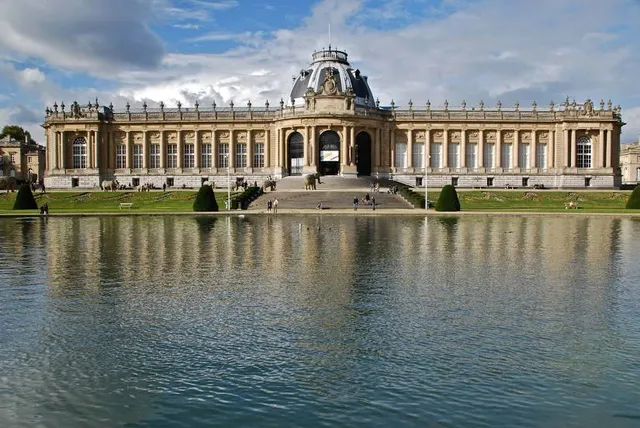
'The conquest of the earth, which mostly means the taking it away from those who have a different complexion or slightly flatter noses than ourselves, is not a pretty thing when you look into it too much' (Heart of Darkness by Joseph Conrad) The museum is a starting point and it's up to the visitor to educate themselves further and if it inspires people to do this then it's to be commended. Adam Hochschild's book KING LEOPOLD'S GHOST is essential reading to put the museum and it's contents into context. As is Joseph Conrad's HEART OF DARKNESS . (I noticed both books were on sale in the bookshop) Yes I agree with some reviewers that more should have been done to acknowledge, at the beginning of the museum, how what's now the DRC was brought into being. The activites of explorer Henry Morton Stanley. The background about the Congo Free state, the atrocities and what amounted to genocide with around 6 million indigenous people exterminated is not given sufficient emphasis. As a museum experience...it returns dignity to the Congolese, Rwandan and Burundian peoples by foregrounding and putting their cultures centre stage, with the interactive digital displays giving explanations into for example language or music. Visual arts. What came across was the complexity, organisation and sophistication of these cultures and societies. I also liked there's lots on contemporary issues, with big displays about bio diversity, the devastating results of decades of mineral and other exploitation and extractive industries. Stuffed animals, there since the museum was first established at the turn of the twentieth century for example have been pulled out of dusty old display cases and put into new contexts illustrating environmental issues and concerns. I don't think you'd necessarily need to be all that interested in African history, arts and culture to find this museum an intriguing experience. The actual architecture of the museum and the way you are led from the entrance through a modern pavilion along an underground tunnel into the basement transforms the old museum itself into an object to be examined and interrogated is an experience in itself. Looking at Belgium's deeply problematic past in Central Africa, if you're at all interested in geopolitics, this museum is fascinating in terms of how the Belgiums are attempting to manage this history, a history which continues to live in the present. This museum can only really ever tell one part of the story. If it inspires the visitor to go and investigate more and build up more of the story then it has surely served it's purpose. But after this visit I find that I'm even questioning what is the purpose of a museum...??? The story or narrative is never finished. The racist statues now relegated to a small space in the basement were part of a narrative the Belgians told themselves about the superiority of European civilisation. That narrative is now overlaid by other narratives. And on it goes. Finally, getting to the museum on tram no.44 which takes you through the woods is a real treat. A delightful ride. I took my own lunch and ate it in the park. A coffee in the upscale restaurant was 3 euros and I enjoyed admiring the views. If you're on a budget be prepared. The shop is good with some nice articles, related books and I even bought the hard cover catalogue. For a full day out you could combine the Africa museum with a visit to the tram museum which is on the way to Tervuwen. I had a great day out which left me with more questions than I have answers. Very stimulating, thought provoking and...
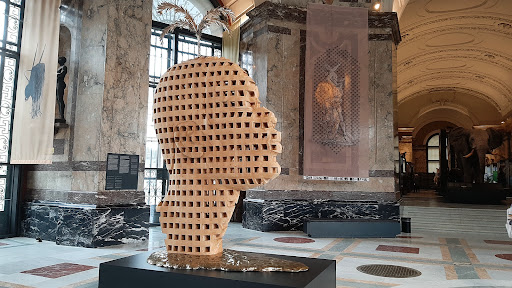
Read moreAfter extensive renovation this highly charged museum is highly recommendable, careful, it is quite challenging to face colonial past and difficult ethical questions by nations, governments and people! Perception and manipulation may make any historical revisiting rather complicated and difficult to navigate - in the case of the museum in question here, a lot of thought and hindsight came to play and has resulted in a worthwhile positive outcome! The setting of this form palace is outstanding, making the trip even in unfavorable weather a great outing. The grounds alone are great for walks and airing out urban stiffness and tension. The exhibition space concept is organized with political correctness, without provocation and outright finger pointing! A bit didactic but nevertheless really interesting objects of the combination of aging stuffed animals mixed with mixed media info streams in the right pace allow discovery, thoughtful lingering and new understanding of a painful hard to understand exploitation by Europeans in the African continent. What is missing here is the remainder of the exploitation and or the ability to transform guilt into reconnection and forgiveness - naturally difficult subjects to actually demonstrate in a museum - however, the highlights were a guided tour by dancers that helped ease into the different spaces and the integration of the musical interpretation and influence of music as the most important transient source code in the rich cultural heritage of African dance and song as the root source to a great number of modern pop music and its interprets! Kudos to the curators, designers and historians - the wonderful passage underground with the carved canoe in dark wood symbolized the entry into this dark chapter of European consciousness, being pampered in the first rate restaurant beforehand, brings out our own hypocrisy in...
Read moreVery disappointing visit that raises concerns about how Belgium and Europe deal with their colonial past.
After the museum had been closed for restauration for several years and was given the chance to address the display of colonial propaganda in the past collection, the new museum clearly falls short of giving an appropriate picture of central africa, its culture, history and links to its former coloniser, Belgium.
Rather than following a red thread, the collection is a patchy mix of stuffed animals, stunning cultural artefacts and a (deliberately?) confusing display of the history of modern DRC, Burundi and Rwanda.
Certainly not sufficient explanation of the Belgian royal family's responsibility in the atrocities in Congo (assuming they have a say in the curation of the collection makes it even more problematic) and both the report of Roger Casement as well as the assassination of Patrice Lumumba are merely a footnote - which is simply outrageous.
I truly hope that over time the museum's collection will gain a focus and that decolonialisation and questions about current day relationships between Belgian, Europe and Central Africa will be guiding such a transformation.
For all families visiting until then: please inform yourself and your children beyond the context given in this disappointingly...
Read more