Museum David and Alice van Buuren things to do, attractions, restaurants, events info and trip planning
Basic Info
Museum David and Alice van Buuren
Av. Léo Errera 41, 1180 Uccle, Belgium
4.7(452)
Closed

tickets
Save
spot
spot
Ratings & Description
Info
Cultural
Scenic
Relaxation
Accessibility
Family friendly
attractions: Jardin Van Buuren, Parc Montjoie, restaurants: Chez Musette, Tortue, De Hoef 1627, LUCA, Pizzeria Nomèa dove la farina diventa arte, Domu Mia, Pizzeria Pâton, Vedat, I Monticelli, VITIUM, local businesses: Museum David and Alice van Buuren, Museum David and Alice van Buuren, Saint-Hubert, Animo Studios - Brugmann, Le Fromageon, ARTEMI - Boutique Bijoux Bruxelles - Bijouterie Bruxelles, située au coeur d'Ixelles - Gravure bijoux, Snack Vanderkindere (VDK), La boutique de Mia, 香港, K&I Boucherie-Charcuterie Halal
 Learn more insights from Wanderboat AI.
Phone
+32 2 343 48 51
Website
museumvanbuuren.be
Open hoursSee all hours
Fri2 - 5:30 PMClosed
Plan your stay

Pet-friendly Hotels in Uccle - Ukkel
Find a cozy hotel nearby and make it a full experience.

Affordable Hotels in Uccle - Ukkel
Find a cozy hotel nearby and make it a full experience.

The Coolest Hotels You Haven't Heard Of (Yet)
Find a cozy hotel nearby and make it a full experience.

Trending Stays Worth the Hype in Uccle - Ukkel
Find a cozy hotel nearby and make it a full experience.
Reviews
Live events
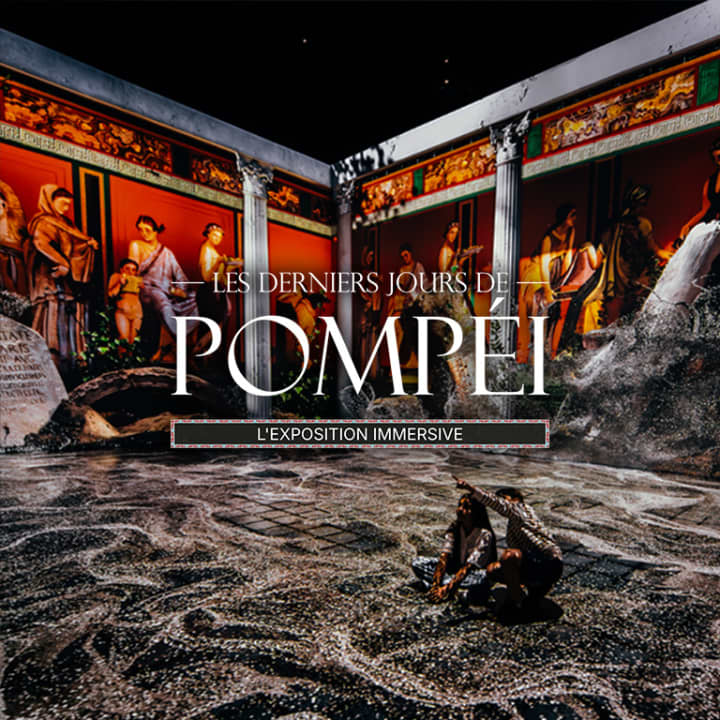
Les Derniers Jours de Pompéi : Lexposition Immersive
Sat, Feb 28 • 10:00 AM
Pl. de Belgique 1, Bruxelles, 1020
View details
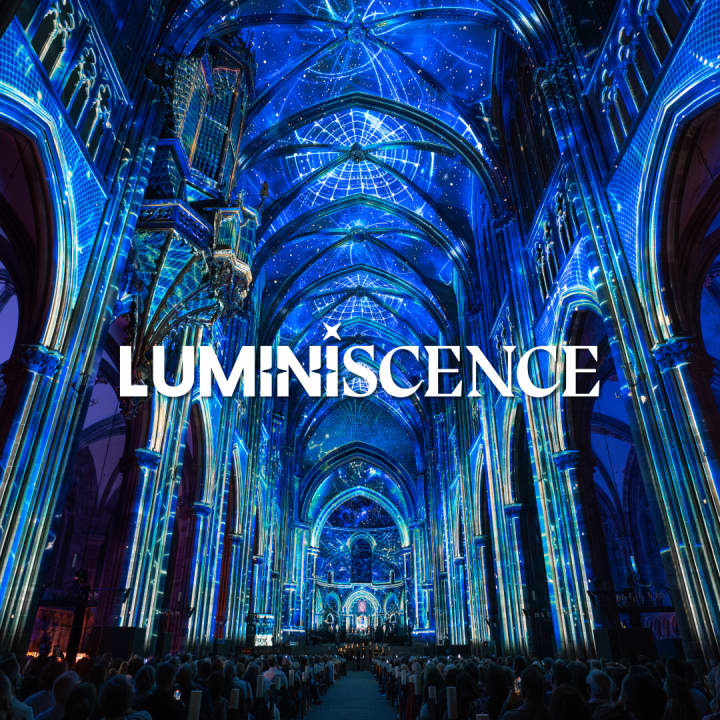
LUMINISCENCE : Plongez dans les secrets dun monument emblématique de l’histoire de Bruxelles
Fri, Feb 27 • 8:45 PM
Place Sainte-Gudule, Bruxelles, 1000
View details
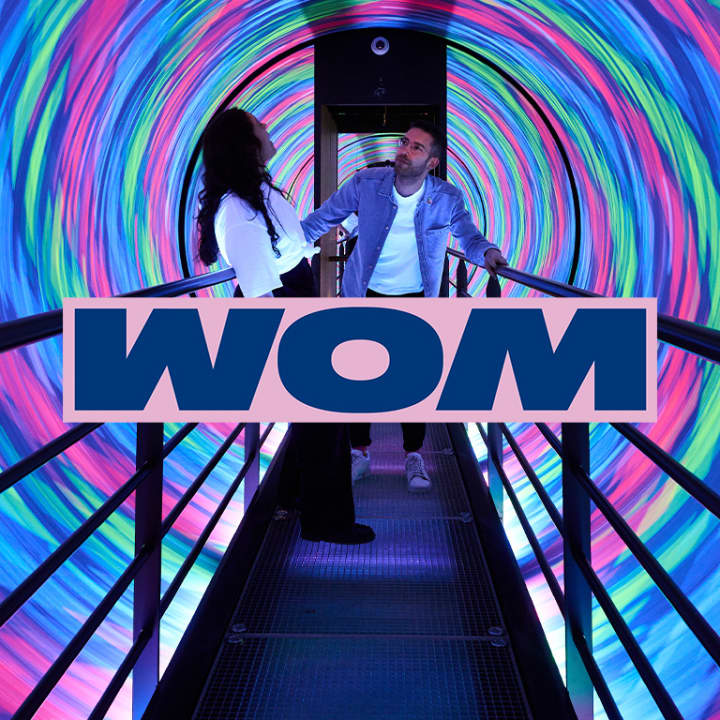
Le WOM, parcours d’illusions et de magie
Sat, Feb 28 • 10:00 AM
Tour & Taxis Shed 4 bis - Avenue du Port 86C, Bruxelles, 1000
View details
Nearby attractions of Museum David and Alice van Buuren
Jardin Van Buuren
Parc Montjoie

Jardin Van Buuren
4.6
(12)
Open 24 hours
Click for details
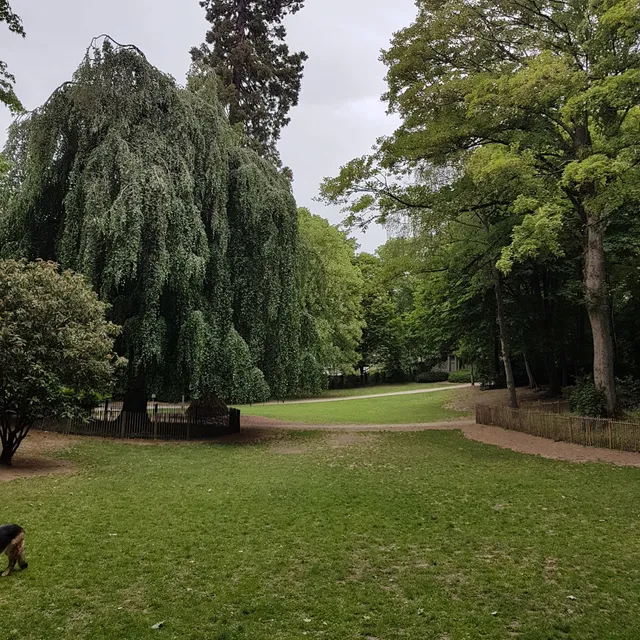
Parc Montjoie
4.1
(144)
Open until 9:30 PM
Click for details
Nearby restaurants of Museum David and Alice van Buuren
Chez Musette
Tortue
De Hoef 1627
LUCA
Pizzeria Nomèa dove la farina diventa arte
Domu Mia
Pizzeria Pâton
Vedat
I Monticelli
VITIUM
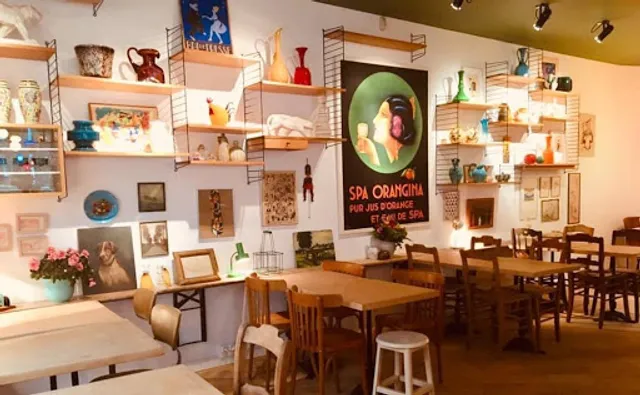
Chez Musette
4.2
(251)
Open until 11:00 PM
Click for details
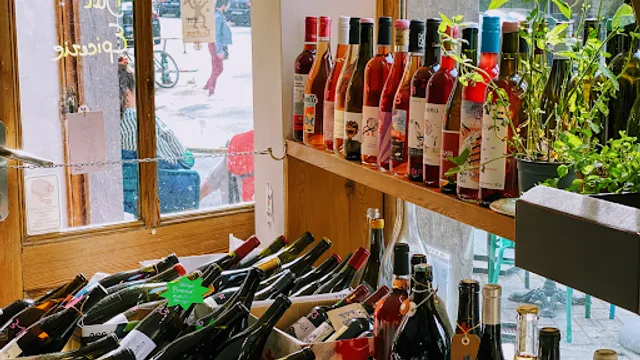
Tortue
4.7
(119)
Open until 11:00 PM
Click for details
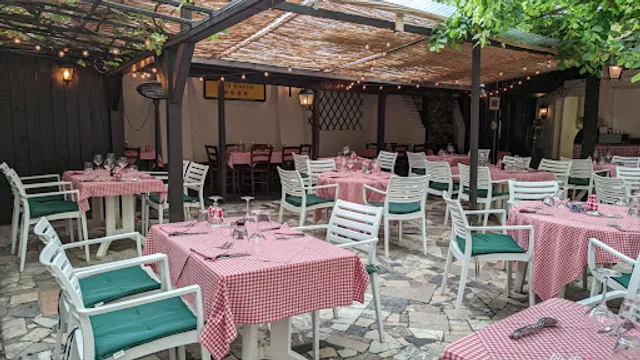
De Hoef 1627
4.5
(405)
$$
Open until 10:30 PM
Click for details
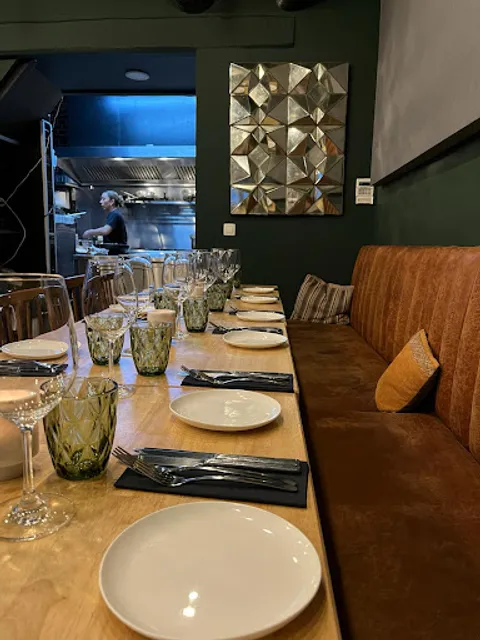
LUCA
4.1
(117)
Open until 10:30 PM
Click for details
Nearby local services of Museum David and Alice van Buuren
Museum David and Alice van Buuren
Museum David and Alice van Buuren
Saint-Hubert
Animo Studios - Brugmann
Le Fromageon
ARTEMI - Boutique Bijoux Bruxelles - Bijouterie Bruxelles, située au coeur d'Ixelles - Gravure bijoux
Snack Vanderkindere (VDK)
La boutique de Mia
香港
K&I Boucherie-Charcuterie Halal
Museum David and Alice van Buuren
4.7
(439)
Click for details
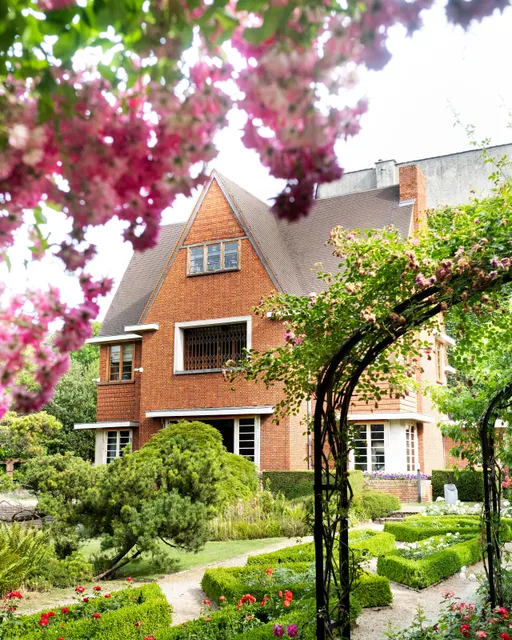
Museum David and Alice van Buuren
4.7
(323)
Click for details
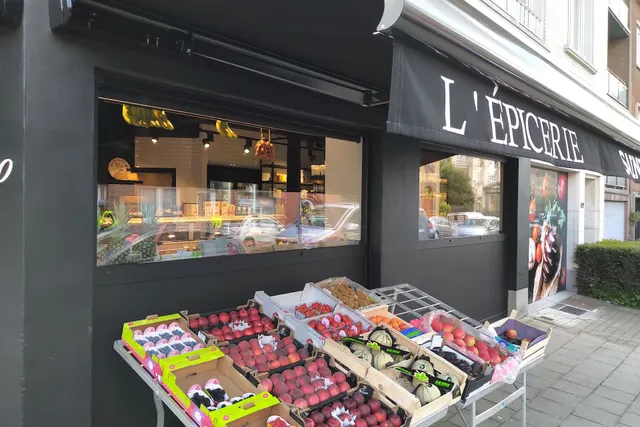
Saint-Hubert
4.2
(57)
Click for details
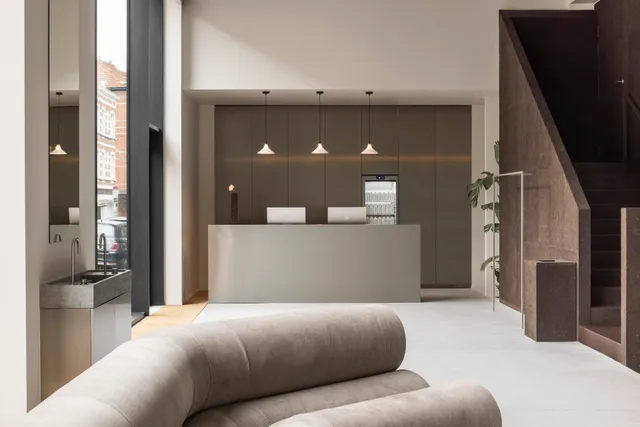
Animo Studios - Brugmann
4.7
(74)
Click for details