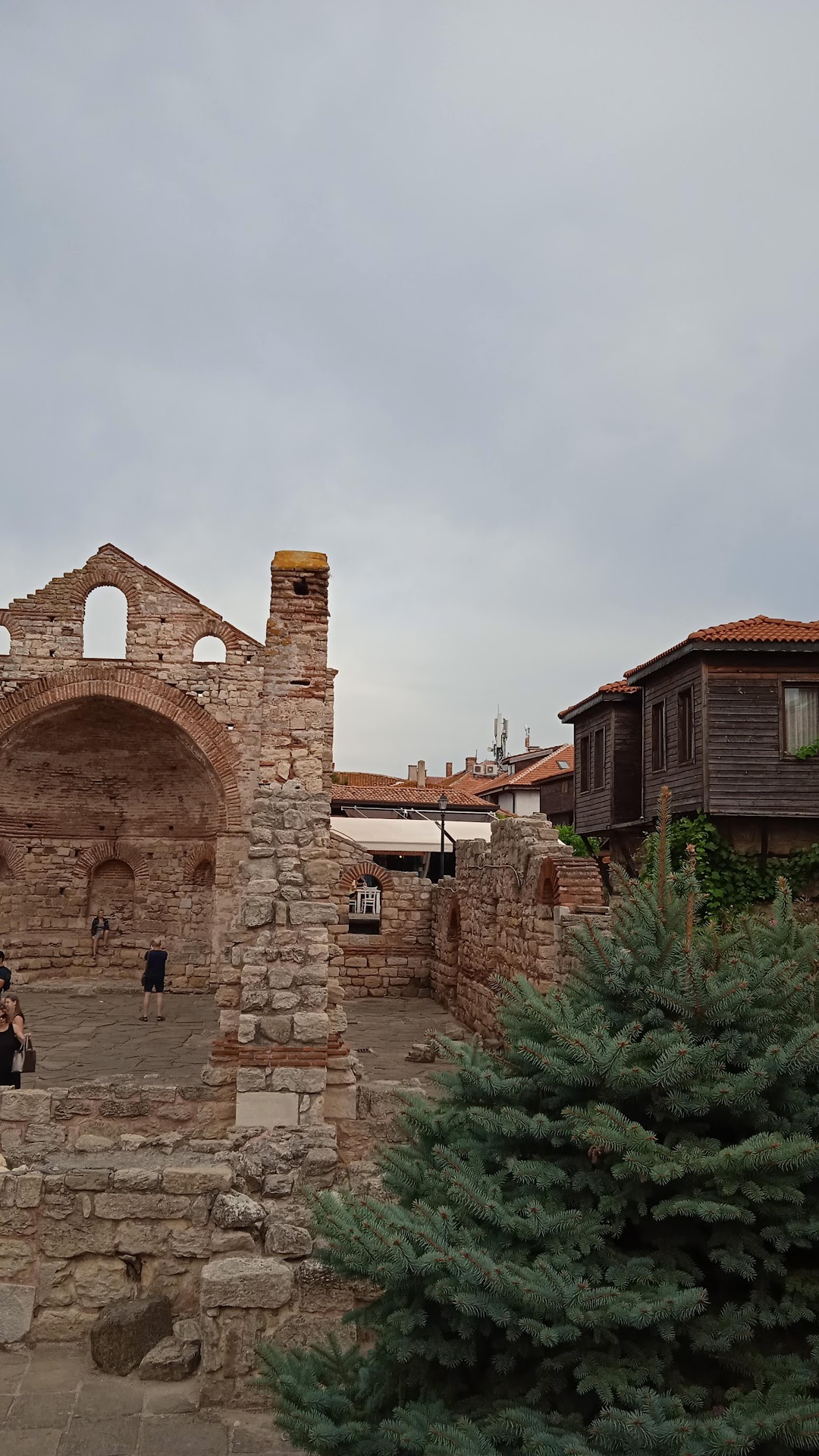
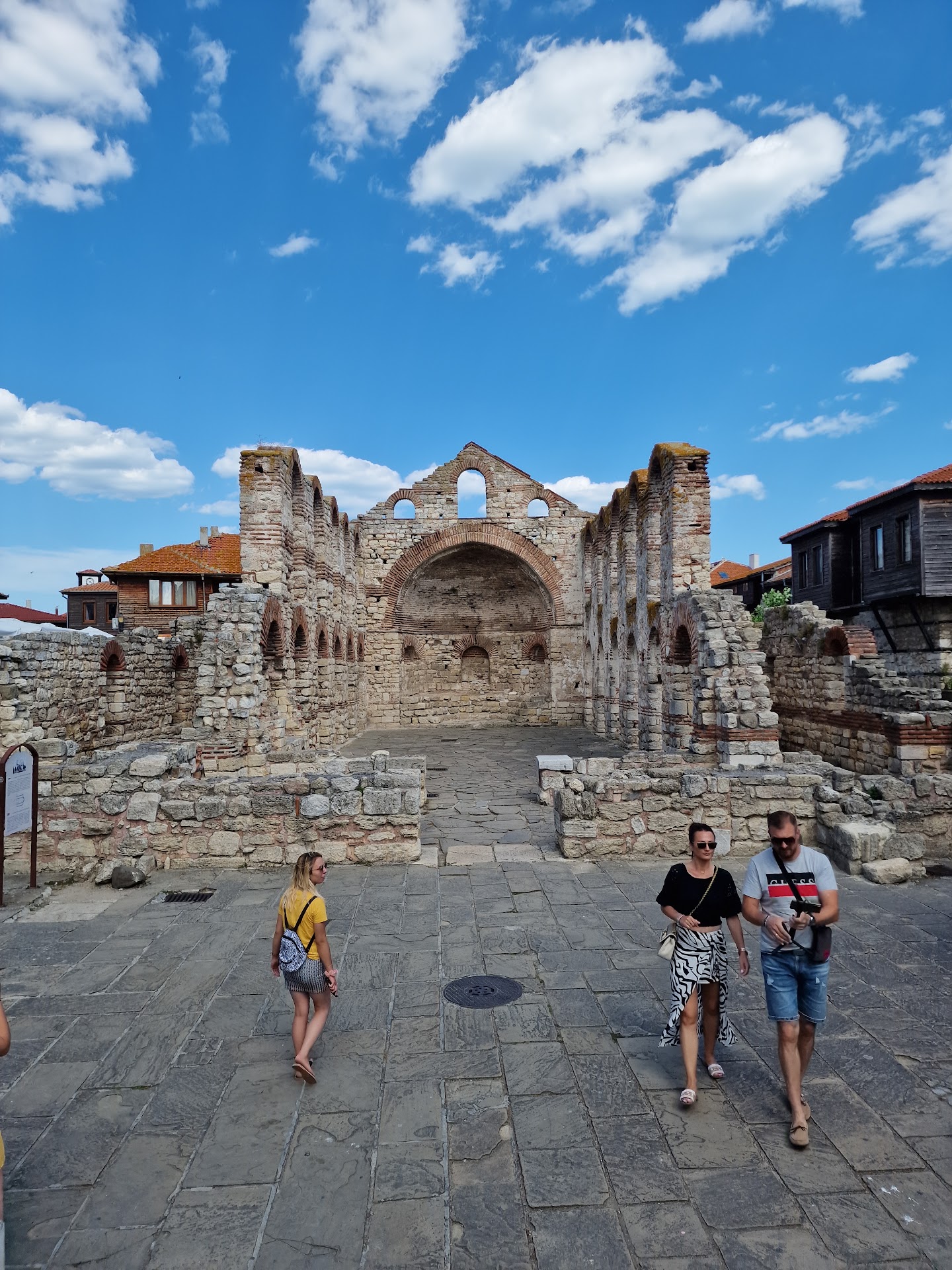
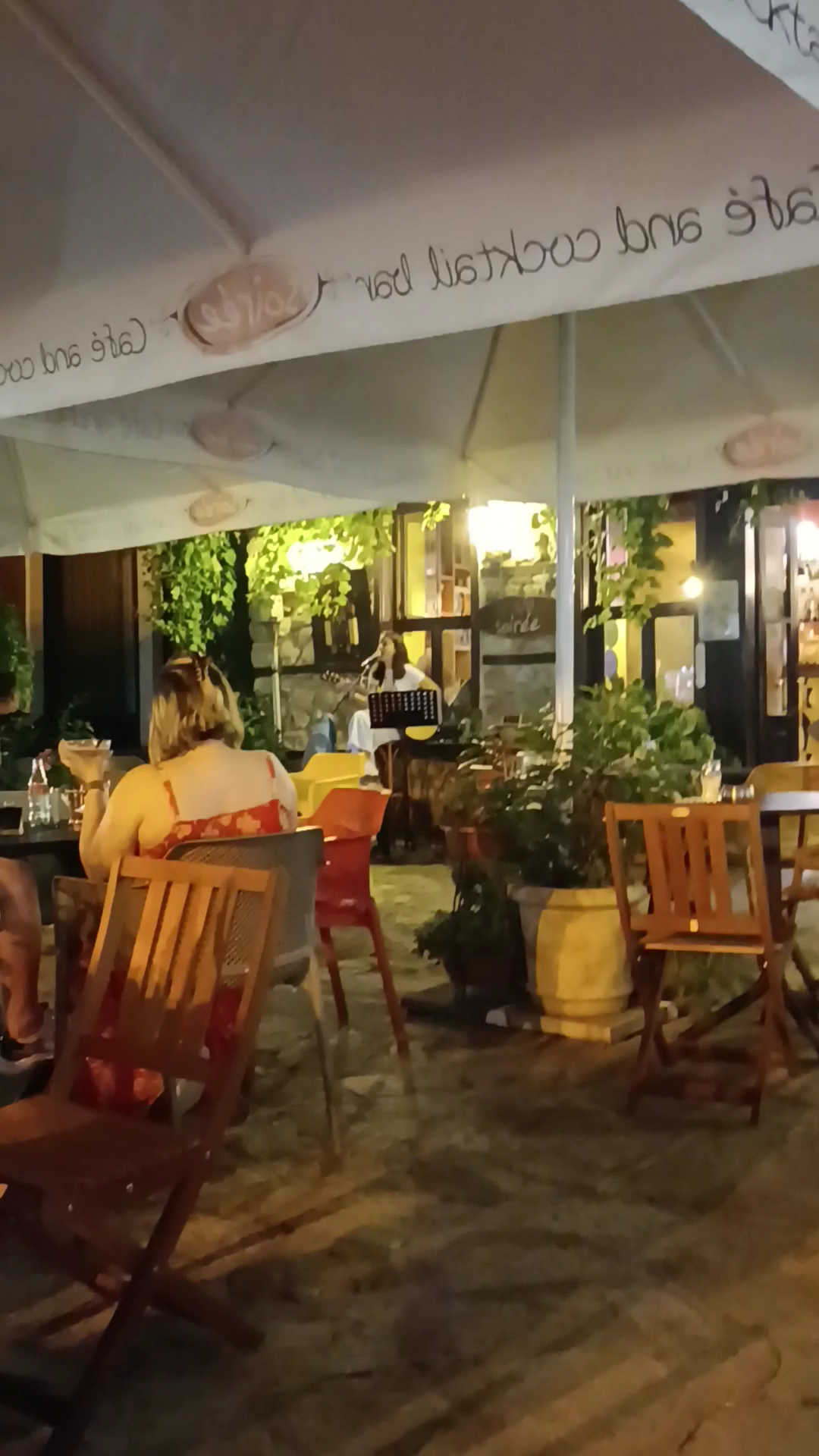
Church of Saint Sophia things to do, attractions, restaurants, events info and trip planning
Basic Info
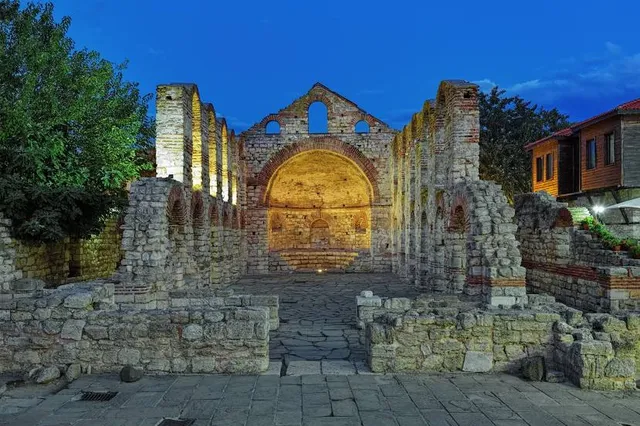
Church of Saint Sophia
Staria Grad, 8230 Nessebar, Bulgaria
4.7(4.4K)
Open until 12:00 AM
Save
spot
spot
Ratings & Description
Info
Hagia Sophia, officially the Hagia Sophia Mosque, is a mosque and a major cultural and historical site in Istanbul, Turkey. The last of three church buildings to be successively erected on the site by the Eastern Roman Empire, it was completed in 537 AD.
Cultural
Accessibility
attractions: Old Town Nessebar, Messembria, Church of Saint Paraskeva, Church of Christ Pantokrator, Ancient City of Nessebar, "Holy Mother Eleusa" Church, Church of the Holy Saviour or Sveti Spas, "Saint Stephen" Church, Nesebar Archaeological Museum, Statue of St. Nicholas / Noah, restaurants: , local businesses: Chiesa degli Arcangeli Michele e Gabriele, Church of Saint John the Baptist, Етнографски музей Несебър, Church of St John Aliturgetos, Plaża miejska „Starego Miasta”
 Learn more insights from Wanderboat AI.
Website
ancient-nessebar.com
Open hoursSee all hours
SunOpen 24 hoursOpen
Plan your stay

Pet-friendly Hotels in Nesebar
Find a cozy hotel nearby and make it a full experience.

Affordable Hotels in Nesebar
Find a cozy hotel nearby and make it a full experience.

The Coolest Hotels You Haven't Heard Of (Yet)
Find a cozy hotel nearby and make it a full experience.

Trending Stays Worth the Hype in Nesebar
Find a cozy hotel nearby and make it a full experience.
Reviews
Nearby attractions of Church of Saint Sophia
Old Town Nessebar
Messembria
Church of Saint Paraskeva
Church of Christ Pantokrator
Ancient City of Nessebar
"Holy Mother Eleusa" Church
Church of the Holy Saviour or Sveti Spas
"Saint Stephen" Church
Nesebar Archaeological Museum
Statue of St. Nicholas / Noah
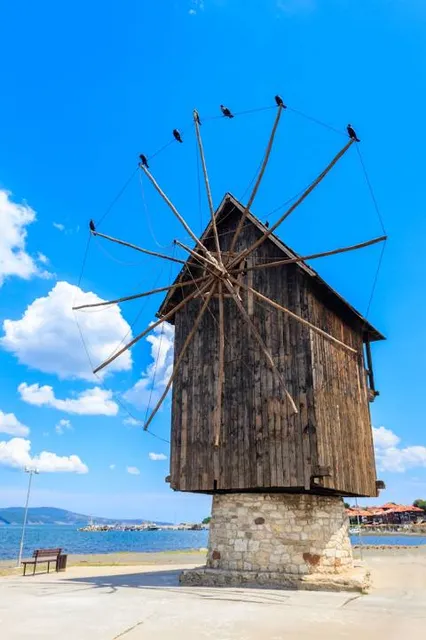
Old Town Nessebar
4.8
(671)
Open 24 hours
Click for details
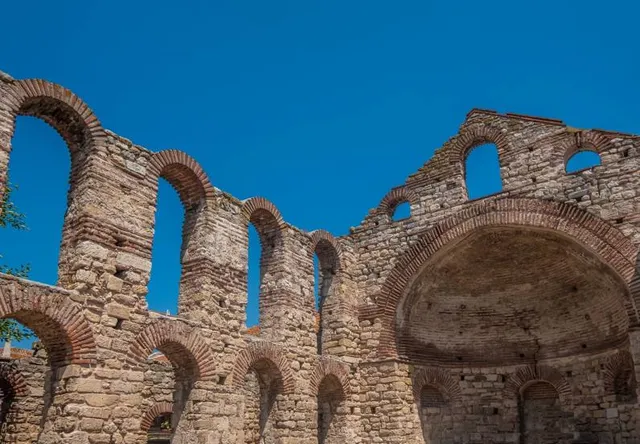
Messembria
4.8
(782)
Closed
Click for details
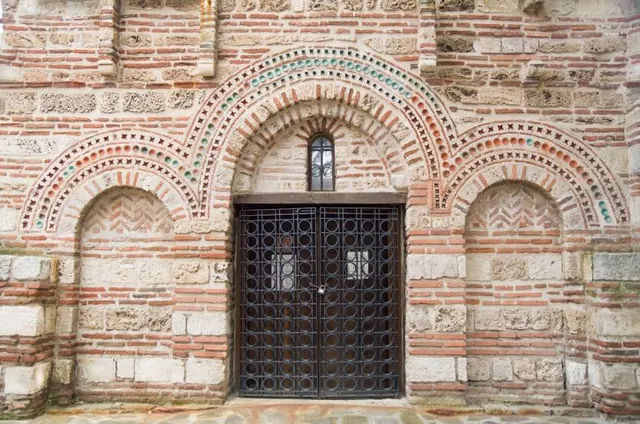
Church of Saint Paraskeva
4.7
(134)
Closed
Click for details
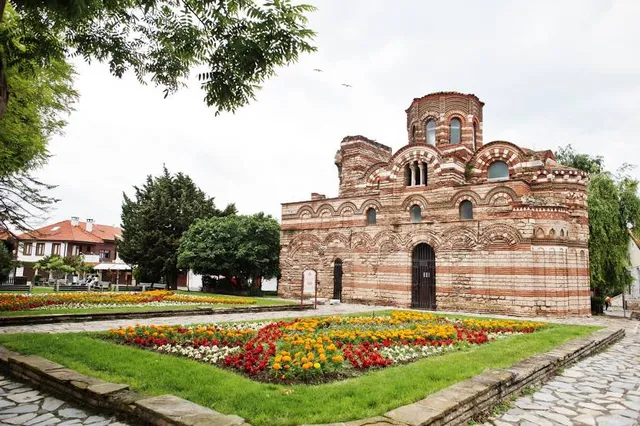
Church of Christ Pantokrator
4.7
(802)
Closed
Click for details
Nearby local services of Church of Saint Sophia
Chiesa degli Arcangeli Michele e Gabriele
Church of Saint John the Baptist
Етнографски музей Несебър
Church of St John Aliturgetos
Plaża miejska „Starego Miasta”
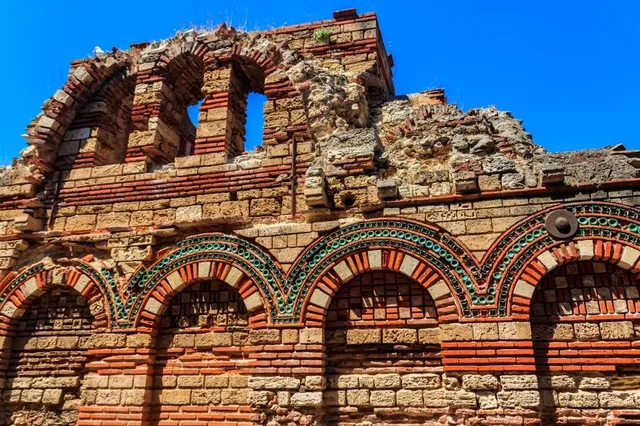
Chiesa degli Arcangeli Michele e Gabriele
4.7
(98)
Click for details
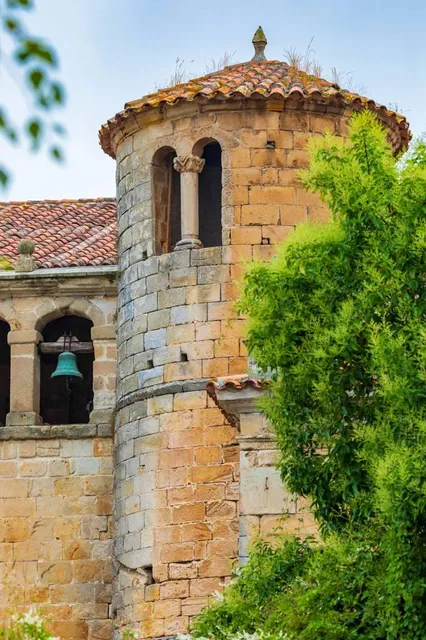
Church of Saint John the Baptist
4.7
(111)
Click for details
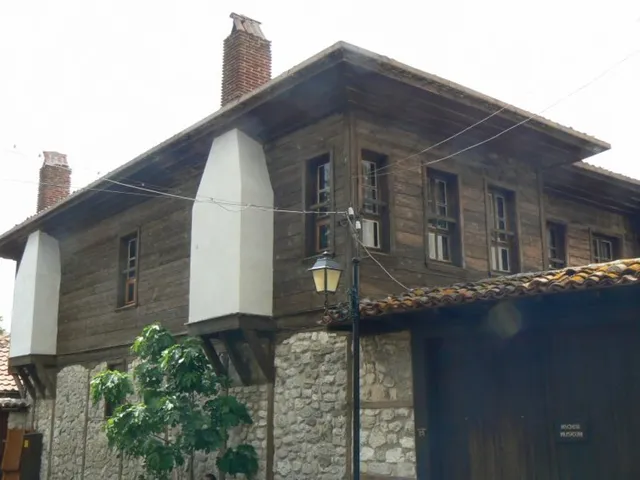
Етнографски музей Несебър
4.2
(10)
Click for details
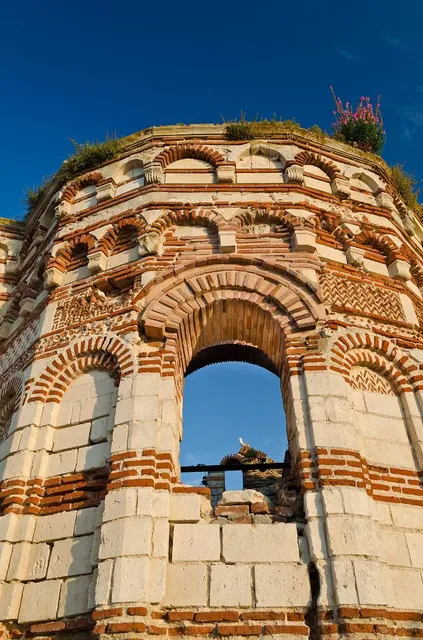
Church of St John Aliturgetos
4.8
(87)
Click for details