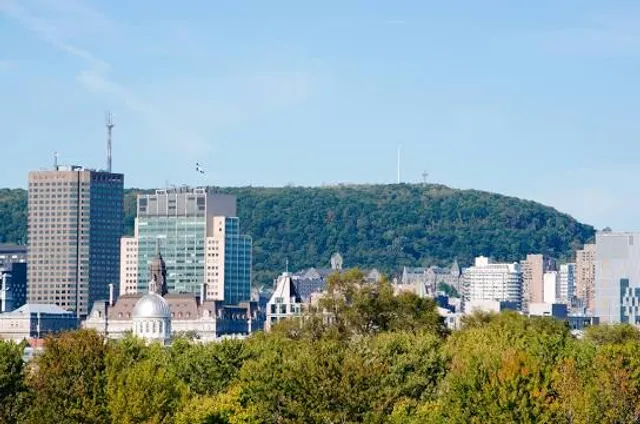
Mount Royal (“Mont Royal”)—Montréal’s iconic green heart, offering natural beauty, panoramic vistas, and rich history all within the city.
🌄 Overview & Historical Significance
Mount Royal is actually three hills carved by glaciers, standing about 233 m tall and encompassing roughly 190–200 ha of parkland within Parc du Mont-Royal . Named by Jacques Cartier in 1535, the mountain has long held spiritual and cultural importance for Indigenous communities and early settlers—including a pilgrimage in 1643 by Paul de Chomedey, who vowed to erect a cross if Ville-Marie was spared flooding .
Landscape architect Frederick Law Olmsted, designer of New York’s Central Park, crafted the park’s first major plan in the 1870s with winding roads and gradual grading to enhance the natural terrain—a bold project hindered in part by mid-1870s financial constraints . His vision was later expanded by Frederick Todd, who added Beaver Lake and other features in the early 20th century .
👀 What to Experience
Panoramic Lookouts
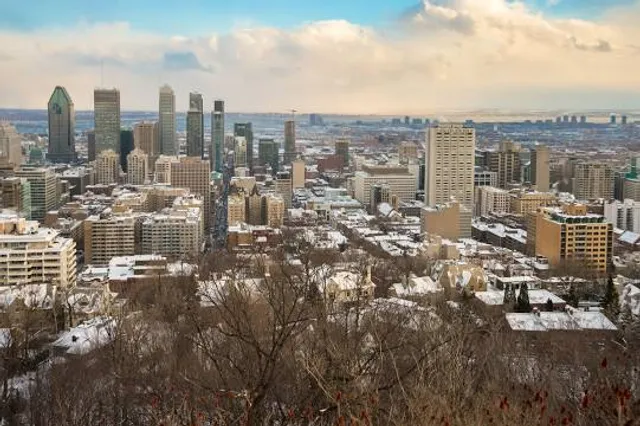
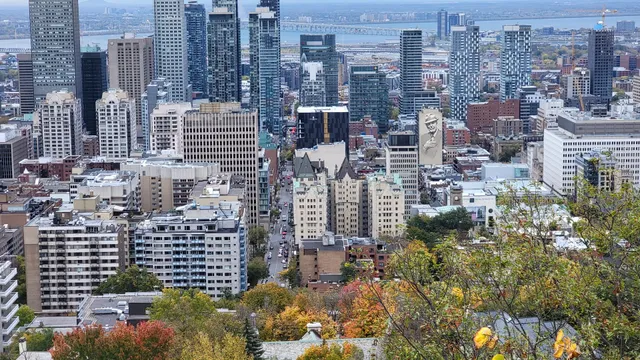
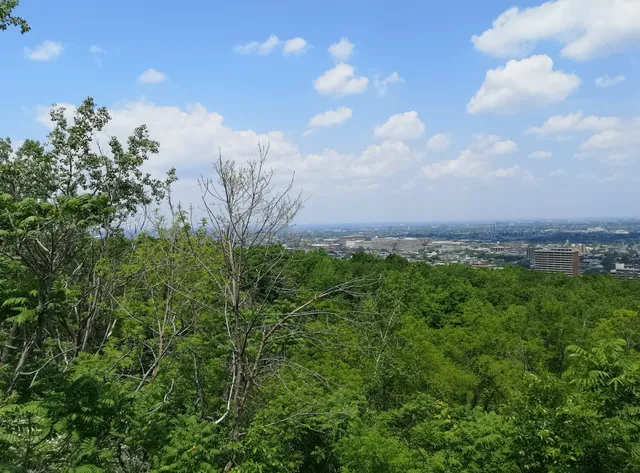
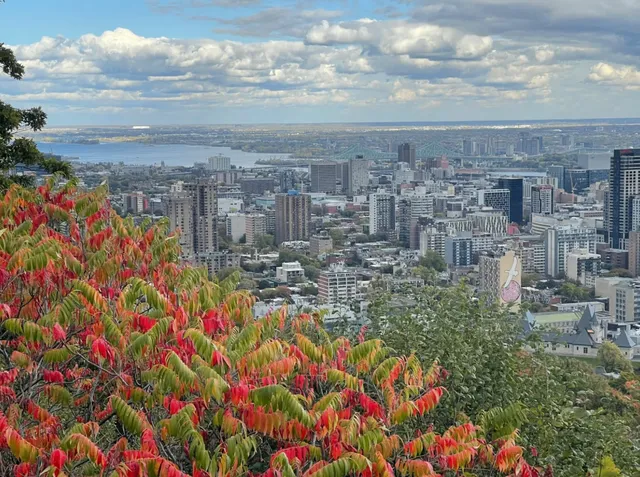
Kondiaronk Belvedere (Summit Lookout) — Montréal’s postcard view: downtown core, St. Lawrence River, and scenic horizons .
Camillien-Houde Lookout — Captures skyline, Olympic Stadium, and Jacques Cartier Bridge—especially dramatic at sunset .
Key Landmarks
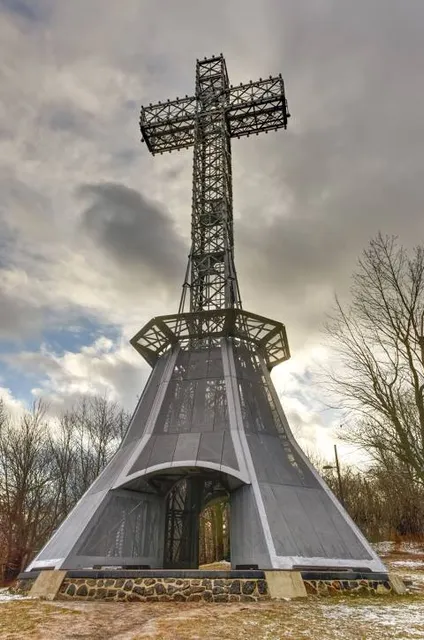
Mount Royal Cross — A 30 m-tall steel cross erected in 1924 replacing the wooden original from 1643; lit in special colours during events .
Mount Royal Chalet — Historic stone pavilion near the summit, built during the Depression; now home to public facilities and a café .
Beaver Lake — A serene artificial lake set in forest, offering boat rentals in summer and ice skating or tubing in winter, with pavilion facilities & dining .
🏃♀️ Activities by Season
Summer: Hiking, cycling, picnicking and scenic rooftop views. Canoe or row on Beaver Lake, join discovery walks, or grab a drink at Café des Amis .
Autumn: Vibrant foliage and crisp air make this the ideal season for photography, strolling tree-lined trails, or guided hikes .
Winter: Snowshoe the trails, skate on Beaver Lake, sled or tube downhill, or ski across 22 km of groomed tracks; rentals available at the pavilion .
Spring: Join clean-up events, witness cherry blossoms, and celebrate outdoor community programming during Mount Royal Month including forest bathing and guided walks .
🌿 Trail Tips & Highlights
The Escarpment Trail (Sentier de l’Escarpement) meanders along the rugged ridge, offering quieter viewpoints toward downtown—about a 10-minute scenic stroll past the Chalet before reaching additional lookouts including the Camillien-Houde point .
Climbing the 400 wooden stairs from Peel Street & Pine Avenue is a popular workout route offering direct access to summit views .
📍 Practical Info
Location: 1260 Remembrance Rd., Montréal H3H 1A2—easily accessed via bus or biking throughout the city.
Facilities: Beaver Lake Pavilion offers restrooms, equipment rental, and a café; Chalet near the top has seasonal indoor seating and restrooms .
Accessibility: While some roads are steep, Olmsted’s original design intended for gradual grades and some translated into accessible routes.
Public Transport: Multiple STM lines serve lower slopes; BIXI bikes popular nearby; street access from McGill and Mount Royal Avenue.
✅ Why Visit
Feature Experience Offered
Urban nature Lush woods, rocky ridges, lakes—an oasis in the city Iconic views Kondiaronk Belvedere and Camillien-Houde provide classic Montréal panoramas All-season use Boating, hiking, skating, forest bathing, wildlife watching Heritage & culture Landscaped by renowned designers, a site of Indigenous and colonial...
Read moreWarning: Be Prepared for Pain for Up to 5 Days Afterwards
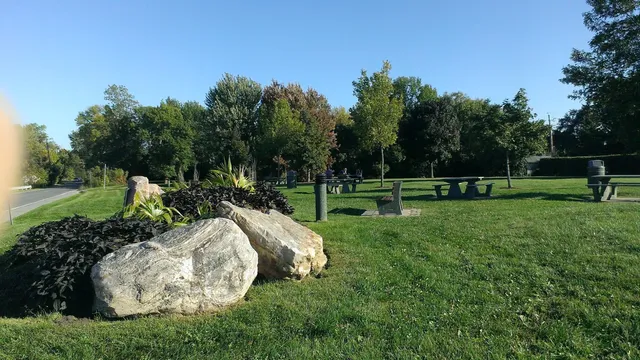
The park was lovely with lovely rolling hills and picnic areas, and I could see the fish in the ponds at the edges. There were paved paths up the hill to the top of the park. It was a lot of hilly inclines but there were a few benches along the way.
At the top at the chalet, there is a nice view of Montreal over the trees. There is a large building up the stairs where you can go down the stairs to the bathrooms.
We took the stairs all the way down to McGill University and down more hills to our hotel farther in the city. Chatgpt said there is between 339 to 525 steps depending on how you come out. I was totally amazed as you turn the corner, how many other flights of steps there were. There is no way, I would have made it up the stairs.
The wooden stairs were of the same color, no color stripe marking the edges, so for someone with progressive glasses, it made it hard to see where each step ended to go to the next one. I looked more to the edges to see the outline to know. I would have really have hated taking the stairs in the dusk when it was darker or overcast.
When we sightsee, I can walk 20,000 - 25,000 steps a day; however with that number of stairs then all the hills from McGill University down to our hotel, my legs felt it that night. The next day, my calves were badly cramping and knotted up for several days afterwards, so I am glad we visited at the end of our trip, not at the beginning. It took 5 days before I could walk without pain.
If you decide to go, make sure you do it at the end of your trip or your calves and legs are really stretched...
Read moreThe stairway leading to the panoramic lookout on Mount Royal is a striking architectural and natural feature, blending rugged charm with functional design. As visitors approach from the base of the mountain or the nearby park trails, the wooden and stone steps rise invitingly, framed by lush greenery in the warmer months and snow-dusted trees in winter.
The lower section of the stairway consists of broad, well-worn wooden steps, reinforced with sturdy metal railings on either side for safety. The wood, weathered by years of foot traffic and changing seasons, has a warm, rustic appearance, contrasting with the iron supports that gleam under the sunlight filtering through the canopy. As the ascent begins, the stairs curve gently, following the natural slope of the mountain, with occasional landings offering moments of respite.
About halfway up, the trees begin to thin slightly, revealing partial views of downtown Montreal’s skyline in the distance. The air grows crisper, and the sound of rustling leaves and distant birds replaces the hum of the city below. The steps grow steeper, demanding more effort, but the promise of the panoramic view above keeps climbers motivated.
The final stretch is the most dramatic—a series of tightly spaced wooden steps leading directly to the summit. Here, the railings are more robust, ensuring safety as visitors near the top. The last few steps open abruptly onto the wide, flat expanse of the lookout, where the full reward of the climb unfolds: a breathtaking, 180-degree vista of Montreal, the St. Lawrence River, and the distant...
Read more