Library of Parliament things to do, attractions, restaurants, events info and trip planning
Basic Info
Library of Parliament
111 Wellington St, Ottawa, ON K1A 0A4, Canada
4.6(66)
Open 24 hours
Save
spot
spot
Ratings & Description
Info
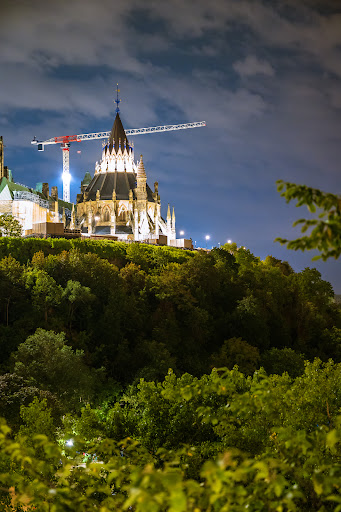
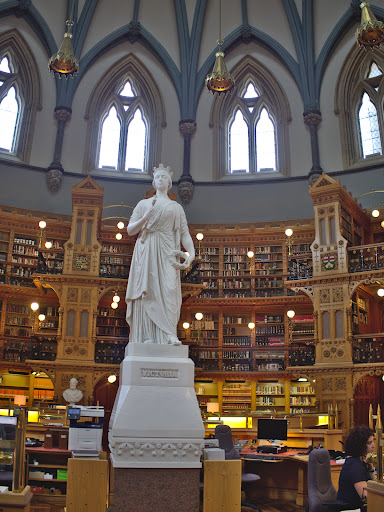
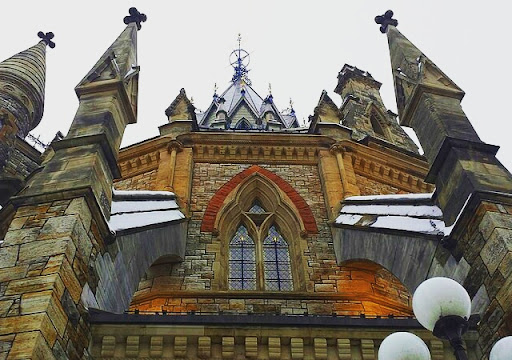
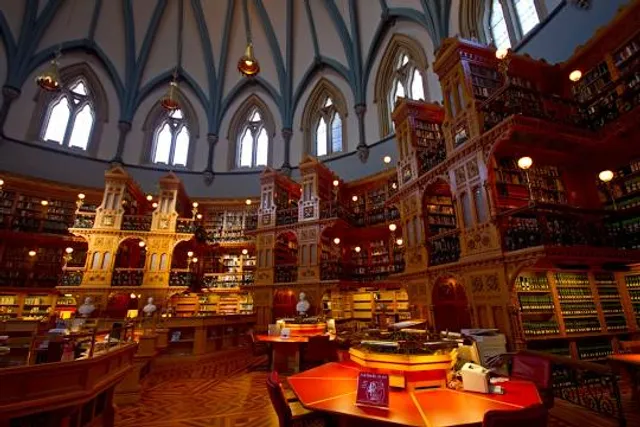
The Library of Parliament is the main information repository and research resource for the Parliament of Canada. The main branch of the library sits at the rear of the Centre Block on Parliament Hill in Ottawa, Ontario. The library survived the 1916 fire that destroyed Centre Block.
Cultural
Scenic
Family friendly
Accessibility
attractions: Parliament Hill, Sandbox VR, Centennial Flame, Victoria Tower Bell Monument, Peace Tower, Bytown Museum, Major's Hill Park, The Memorial Chamber, National Gallery of Canada, The National War Memorial, restaurants: Pomonas, Tavern On The Hill, Bier Markt, Riviera Ottawa, D'Arcy McGee's, ZOE'S, Laurier Buffet, Le Moulin de Provence KD METCALFE & QUEEN, 3 Brasseurs - Sparks, Little Victories Coffee Roasters - Elgin, local businesses: Victoria Tower Bell, Central Chambers National Historic Site of Canada, Sparks Street BIA & MA, House of Commons of Canada, Ottawa Sign, ByWard Market, Office of the Prime Minister and Privy Council, CF Rideau Centre, True Bijoux, La Vie Health, Senate of Canada Building
 Learn more insights from Wanderboat AI.
Phone
(866) 599-4999
Website
lop.parl.ca
Plan your stay

Pet-friendly Hotels in Ottawa
Find a cozy hotel nearby and make it a full experience.

Affordable Hotels in Ottawa
Find a cozy hotel nearby and make it a full experience.

The Coolest Hotels You Haven't Heard Of (Yet)
Find a cozy hotel nearby and make it a full experience.

Trending Stays Worth the Hype in Ottawa
Find a cozy hotel nearby and make it a full experience.
Reviews
Live events
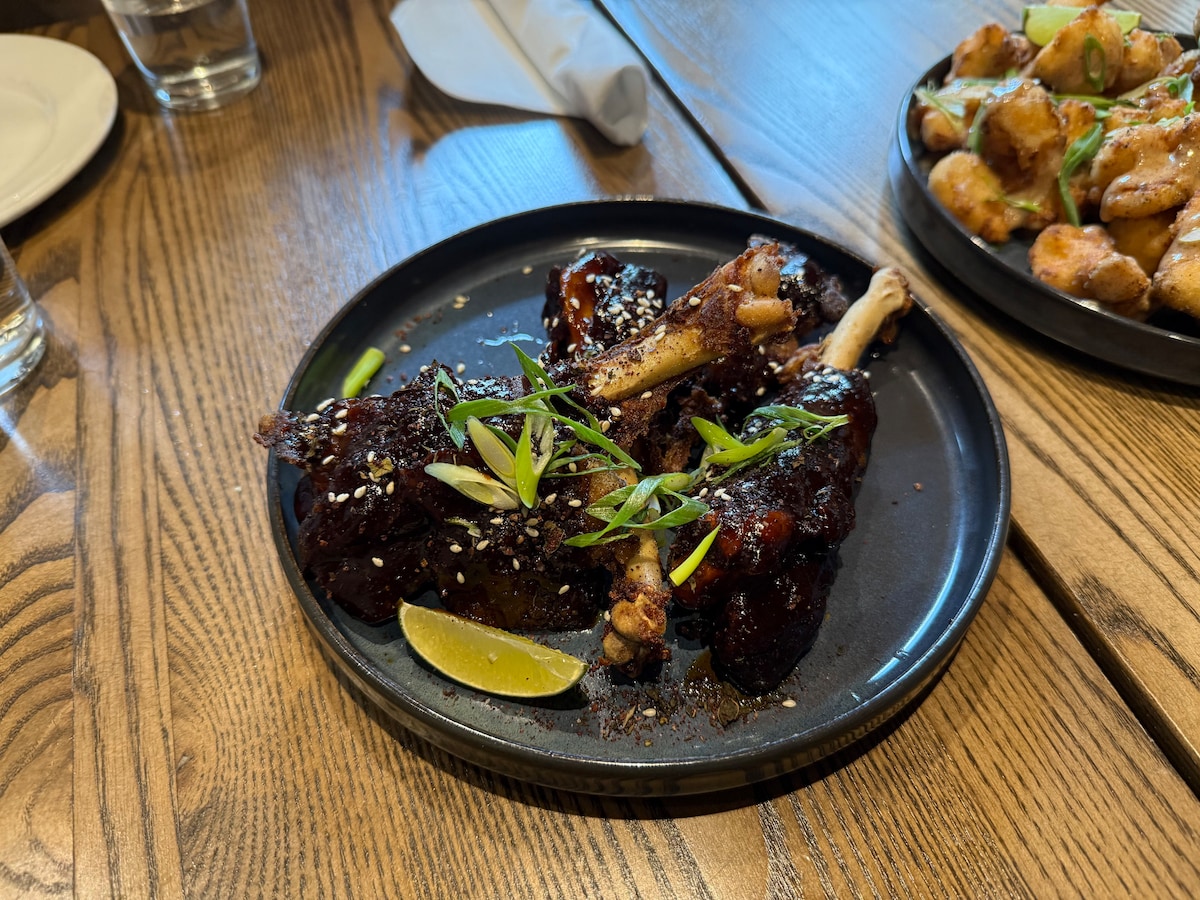
Ottawa’s ByWard Market Flavors Walking Food Tour
Thu, Feb 12 • 11:30 AM
Ottawa, Ontario, K1N 1G8, Canada
View details

The Jury Experience – Death by AI: Who Pays the Price?
Sun, Feb 15 • 6:00 PM
1125 Colonel By Drive, Ottawa, K1S 5B6
View details
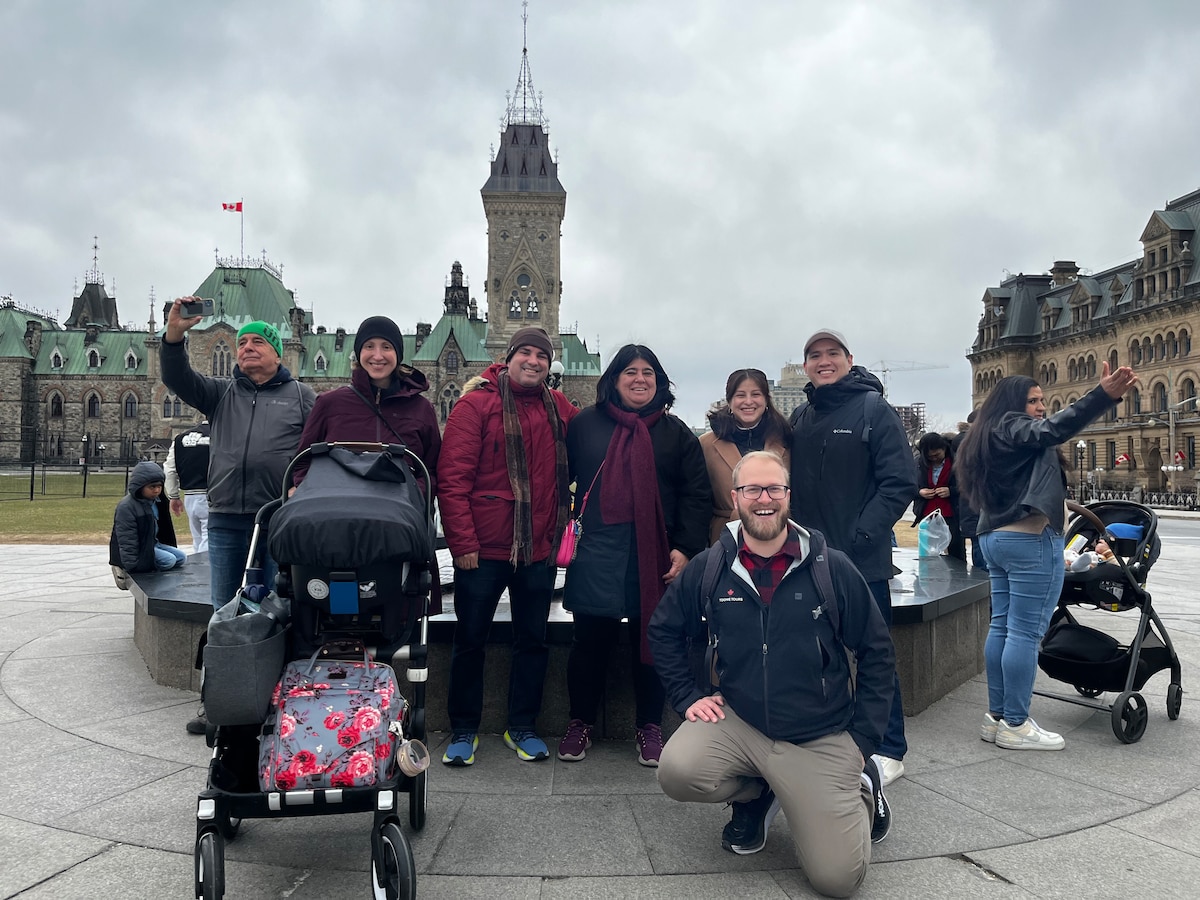
City Highlights Walking Tour of Downtown Ottawa
Fri, Feb 13 • 10:00 AM
Ottawa, Ontario, K1P 5K6, Canada
View details
Nearby attractions of Library of Parliament
Parliament Hill
Sandbox VR
Centennial Flame
Victoria Tower Bell Monument
Peace Tower
Bytown Museum
Major's Hill Park
The Memorial Chamber
National Gallery of Canada
The National War Memorial
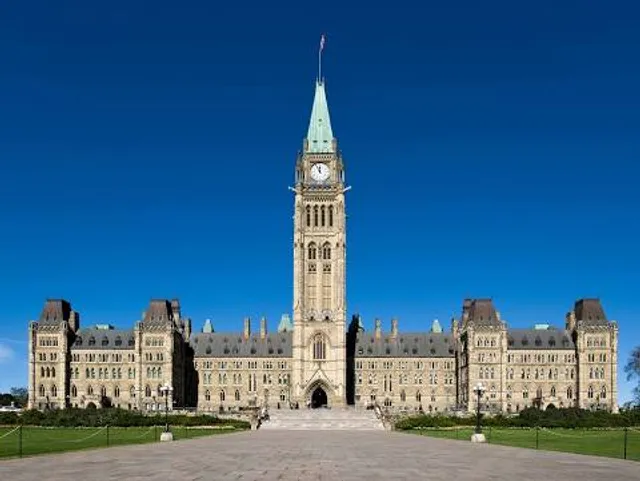
Parliament Hill
4.7
(13.6K)
Open 24 hours
Click for details

Sandbox VR
4.9
(191)
Open until 10:00 PM
Click for details
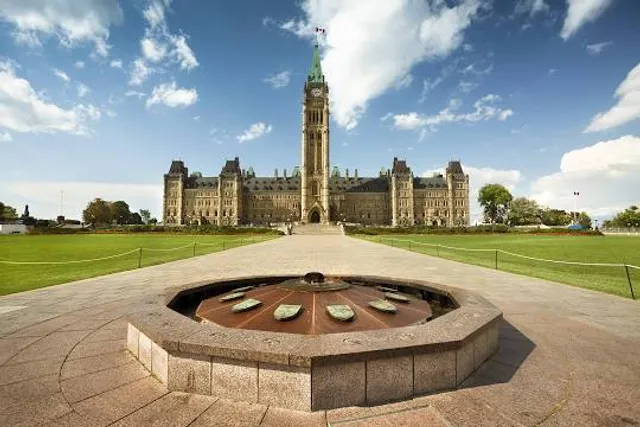
Centennial Flame
4.7
(939)
Open until 12:00 AM
Click for details
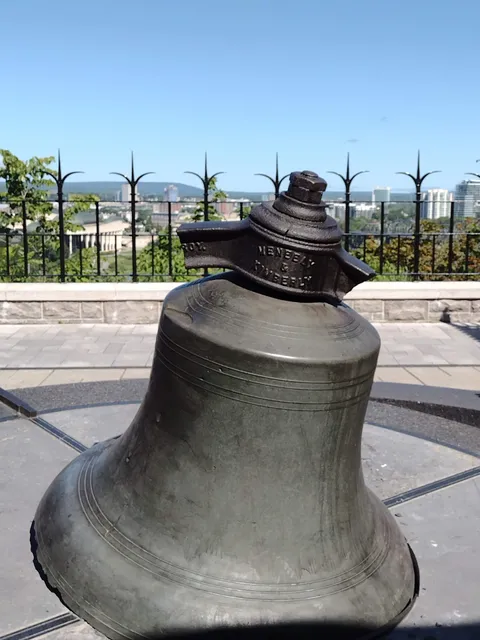
Victoria Tower Bell Monument
4.6
(38)
Open until 12:00 AM
Click for details
Nearby restaurants of Library of Parliament
Pomonas
Tavern On The Hill
Bier Markt
Riviera Ottawa
D'Arcy McGee's
ZOE'S
Laurier Buffet
Le Moulin de Provence KD METCALFE & QUEEN
3 Brasseurs - Sparks
Little Victories Coffee Roasters - Elgin

Pomonas
5.0
(22)
Open until 6:00 PM
Click for details
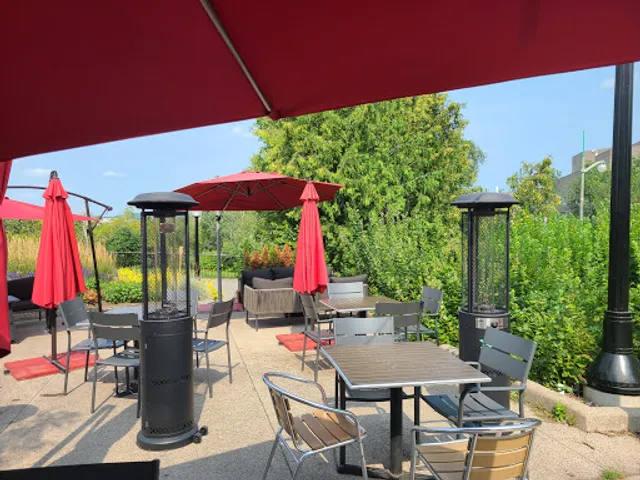
Tavern On The Hill
4.2
(1.1K)
Click for details
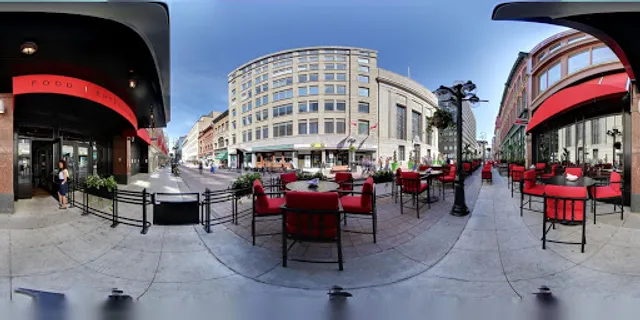
Bier Markt
4.2
(1.7K)
$$
Open until 11:00 PM
Click for details
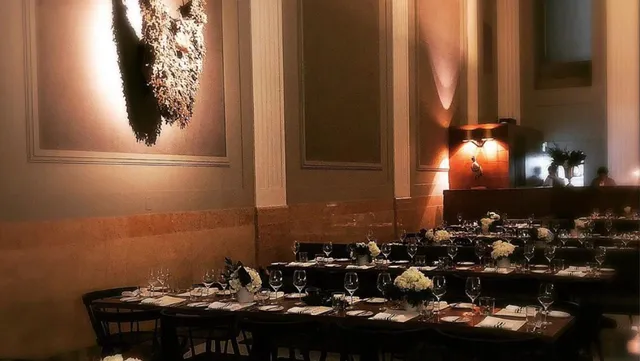
Riviera Ottawa
4.6
(768)
Closed
Click for details
Nearby local services of Library of Parliament
Victoria Tower Bell
Central Chambers National Historic Site of Canada
Sparks Street BIA & MA
House of Commons of Canada
Ottawa Sign, ByWard Market
Office of the Prime Minister and Privy Council
CF Rideau Centre
True Bijoux
La Vie Health
Senate of Canada Building

Victoria Tower Bell
4.7
(32)
Click for details
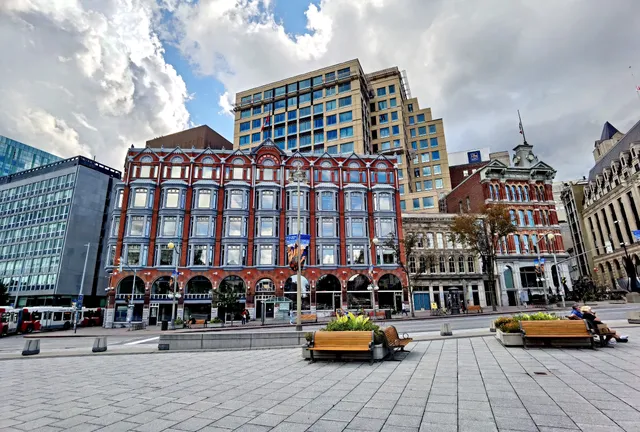
Central Chambers National Historic Site of Canada
4.4
(967)
Click for details
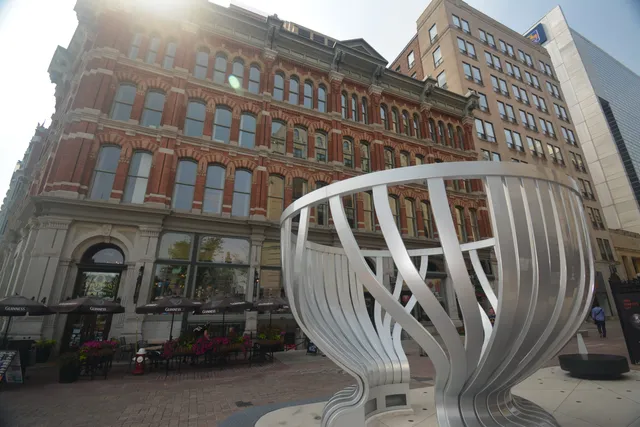
Sparks Street BIA & MA
4.4
(682)
Click for details
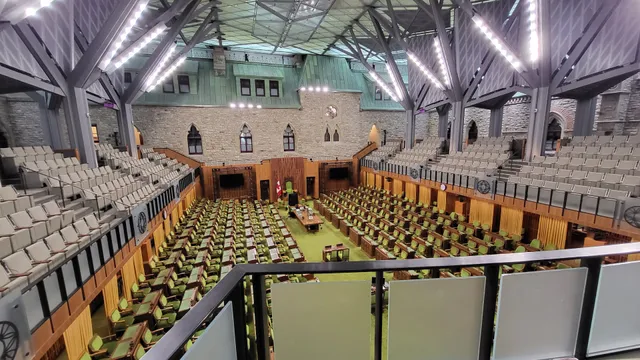
House of Commons of Canada
4.5
(88)
Click for details


The hit list

Plan your trip with Wanderboat
Welcome to Wanderboat AI, your AI search for local Eats and Fun, designed to help you explore your city and the world with ease.
Powered by Wanderboat AI trip planner.