Fort Edward National Historic Site things to do, attractions, restaurants, events info and trip planning
Basic Info
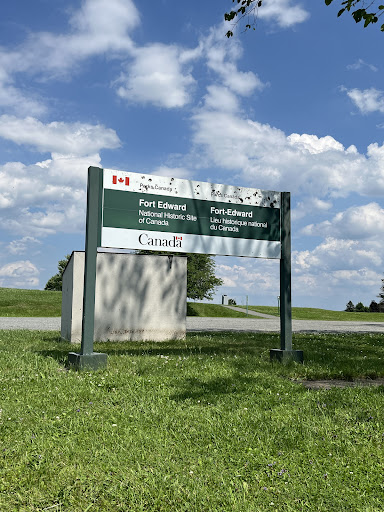
Fort Edward National Historic Site
67 Fort Edward St, Windsor, NS B0N 2T0, Canada
4.2(124)
Open 24 hours
Save
spot
spot
Ratings & Description
Info
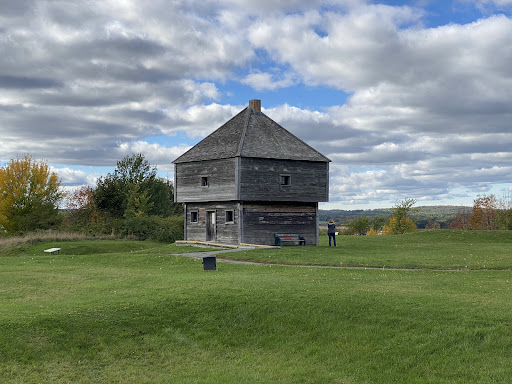
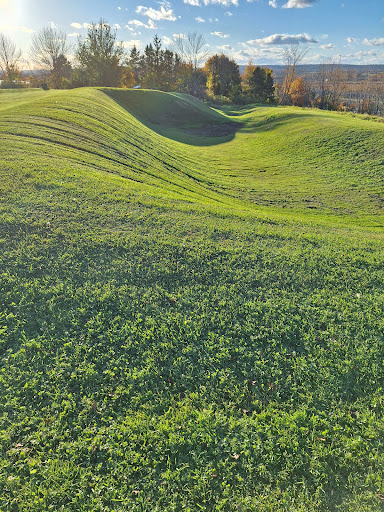
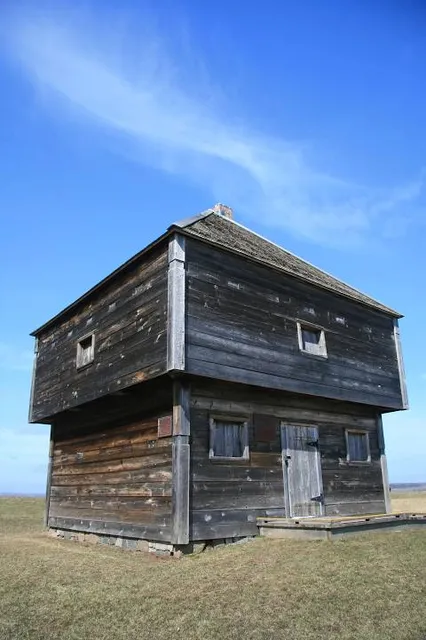
Fort Edward is a National Historic Site of Canada in Windsor, Nova Scotia, and was built during Father Le Loutre's War. The British built the fort to help prevent the Acadian Exodus from the region.
Cultural
Outdoor
Scenic
Family friendly
Accessibility
attractions: Mermaid Theatre of Nova Scotia, Makers Studio & Art Market, West Hants Historical Society, Cedar Centre, Trecothic Creek And Windsor Railway, restaurants: The Spitfire Arms Alehouse, Walkers Restaurant, Lisa's Family Restaurant, Hole in the Wall Restaurant, GERRISH & GRAY CAFE, Schoolhouse Brewery, T.A.N. Coffee - Windsor, Bedard Bakery, Tommy Gun's, Sable Shortbread, local businesses: Avon Community Farmers' Market, Payzant Home Hardware & Furniture - Windsor
 Learn more insights from Wanderboat AI.
Phone
+1 902-798-2639
Website
pc.gc.ca
Plan your stay

Pet-friendly Hotels in Windsor
Find a cozy hotel nearby and make it a full experience.

Affordable Hotels in Windsor
Find a cozy hotel nearby and make it a full experience.

The Coolest Hotels You Haven't Heard Of (Yet)
Find a cozy hotel nearby and make it a full experience.

Trending Stays Worth the Hype in Windsor
Find a cozy hotel nearby and make it a full experience.
Reviews
Nearby attractions of Fort Edward National Historic Site
Mermaid Theatre of Nova Scotia
Makers Studio & Art Market
West Hants Historical Society
Cedar Centre
Trecothic Creek And Windsor Railway

Mermaid Theatre of Nova Scotia
4.7
(42)
Open 24 hours
Click for details

Makers Studio & Art Market
4.9
(20)
Closed
Click for details
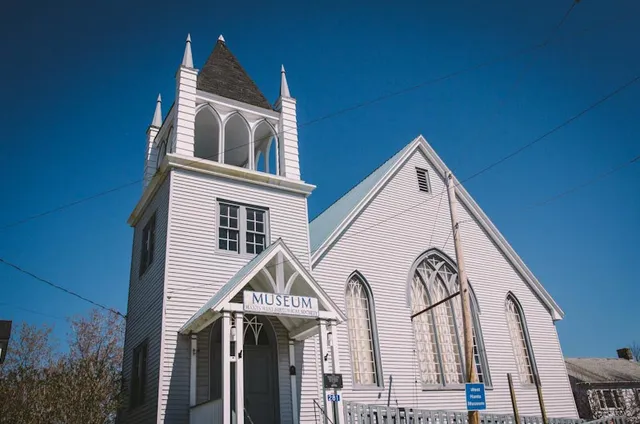
West Hants Historical Society
4.7
(18)
Open until 12:00 AM
Click for details

Cedar Centre
4.9
(11)
Open until 5:00 AM
Click for details
Nearby restaurants of Fort Edward National Historic Site
The Spitfire Arms Alehouse
Walkers Restaurant
Lisa's Family Restaurant
Hole in the Wall Restaurant
GERRISH & GRAY CAFE
Schoolhouse Brewery
T.A.N. Coffee - Windsor
Bedard Bakery
Tommy Gun's
Sable Shortbread
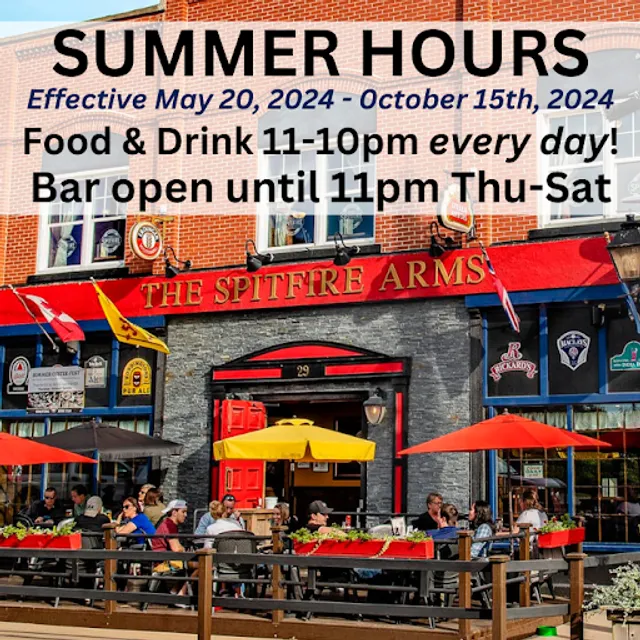
The Spitfire Arms Alehouse
4.4
(676)
Closed
Click for details
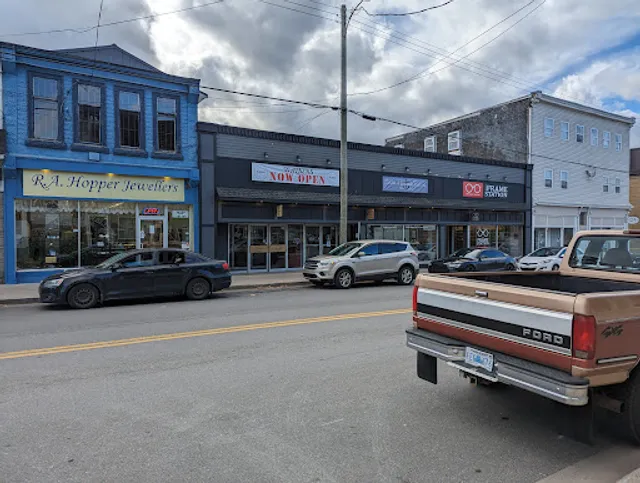
Walkers Restaurant
4.4
(299)
Closed
Click for details
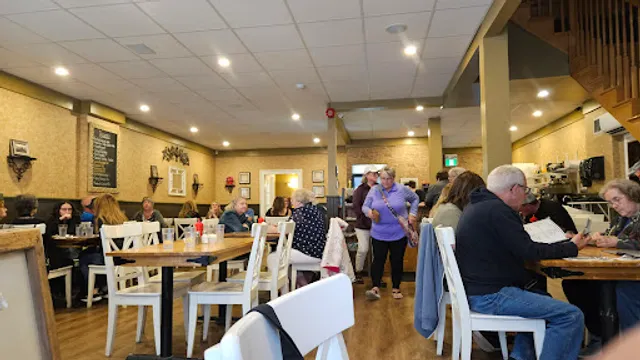
Lisa's Family Restaurant
4.5
(269)
Closed
Click for details
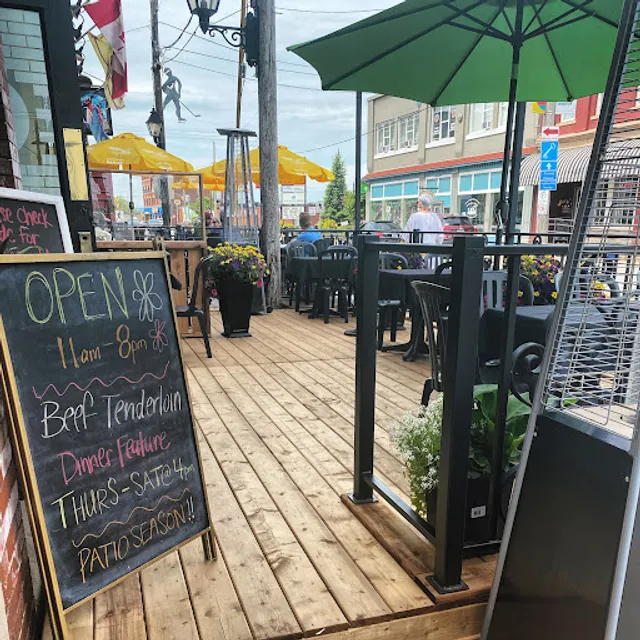
Hole in the Wall Restaurant
4.6
(123)
Closed
Click for details
Nearby local services of Fort Edward National Historic Site
Avon Community Farmers' Market
Payzant Home Hardware & Furniture - Windsor
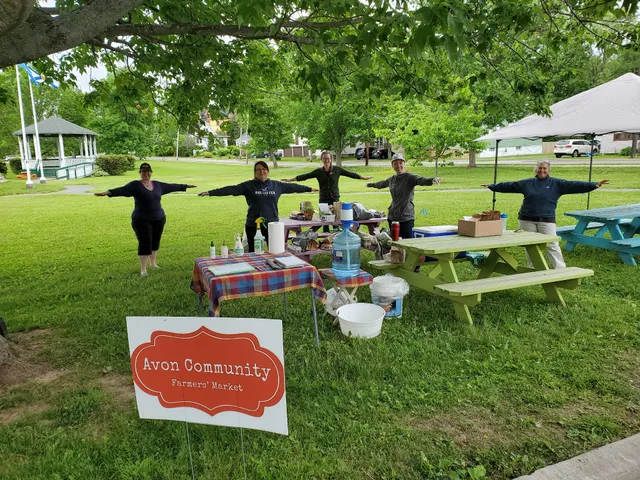
Avon Community Farmers' Market
4.9
(11)
Click for details
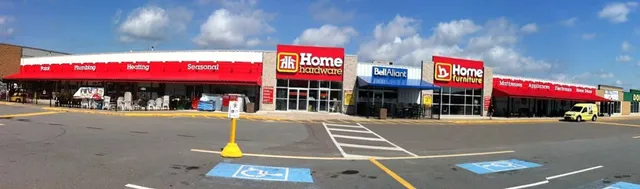
Payzant Home Hardware & Furniture - Windsor
4.4
(110)
Click for details