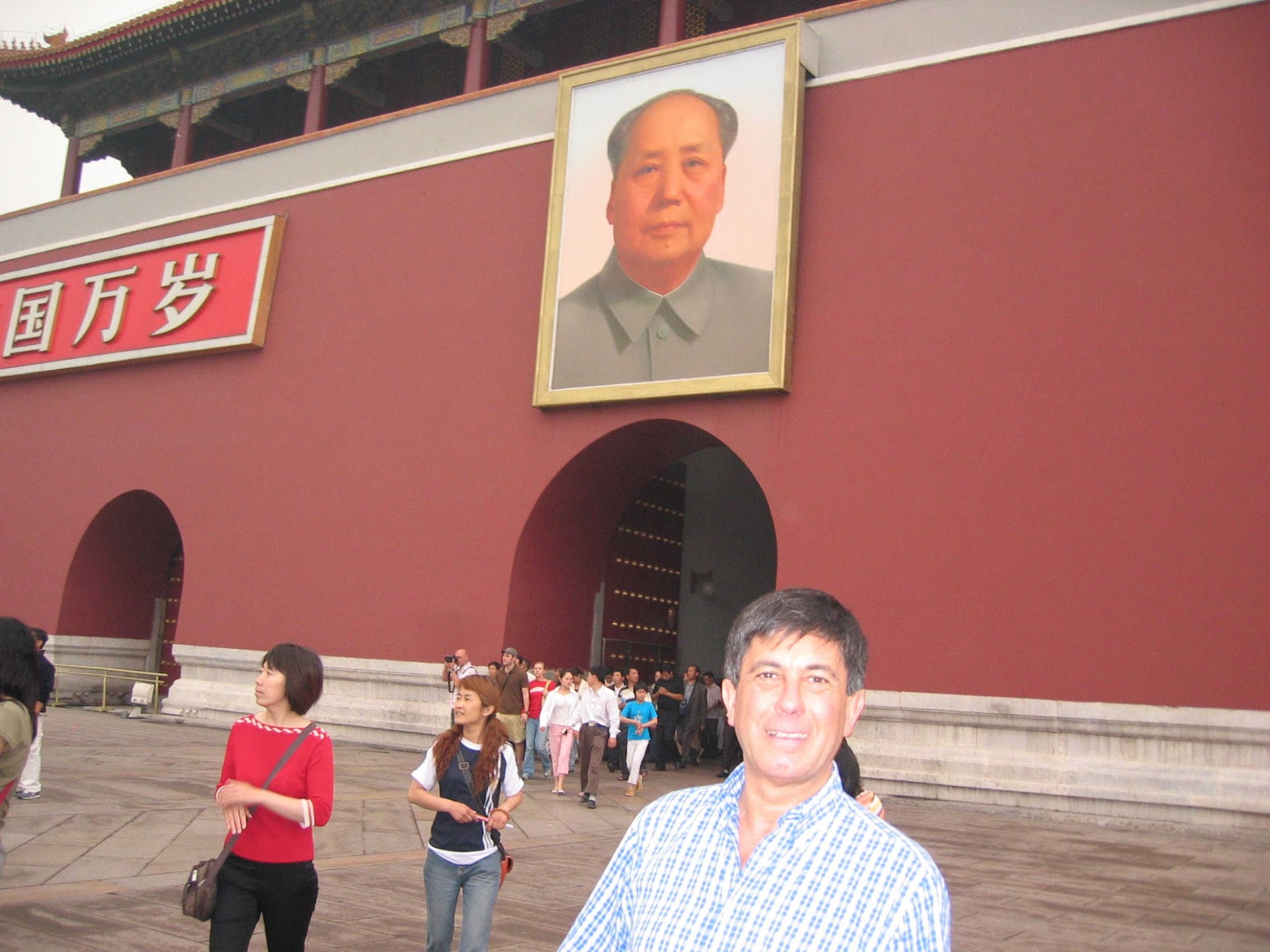
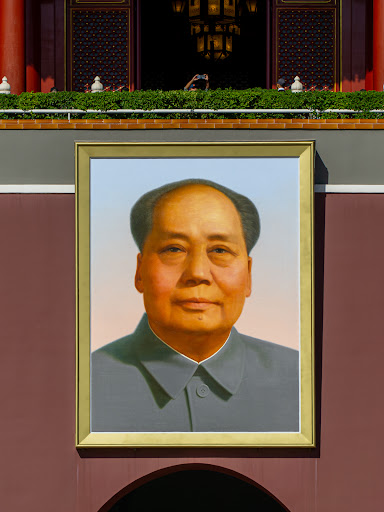
Tiananmen Square things to do, attractions, restaurants, events info and trip planning
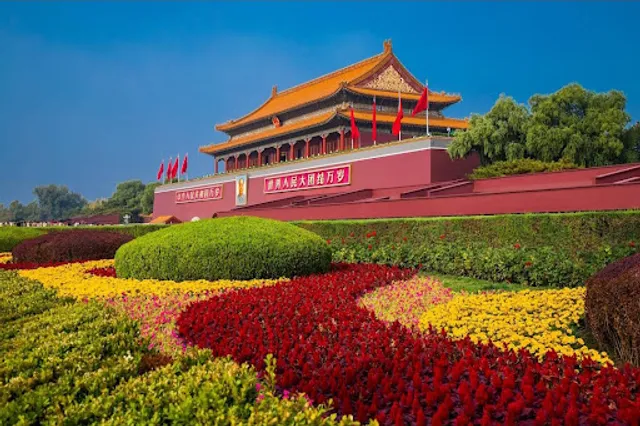
Basic Info
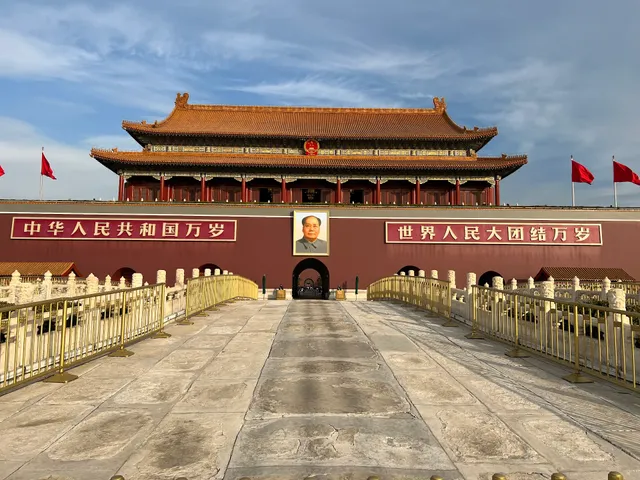
Tiananmen Square
China, Beijing, Dongcheng, 前门 邮政编码: 100051
4.4(2.8K)
Open 24 hours
Save
spot
spot
Ratings & Description
Info
Cultural
Scenic
Accessibility
attractions: Monument to the People's Heroes, Tiananmen, National Museum of China, Mausoleum of Mao Zedong, Great Hall of the People, Zhengyangmen, China Numismatic Museum, National Centre for the Performing Arts, Duanmen, Xiliting, restaurants: The Great Hall of the People Banquet Hall, 贵宾楼饭店喷泉酒吧, QUANJUDE, Tian'anmen Fangshan, Ch'ien men 23, Xintianyuan Fast Food, Laijin Yuxuan Restaurant, Lao She's Teahouse, 牛哥饺子, The Palace Museum Restaurant, local businesses: The Standing Committee of the National People's Congress, National Centre for the Performing Arts Parking Lot, China The Supreme People's Court, Beijing People's Government, Pageone, Underground City, Beijing Railway Station Beijing West Railway Station Jiebo Line
 Learn more insights from Wanderboat AI.
Plan your stay

Pet-friendly Hotels in Beijing
Find a cozy hotel nearby and make it a full experience.

Affordable Hotels in Beijing
Find a cozy hotel nearby and make it a full experience.

The Coolest Hotels You Haven't Heard Of (Yet)
Find a cozy hotel nearby and make it a full experience.

Trending Stays Worth the Hype in Beijing
Find a cozy hotel nearby and make it a full experience.
Reviews
Live events

AI Tech & Startup Night — Beijing
Wed, Feb 25 • 11:00 AM
Dongsi 2nd Alley Community Residents' Committee, 460 Dong Si Bei Da Jie, Dong Cheng Qu, Bei Jing Shi, China, 100009
View details

OpenClaw 北京 Developer Night
Thu, Feb 26 • 10:00 AM
Wudaokou, Haidian District, Beijing, China
View details
Nearby attractions of Tiananmen Square
Monument to the People's Heroes
Tiananmen
National Museum of China
Mausoleum of Mao Zedong
Great Hall of the People
Zhengyangmen
China Numismatic Museum
National Centre for the Performing Arts
Duanmen
Xiliting
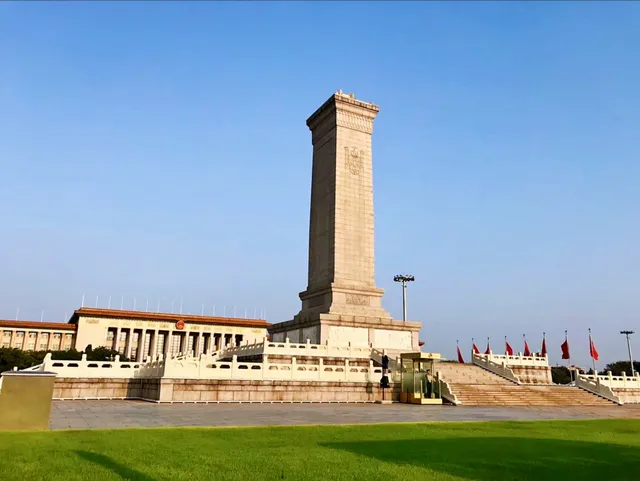
Monument to the People's Heroes
4.0
(140)
Open 24 hours
Click for details
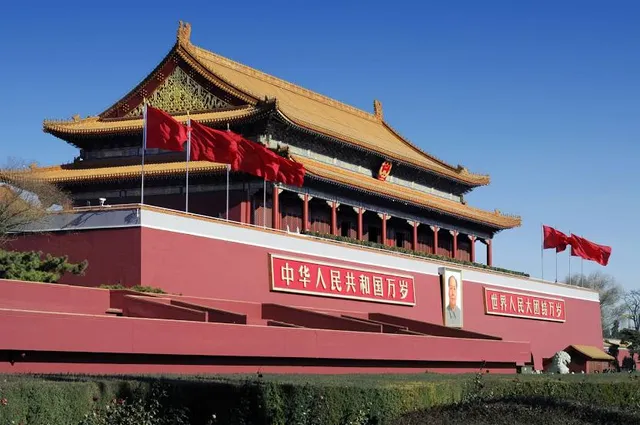
Tiananmen
4.3
(854)
Open 24 hours
Click for details
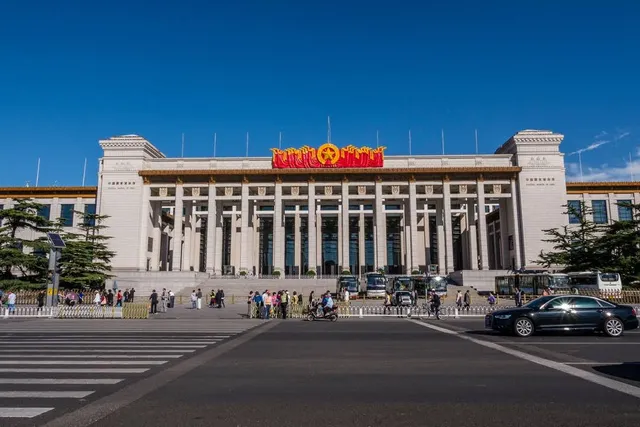
National Museum of China
4.3
(288)
Closed
Click for details
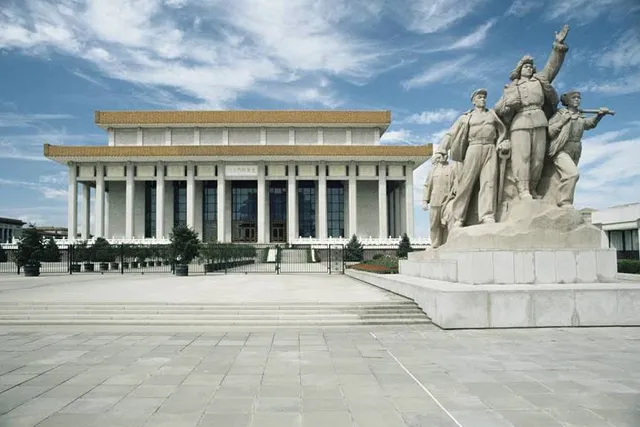
Mausoleum of Mao Zedong
3.6
(295)
Closed
Click for details
Nearby restaurants of Tiananmen Square
The Great Hall of the People Banquet Hall
贵宾楼饭店喷泉酒吧
QUANJUDE
Tian'anmen Fangshan
Ch'ien men 23
Xintianyuan Fast Food
Laijin Yuxuan Restaurant
Lao She's Teahouse
牛哥饺子
The Palace Museum Restaurant
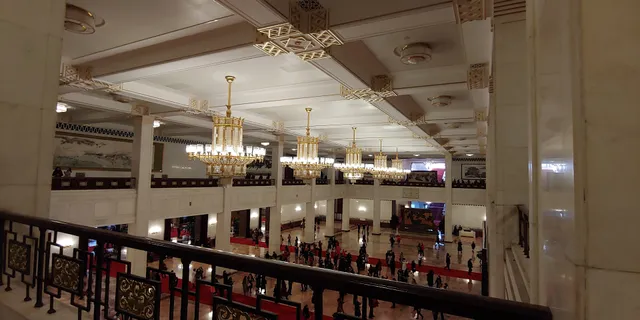
The Great Hall of the People Banquet Hall
2.8
(3)
Click for details
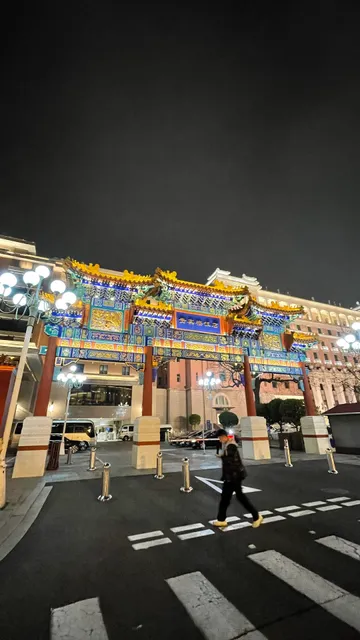
贵宾楼饭店喷泉酒吧
3.5
(1)
Click for details
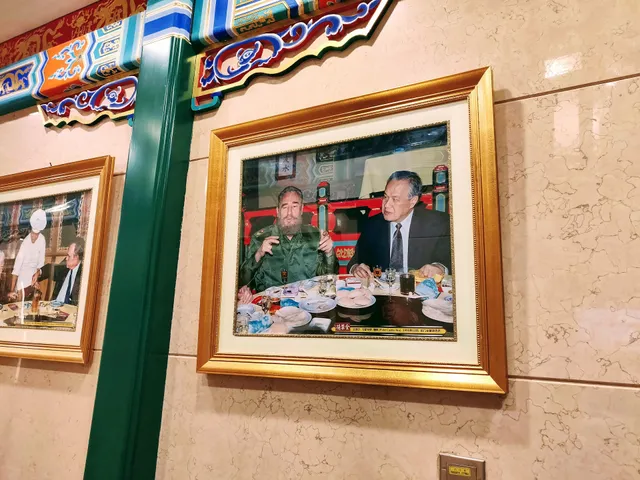
QUANJUDE
4.2
(30)
$$$
Open until 10:00 PM
Click for details
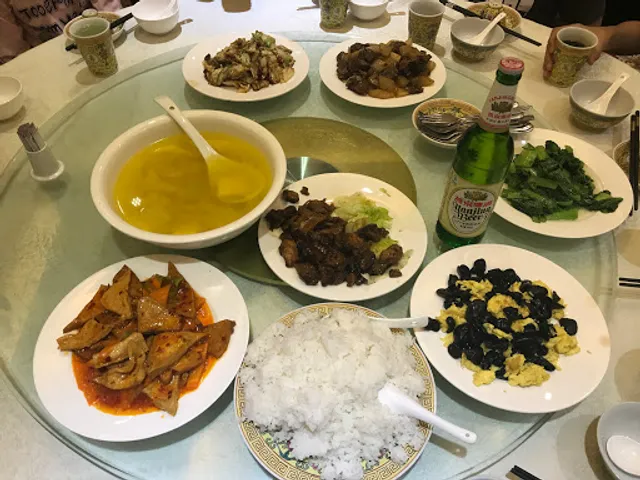
Tian'anmen Fangshan
3.8
(3)
Click for details
Nearby local services of Tiananmen Square
The Standing Committee of the National People's Congress
National Centre for the Performing Arts Parking Lot
China The Supreme People's Court
Beijing People's Government
Pageone
Underground City
Beijing Railway Station Beijing West Railway Station Jiebo Line
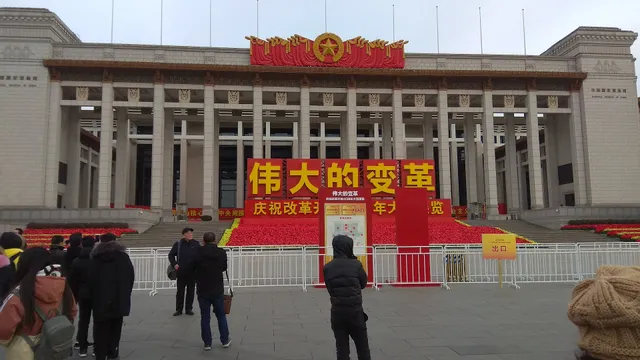
The Standing Committee of the National People's Congress
2.3
(11)
Click for details
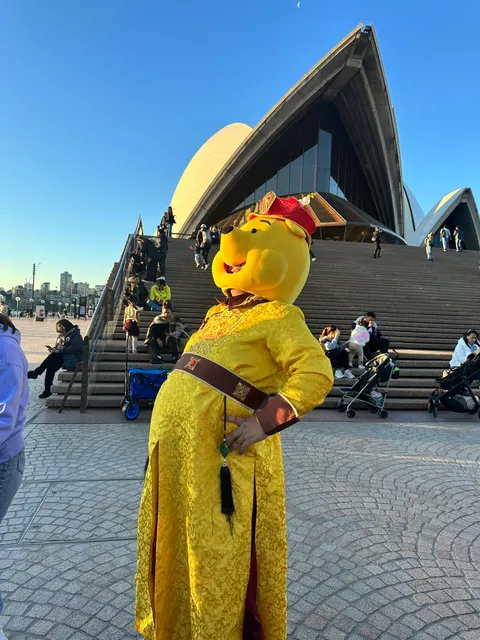
National Centre for the Performing Arts Parking Lot
4.4
(11)
Click for details
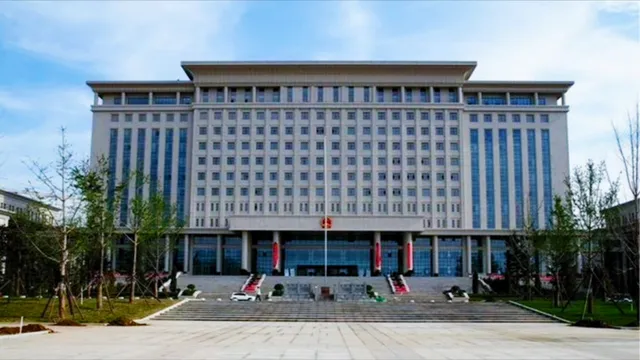
China The Supreme People's Court
3.5
(11)
Click for details
Beijing People's Government
3.5
(29)
Click for details