Zhengyangmen things to do, attractions, restaurants, events info and trip planning
Basic Info
Zhengyangmen
W92X+64H, Qianmen St, 前门 Dongcheng, China, 100051
4.3(172)
Open 24 hours
Save
spot
spot
Ratings & Description
Info
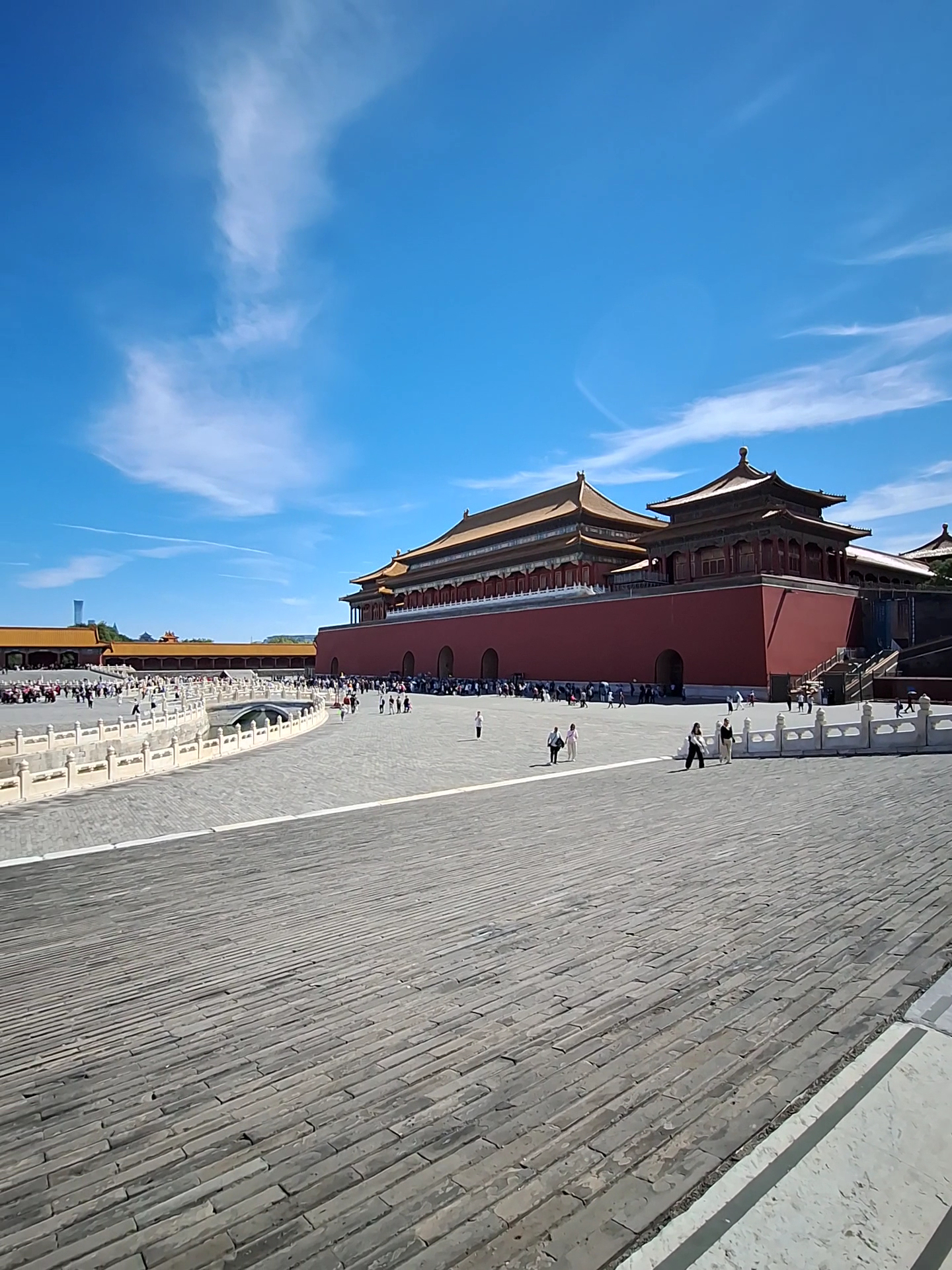
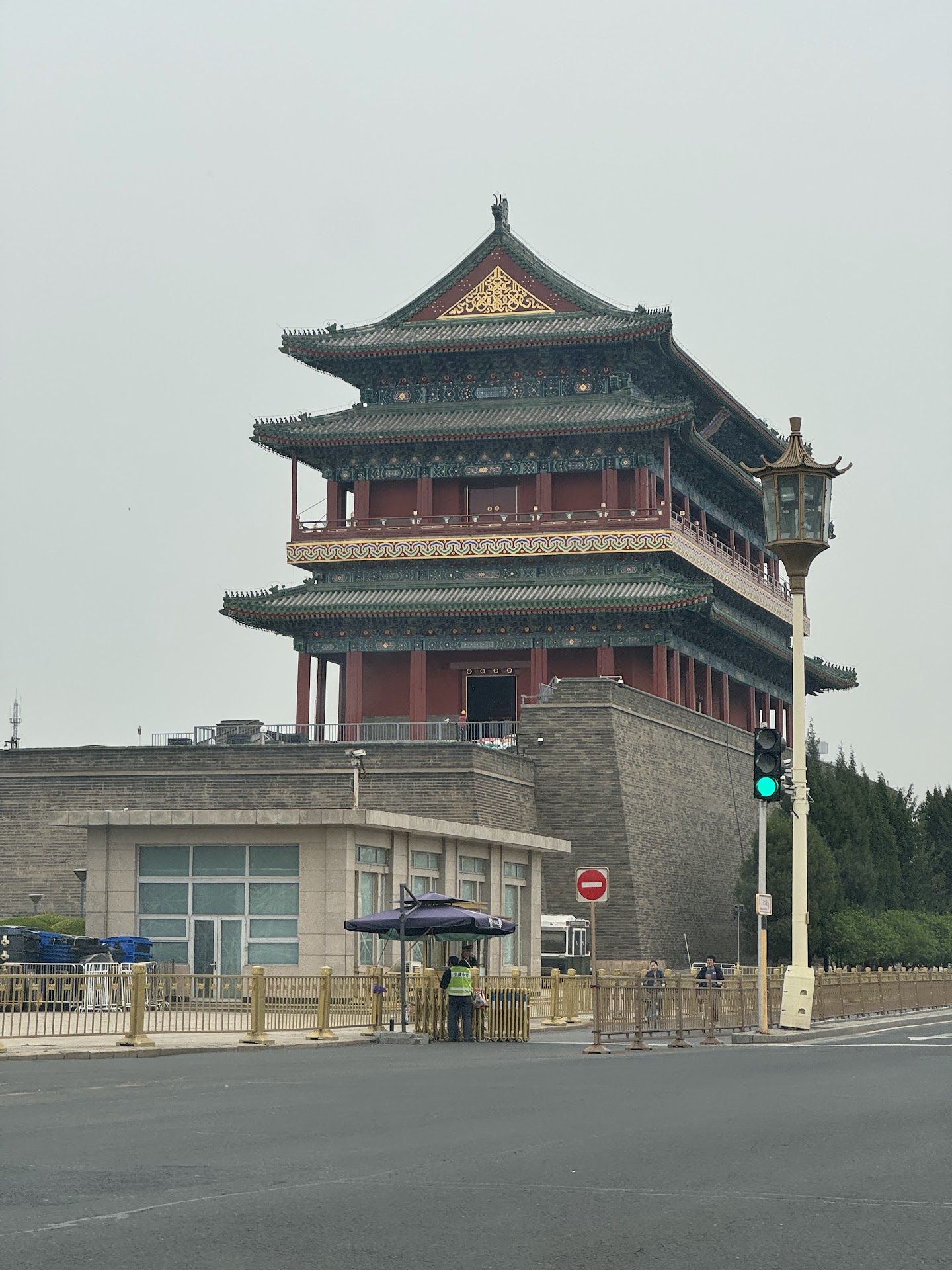
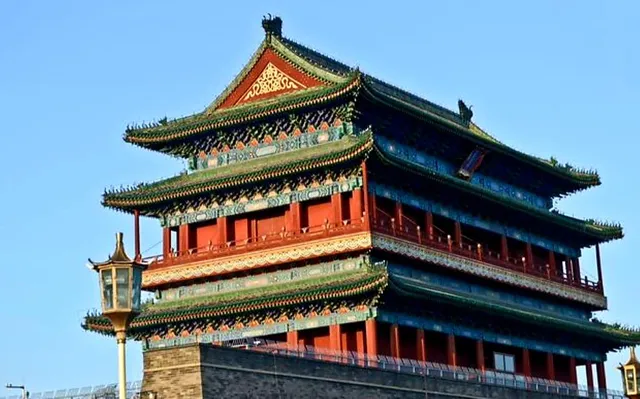
Qianmen is the colloquial name for Zhengyangmen, a gate in Beijing's historic city wall. The gate is situated to the south of Tiananmen Square and once guarded the southern entry into the Inner City.
Cultural
Scenic
Family friendly
Accessibility
attractions: Mausoleum of Mao Zedong, 正阳门箭楼, Zhengyang Bridge, Tiananmen Square, 正阳门东站, China Railway Museum Zhengyangmen Branch, Beijing Planning Exhibition Hall, Monument to the People's Heroes, China Numismatic Museum, National Museum of China, restaurants: QUANJUDE, 豆留咖啡, Starbucks Langfang Toutiao Branch, Lao She's Teahouse, Siji Minfu, QUANJUDE, Starbucks Coffee, Xintianyuan Fast Food, Ch'ien men 23, 清真东来顺饭庄, local businesses: Qianmen, Pageone, Underground City, Xianyukou Delicacy Street, The Standing Committee of the National People's Congress, China The Supreme People's Court, Beijing Railway Station Beijing West Railway Station Jiebo Line, Beijing People's Government, National Centre for the Performing Arts Parking Lot
 Learn more insights from Wanderboat AI.
Phone
+86 10 6525 3176
Plan your stay

Pet-friendly Hotels in Beijing
Find a cozy hotel nearby and make it a full experience.

Affordable Hotels in Beijing
Find a cozy hotel nearby and make it a full experience.

The Coolest Hotels You Haven't Heard Of (Yet)
Find a cozy hotel nearby and make it a full experience.

Trending Stays Worth the Hype in Beijing
Find a cozy hotel nearby and make it a full experience.
Reviews
Live events

OpenClaw 北京 Developer Night
Thu, Feb 26 • 10:00 AM
Wudaokou, Haidian District, Beijing, China
View details

Web4.0中国行(OpenClaw Agent主题交流) - 北京站
Sat, Feb 28 • 6:00 AM
Bei Jing Shi
View details
Nearby attractions of Zhengyangmen
Mausoleum of Mao Zedong
正阳门箭楼
Zhengyang Bridge
Tiananmen Square
正阳门东站
China Railway Museum Zhengyangmen Branch
Beijing Planning Exhibition Hall
Monument to the People's Heroes
China Numismatic Museum
National Museum of China
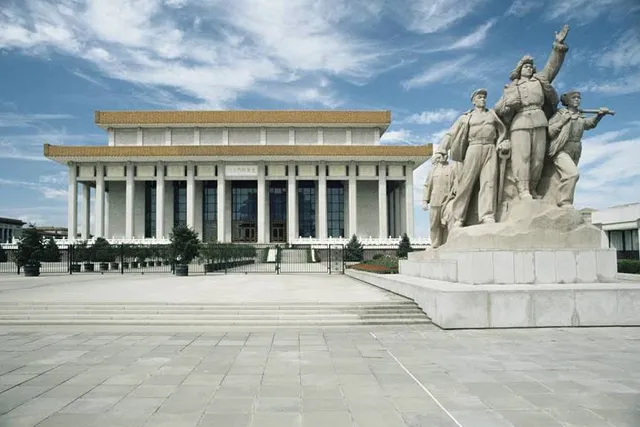
Mausoleum of Mao Zedong
3.6
(324)
Open until 11:00 AM
Click for details
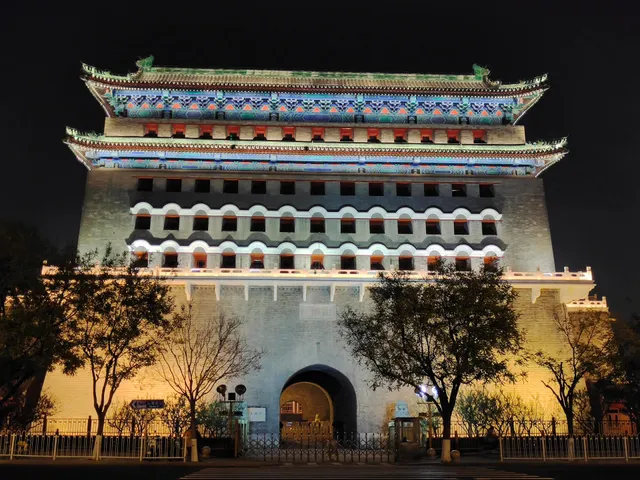
正阳门箭楼
4.5
(67)
Open 24 hours
Click for details
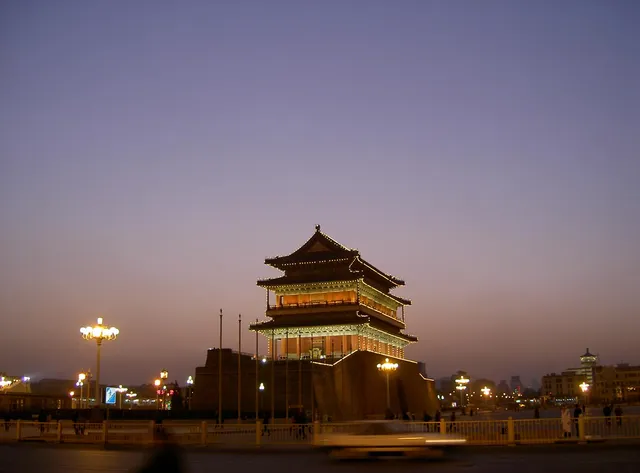
Zhengyang Bridge
4.6
(49)
Open 24 hours
Click for details
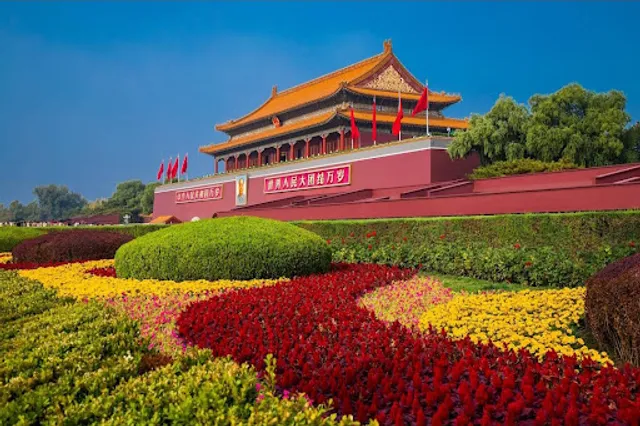
Tiananmen Square
4.4
(2.8K)
Open 24 hours
Click for details
Nearby restaurants of Zhengyangmen
QUANJUDE
豆留咖啡
Starbucks Langfang Toutiao Branch
Lao She's Teahouse
Siji Minfu
QUANJUDE
Starbucks Coffee
Xintianyuan Fast Food
Ch'ien men 23
清真东来顺饭庄
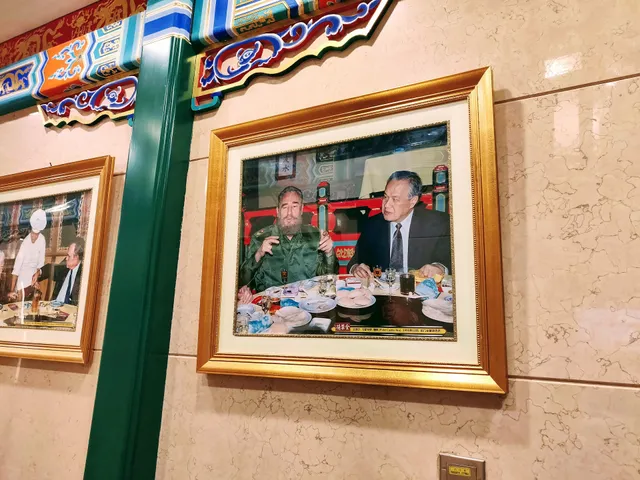
QUANJUDE
4.2
(31)
$$$
Closed
Click for details
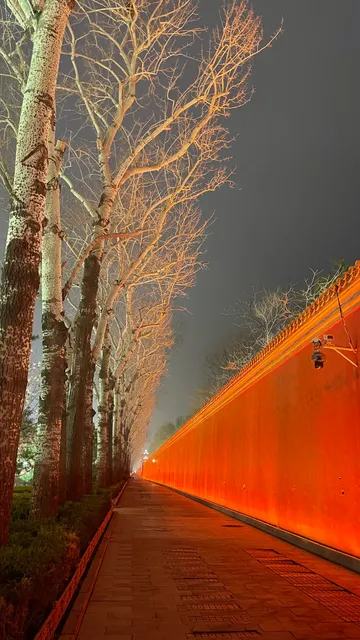
豆留咖啡
4.0
(1)
Click for details
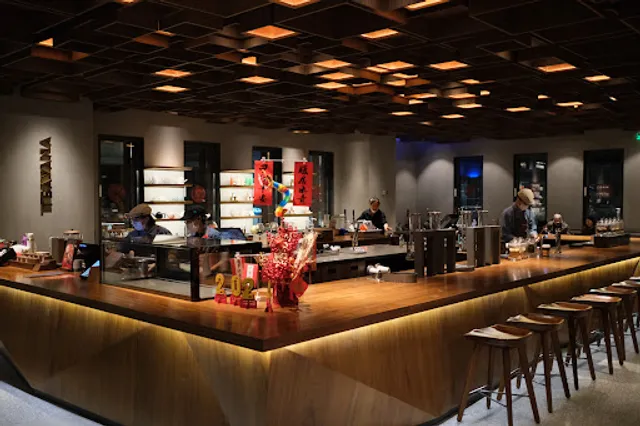
Starbucks Langfang Toutiao Branch
4.4
(9)
Click for details
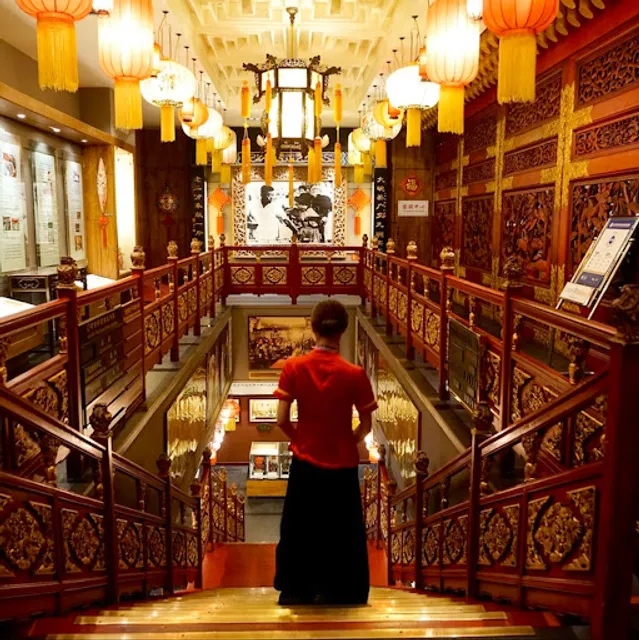
Lao She's Teahouse
3.8
(54)
Closed
Click for details
Nearby local services of Zhengyangmen
Qianmen
Pageone
Underground City
Xianyukou Delicacy Street
The Standing Committee of the National People's Congress
China The Supreme People's Court
Beijing Railway Station Beijing West Railway Station Jiebo Line
Beijing People's Government
National Centre for the Performing Arts Parking Lot
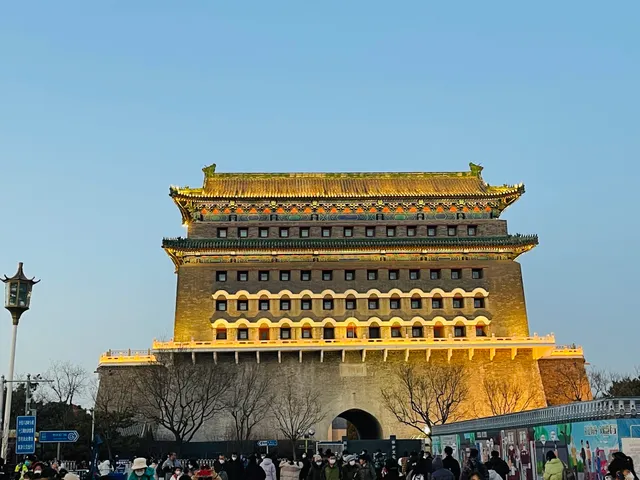
Qianmen
4.7
(8)
Click for details
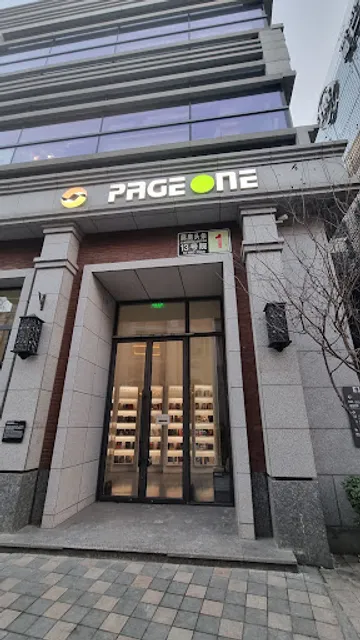
Pageone
4.9
(8)
Click for details
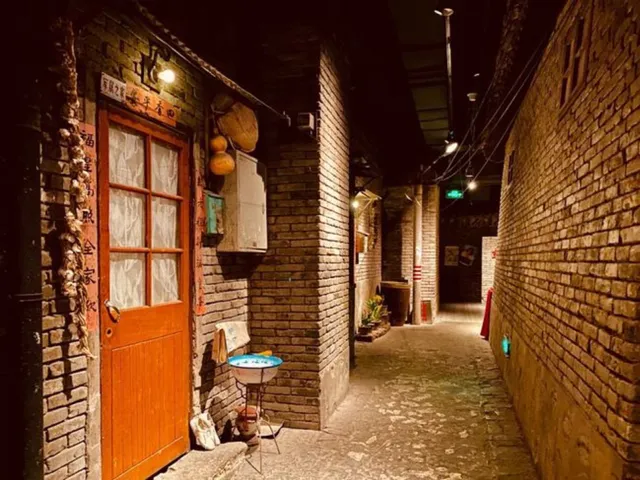
Underground City
3.2
(10)
Click for details
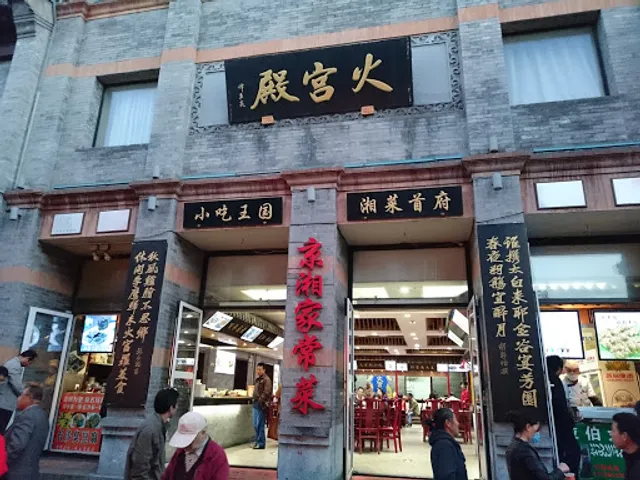
Xianyukou Delicacy Street
4.2
(16)
Click for details