⛪️How to Capture the Most Beautiful Photos of St. Sophia Cathedral? ⛪️Is It Worth Buying a Ticket to Enter?
📸Best Angles for Photographing St. Sophia Cathedral One of the most stunning photos I’ve seen of St. Sophia Cathedral was taken over a decade ago from a bird’s-eye view (see Image 1). The cathedral was blanketed in fresh snow, with a golden ray of sunset illuminating its onion dome. The entire church looked like a giant collectible figure delicately placed in the middle of Sophia Square.
At that time, consumer drone technology wasn’t widely available, so this image was likely taken from the rooftop of a nearby high-rise using a tilt-shift effect with a telephoto lens. It resembled the miniature models of the cathedral sold in souvenir shops—carrying a dreamy, fairytale-like charm. Unfortunately, I couldn’t find the original photo, so I had to generate a simulated version using AI.
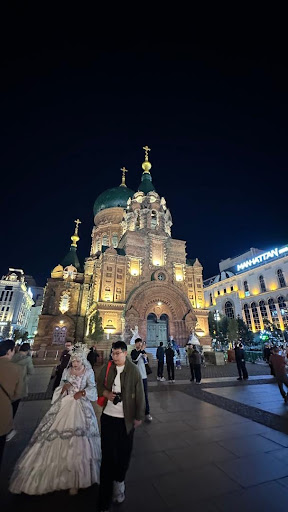
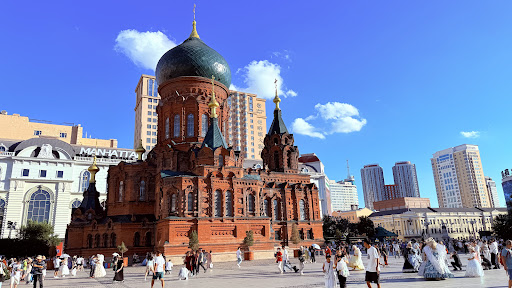
Since the area around St. Sophia Cathedral is densely packed with buildings, capturing a clean, clutter-free masterpiece requires extra effort from photographers. Some techniques to enhance your shots include:
Using nighttime lighting effects (Image 2): A mix of warm and cool tones can create a more dynamic composition.
Adding storytelling elements (Image 3): Incorporate motion blur with a speeding taxi 🚕 to inject a sense of life and narrative into your image.
Framing through an archway (Image 7): This trendy composition has become increasingly popular in recent years. However, during peak seasons, you might need to queue for this specific shot.
Unique perspectives (Image 4): Ever seen St. Sophia Cathedral covered in green scaffolding like a patient in a hospital gown? 🤣
A true photography genius always finds unconventional angles—even through the lens of time itself.
So, what do you think is the most breathtaking angle for capturing St. Sophia Cathedral? Have you taken any unique or extraordinary shots? Feel free to share them in the comments!
Q2🤔Is It Worth Buying a Ticket to Enter St. Sophia Cathedral?
Many negative reviews suggest that the entrance fee is a common complaint. But whether it's worth paying depends on your expectations. For instance, the criticism in Image 5 seems somewhat biased—this ¥20 ticket isn’t an unfair charge targeting tourists, as even locals have to pay the same price (there's no special local discount). However, if you ask Harbin residents whether they would pay to enter, 99% of them would say no.
That said, the value of this ¥20 ticket depends on what you're comparing it to. St. Sophia Cathedral, built in 1907, holds historical and architectural significance, particularly in the context of Sino-Russian cultural exchanges. If you have an interest in history and architecture, you may find it worth visiting. The interior does feature murals and exhibitions.
For comparison, consider Istanbul’s Hagia Irene Church, which I reviewed a few days ago. Its standalone ticket costs a whopping 500 lira, yet the interior is practically empty—no exhibits, no decorations, just bare walls! So, which one do you think offers better value!
As for tourists leaving bad reviews simply because the cathedral is not an active religious site, that’s a result of poor research. St. Sophia Cathedral has not functioned as a place of worship for over 70 years, and it was never a Christian church to begin with.
Of course, this isn't to justify the ticket price. For long-distance travelers who have already spent heavily on flights and accommodation, what’s another ¥20? The organizers likely recognize this mindset, which is why they confidently continue charging for...
Read moreHarbin's Quiet Soul in September
Everyone pictures Harbin in a deep freeze, a world of glittering ice and sub-zero breath. I wanted the secret. I went in September, when the summer crowds had vanished and the bitter winter had not yet laid its claim. My backpack was lighter, filled with sweaters instead of parkas, and I had the city almost to myself.
This was my autumn escape.
A City Breathing Deeply
The first thing that struck me was the air. It wasn't the knife's edge of winter, but a crisp, cool clarity that made every breath feel refreshing. The sky was a vast, impossible blue, a backdrop to the iconic Russian-style domes and architecture. Strolling through the
Zhongyang Pedestrian Street without having to navigate through throngs of people was a luxury. I could actually stop and admire the intricate stonework, hear the echo of my own footsteps on the cobblestones, and chat with elderly shopkeepers airing out their wares in the mild sun.
Zhongyang Pedestrian Street in autumn, showing European-style architecture under the blue sky.
Sunshine and the Songhua River
The frozen monster of winter, the Songhua River was now a gentle giant. The banks were still lively, but with a different energy. Instead of ice slides, there were couples flying kites against the brilliant blue sky. I spent an entire afternoon just sitting on the warm concrete steps of the flood wall, watching ships go by and old men play chess in the sunshine. It was peaceful in a way I never associated with Harbin. I felt less like a tourist and more like a temporary local, enjoying the last, perfect days of warmth.
A Flash of Winter's Ghost at St. Sophia
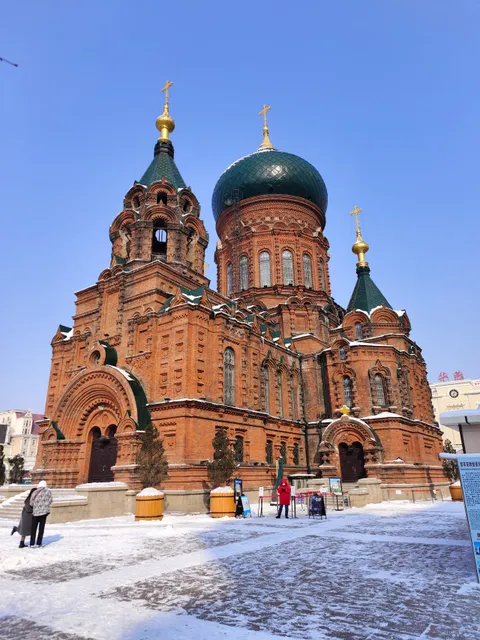
The most surprising moment came at St. Sophia Cathedral. The square was quiet, filled with the lazy circling of pigeons. But as I rounded the corner, I saw it: a dedicated team of workers already unloading blocks of ice from a truck, preparing for the famous festival still months away.
It was the most surreal contrast: me in my autumn sweater, watching the very beginnings of the winter wonderland being built under the warm sun. It felt like I was witnessing a secret ritual, the behind-the-scenes magic that makes the icy spectacle possible.
Next stop ✋ cross the border to the Land of Russia. 🇷🇺 Visa...
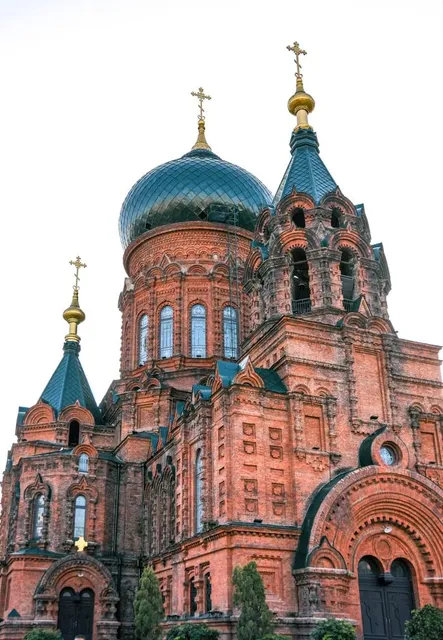
Read moreSaint Sophia Cathedral is an absolute gem in the heart of Harbin and one of the most iconic landmarks in the city. The first time I saw its magnificent green onion domes rising above the square, I was stunned by its elegance and grandeur. Built in the early 20th century, this former Russian Orthodox church is a perfect example of Byzantine architecture, with intricate brickwork, ornate arches, and a sense of majesty that transports you straight back to Harbin’s rich multicultural past.
Although it no longer functions as a church, the building is now a museum that showcases the history of Harbin through photographs, artifacts, and exhibits. Inside, you can admire the soaring ceilings, detailed murals, and the warm glow of light filtering through the windows—it feels peaceful and timeless. The square surrounding the cathedral is also a great place to relax, take photos, and watch the rhythm of city life.
Visiting Saint Sophia Cathedral is more than just seeing a beautiful building—it’s experiencing a piece of Harbin’s unique history where Russian, Chinese, and European influences meet. Whether you’re an architecture lover, a history enthusiast, or simply a curious traveler, this place will leave you inspired. A...
Read more