Cathedral of the Immaculate Conception of the Virgin Mary things to do, attractions, restaurants, events info and trip planning
Basic Info
Cathedral of the Immaculate Conception of the Virgin Mary
156 Empedrado, La Habana, Cuba
4.7(312)
Open until 5:00 PM
Save
spot
spot
Ratings & Description
Info
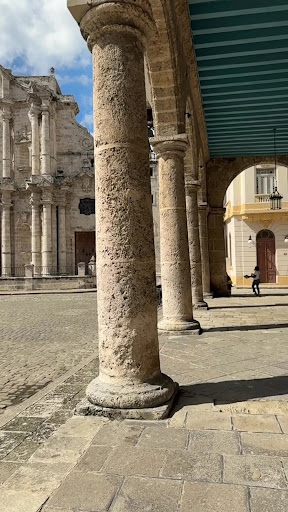
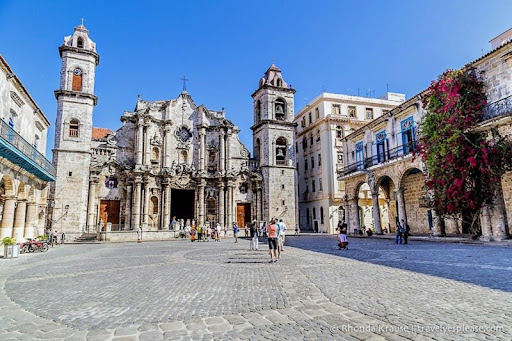
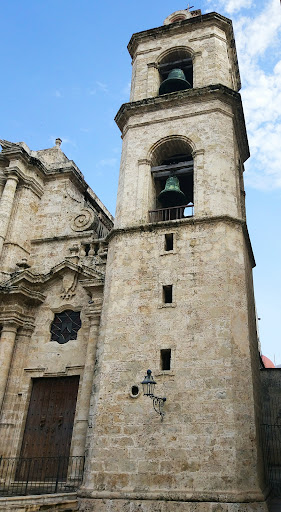
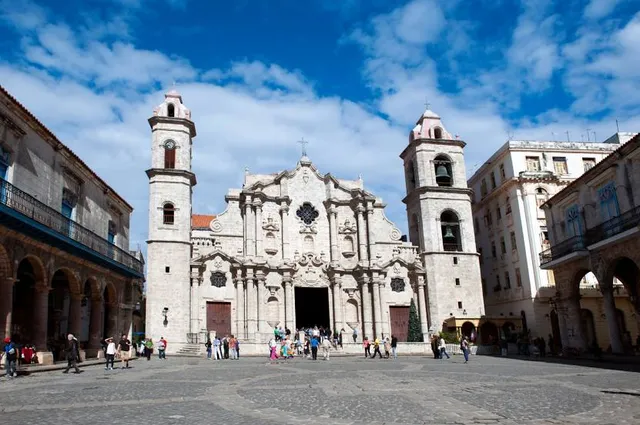
Havana Cathedral is one of eleven Catholic cathedrals on the island. It is located in the Plaza de la Catedral on Calle Empedrado, between San Ignacio y Mercaderes, Old Havana, Havana, Cuba. The thirty by forty-nine meters rectangular church serves as the seat of the Archdiocese of San Cristóbal de la Habana.
Cultural
Scenic
Family friendly
Accessibility
attractions: Plaza de la Catedral, Cathédrale de La Havane, Plaza de Armas, Contemporary Art Center Wifredo Lam, Havana Castle Of The Royal Force, Experimental Graphics Workshop, Palacio de los Capitanes Generales, Cespedes the Maestranza Park, La Giraldilla, Museum Of The City, restaurants: La Bodeguita Del Medio, Esto no es un café, Fonda Al Pirata, La Moneda Cubana, El Rum Rum de la Habana, Restaurante Casa Roma 1860, Bohemia Habana Bar Libreria, Café O'Reilly, El del Frente, Mythos Restaurant & Coffee, local businesses: Cathédrale de La Havane, Palacio de la Artesania Casa Del Habano, Fuente de Neptuno, Obispo, Flea Market Craft Market, Museo de la Revolución, Maximo Gomez Monument, Iglesia de San Francisco el nuevo, Dador Havana Cuban fashion and lifestyle brand, Sloppy Joe's Bar, Havana
 Learn more insights from Wanderboat AI.
Phone
+53 7 8617771
Website
arquidiocesisdelahabana.org
Open hoursSee all hours
Wed9 AM - 5 PMOpen
Plan your stay

Pet-friendly Hotels in Catedral
Find a cozy hotel nearby and make it a full experience.

Affordable Hotels in Catedral
Find a cozy hotel nearby and make it a full experience.

The Coolest Hotels You Haven't Heard Of (Yet)
Find a cozy hotel nearby and make it a full experience.

Trending Stays Worth the Hype in Catedral
Find a cozy hotel nearby and make it a full experience.
Reviews
Live events

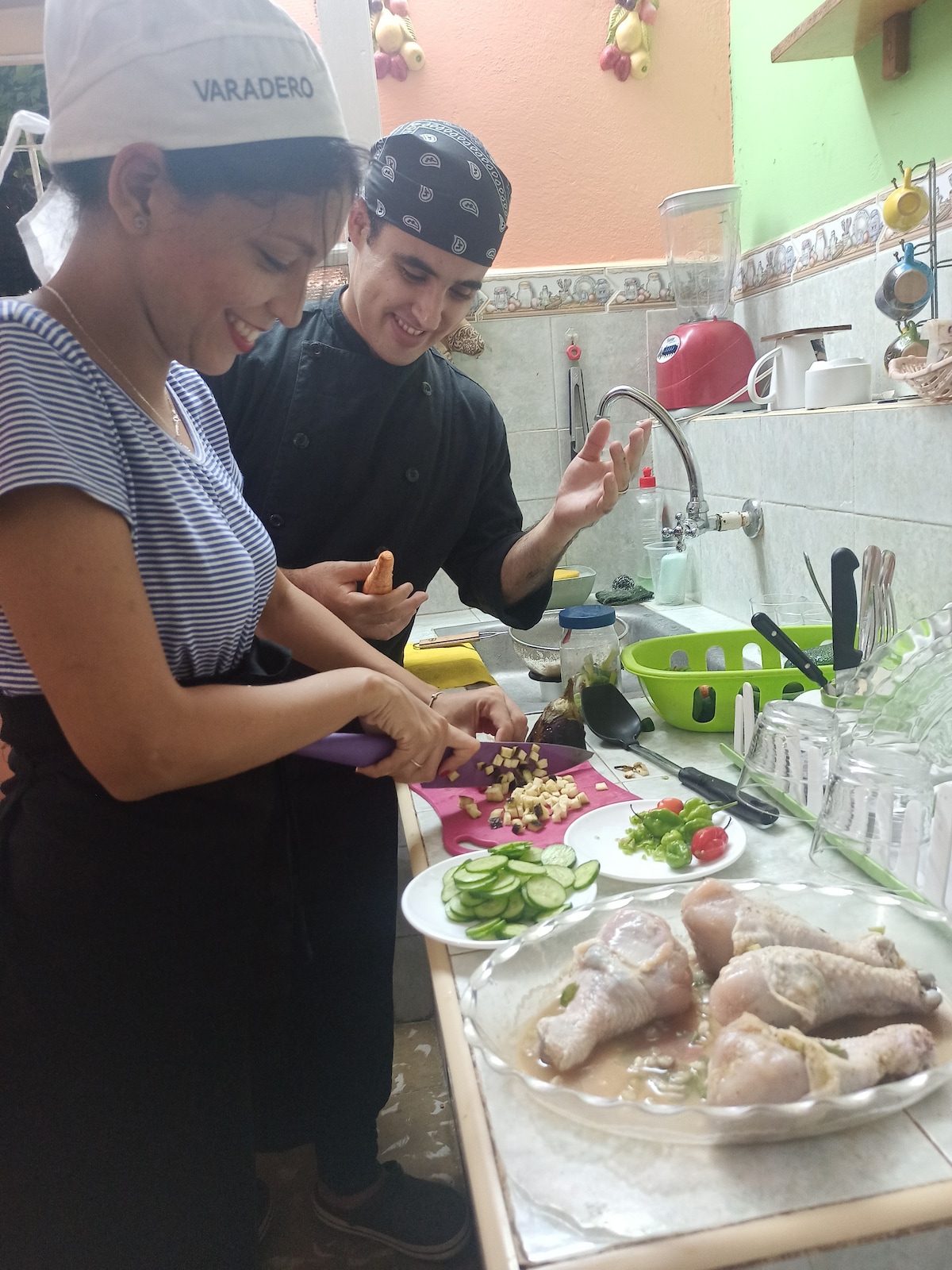
Cuban Street Food, All inclusive
Mon, Feb 9 • 9:00 AM
La Habana, La Habana 10400, Cuba
View details
Dive into Cuban cooking with a native
Wed, Feb 11 • 11:30 AM
La Habana, La Habana , Cuba
View details
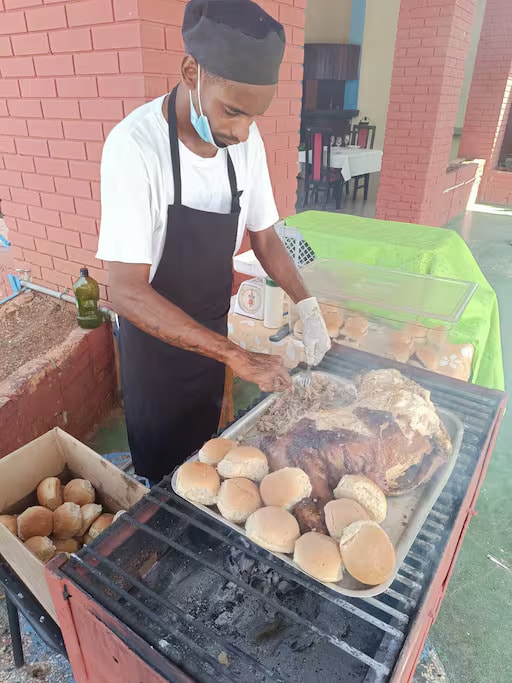
Taste Cuban street food
Wed, Feb 11 • 10:30 AM
Havana, Havana n/a, Cuba
View details
Nearby attractions of Cathedral of the Immaculate Conception of the Virgin Mary
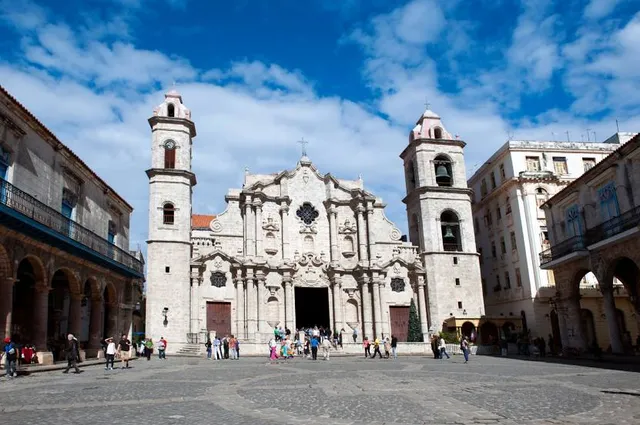
Plaza de la Catedral
Cathédrale de La Havane
Plaza de Armas
Contemporary Art Center Wifredo Lam
Havana Castle Of The Royal Force
Experimental Graphics Workshop
Palacio de los Capitanes Generales
Cespedes the Maestranza Park
La Giraldilla
Museum Of The City
Plaza de la Catedral
4.7
(1.1K)
Open 24 hours
Click for details
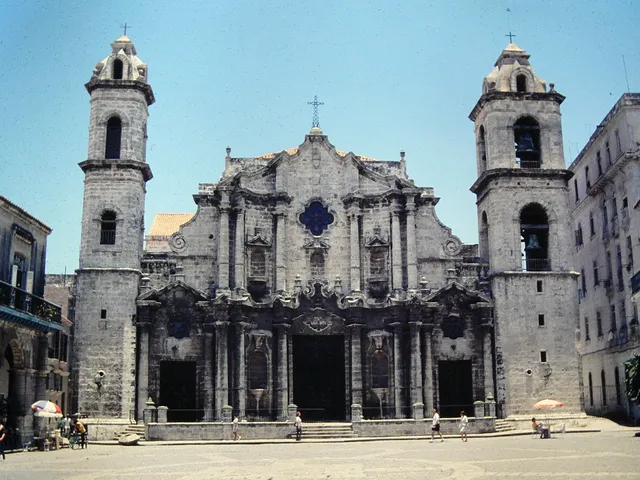
Cathédrale de La Havane
4.6
(40)
Open 24 hours
Click for details
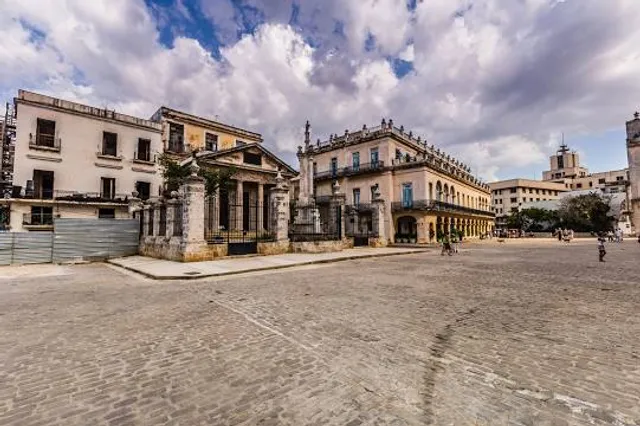
Plaza de Armas
4.6
(813)
Open until 12:00 AM
Click for details
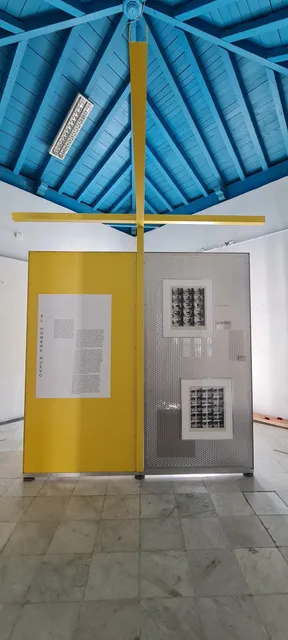
Contemporary Art Center Wifredo Lam
4.7
(15)
Open until 5:00 PM
Click for details
Nearby restaurants of Cathedral of the Immaculate Conception of the Virgin Mary
La Bodeguita Del Medio
Esto no es un café
Fonda Al Pirata
La Moneda Cubana
El Rum Rum de la Habana
Restaurante Casa Roma 1860
Bohemia Habana Bar Libreria
Café O'Reilly
El del Frente
Mythos Restaurant & Coffee
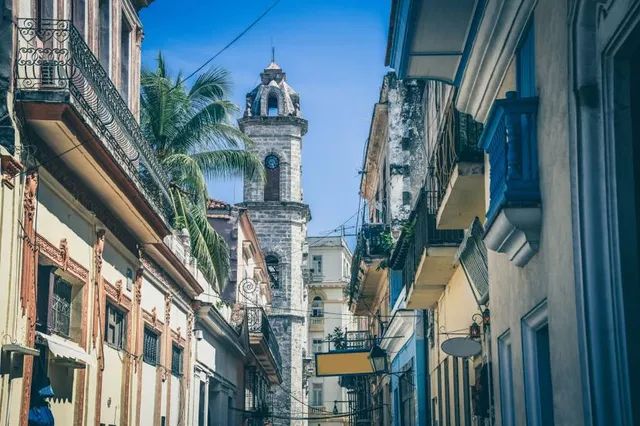
La Bodeguita Del Medio
4.2
(2.3K)
$$
Open until 10:30 PM
Click for details

Esto no es un café
4.8
(146)
Open until 10:00 PM
Click for details
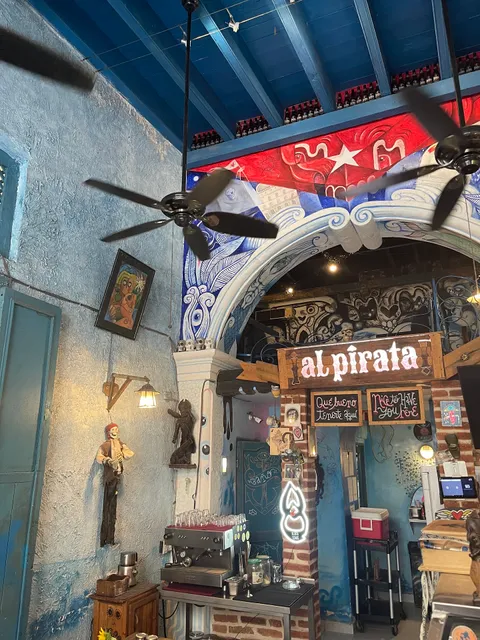
Fonda Al Pirata
4.4
(208)
Open until 12:00 AM
Click for details

La Moneda Cubana
3.6
(102)
Open until 12:00 AM
Click for details
Nearby local services of Cathedral of the Immaculate Conception of the Virgin Mary
Cathédrale de La Havane
Palacio de la Artesania Casa Del Habano
Fuente de Neptuno
Obispo
Flea Market Craft Market
Museo de la Revolución
Maximo Gomez Monument
Iglesia de San Francisco el nuevo
Dador Havana Cuban fashion and lifestyle brand
Sloppy Joe's Bar, Havana
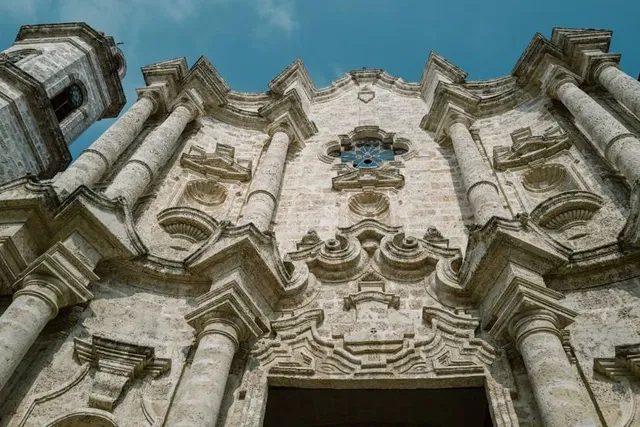
Cathédrale de La Havane
4.6
(35)
Click for details
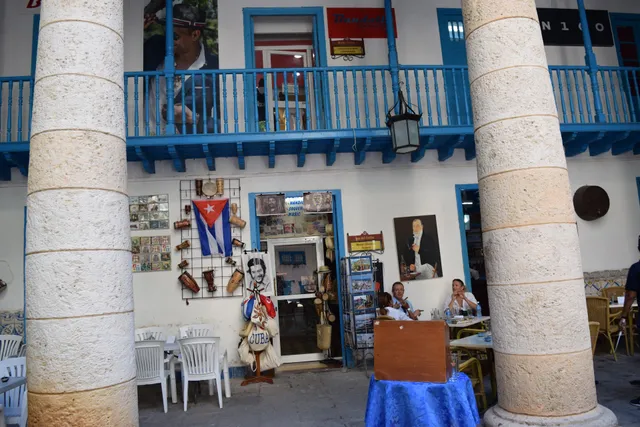
Palacio de la Artesania Casa Del Habano
4.2
(42)
Click for details
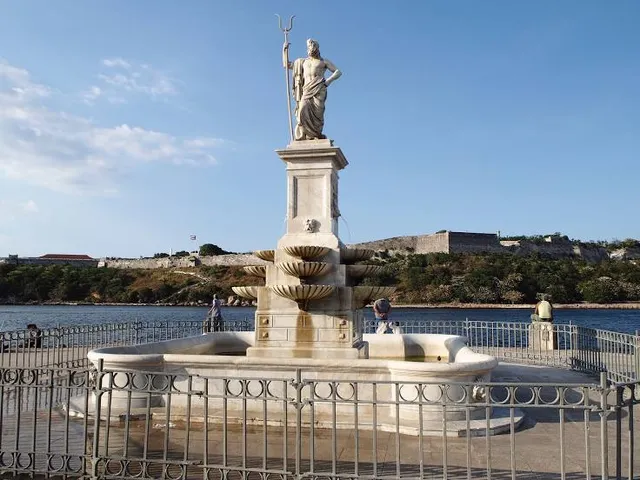
Fuente de Neptuno
4.6
(10)
Click for details
Obispo
4.4
(35)
Click for details